#first-amendment
#first-amendment
[ follow ]

fromwww.npr.org
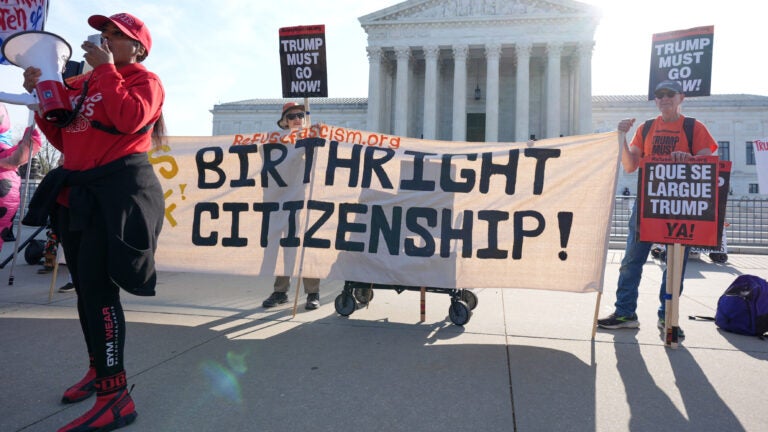
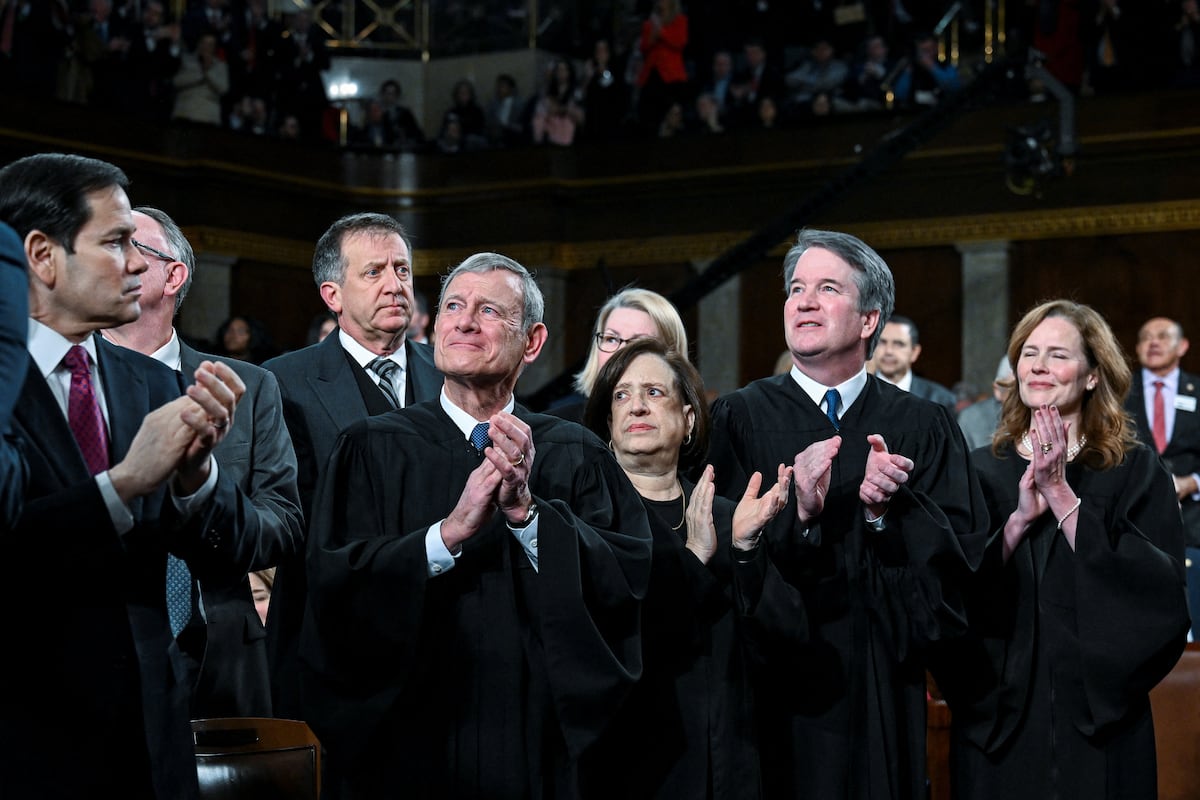
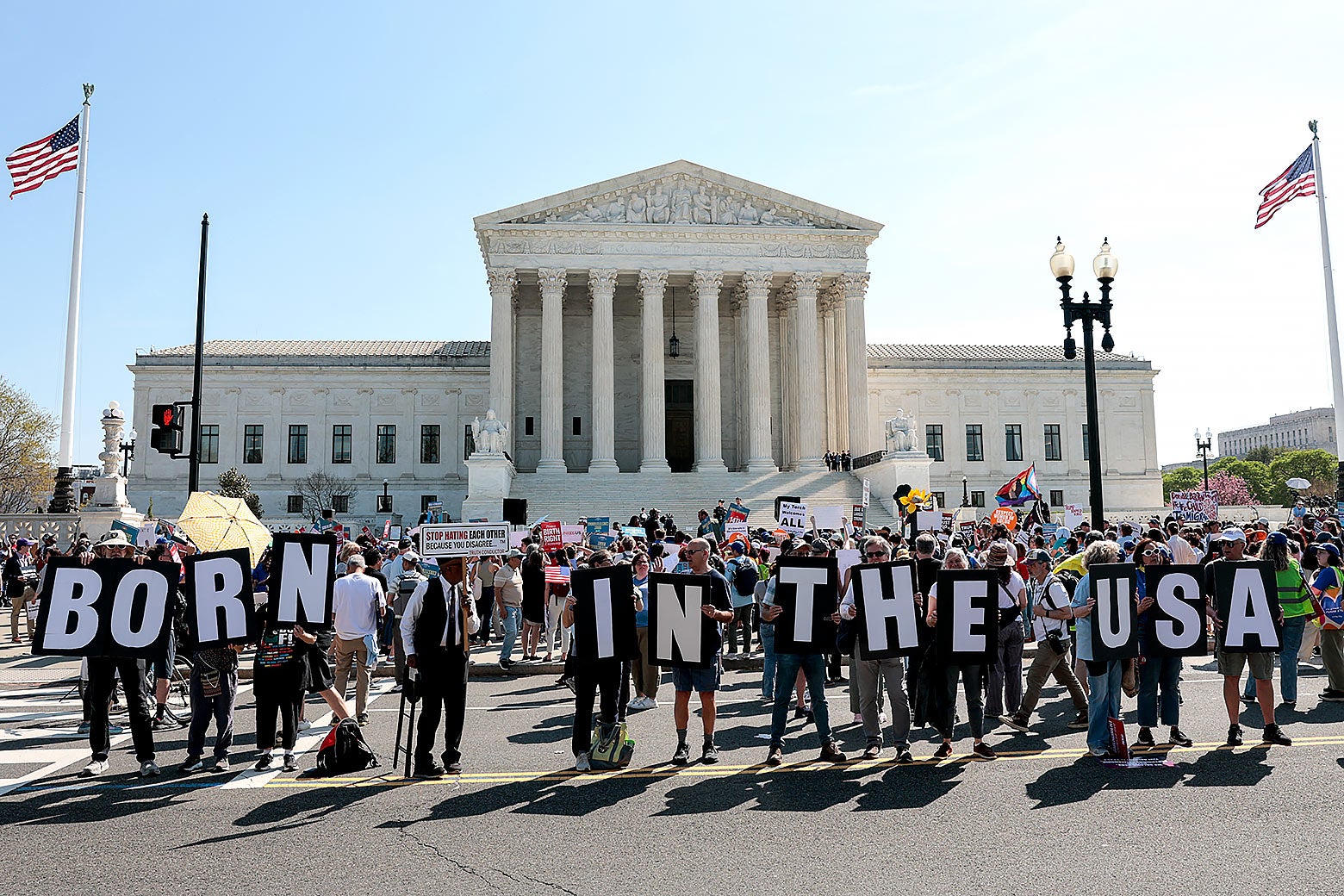
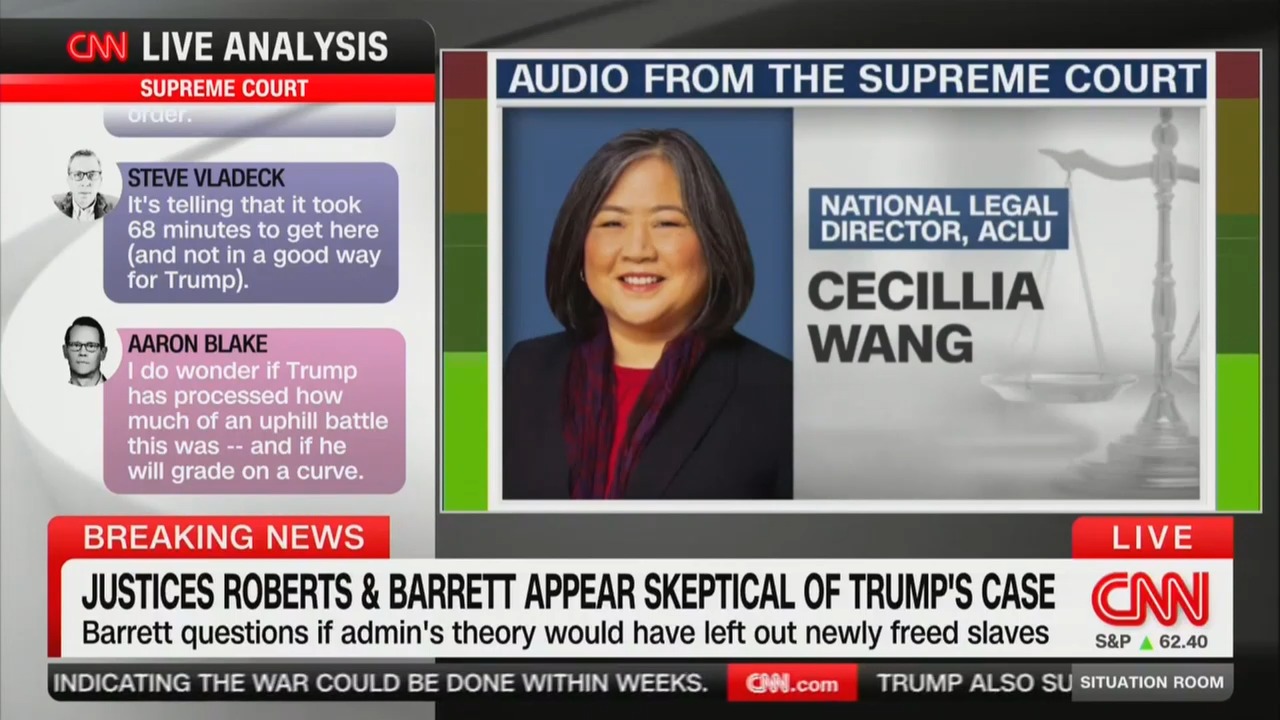
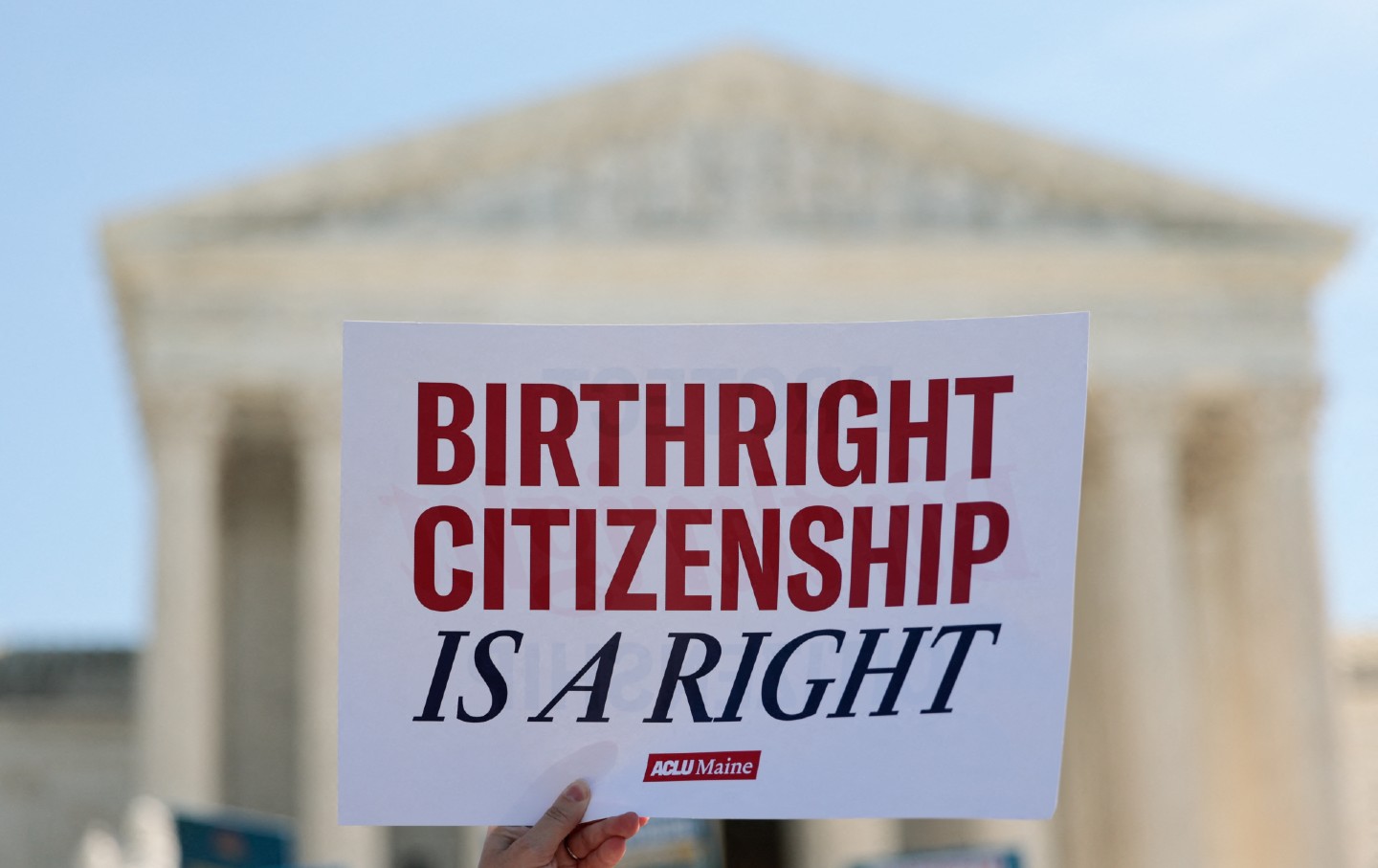
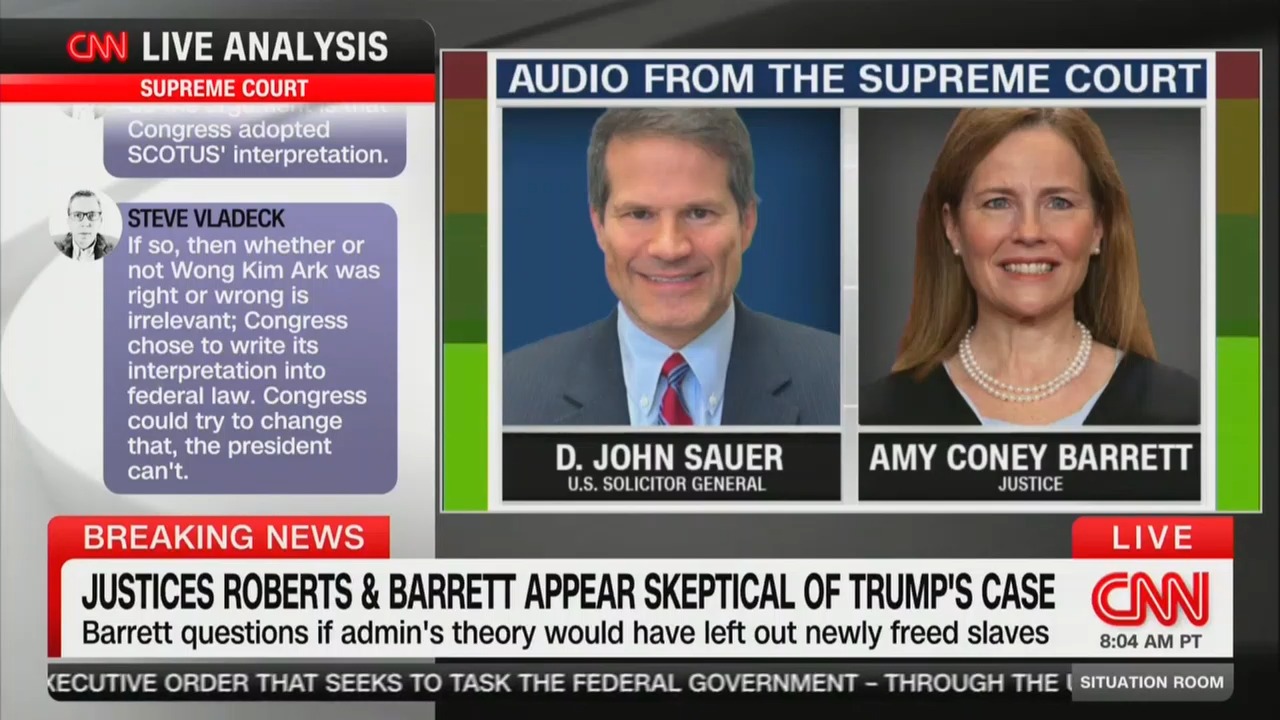
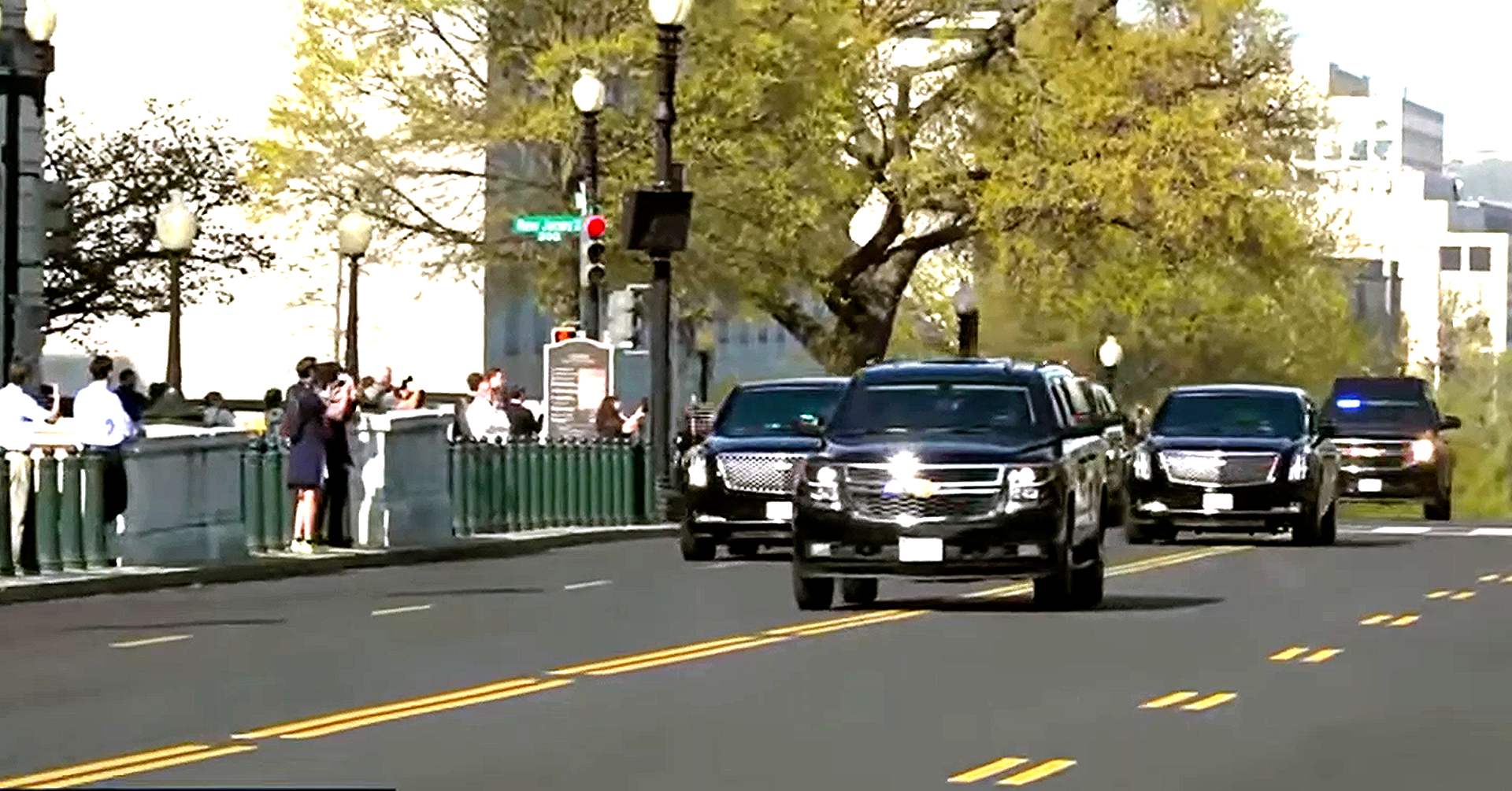
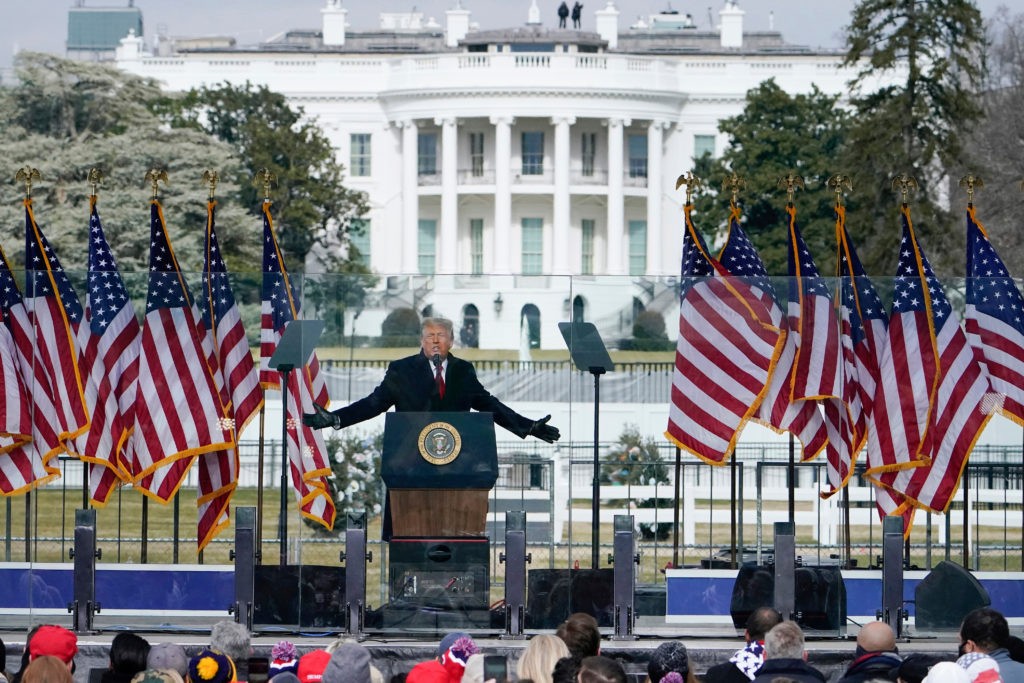
1 day agoTrump makes case for Iran war. And, SCOTUS leans toward upholding birthright citizenship
Trump stated that the war has been a military success and he expects U.S. forces to leave the country in a few weeks, emphasizing the need for allies to reopen the Strait of Hormuz for oil access.
US news

#press-freedom
Media industry
fromFast Company
2 weeks agoCould the government pull a TV station off the air over its news coverage? Trump's comments raise the question
The Trump administration threatened broadcast licenses of news organizations over Iran war coverage, but legal experts say these threats lack enforceable legal basis.
Media industry
fromFast Company
2 weeks agoCould the government pull a TV station off the air over its news coverage? Trump's comments raise the question
The Trump administration threatened broadcast licenses of news organizations over Iran war coverage, but legal experts say these threats lack enforceable legal basis.
fromemptywheel
2 weeks agoMixing The Mixed Constitution - emptywheel
Burke's was a broadside that not only excoriated the social upheavals effected by the French revolutionaries and (by extension) commended by Marx, but the continual economic and social instability prized by modern liberal economic philosophy and practice. Against a new class of elites-mainly, an alliance between ideological progressive theorists and a rising financial oligarchy-Burke urged protection of the stability, tradition, and social continuities vital for the flourishing of ordinary people.
Left-wing politics
fromBig Think
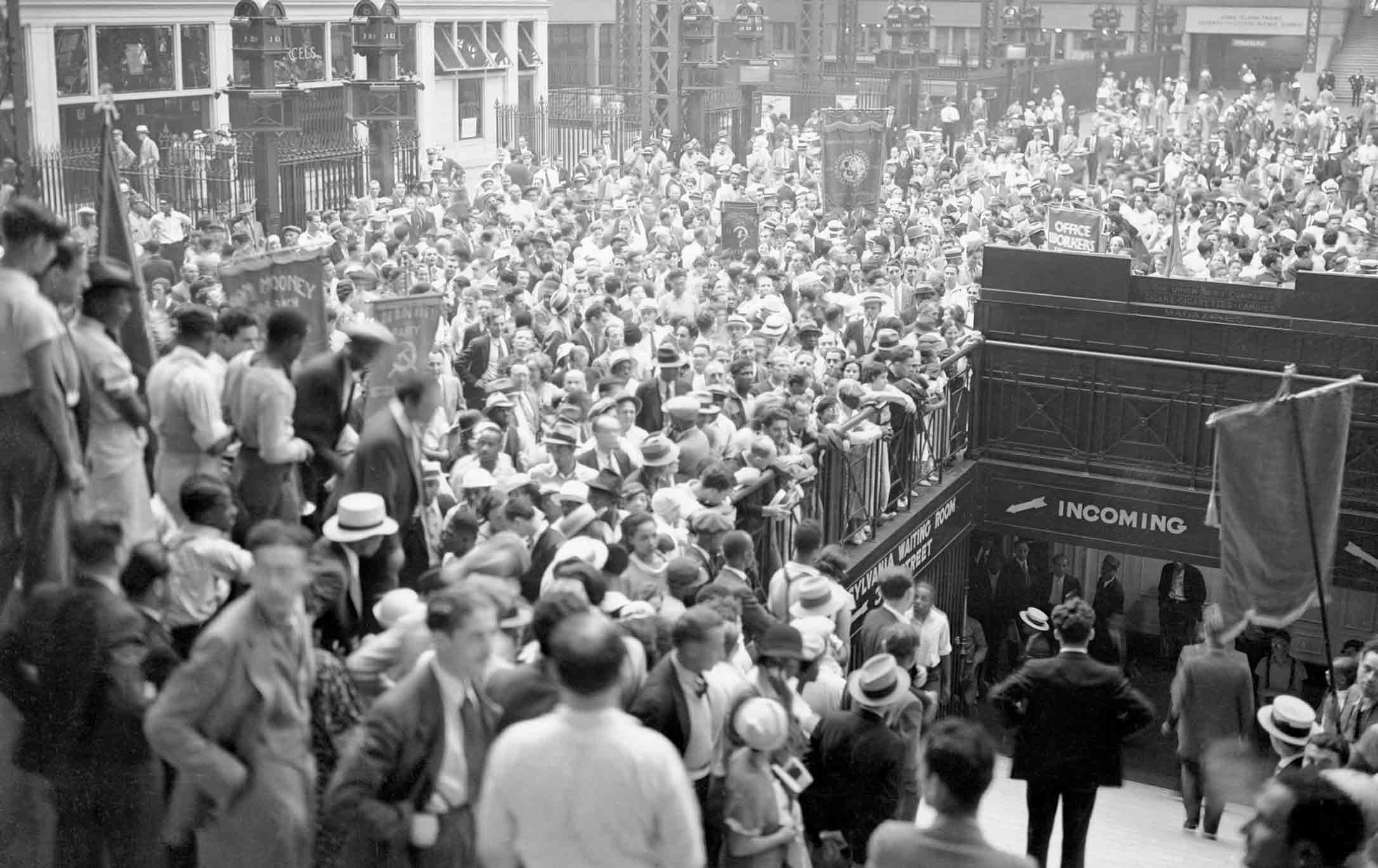
4 weeks agoHow the U.S. Constitution protects liberty from the powerful's dark impulses
The real Führer is always a judge. Out of Führerdom flows judgeship. One who wants to separate the two from each other or puts them in opposition to each other would have the judge be either the leader of the opposition or the tool of the opposition and is trying to unhinge the state with the help of the judiciary.
History
fromThe Conversation
3 weeks agoWhat James Madison can teach Americans about religious freedom today
Since taking office for a second time, the Trump administration has issued a number of executive orders on religion that raise new questions about religious freedom. On May 1, 2025, the administration established the Religious Liberty Commission. The commission will advise the White House on policies intended to protect the free exercise of religion and to prevent discrimination against people of faith by the federal government.
Philosophy

fromwww.theguardian.com
2 weeks agoUS judge blocks Pentagon's press access policy after New York Times lawsuit
The lawsuit by the New York Times alleged that policy changes by the defense department last year gave it free rein to freeze out reporters and news outlets over coverage the department did not like, in violation of the constitution's protections for free speech and due process.
Media industry
Miscellaneous
fromPsychology Today
1 month agoReligious Freedom Includes the Freedom to Leave Religion
True religious freedom requires psychological capacity to choose freely, not just legal protection of beliefs, as cults use psychological entrapment rather than physical confinement to prevent members from leaving.
Law
fromAbove the Law
2 weeks agoThe Rule Of Law Joins America's Dead Pets On The Rainbow Bridge - Above the Law
Trump attorney John Lauro claimed the DOJ improved under Attorney General Pam Bondi, contradicting legal observers who view current conditions as a constitutional crisis threatening prosecutorial independence.
US politics
fromInside Higher Ed | Higher Education News, Events and Jobs
3 weeks agoThis Is What Democracy Looks Like
Recent federal actions have weakened voting rights protections established by the Voting Rights Act of 1965, particularly affecting college students and first-time voters through investigations and restrictions on voting engagement studies.
Law
fromAbove the Law
1 month agoStanding Up And Cheering For American-ish Principles - Above the Law
Trump's State of the Union challenge to Democrats about protecting American citizens over illegal aliens was a rhetorical trap that oversimplified complex policy issues requiring nuanced discussion rather than simple yes-or-no responses.
fromSlate Magazine
2 months agoThe Supreme Court Was Ripe for Another Ideological Food Fight. Then Something Else Happened.
But inside the courtroom, the argument barely touched speech or religion. Instead, the justices together gravitated toward something else entirely: a problem about time, causation, and whether constitutional authority can be temporally partitioned. Does the Constitution operate only forward? Can a law be unconstitutional tomorrow yet legally untouchable yesterday? And can a single conviction permanently close the courthouse doors to the people most harmed by an unconstitutional rule?
Law
fromemptywheel
2 months agoThis Is Not A Constitutional Moment - emptywheel
This script is based on a theory proposed by Bruce Ackerman, Sterling Professor of Law and Political Science at Yale Law School. Ackerman's idea is laid out in his 1991 book We The People: Foundations, and is discussed in the second of his Oliver Wendell Holmes Lectures of 2006. It's gained prominence since the 2024 election and the wholesale assault on our governmental system by Trump.
US politics
[ Load more ]