#five-year-plan-2026-2030
#five-year-plan-2026-2030
[ follow ]
#china #us-china-relations #five-year-plan #china-economy #electric-vehicles #tariffs #industrial-policy


fromGSMArena.com
5 days agoHuawei Chairman promises expanded satellite connectivity across cheaper phones and watches
Richard Yu promises that Huawei will expand satellite connectivity to lower-priced devices, ensuring that it won't be confined to high-end models only. This initiative marks a new chapter in the company's journey, addressing the connectivity struggles that persist due to insufficient mobile network coverage.
Mobile UX
fromFuturism
6 days agoChina Built the World's Largest Outdoor Escalator, and It's a Modern Marvel That Looks Like It Never Stops Rising Into the Sky
The Goddess escalator, which takes almost 21 minutes to ascend, is almost certainly the world's largest of its kind, cutting through the center of Wushan and rising straight into the sky.
Skiing
fromApaonline
2 weeks agoThe Paradox of China's Crypto Regulation and Capital Going Global (Part 1)
The meeting made clear, based on the requirements set out in the 2021 joint notice issued by ten government agencies, that stablecoins are considered a form of virtual currency. At present, they cannot adequately meet requirements for customer identification, anti-money-laundering compliance, or related regulatory standards. They also carry significant risks of being used for money laundering, fraudulent fundraising, and illegal cross-border capital transfers.
Philosophy
Artificial intelligence
fromApp Developer Magazine
2 weeks agoChina is accelerating the next phase of AI
China's AI advancement, exemplified by OpenClaw, is creating a multipolar AI landscape where AI agents transition from answering questions to executing tasks, opening new investment opportunities in transaction intermediation and monetization.
London startup
fromBusiness Matters
2 weeks agoCan the New Trade Agreement Between the UK and China Spur Business Activity in the UK: The Businesses' Perspective in 2026
UK Prime Minister Keir Starmer's January 2026 visit to China established trade agreements aimed at boosting economic growth, expanding market access, and creating investment opportunities for British companies across multiple sectors.
European startups
fromFortune
1 week agoChina could be the 'big winner' in the AI race, thanks to abundant power, cheap manufacturing, and an open-source craze | Fortune
China's AI sector is gaining momentum due to cheaper energy, increased capital spending, and a growing number of open-source developers.
US politics
fromwww.npr.org
3 weeks agoChina slams Trump's trade investigation, as it approves a 5-year economic plan
China's Foreign Ministry opposes a U.S. investigation into trade practices, calling it political manipulation, while Beijing approves a five-year economic plan emphasizing technological self-reliance amid U.S.-China tensions.
fromwww.aljazeera.com
3 weeks agoChina's key NPC meeting comes to a close as lower growth target set
The 15th iteration of the five-year plan, an economic roadmap for 2026 to 2030, also set targets for inflation, the fiscal deficit ratio and urban unemployment. China has set the longterm goal of becoming a moderately developed country by 2035 and raising gross domestic product (GDP) per capita to $20,000.
World news
Agriculture
fromYanko Design - Modern Industrial Design News
4 weeks agoThis Self-Sustaining Building in China Grows Food on Every Floor, And It Was Built On A Farmland Plot - Yanko Design
Wei Dou's Verdant Syndicate preserves agricultural identity on converted farmland through tenant-operated vertical farming integrated into a mixed-use building's structure and design.
Renovation
fromFast Company
1 month agoThe quarry that built modern Beijing gets a surprising second life
A former Beijing quarry that supplied materials for the city's rapid growth has been transformed into a 265-acre ecological park that repurposes its massive excavation pits as functional and scenic landscape features.
Europe politics
fromwww.theguardian.com
1 month agoEuropean Commission proposes Buy EU' plan to compete against China
The European Commission proposes the Industrial Accelerator Act to prioritize EU-made and low-carbon products in public procurement, marking a shift toward protectionism to compete with China and strengthen European industrial autonomy.
#china-economic-policy

World politics
fromThe Washington Post
4 weeks agoChina lowers growth forecast, boosts military, citing 'grave' environment
China lowered its economic growth target, raised defense spending by 7 percent, and unveiled a five-year technological dominance strategy amid U.S. rivalry and economic challenges.
European startups
fromNature
3 weeks agoTop brass in China reaffirm goal to be world leaders in tech, AI
China's 15th five-year plan (2026-2030) commits extraordinary measures to lead globally in AI, quantum technology, and advanced fields through increased R&D spending and technological self-sufficiency.
fromComputerWeekly.com
1 month agoWhat Western companies misunderstand about China's AI strategy | Computer Weekly
China's approach to AI is architecturally different. Where Western tech companies have largely pursued AI as a product category - chatbots, copilots, and standalone tools that can be sold to enterprises - China has treated AI as infrastructure: a utility layer woven into the fabric of commerce, logistics, government services, and daily life.
Miscellaneous
fromTheregister
4 weeks agoChina's rubber-stamp advances tech independence plan
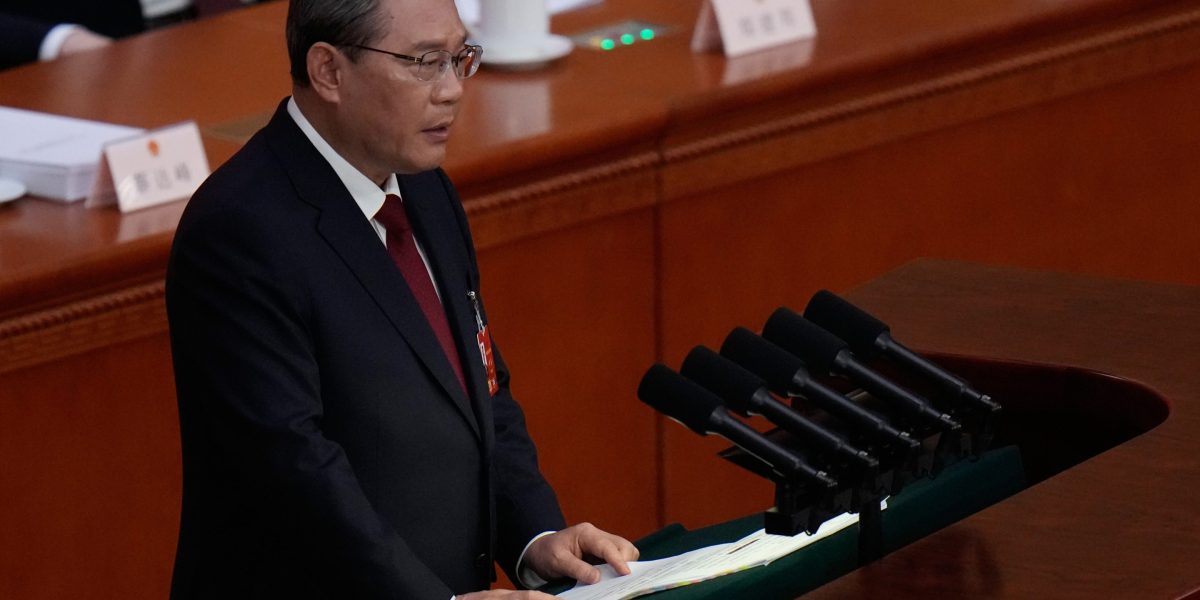
Premier Li Qiang emphasized 'the need to accelerate self-reliance in high-level science and technology' against a background of 'unilateralism and protectionism escalating abruptly,' referencing Trump administration trade policy, while highlighting China's recent advances in independent chip research and development and noting integrated circuit output rose 10.9 percent last year.
World news
fromwww.aljazeera.com
1 month agoChina economic growth target set below 5% for the first time at key meeting
The lowered growth figure reflects China's economic slowdown, triggered in part by the collapse of the country's property sector, which once accounted for between 25 and 30 percent of GDP. The growth target is quite realistic, the Economist Intelligence Unit's China economist Tianchen Xu said, noting the figure reflected China's trend towards more conservative expectations.
World news
World politics
fromwww.npr.org
3 weeks agoFive key takeaways from an annual briefing by China's foreign minister
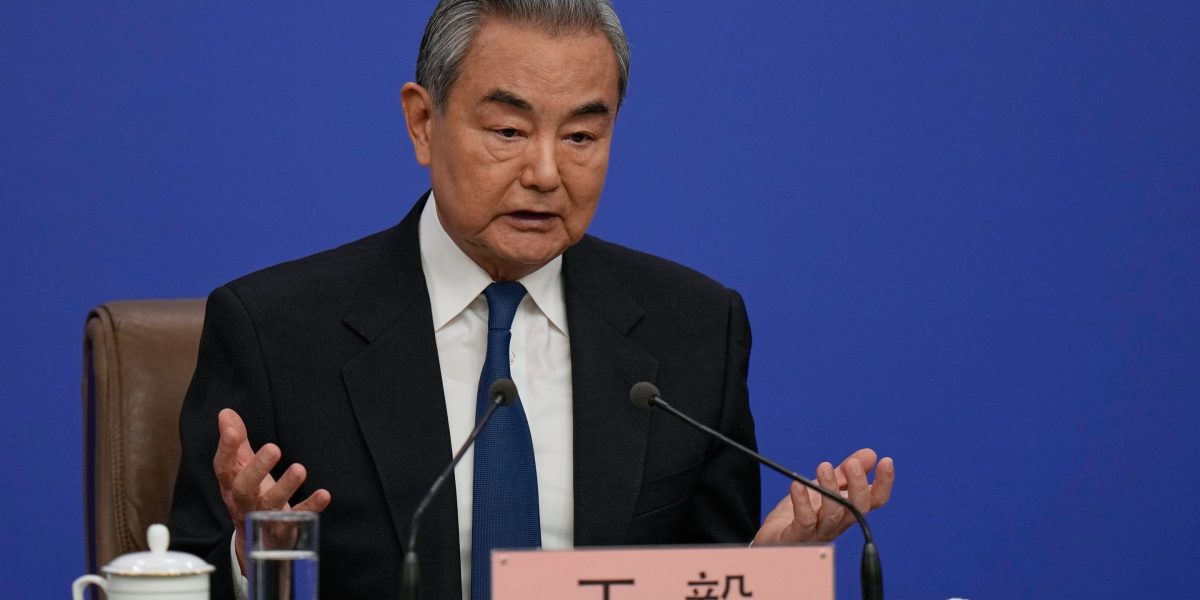
China's foreign minister Wang Yi criticized the U.S.-Israeli conflict with Iran while signaling openness to a Trump-Xi meeting and advocating for dialogue between the world's two largest economies.
fromwww.npr.org
1 month agoChina sets a lower economic growth target of 4.5% to 5% for 2026 as challenges loom
While recognizing our achievements, we are also clear-eyed about the difficulties and challenges we face. The government is striving to balance two goals: reviving the flagging economy by boosting domestic spending while also furthering top leader Xi Jinping's ambitions to build China into a global power in AI, robotics and other advanced technologies and one that is not dependent on the U.S. or others for high-end semiconductors and other components.
World news
World politics
fromwww.aljazeera.com
1 month agoChina set to release new five-year plan at National People's Congress
China will unveil its 15th Five-Year Plan for 2026-2030 at the NPC this week, with an expected GDP growth target of 4.5 to 5 percent, while addressing challenges from trade tensions and weak consumer confidence.
World news
fromwww.theguardian.com
1 month agoChina's Two Sessions: what are the meetings and why do they matter?
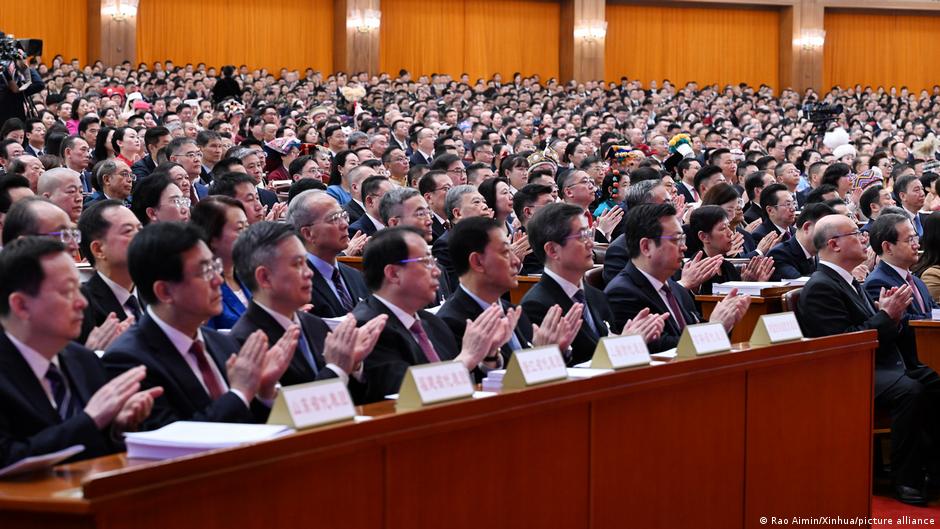
China's Two Sessions convene annually to ratify legislation, personnel changes, and budgets through the NPC and CPPCC, with this year focusing on the 15th five-year plan for 2026-2030 emphasizing domestic demand and cutting-edge technology development.
fromwww.theguardian.com
1 month agoChinese football returns against backdrop of bans, crackdowns and confusion
When Keir Starmer met Xi Jinping recently, reporters said the British prime minister was shocked at his Chinese counterpart calling Crystal Palace Palace, liking Manchester City and Arsenal and supporting Manchester United. The reasons can be guessed. Fan Zhiyi was popular at Selhurst Park in the late 1990s, Sun Jihai was a cult hero at Maine Road and Manchester United had Dong Fangzhuo. The president of the world's second most populous country and second biggest economy didn't, however, mention Everton.
Soccer (FIFA)
World politics
fromwww.theguardian.com
1 month agoChina's Two Sessions to reveal Xi's economic and defence plans as military purge casts shadow
China's Two Sessions convene this week to set annual economic targets and launch the 15th five-year plan for 2026-2030, with the NPC serving as the formal legislative body despite the CCP holding ultimate decision-making power.


fromWIRED
2 months ago23 Ways You're Already Living in the Chinese Century
A decade ago, China's political leaders laid out an ambitious industrial plan: By 2025, they pledged, their country would be a world capital, with the goal of moving from "Chinese speed to Chinese quality, the transformation of Chinese products to Chinese brands." This is the difference, they wrote, between "Made in China" and "Created in China." At WIRED, we never take what the government (ours or anybody else's) says at face value.
World news

fromwww.aljazeera.com
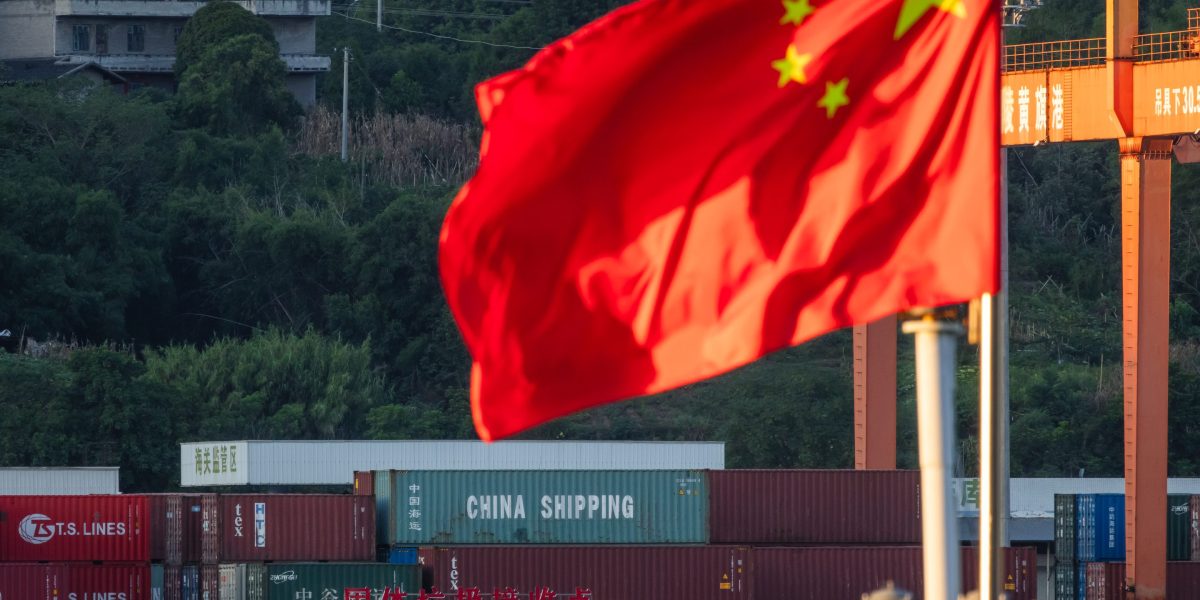
2 months agoWhat role is China playing in global geopolitical transformations?
China's official discourse centres on the idea of peaceful rise, the commitment to non-interference in internal affairs, respect for sovereignty and territorial integrity, and economic partnerships based on mutual benefit. Beijing insists that relations with Washington should not slide into conflict, calling for a system of global governance built on cooperation rather than confrontation. Yet the geopolitical landscape reveals a wide gap between this discourse and reality. Donald Trump's return to the White House has brought back rhetorical escalation and increased geopolitical pressure.
World politics
fromwww.aljazeera.com
2 months agoIndia's budget bets on infrastructure, manufacturing amid global trade war
Indian Prime Minister Narendra Modi's government has unveiled its annual budget, aiming for steady growth in an uncertain global economy rocked by recent tariff wars. Finance Minister Nirmala Sitharaman presented the budget for the 2026-2027 financial year in Parliament on Sunday, prioritising infrastructure and domestic manufacturing, with a total expenditure estimated at $583bn. India's economy has so far weathered punitive tariffs of 50 percent imposed by United States President Donald Trump over New Delhi's imports of Russian oil.
World politics


fromwww.aljazeera.com
2 months agoHow Balochistan attacks threaten Pakistan's promises to China, Trump
When meeting United States President Donald Trump in the Oval Office in September, Pakistan's army chief, Field Marshal Asim Munir, opened a briefcase with Prime Minister Shehbaz Sharif standing next to him. Inside were a set of glistening minerals. Their display was part of Pakistan's latest offer to the Trump administration: The country was willing to open up its minerals to US investment.
World news
[ Load more ]