#float-building
#float-building
[ follow ]
#architecture #sustainable-design #infrastructure #climate-change #family-home #design #sustainable-architecture


Alternative transportation
fromYanko Design - Modern Industrial Design News
19 hours agoThis Hydrogen Business Jet Emits Nothing But Water and Could Change Private Aviation Forever - Yanko Design
Beyond Aero's BYA-I One hydrogen-electric business jet has completed its Preliminary Design Review, advancing towards commercial entry in 2030.
#architecture

Renovation
fromdesignboom | architecture & design magazine
5 days agoarthur casas adapts speculative structure into wood-lined coastal house in brazil
Arthur Casas transforms an unfinished structure into Bravíssima House, integrating it with the landscape and enhancing family living through design and materials.
fromwww.theguardian.com
6 days agoEvery child wants to find joy': the scheme designing playground equipment for disaster zones
Meininger, who grew up in Germany but now lives in London, likes making things. So when he saw how much his young sons enjoyed the jungle gym and play forts at the local park, he made an indoor treehouse for them.
Parenting
Barcelona
fromArchDaily
1 week agoSANAA, David Chipperfield Architects, and Snhetta Among Five Finalists for Barcelona's New Waterfront Cultural Venue, Liceu Mar
Barcelona selects five finalist teams for the Liceu Mar cultural venue competition at Port Vell, aiming to enhance accessibility and civic engagement.
Startup companies
fromTechCrunch
2 weeks agoArc expands into electric commercial and defense boats with $50M raise | TechCrunch
Arc Boat Company raised $50 million to expand commercial operations and sell electric propulsion systems to defense contractors, leveraging consumer boat success to prove technology reliability.
San Francisco
fromsfist.com
1 month agoIt Will Likely Be a Year Before the Port of SF's Sinking Dry Dock #2 Can Be Demolished and Removed
The Port of San Francisco's Dry Dock #2 requires constant pumping to prevent sinking and won't be removed until 2027, risking catastrophic damage from winter storms.
Design
fromYanko Design - Modern Industrial Design News
5 days agoBiomimetic Architecture Reaches New Heights With This Bird-of-Paradise Yoga Space - Yanko Design
Thilina Liyanage's architecture translates animal gestures into functional designs, exemplified by the Rifle Bird Yogashala inspired by the Victoria's riflebird's courtship display.
fromArchDaily
3 weeks agoHow Architecture Is Learning to Generate Its Own Energy
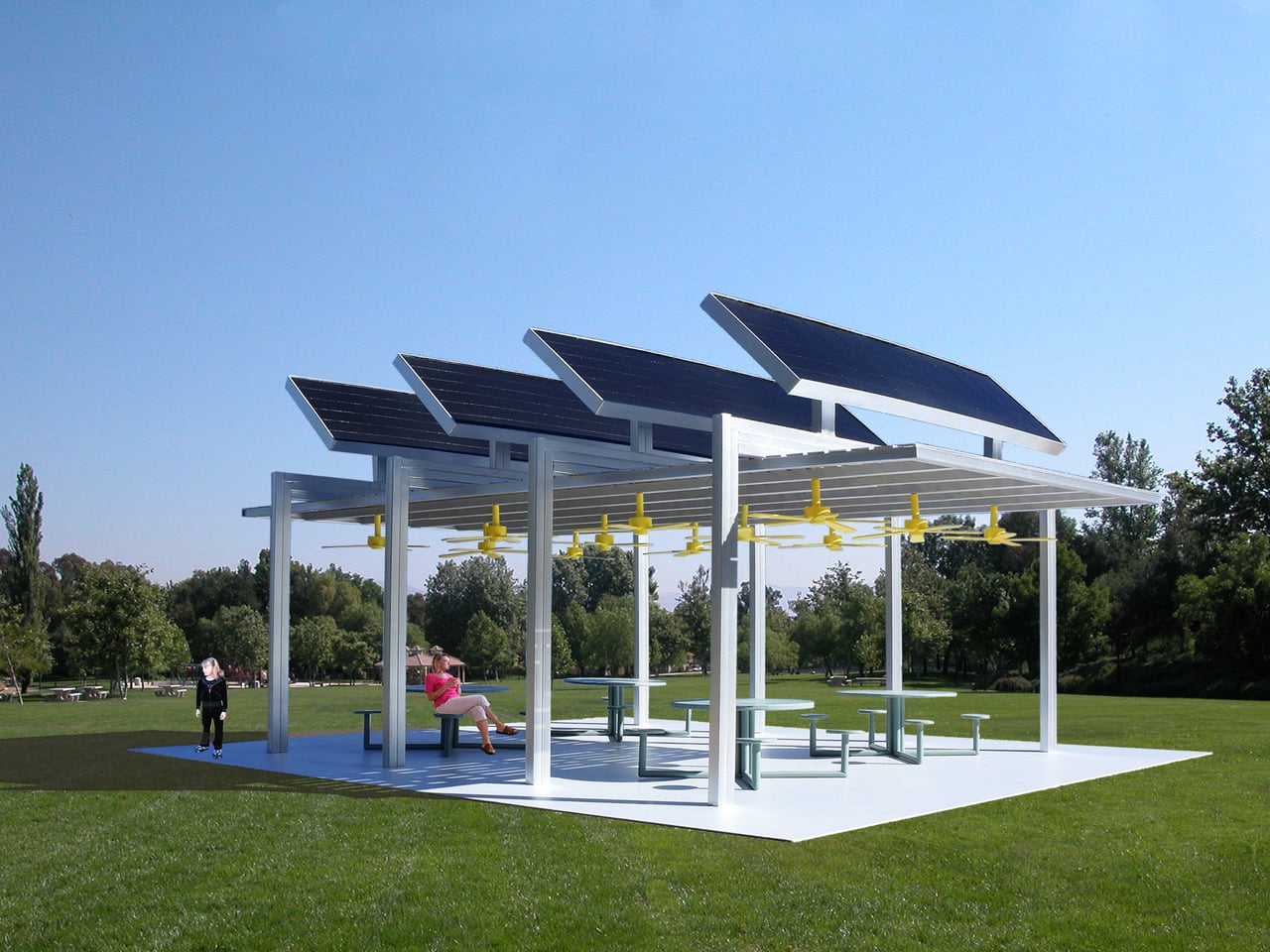
Photovoltaic (PV) solar energy represents a modular technology that can be manufactured in large-scale facilities, generating economies of scale, while also being adaptable to small-scale applications. From residential rooftop systems to large-scale power generation installations, photovoltaic solar energy has established itself as a cost-effective option for electricity production in many countries around the world.
Environment
Design
fromdesignboom | architecture & design magazine
6 days agoartwork uses floating fabric corridor and bodily movement to visualize climate change
Ryo Yamada's Perception Corridor is an immersive installation in Edinburgh that explores perception and environmental awareness through a 40-meter fabric corridor.
Arts
fromArchDaily
1 month agoBuildFest Introduces "Acts of Construction," a Three-Year Exploration of Timber Installations
Bethel Woods launches BuildFest, a three-year initiative featuring large-scale timber installations and multimedia experiences on the historic 1969 Woodstock festival grounds, organized sequentially around construction, choreography, and performance themes.
#architectural-design
Renovation
fromArchDaily
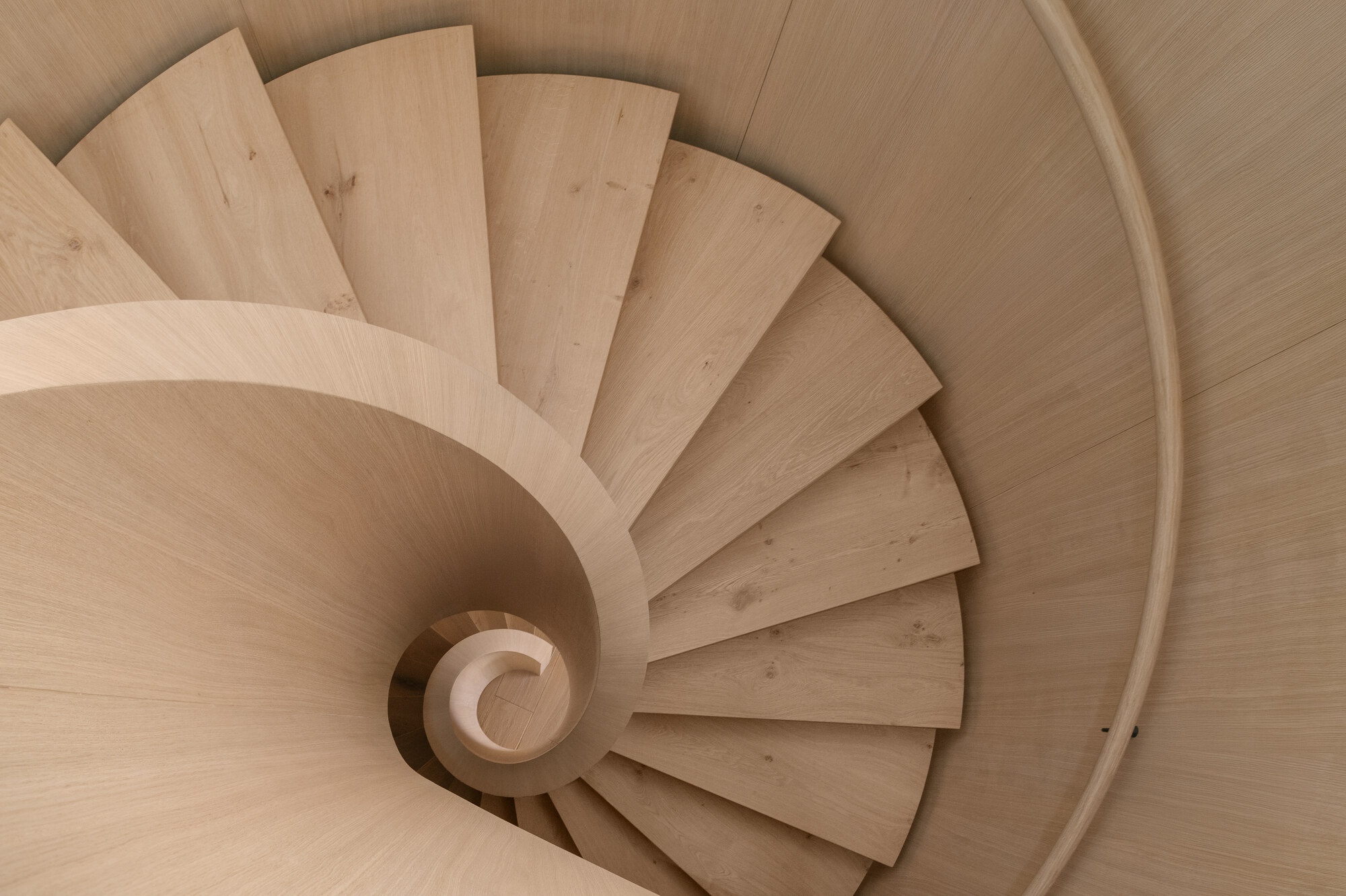
2 weeks agoTransforming a Concrete Shell into a Wooden Interior Shaped by the Sea
A Mediterranean harbor house renovation transforms a raw concrete shell into a material-driven interior that echoes maritime atmosphere through spatial organization, natural materials, and carefully controlled views of the surrounding landscape.
fromianVisits
1 month agoRoyal Docks plans would add floating parkland and residential boat berths
The plans would affect an area known as Royal Victoria Dock West, which is the end closest to London City Hall and the Cable Car. If carried out, the two biggest changes will be a range of floating walkways reaching into the dock, lined with water plants. The other change will be the introduction of walkways on the south side of the dock for long-term residential boat moorings.
Real estate
Environment
fromArchDaily
1 month agoHow to Design with the Rain: Architectural Strategies for Rainwater Collection across Climates
Architecture must shift from water disposal to active rainwater collection, storage, and reuse through climate-specific design strategies that address distinct precipitation patterns and regional environmental demands.
Design
fromArchDaily
3 weeks agoFacing the Age of Robots? Material Innovation in Architectural Structures
Robotic technology in construction extends beyond automation and cost reduction to fundamentally reshape architectural design, material experimentation, and construction methodologies through collaborative human-robot workflows.
fromDezeen
2 months agoCommoncraft uses cantilever to extend "unconventional" Brooklyn building
Local studio Commoncraft has used a cantilevered volume to curve 545 Metropolitan over its neighbours, navigating the narrow Brooklyn site in order to provide more floor space. Located on Williamsburg's busy Metropolitan Avenue just across from the Lorimer L subway station, 545 Metropolitan is a six-storey mixed-use building that contains apartments, ground-level commercial space and terraces on its backside and roof. The building is wrapped in a black stucco finish, which contains a mica chip to give it a subtle glimmer, and features rows of slim rectangular windows on its front side, punctuated by a single "inverted arch" window.
Remodel
New York City
fromdesignboom | architecture & design magazine
2 months agoelevating new york's waterfront: wagner pavilion signals flood-resiliency for lower manhattan
Robert F. Wagner Jr. Park and Pavilion elevates Battery Park City's southern edge nearly ten feet, integrating flood-defensive infrastructure with public waterfront access.
Renovation
fromdesignboom | architecture & design magazine
4 weeks ago3D printed street furniture recycles concrete and brick waste from demolished urban villages
Construction waste from demolished urban villages is converted into 3D printable composite material containing up to 85% solid waste, creating functional urban furniture through a closed-loop production system.
fromdesignboom | architecture & design magazine
2 months ago3XN completes timber-roofed sydney fish market for january opening
Set to open at last on January 19th, 2026, the 3XN Architects-designed Sydney Fish Market occupies a prominent stretch of Blackwattle Bay on the Australian city's inner harbor. Planned in collaboration with BVN and Aspect Studios, and delivered by Multiplex, the project introduces a purpose-built facility that brings wholesale operations, public market areas, and waterfront access into a single system.
Remodel
fromBrooklyn Eagle
2 months agoExhibition opens Friday on alternative visions for the Brooklyn Marine Terminal
RED HOOK - A SPECIAL EXHIBITION - "Brooklyn Marine Terminal: Past, Present, & What's Next for Red Hook?" - will hold its opening Friday night from 6 to 8 p.m. at the Compere Collective, 351 Van Brunt St. in Red Hook. The display, hosted by Resilient Red Hook in collaboration with Pratt Institute's School of Architecture, features student work that explores alternative visions for the BMT, bringing academic insight, community priorities and design innovation together.
New York City
fromwww.archdaily.com
1 month agoBunker Tower / Powerhouse Company
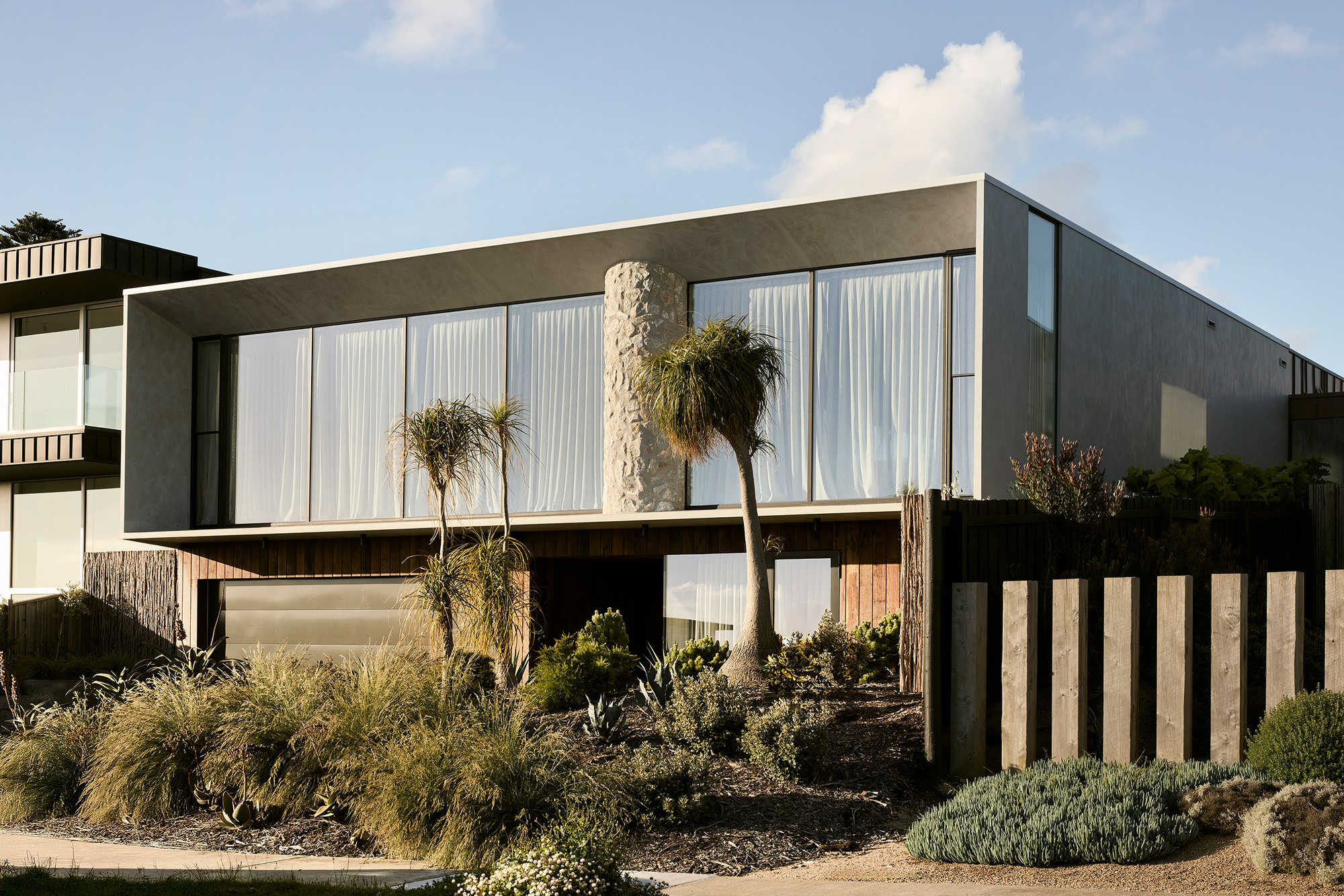
Anna Odulinska + 28 Category: Mixed Use Architecture Design Team: Paul Stavert, Meagan Kerr, Daan Masmeijer, Stefan de Meijer, Martijn Ravia, Thomas Ponds, Maarten Diederix, Stefan Prins, Erwin van Strien, Gert Ververs, Giovanni Coni, Yoon Kyun (Peter) Lee, Ahmad Hallak, Robbert Verheij, Phillip Weber, Lesia Topolynk, Antonia Pohankova, Loz Mills, Sven Janse Landscape Architecture: DELVA Landscape Architecture & Urbanism
Remodel
Environment
fromYanko Design - Modern Industrial Design News
2 months agoFishing Nets and Snack Wrappers Just Became Retaining Wall Blocks - Yanko Design
Eco-C CUBE transforms mixed, unsortable plastic waste into interlocking, high-strength structural blocks—outperforming concrete in tension, enabling cement-free retaining walls with built-in drainage and lower CO₂.
fromwww.theguardian.com
2 months agoSchools, airports, high-rise towers: architects urged to get bamboo-ready'
For many years, bamboo has been mostly known as the favourite food of giant pandas, but a group of engineers say it's time we took it seriously as a building material, too. This week the Institution of Structural Engineers called for architects to be bamboo-ready as they published a manual for designing permanent buildings made of the material, in an effort to encourage low-carbon construction and position bamboo as a proper alternative to steel and concrete.
Environment
fromArchDaily
2 months agoCircular Composites: Designing for a Sustainable Future
One of the earliest large-scale examples of composite materials can be found in the Great Wall of China, where stone, clay bricks, and organic fibers such as reeds and willow branches were blended to create a resilient and lasting structure. These early techniques reveal a timeless intuition: distinct materials, when combined thoughtfully, produce properties unattainable by any single element.
Environment
fromwww.archdaily.com
1 month agoWaterfrom Design's Office / Waterfront Design
Studio Millspace Text description provided by the architects. Throughout eight months of design and on-site work, we realized that what truly matters is not the completeness of drawings, but the intuition shaped by being present. Around 70% of the layout was defined early on, while the remaining 30% was deliberately left without a set functionallowing light, behaviors, and moods to participate in forming the space.
Design


Design
fromArchDaily
1 month agoZaha Hadid Architects Designs Cultural District Along the Qiantang Bay Central Water Axis in Hangzhou, China
Qiantang Bay Central Water Axis transforms former industrial waterfront into a landscaped green corridor with cultural buildings, public spaces, bridges, and sponge-city flood mitigation.
Design
fromFast Company
2 months agoTop architects on the biggest challenges they'll face in 2026
Architects must prioritize collaboration, community-centered design, faster delivery without quality loss, clear high-performance standards, streamlined approvals, and AI-enabled workflows to address housing and infrastructure crises.
Design
fromdesignboom | architecture & design magazine
2 months agoovoid landscape tower by gad hovers above chongqing mingyue lake in china
A slender, moon-inspired viewing tower on a Chongqing lakeshore provides a staged ascent delivering panoramic views and landmark presence within the forested park.
fromFast Company
2 months ago'People need to ask more of their buildings': 6 ideas that will define architecture in 2026
Fast Company asked architects from some of the top firms working around the world what they thought about the look of architecture in 2026. Of course, a building designed in 2026 almost certainly will not be completed in 2026, and construction timelines are notoriously fluid.
Design
[ Load more ]