#floating-soccer-pitch
#floating-soccer-pitch
[ follow ]
#architecture #sustainability #design #inter-miami #mls #soccer #community-engagement #climate-change #david-beckham



fromwww.theguardian.com
6 days agoEvery child wants to find joy': the scheme designing playground equipment for disaster zones
Meininger, who grew up in Germany but now lives in London, likes making things. So when he saw how much his young sons enjoyed the jungle gym and play forts at the local park, he made an indoor treehouse for them.
Parenting
Barcelona
fromArchDaily
6 days agoSANAA, David Chipperfield Architects, and Snhetta Among Five Finalists for Barcelona's New Waterfront Cultural Venue, Liceu Mar
Barcelona selects five finalist teams for the Liceu Mar cultural venue competition at Port Vell, aiming to enhance accessibility and civic engagement.
Board games
fromYanko Design - Modern Industrial Design News
6 days agoThe Ping Pong Tables at This French School Have No Rules - Yanko Design
Exercice's Ping Pong Park challenges traditional play by introducing innovative table designs that encourage experimentation and social interaction among children.

fromGreenpointers
5 days agoWilliamsburg Soccer Club Opening Permanent Facility in Former Home of The Play Lab - Greenpointers
Opening this permanent location means more opportunity for kids to play soccer indoors in North Brooklyn. We're so excited to expand our offerings and be able to bring different programming to our community.
Brooklyn
Design
fromdesignboom | architecture & design magazine
3 days agoreversible cultural pavilion activates public space in frankfurt 2026
Spain's pavilion for World Design Capital 2026 emphasizes reversible cultural infrastructure and sustainable design through innovative materials and construction methods.
fromArchDaily
4 days agoThe Illusion of Lightness: Designing Civic Voids for Public Life
The original intent of pilotis was to create a sense of lightness that would allow circulation and light to flow beneath a structure, but contemporary requirements render thin columns insufficient for large-scale civic projects.
Renovation
Design
fromYanko Design - Modern Industrial Design News
5 days agoBiomimetic Architecture Reaches New Heights With This Bird-of-Paradise Yoga Space - Yanko Design
Thilina Liyanage's architecture translates animal gestures into functional designs, exemplified by the Rifle Bird Yogashala inspired by the Victoria's riflebird's courtship display.
Miscellaneous
fromArchDaily
1 month ago7 Unbuilt Masterplans Reimagining Urban Futures Through Ecology and Collective Space
Unbuilt urban masterplans explore adaptive spatial frameworks that recalibrate mobility, ecology, and collective life through climate-responsive design and public space integration across diverse global contexts.
Design
fromdesignboom | architecture & design magazine
5 days agoartwork uses floating fabric corridor and bodily movement to visualize climate change
Ryo Yamada's Perception Corridor is an immersive installation in Edinburgh that explores perception and environmental awareness through a 40-meter fabric corridor.
Renovation
fromYanko Design - Modern Industrial Design News
5 days agoThis Tiny House Has 30 Feet of Glass and Feels Nothing Like a Tiny House - Yanko Design
The Shoreline Glass House redefines tiny living with spacious, light-filled design and single-floor layout, offering a unique blend of comfort and openness.
fromYanko Design - Modern Industrial Design News
1 week agoThe Award-Winning Playground Built to Never Be Replaced - Yanko Design
The collection, created for Polish manufacturer Nolmo, recently took home a win at the European Product Design Award 2025, earning recognition in the Outdoor category.
Design
#architectural-design
Renovation
fromArchDaily
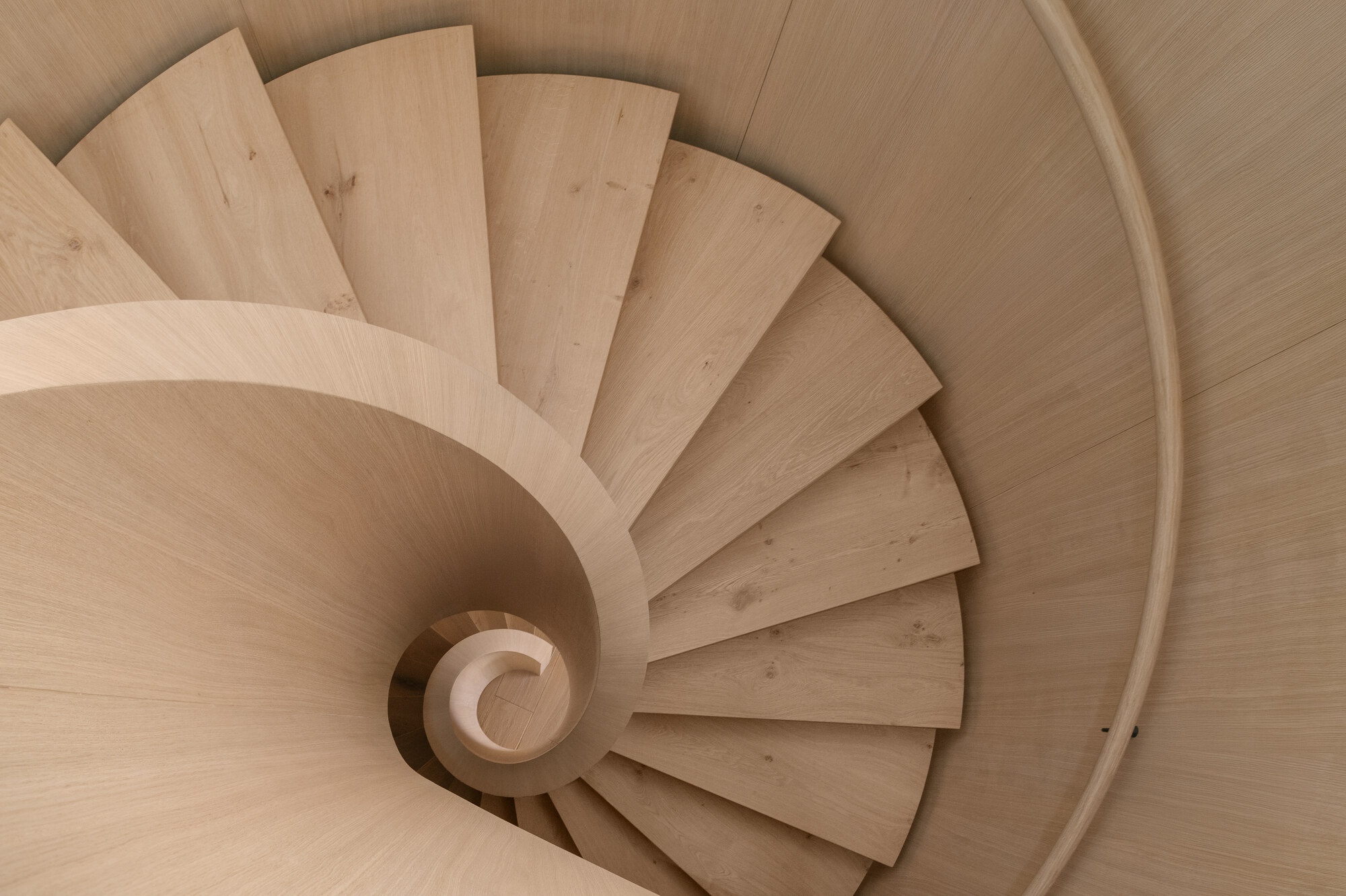
2 weeks agoTransforming a Concrete Shell into a Wooden Interior Shaped by the Sea
A Mediterranean harbor house renovation transforms a raw concrete shell into a material-driven interior that echoes maritime atmosphere through spatial organization, natural materials, and carefully controlled views of the surrounding landscape.
fromBrooklyn Eagle
2 months agoExhibition opens Friday on alternative visions for the Brooklyn Marine Terminal
RED HOOK - A SPECIAL EXHIBITION - "Brooklyn Marine Terminal: Past, Present, & What's Next for Red Hook?" - will hold its opening Friday night from 6 to 8 p.m. at the Compere Collective, 351 Van Brunt St. in Red Hook. The display, hosted by Resilient Red Hook in collaboration with Pratt Institute's School of Architecture, features student work that explores alternative visions for the BMT, bringing academic insight, community priorities and design innovation together.
New York City
fromdesignboom | architecture & design magazine
2 weeks ago400-foot installation turns climate pledge arena into a living environmental interface
Inside Climate Pledge Arena, a large-scale media installation titled Turn the Tide transforms two interior walls into an architectural interface combining environmental imagery, and . Designed by Digital Kitchen within the arena by , the installation spans nearly 400 feet across the building's east and west walls. The intervention is integrated into the spatial environment of the arena, which is recognized as the world's first net-zero carbon certified arena.
Renovation
Design
fromArchDaily
1 month agoRotterdam's Sustainability Landmark and Brisbane's 2032 Olympic Stadium: This Week's Review
Architecture navigates legacy, authorship, and social responsibility while addressing sustainability, accessibility, and public engagement across cultural and institutional contexts.
fromwww.archdaily.com
1 month agoWaterfrom Design's Office / Waterfront Design
Studio Millspace Text description provided by the architects. Throughout eight months of design and on-site work, we realized that what truly matters is not the completeness of drawings, but the intuition shaped by being present. Around 70% of the layout was defined early on, while the remaining 30% was deliberately left without a set functionallowing light, behaviors, and moods to participate in forming the space.
Design
fromArchDaily
2 months agoLeisure Architecture: 13 Projects Shaping Togetherness Across Generations
Leisure spaces are often where different generations cross paths. Without formal programs or assigned roles, they allow people to move, pause, and remain together, each engaging space in their own way. In a built environment increasingly shaped by specialization and separation, these shared spatial grounds have become less common, giving leisure-oriented architecture a renewed relevance. Discussions around public space have repeatedly pointed to the value of openness and flexibility in supporting collective life.
Design
[ Load more ]