#food-as-a-weapon
#food-as-a-weapon
[ follow ]
#food-security #strait-of-hormuz #iran-conflict #middle-east-conflict #famine #food-prices #inflation #iran-war

#food-security
fromwww.theguardian.com
4 weeks agoEurope politics
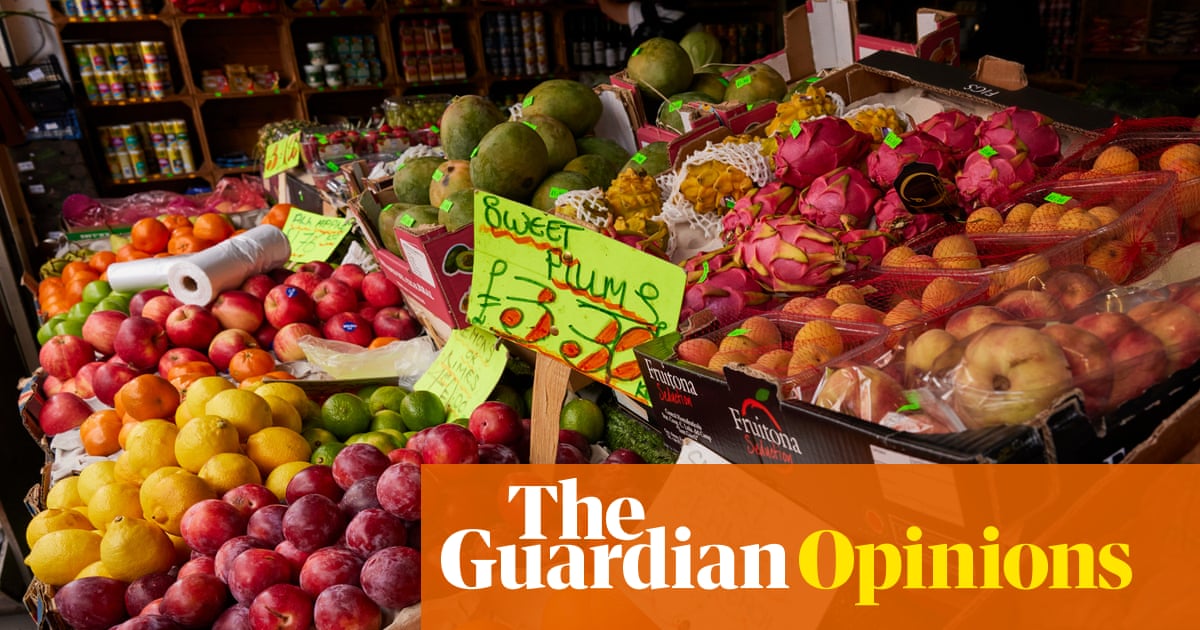
UK must stockpile food in readiness for climate shocks or war, expert warns
The UK should stockpile food due to low self-sufficiency at 54%, making it vulnerable to climate shocks and wars, unlike other wealthy nations that maintain emergency reserves.
fromwww.theguardian.com
2 months agoFood & drink
The Guardian view on food security: Britain can no longer trust markets alone | Editorial
Britain lacks substantial public strategic food reserves while other nations rebuild stocks to guard against climate, geopolitical shocks and fragile supply chains.
Europe politics
fromwww.theguardian.com
4 weeks agoUK must stockpile food in readiness for climate shocks or war, expert warns
The UK should stockpile food due to low self-sufficiency at 54%, making it vulnerable to climate shocks and wars, unlike other wealthy nations that maintain emergency reserves.


fromwww.businessinsider.com
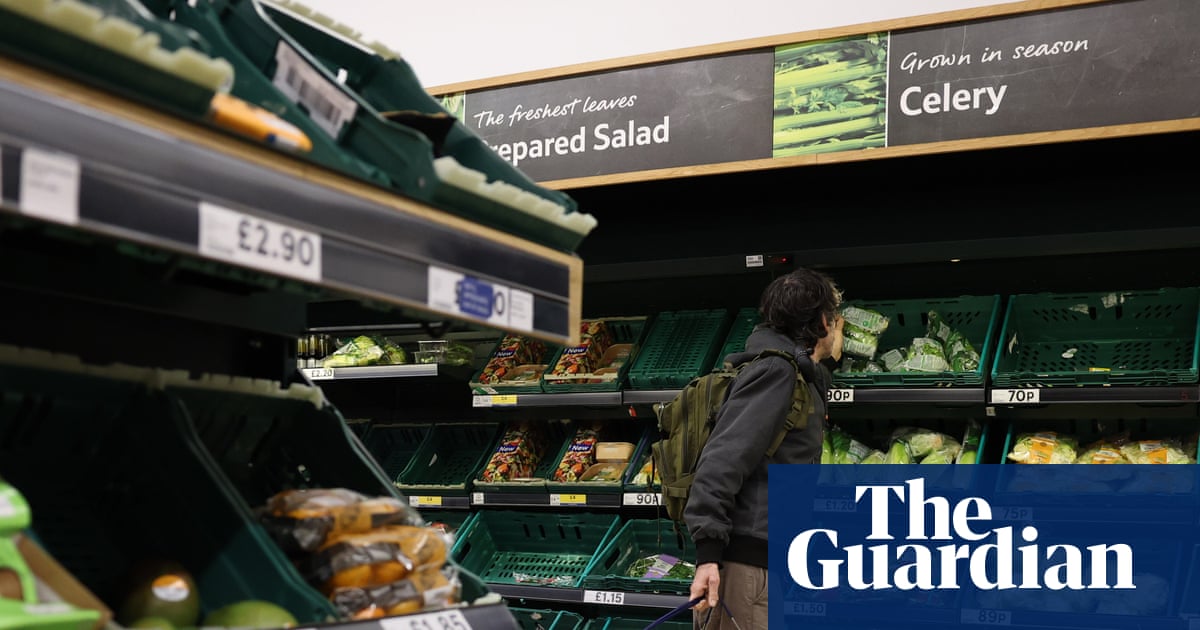
1 day agoYour produce bill is about to get pricey as the Iran war jacks up US food costs
"Fresh food and perishables are almost like the canary in the coal mine," when energy prices go up, according to Vidya Mani, an associate professor at the University of Virginia's Darden School of Business.
Agriculture

fromThe Nation
2 weeks agoIs Your Diet a Little Bit Fascist?
You may have heard that organic vegetables are right-wing now. That raw milk is the gateway to MAGA. That supplements are for fascists. You may be unsure just how this happened. It seems like only yesterday that vegetables were for hippies; that eco-communists-not MAHA momfluencers-were spreading the good word of pesticide-free potatoes.
Right-wing politics
London food
fromwww.theguardian.com
3 weeks agoA corner of north London where food has become a battleground in the Israel-Gaza war | Jonathan Liew
A Palestinian supper club in north London serves traditional cuisine while raising funds for Gaza aid, creating community connection through food and cultural preservation.
fromwww.theguardian.com
1 week agoTrump provides new aid for farmers and food suppliers amid Iran war
From Minnesota to Mississippi we're lifting up our hard working farmers and ranchers and growers and we're putting more money in American pockets. We're going to prove that the golden age of American agriculture is right here and right now.
Agriculture
World politics
fromwww.theguardian.com
3 weeks agoThe Guardian view on the cost of Trump's war on Iran: the world's poor will pay most dearly | Editorial
US-Israeli attacks on Iran triggered a global energy crisis, causing soaring oil prices, supply disruptions, and severe humanitarian consequences disproportionately affecting the world's poorest populations.
#supply-chain-disruption
Agriculture
fromwww.theguardian.com
2 weeks agoAfrica particularly vulnerable as Iran conflict disrupts supply chains, say experts
Middle East conflict disrupts fertiliser supplies to Africa through the Strait of Hormuz, threatening food security and increasing costs for vulnerable populations dependent on imports.
Environment
fromNature
1 month agoClimate change and geopolitics threaten water supplies - but disaster is not inevitable
Global water systems face crisis from overuse, pollution, and climate change, requiring urgent strengthening of international water-sharing treaties with dynamic monitoring systems.
World news
fromwww.aljazeera.com
3 weeks agoHunger is looming over Yemen, urgent action is needed
Yemen faces its worst food security crisis since 2022, with 18 million people projected to face worsening food insecurity in early 2026, and famine conditions expected to emerge in four districts within two months.
Food & drink
fromwww.theguardian.com
1 month agoWhy food justice isn't being served in America
Food justice advocates often misrepresent South Central Los Angeles as a resource-depleted food desert lacking grocery stores and knowledgeable residents, contradicting anthropological research documenting abundant food retail and community food practices.
#gaza-humanitarian-crisis
Berlin food
fromwww.theguardian.com
1 month agoWe'll run out of food this week': how attacks on Iran leave Gaza under siege
Israel's closure of all Gaza crossings during its Iran attack has triggered immediate food shortages, with humanitarian organizations running out of supplies within days and prices for staples tripling.
fromwww.aljazeera.com
2 weeks agoNot just energy: How the Iran war could trigger a global food crisis
Nearly half of the world's traded urea—the most widely used fertiliser—and large volumes of other fertilisers are exported from Gulf countries via the Strait of Hormuz, making global agriculture highly exposed to any disruption there. Recent disruptions to gas supplies and shipping have already forced fertiliser plants, which use natural gas to manufacture fertiliser, in the Gulf and beyond to shut or cut their output.
Agriculture
Agriculture
fromwww.dw.com
3 weeks agoIran war could spark the next global food crisis
The Iran conflict threatens global food security by disrupting fertilizer exports from the Gulf, which supplies nearly half of world-traded urea and 20% of key fertilizers, risking crop yields for nitrogen-dependent staples.
fromBuzzFeed
2 months ago22 Everyday Foods That Have Gotten So Expensive In America, It's Making Me Think It Might Be Time For A Revolution
A 72-count box of store-brand K-Cups is almost $30. A 64-ounce bottle of coffee creamer is almost $8. A 4-pound bag of sugar (shrinkflation; it used to be 5 pounds) is almost $10. These aren't luxuries.
Real estate

#agricultural-policy
Agriculture
fromRealagriculture
3 weeks agoAg Policy Exchange: Finding common ag policy ground among countries in a divided world
Global agriculture faces interconnected geopolitical, economic, and environmental challenges requiring sustainable, resilient, and affordable food systems through coordinated international policy approaches.
fromwww.npr.org
2 months agoAbout Us: Global Health and Development
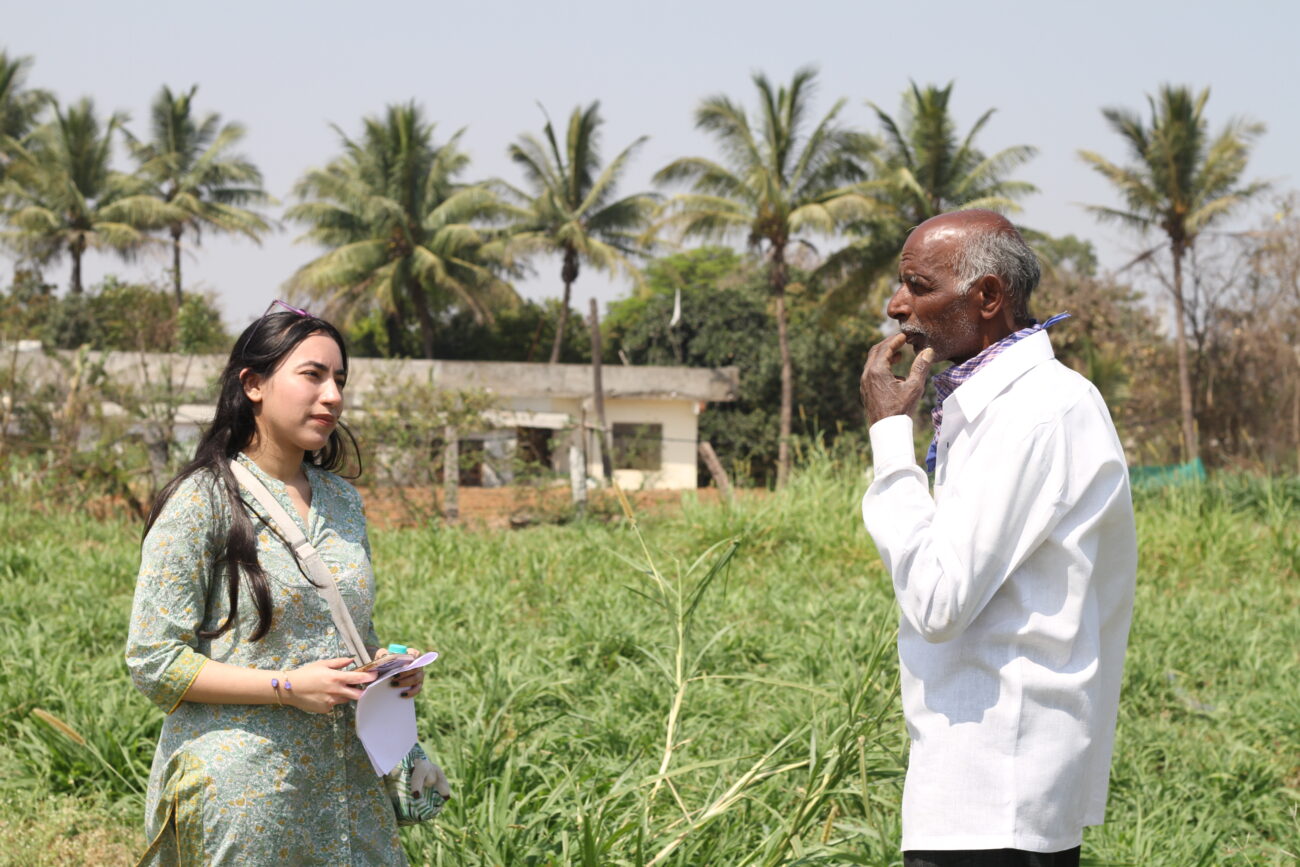
NPR's global health and development team tells stories about life in our changing world, focusing on low- and middle-income countries also referred to as the Global South. And we keep in mind that we're all neighbors in this global village. NPR receives financial support for this team from the Gates Foundation. NPR is solely responsible for all content. Find more about NPR's standards and practices at NPR.org/ethics, as well as a list of our philanthropic supporters in our annual report.
Public health


fromNature
2 months agoDeveloping super-tortillas to address malnutrition in Latin America
The humble tortilla is an iconic food staple in Mexico. Everyone eats them, regardless of age or income. The ingredients for the tortilla I was frying in this photo have been fermented to include probiotics and prebiotics for gut health. My research focuses on developing such fermented nutraceuticals - nutritious products with pharmaceutical benefits - to help improve people's metabolic health and combat the malnutrition prevalent in some of Mexico's poorest communities.
Food & drink
Food & drink
fromenglish.elpais.com
2 months agoA recipe for resistance: Indigenous peoples politicize their struggles from the kitchen
Indigenous food cultures preserve biodiversity, seed sovereignty, and traditional techniques, resisting homogenizing Western diets through communal knowledge, cultivation, fishing, and shared recipes.
fromFortune
2 months agoHow to fight child hunger in a time of foreign aid cuts | Fortune
Already, 2026 is proving to be a challenging year for global hunger. Last year, the global development sector faced enormous upheavals, with the United States and other donor countries slashing aid budgets even as low-income countries struggled with debt burdens. Steep aid cuts have exacerbated existing food security crises-whether from Russia's war with Ukraine disrupting international food supplies or farmers losing tens of billions of dollars due to climate change.
World news


fromTruthout
2 months agoIn Gaza, We're Struggling to Reintroduce Foods to Bodies Adjusted to Starvation
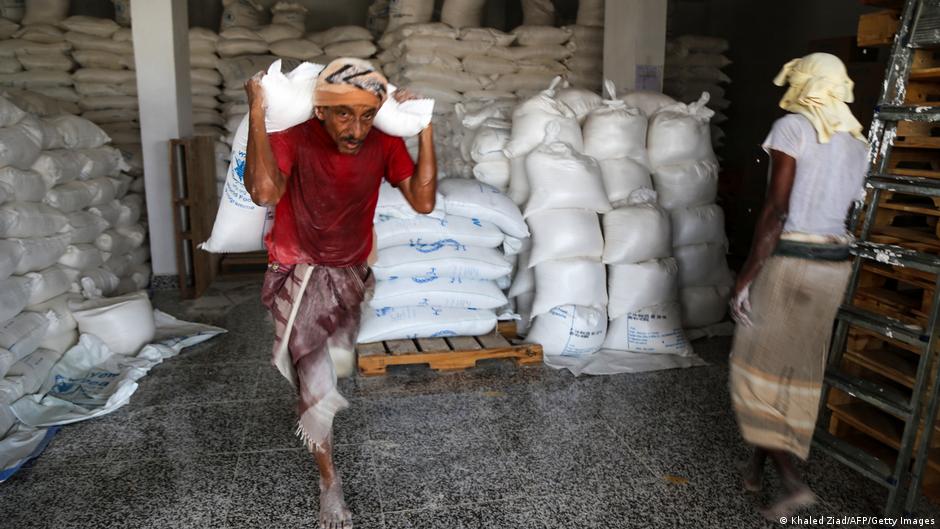
Since October's ceasefire, which meant Israel would allow some - but not nearly enough - aid trucks to enter our besieged Strip, people in Gaza have desperately been eating, whenever possible, what they had been deprived of previously. Yet, as a result, many have developed " refeeding syndrome," which is a serious medical condition. Refeeding syndrome occurs when food is suddenly reintroduced after a prolonged period of starvation - and Israel has subjected those of us in Gaza to such periods on multiple occasions.
World news
fromwww.aljazeera.com
2 months agoSudan food aid at risk of running dry, UN warns
Food aid to war-torn Sudan could run out within months unless hundreds of millions of additional dollars are pledged, the United Nations has warned. Marking more than 1,000 days of the country's civil war, the UN's World Food Programme on Thursday issued a plea for $700m to fund its work in Sudan. The money is needed to prevent what it says is already the world's worst hunger and displacement crisis from getting worse.
World news
fromNature
1 month agoHow to rescue the aid industry: focus on conflict prevention, not just relief
In 2025, the administration of US President Donald Trump ordered the US Agency for International Development to be closed; this year, it withdrew the country from 66 international organizations. Other Western nations that are plagued with high levels of debt and pressure to prioritize domestic challenges have slashed their foreign aid, too. According to projections, official development assistance dropped by 9-17% in 2025, amounting to some US$55 billion.
World news
[ Load more ]