#force-feeding
#force-feeding
[ follow ]
#ultra-processed-foods #dietary-guidelines #public-health #nutrition #nutrition-policy #food-security



fromThe Nation
2 weeks agoIs Your Diet a Little Bit Fascist?
You may have heard that organic vegetables are right-wing now. That raw milk is the gateway to MAGA. That supplements are for fascists. You may be unsure just how this happened. It seems like only yesterday that vegetables were for hippies; that eco-communists-not MAHA momfluencers-were spreading the good word of pesticide-free potatoes.
Right-wing politics
Medicine
fromwww.theguardian.com
2 weeks agoThe Guardian view on weight-loss jabs and addiction: there is too much moralising about these remarkable medicines | Editorial
Weight-loss drugs show promise in reducing addiction risk, suggesting they may address shared biological mechanisms between food and drug cravings in the brain.
UK politics
fromwww.independent.co.uk
4 weeks agoWeight-loss jabs alone are the wrong answer' to obesity crisis, Chris Whitty says
Weight-loss drugs alone cannot solve the UK's obesity crisis; addressing food marketing and nutrition requires comprehensive policy approaches beyond pharmaceutical interventions.
Parenting
fromSlate Magazine
1 month agoThe Trait We Hate Most in Our Kids Didn't Exist 100 Years Ago. I Know Where We Went Wrong-and How to Fix It.
Dr. Spock regretted his permissive feeding advice, which was misinterpreted as endorsing unrestricted junk food consumption, contributing to deteriorating American children's diets.
fromNatural Health News
3 months agoCalifornia Moves to Eliminate Ultraprocessed Foods from School Lunches - by 2035
California's "Real Food, Healthy Kids Act" represents the first law in the U.S. to define and ban ultraprocessed foods (UPFs) from public school lunches. As reported by CNN, the bill requires scientists and public health experts to determine which ingredients and additives are most damaging to children's health. These "foods of concern" will then be systematically phased out of school meal programs that serve over 1 billion lunches annually.
Alternative medicine
#dietary-guidelines
Public health
fromCornell Chronicle
3 weeks agoNutrition policy scholar Marion Nestle to speak March 19 | Cornell Chronicle
The 2025-2030 Dietary Guidelines for Americans prioritize political messaging over scientific evidence, departing from established norms of transparency and ignoring independent advisory committee recommendations.


Public health
fromCornell Chronicle
3 weeks agoNutrition policy scholar Marion Nestle to speak March 19 | Cornell Chronicle
The 2025-2030 Dietary Guidelines for Americans prioritize political messaging over scientific evidence, departing from established norms of transparency and ignoring independent advisory committee recommendations.
#food-insecurity


Online Community Development
fromStreetsblog
1 month agoHow the 'Little Free Pantry' Can Help Feed the Hungry Without Requiring Them to Drive - Streetsblog USA
Micro-pantries are small, community-maintained food compartments addressing food insecurity for people without reliable transportation to traditional food banks.
Food & drink
fromwww.theguardian.com
1 month agoWhy food justice isn't being served in America
Food justice advocates often misrepresent South Central Los Angeles as a resource-depleted food desert lacking grocery stores and knowledgeable residents, contradicting anthropological research documenting abundant food retail and community food practices.
Food & drink
fromFast Company
1 month agoWhy are Europeans eating more plant-based meat than Americans? It's not why you think
Major European and UK supermarkets are deliberately shifting shoppers toward plant-based proteins, driving strong private-label sales and reducing food-related carbon footprints.
fromwww.bbc.com
1 month ago'I thought I was going to die' - Woman calls for tighter weight-loss jabs checks
Emma Dyer remembers the moment she clicked "buy now" on a set of weightloss jabs she found online. She had no medical consultation, no ID checks, and no questions about her history of anorexia and bulimia. "It was just so easy - too easy," she says. "They never asked for my medical history or what medication I was taking. It was like buying groceries."
Health


fromwww.theguardian.com
2 months agoHumanity's favourite food': how to end the livestock industry but keep eating meat
For someone aiming to end the global livestock industry, Bruce Friedrich begins his new book called Meat in disarming fashion: I'm not here to tell anyone what to eat. You won't find vegetarian or vegan recipes in this book, and you won't find a single sentence attempting to convince you to eat differently. This book isn't about policing your plate.
Environment
fromwww.theguardian.com
2 months agoThe rise of beef days': why even meat lovers are cutting back
John did not want to give up beef entirely, but he feared the impact of the beef industry on the Paris agreement's limit of 1.5C of post-industrial global heating and the devastating effects of beef farming on deforestation. He compared the overconsumption of beef to the coolness of tobacco back in the day: Norms feel permanent, but norms can change and when they do it can be powerful, he said.
Environment
fromBuzzFeed
2 months agoPeople Are DRAGGING The Secretary Of Agriculture Over Her Very, Very Weird Budget Dinner Idea
I think the question you're asking, and it's a really important one, is while we're asking Americans to reconsider what they're eating, are we actually asking Americans - especially those who are living on the margins - are we asking them to spend more on their diet? And the answer to that is 'no.
US politics
fromThe Verge
2 months agoRFK Jr.'s new food pyramid could be a disaster for the environment - if Americans actually pay any attention to it
The Trump administration announced last week that it wants Americans to consume more protein, churning out a colorful illustration of an inverted food pyramid that prominently features a big, red steak, a wedge of cheese, and a carton of whole milk at the top and claiming it's "ending the war on protein." It may seem like another example of cartoonish propaganda from an administration that essentially runs on memes, but don't be fooled: It signals a marked turn from previous advice that encouraged Americans to limit high-fat sources of protein like red meat and whole milk for their health, which can incidentally also curb planet-heating pollution from the beef and dairy industries.
Environment
fromPsychology Today
1 month agoWhat Is Meat? It's Probably Not What You Thought
I'm thrilled I did, and my learning curve was vertical in this page-turning work that "offers a hopeful and rigorously researched exploration of how science, policy, and industry can work together to satisfy the world's soaring demand for meat, while building a healthier and more sustainable world." There is nothing "radical" about what likely will become a classic, one that is already endorsed by experts in global hunger, global health, climate change, and food security.
Food & drink
fromFast Company
2 months agoWhy an all-foods-fit approach to nutrition is better than dieting, according to a dietitian
Diet culture norms have led to a multibillion-dollar industry promoting diets that each come with their own set of rules, with each claiming it's the only way to be healthy or lose weight. When access to nutrition information is at an all-time high online, people are often left digging through conflicting information when trying to figure out what to eat or what a healthy diet look likes.
Health
US politics
fromFuturism
1 month agoUS Government Deploys Elon Musk's Grok as Nutrition Bot, Where It Immediately Gives Advice for Rectal Use of Vegetables
A government dietary site deployed Elon Musk's Grok, which produced inappropriate and unsafe food-insertion recommendations, raising concerns about AI suitability for official guidance.

fromwww.theguardian.com
2 months agoThe Guardian view on food security: Britain can no longer trust markets alone | Editorial
Food policy across much of the world is changing. But not in Britain. That may be a costly mistake as the prices of essentials rise because of the climate emergency, geopolitical tensions and the fragility of just-in-time supply chains. Many capitals are now reviving their strategic food reserves. European nations such as Sweden, Finland, Norway and Germany are rebuilding stocks dismantled after the cold war.
Food & drink
Public health
fromWashingtonian - The website that Washington lives by.
1 month agoHow 'Food Is Medicine' Movement Is Reducing Cost of Living
Medically tailored food programs increase access to fresh produce for food-insecure people with chronic diet-related diseases, and pilots aim to scale and evaluate veteran-targeted interventions.
US politics
fromFast Company
2 months agoThe Trump administration just gave the food pyramid a Sweetgreen makeover
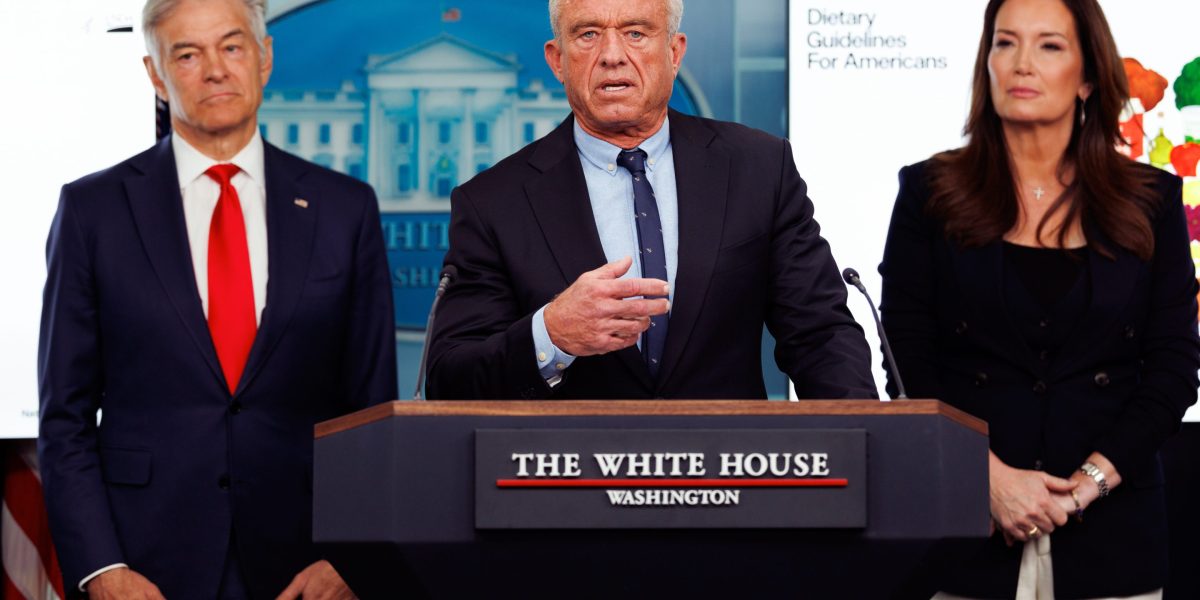
The administration replaced the USDA's six-section food pyramid with a three-section inverted pyramid emphasizing whole or minimally processed foods: proteins/dairy/fats, fruits/vegetables, whole grains.

Food & drink
fromenglish.elpais.com
2 months agoThe world against vegans: can the movement withstand the reactionary wave and its own crisis of faith?
Veganism faces a modest decline with qualitative shifts: some businesses and high-profile individuals reintroducing animal products while overall veggie numbers remain largely unchanged.
Public health
fromLondon Business News | Londonlovesbusiness.com
2 months agoGovernment ban on food advertising is misguided, says consumer group - London Business News | Londonlovesbusiness.com
UK ban on pre-9pm TV and online junk-food advertising restricts consumer choice and free expression, harms small businesses, and sets a dangerous regulatory precedent.
[ Load more ]