#ford-class-supercarriers
#ford-class-supercarriers
[ follow ]
#us-navy #iran #uss-gerald-r-ford #us-military #military-technology #strait-of-hormuz #maritime-security
#us-navy

World politics
fromLondon Business News | Londonlovesbusiness.com
4 days agoPentagon criticises UK's 'big, bad Royal Navy' for 'refusing to get involved with Iran' - London Business News | Londonlovesbusiness.com
The US Secretary of War criticizes the UK for not deploying naval resources to the Strait of Hormuz amid rising tensions.
Artificial intelligence
fromwww.businessinsider.com
1 week agoThe US Navy is pouring almost $1 billion into automating submarine production amid skilled worker shortages
The US Navy is investing $900 million in automated factories to enhance production of parts for nuclear submarines amid workforce shortages.
#f-15e
World news
fromLondon Business News | Londonlovesbusiness.com
1 day agoPentagon confirms fighter jet shot down over Iran as rescue mission underway - London Business News | Londonlovesbusiness.com
An F-15E Strike Eagle was shot down over Iran, initiating a combat search and rescue operation for its two crew members.
World news
fromLondon Business News | Londonlovesbusiness.com
1 day agoFootage shows US fighter jet being shot down as Iran 'put bounty on pilots' - London Business News | Londonlovesbusiness.com
The search for a downed F-15E Strike Eagle intensifies in Iran amid escalating tensions between American and Iranian forces.
fromBoston.com
1 week agoFirst submarine named after Massachusetts joins the Navy fleet
To be able to take a ship from new construction and watch it be built together by the ship yard, train with our team and bring into Boston Harbor for the first time, it's very amazing. I looked at the history books. I don't think we've had a submarine in Boston Harbor since sometime in the late '80s or early '90s.
Boston
#us-military
World news
fromLondon Business News | Londonlovesbusiness.com
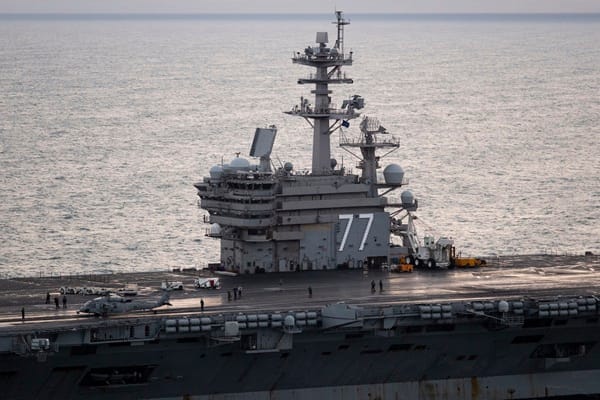
3 days agoUS deploys third aircraft carrier strike group to Middle East - London Business News | Londonlovesbusiness.com
The U.S. is deploying an additional aircraft carrier strike group to the Middle East, increasing military presence amid rising tensions with Iran.
Roam Research
fromLondon Business News | Londonlovesbusiness.com
1 week agoUS deploys robotic uncrewed speedboats to counter Iran's attack boats - London Business News | Londonlovesbusiness.com
Robotic speedboats enhance U.S. naval operations in the Gulf, providing a cost-effective and strategic response to threats from Iran.
#uss-gerald-r-ford


US news
fromwww.theguardian.com
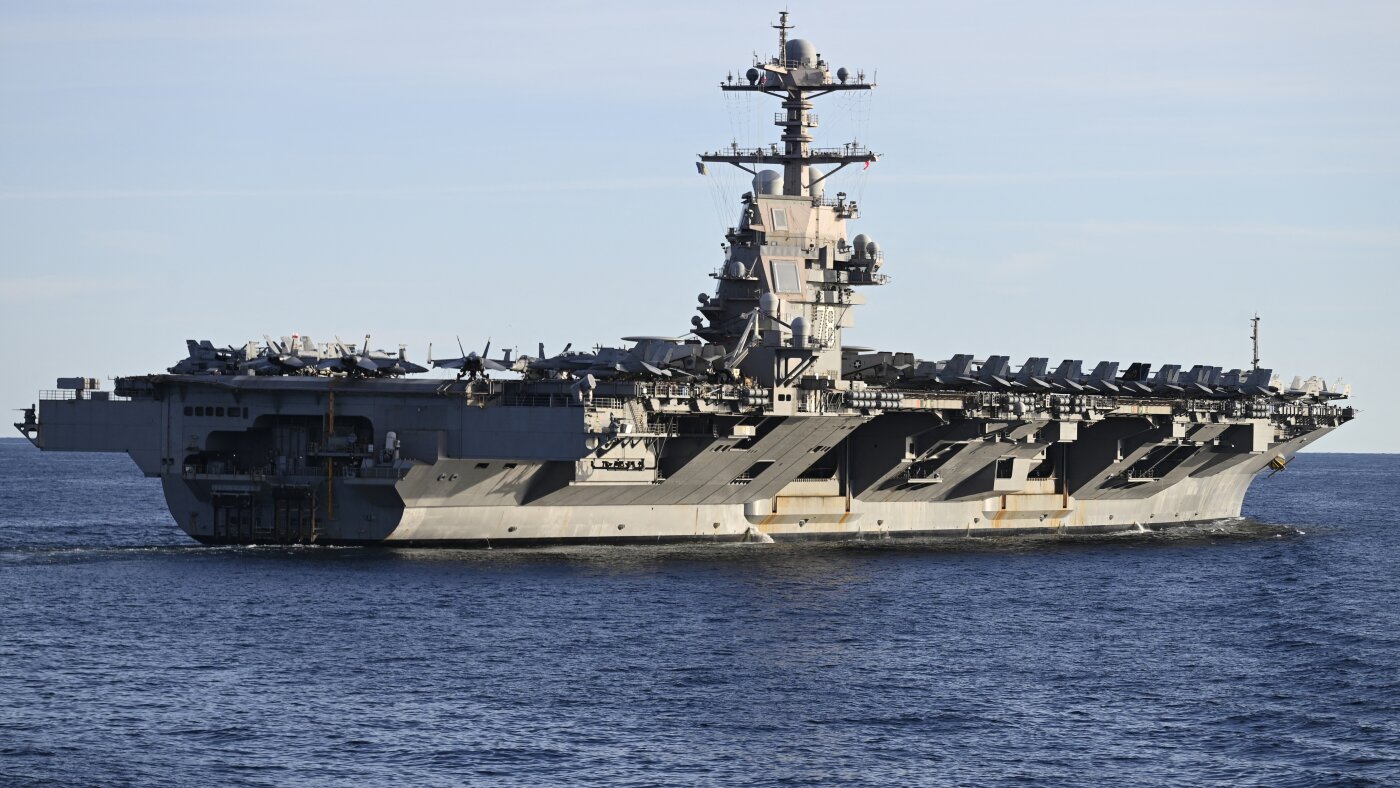
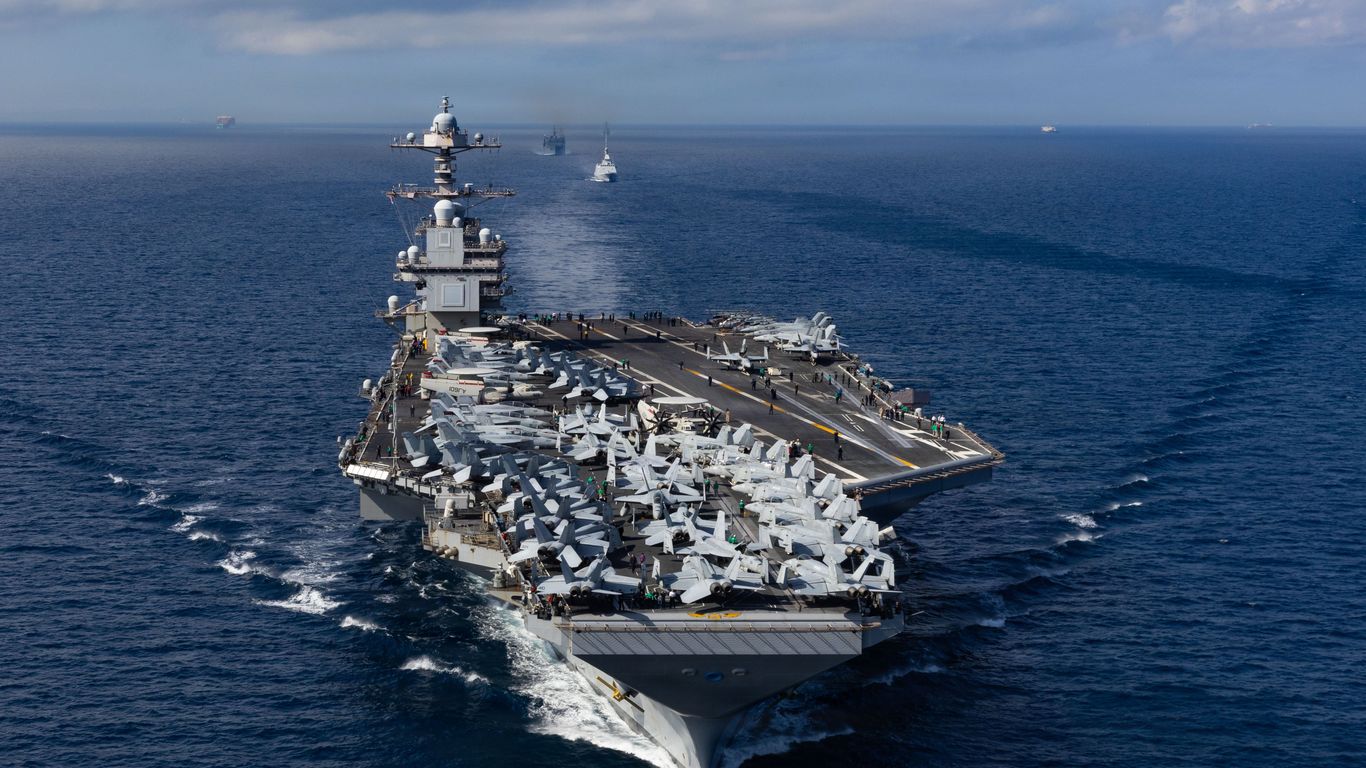
2 weeks agoFire damage, clogged toilets, and sinking morale: USS Gerald R Ford to set sails for repairs in Crete
A fire aboard the USS Gerald R Ford injured sailors and destroyed 100 beds, adding to mounting problems during a nine-month deployment that has raised crew morale and readiness concerns.
fromwww.businessinsider.com
1 day agoThe US is burning through expensive missiles. DARPA is looking for cheaper ones that can be built in days, not months.
"To accelerate current weapons development timelines, DARPA is considering an alternative development paradigm to increase the nation's magazine depth and breadth."
World news
History
from24/7 Wall St.
2 weeks ago25 Weapons That Changed Warfare Over the Last Century
Technological breakthroughs over the last century transformed warfare by introducing tanks, missiles, stealth aircraft, and precision-guided weapons that forced armies to continuously adapt tactics and reshape military doctrine globally.


Miami Marlins
fromBusiness Insider
3 weeks agoUS Navy destroyers are firing top interceptors to bring down Iranian missiles flying into NATO airspace
US Navy destroyers in the Eastern Mediterranean have used SM-3 interceptors three times in two weeks to defend NATO airspace against Iranian ballistic missiles.
Intellectual property law
fromPatently-O
4 weeks agoSoak and Pounce: 1920's Style Submarine Patents
Patent applicants historically delayed filing divisional applications to allow competitors to independently develop inventions, then emerged with claims to capture those market investments through interference proceedings.
fromTheregister
3 weeks agoRoyal Navy races to arm ships against drone threat
The RFI calls for a "rapidly procured and installable Counter UAS (unmanned aircraft system) capability" that is "suitable for maritime platforms to detect, track, identify, and defeat airborne threats." Project TALON will combine a mix of "effectors" both kinetic and non-kinetic to counter the threats posed by the proliferation of drones, and is intended to complement current complex missile-based systems.
London startup
fromThe Local France
4 weeks agoFrance deploys helicopter carrier to Mediterranean
An amphibious helicopter carrier has been deployed in the Mediterranean to reinforce the presence of the French armed forces in the context of the Middle East crisis. A similar ship was sent off the shore of Lebanon as a precautionary measure to help with repatriations if needed during the 2024 war between Israel and Lebanese militant group Hezbollah.
France politics
Science
fromLondon Business News | Londonlovesbusiness.com
4 weeks agoUS Navy Use Laser Weapons During Operation Epic Fury - London Business News | Londonlovesbusiness.com
The US military deployed advanced weapons including HELIOS laser systems, heat-tracking satellites, and cyber tools during Operation Epic Fury to intercept Iranian missiles and drones.
fromThe Washington Post
1 week agoU.S. uses hundreds of Tomahawk missiles on Iran, alarming some at Pentagon
The U.S. military has fired more than 850 Tomahawk cruise missiles in four weeks of war with Iran, burning through the precision weapons at a rate that has alarmed some Pentagon officials.
World news
fromBusiness Insider
1 month agoChina is moving toward all-nuclear submarine construction in a major strategic shift, US Navy intel chief says
The PLAN "is executing a significant strategic shift from diesel-electric to all-nuclear construction, representing a fundamental departure from historical construction patterns." Expanded investments at three shipyards, major construction efforts, and infrastructure upgrades have increased China's nuclear submarine production rate from less than one boat a year "to significantly higher rates."
World politics
from24/7 Wall St.
1 month agoThe Most Powerful Battleships, Aircraft Carriers, and Submarines of World War II
WWII began with most naval powers still believing the battleship ruled the seas. Fleets were built around heavily armored ships with massive guns meant to destroy enemy navies in decisive surface battles. By the war's end, that thinking had changed dramatically. Aircraft carriers could strike targets hundreds of miles away, while submarines choked off supply lines across entire oceans.
History
fromBusiness Insider
2 weeks agoTop admiral says US forces are hitting more than Iranian warships. They're destroying mines, drone boats, and torpedoes too.
The US military is broadly targeting Iran's naval combat capabilities, expanding strikes beyond just warships to mines, drone boats, and torpedoes, the admiral overseeing the Middle East operations said on Monday. Adm. Brad Cooper, head of US Central Command, reiterated in a video statement that eliminating Iran's naval threats is one of three military objectives of the American strike campaign.
World news
World news
fromLondon Business News | Londonlovesbusiness.com
3 weeks agoRoyal Navy aircraft carrier may need allies to protect it - London Business News | Londonlovesbusiness.com
HMS Prince of Wales has been placed on five-day deployment alert for potential Middle East operations amid escalating regional tensions, though the Royal Navy faces challenges assembling a full carrier strike group without allied support.
fromBusiness Insider
2 months agoThe US Navy's next Ford-class supercarrier is setting sail for a new test at sea
The USS John F. Kennedy aircraft carrier is setting sail for a new test at sea, specifically its shipbuilder sea trials. It marks a major milestone for the US Navy's next supercarrier. The trials will be overseen by top shipbuilder Huntington Ingalls Industries, allowing for evaluations of the vessel before it's delivered to the Navy. Though the ship has gone through river-based propulsion testing, these trials are when the new warship leaves the yard and proves that it actually works at sea.
US news
fromLondon Business News | Londonlovesbusiness.com
2 months agoRoyal Navy launches crewless helicopter to track submarines - London Business News | Londonlovesbusiness.com
The Royal Navy said on Friday that they have launched a new full size crewless helicopter which is designed to track submarines and will undertake missions in the North Atlantic. Since Vladimir Putin launched a full-scale war in Ukraine the defence industry has been remodelled as most European government's have increased military spending. The helicopter named "Proteus" has completed a test flight and was part of a £60 million programme,
Tech industry
fromYanko Design - Modern Industrial Design News
1 month agoThe Navy's Batwing Fighter Jet Promises Mach 4 Speed... But It's Still Just A Concept - Yanko Design
David versus Goliath stories captivate us, especially when David brings a slingshot that looks like alien technology. Enter Stavatti Aerospace, a 25-person firm from Niagara Falls taking on Boeing and Northrop Grumman for one of the most lucrative defense contracts in naval aviation. Their weapon of choice? The SM-39 Razor, a fighter design so visually striking it demands a double-take. The triple-fuselage "Batwing" configuration breaks from a century of conventional aircraft architecture, presenting a form that's more science fiction than traditional aerospace engineering.
Science

from24/7 Wall St.
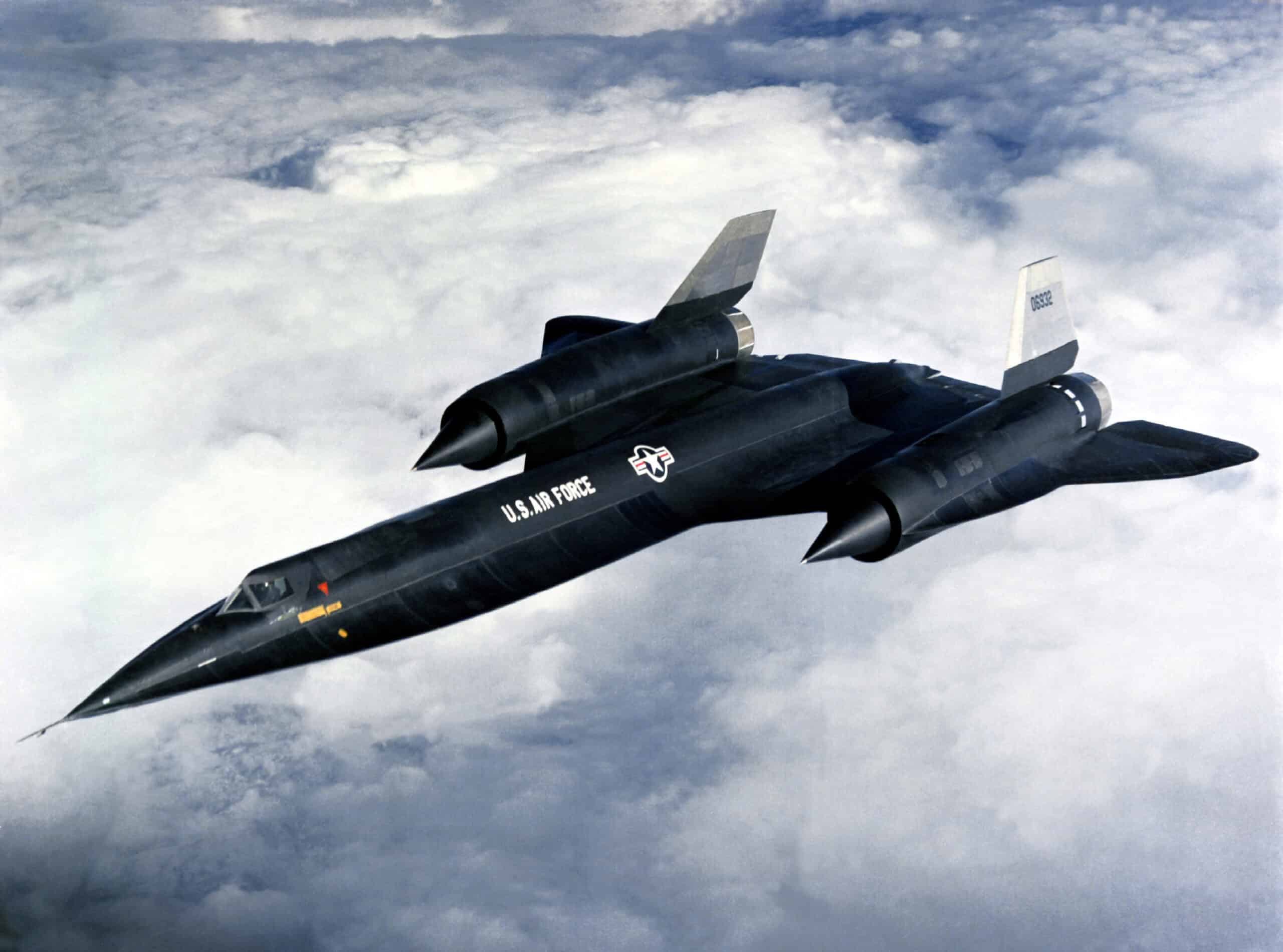
2 months agoMilitary Aircraft That Only Succeeded Because of Their Skilled Crews
Some aircraft succeeded even though they made life harder for the people flying them. They demanded constant attention, punished mistakes, and left little margin for error. Instead of relying on forgiving design, these platforms forced crews to compensate through skill, planning, and coordination. Over time, combat proved that the human element was the decisive factor behind their success. Here, 24/7 Wall St. is taking a closer look at these aircraft that embodied the human factor.
History
fromBusiness Insider
2 months agoShipbuilders put 3D printed parts on a US aircraft carrier and submarine. The Navy liked the results.
The US Navy is betting on 3D printing parts to speed up work on the fleet while also cutting costs after two wins last year, the service said recently. A Naval Sea Systems Command release said that additive manufacturing moved "from a promising capability to a warfighting capability in 2025." Two examples the Navy said were among the service's most significant achievements last year involved putting 3D-printed parts on its most in-demand and complex vessels.
World news
fromenglish.elpais.com
1 month agoUS shoots down Iranian drone approaching the aircraft carrier Abraham Lincoln'
This incident, the first armed confrontation between the two countries since June when Israel and the U.S. bombed Iran, comes amid a military escalation between Tehran and Washington. Last Friday, Donald Trump sent what he described as an armada to waters near Iran. The flagship of that military deployment is precisely the USS Abraham Lincoln, the carrier the drone was approaching when it was shot down by the F35.
World news
[ Load more ]