#free-fab-store-pack
#free-fab-store-pack
[ follow ]
#3d-printing #sustainability #diy #home-improvement #supply-chain #circular-economy #additive-manufacturing
#3d-printing
Typography
fromYanko Design - Modern Industrial Design News
13 hours agoSomeone Turned the "Cat Knocking Things Off Tables" Meme Into a 3D Printed Lamp and It's Perfect - Yanko Design
Cats knocking things off tables inspires a 3D-printed lamp design by Fabio Ferrari, capturing feline mischief in a functional object.


Typography
fromYanko Design - Modern Industrial Design News
13 hours agoSomeone Turned the "Cat Knocking Things Off Tables" Meme Into a 3D Printed Lamp and It's Perfect - Yanko Design
Cats knocking things off tables inspires a 3D-printed lamp design by Fabio Ferrari, capturing feline mischief in a functional object.
#stem-education
Science
fromYanko Design - Modern Industrial Design News
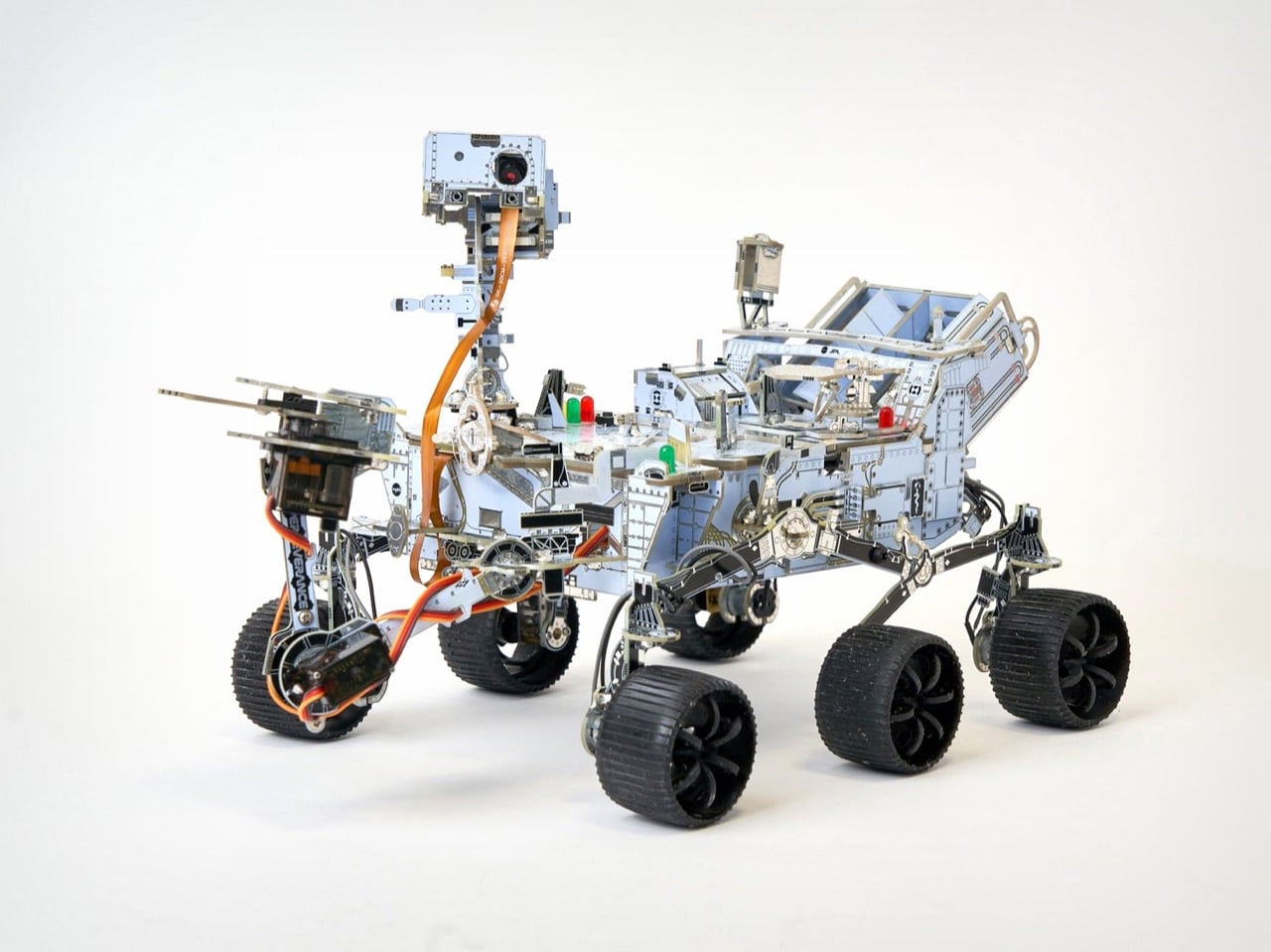
2 days agoThis $349 NASA Mars Perseverance Rover Kit Lets You Build an AI-Powered Mars Robot at Home - Yanko Design
CircuitMess offers a buildable AI-capable replica of NASA's Perseverance rover for $309, emphasizing hands-on learning and modular expansion.
Education
fromBrooklyn Paper
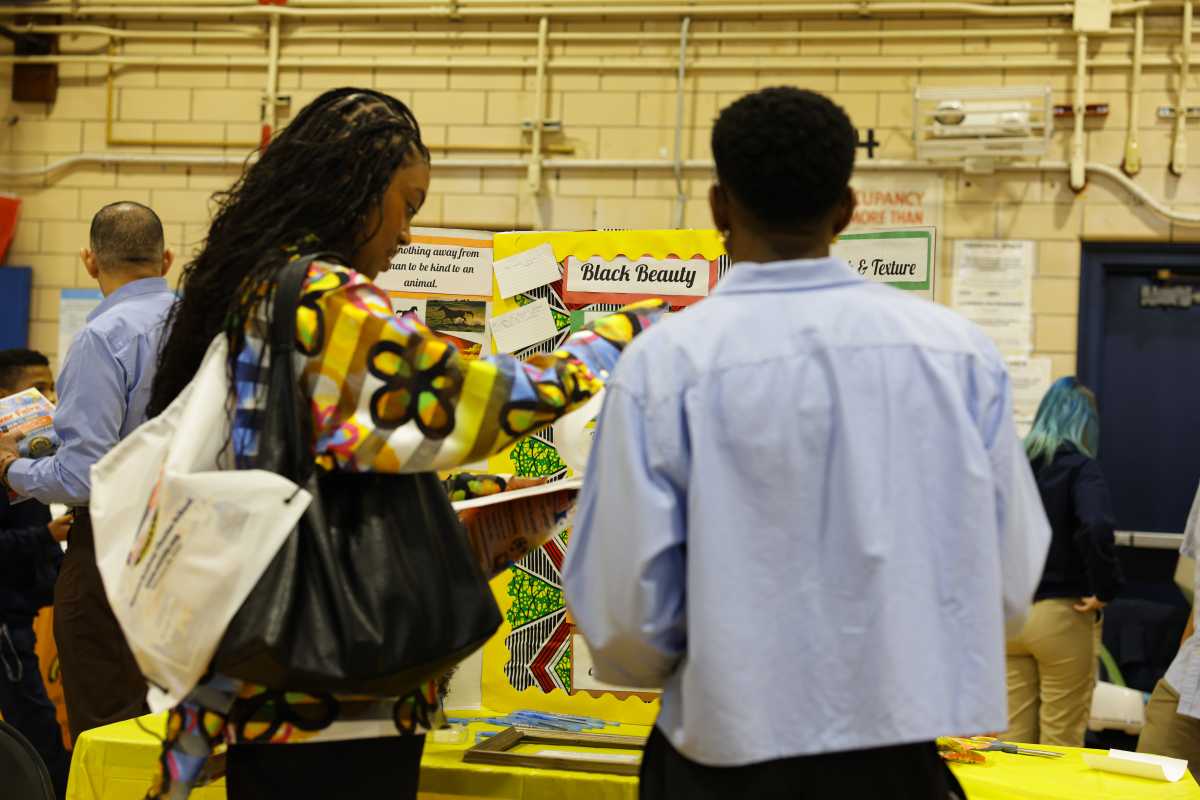
2 weeks agoSummit Academy Charter School hosts inaugural Maker Faire in Red Hook * Brooklyn Paper
Summit Academy Charter School hosted its inaugural Maker Faire to engage students in STEM, addressing underrepresentation of Black and Brown students in STEM fields and careers.

fromArchDaily
1 week agoDesigning for Obsolescence in an Age of Perpetual Upgrades
In the nineteenth century, entire railway networks became obsolete almost overnight, not due to physical deterioration, but because of changes in the technical standards that supported them. The expansion of railroads across Europe and North America adopted different track gauges, and as a dominant standard gradually emerged, these infrastructures became incompatible with one another.
Renovation
Fashion & style
fromEntrepreneur
2 weeks agoYoung Entrepreneurs Are Building Businesses Around 'Grandma Hobbies' and Demand Is Surging
Millennials and Gen Z entrepreneurs are building thriving businesses around analog hobbies like needlepoint, mahjong, and blacksmithing as an antidote to screen fatigue and digital burnout.
fromYanko Design - Modern Industrial Design News
2 weeks ago10 Best Camping Gadgets Every Design Snob Needs Before Spring Actually Convinces You to Go Outside - Yanko Design
The camping category has gone through a genuine design evolution. Products are emerging from studios that understand outdoor life not as a survival exercise but as an experience worth designing for.
Gadgets

Arts
fromArchDaily
1 month agoBuildFest Introduces "Acts of Construction," a Three-Year Exploration of Timber Installations
Bethel Woods launches BuildFest, a three-year initiative featuring large-scale timber installations and multimedia experiences on the historic 1969 Woodstock festival grounds, organized sequentially around construction, choreography, and performance themes.
Renovation
fromdesignboom | architecture & design magazine
4 weeks ago3D printed street furniture recycles concrete and brick waste from demolished urban villages
Construction waste from demolished urban villages is converted into 3D printable composite material containing up to 85% solid waste, creating functional urban furniture through a closed-loop production system.
UX design
fromYanko Design - Modern Industrial Design News
1 month agoThe First Screwdriver With an Open-Source Handle You Redesign Yourself - Yanko Design
A modular screwdriver with a titanium spine and customizable grip allows users to personalize tool design rather than accepting standardized ergonomic assumptions.
fromFuturism
1 month agoThe Economics of 3D Printed Homes Are Surprisingly Horrible
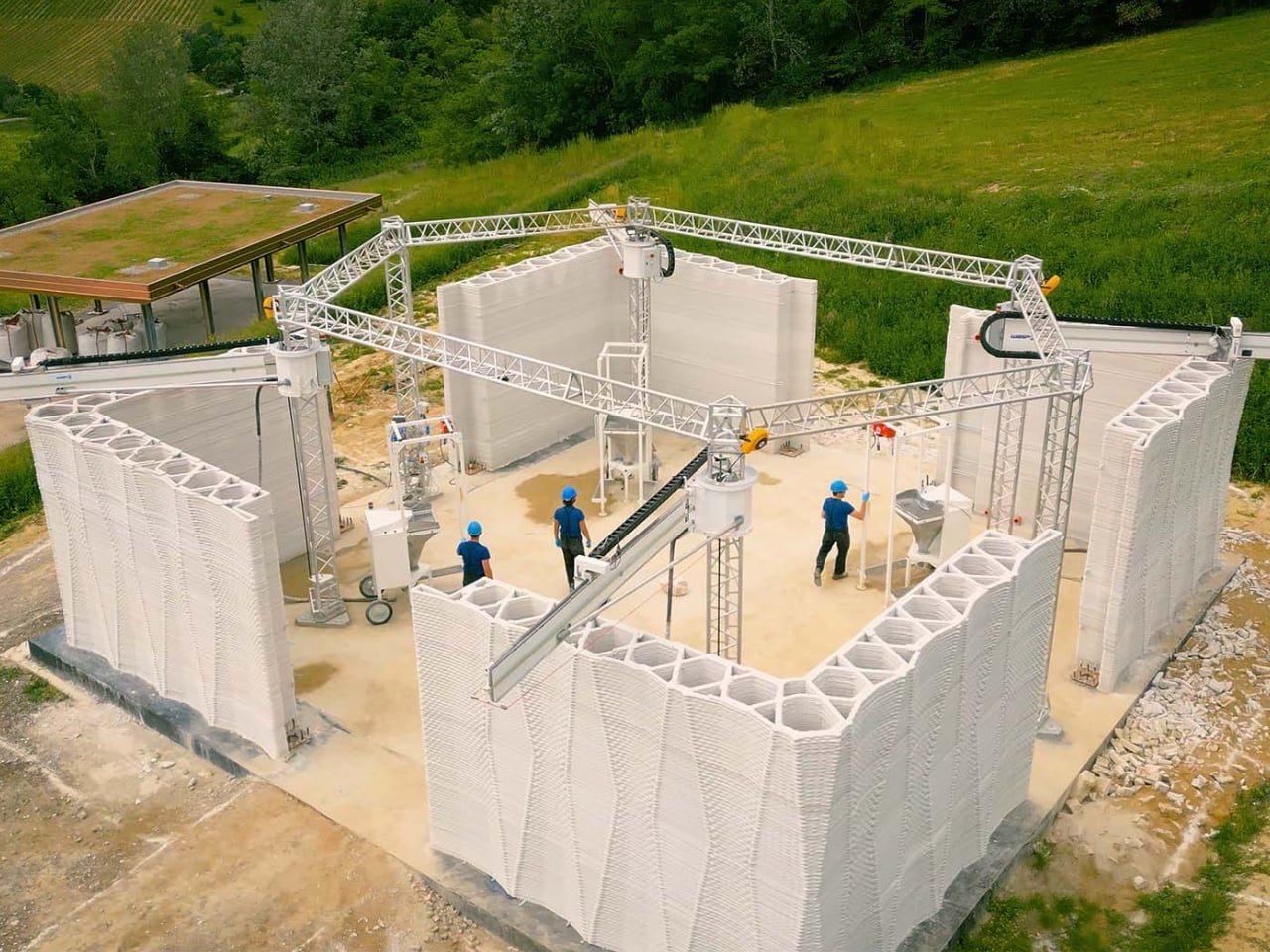
According to the outlet SlashGear, the neighborhood encompasses five 1,000-square-foot houses just north of Sacramento. Each domicile is produced by a hulking concrete printer worth about $1.5 million, which took about 24 days to spit out the first house. In the future, 4Dify expects the whole process to take about 10 days, but that isn't what's astonishing about the Yuba County neighborhood - it's the price tag.
Real estate
Design
fromArchDaily
3 weeks agoFacing the Age of Robots? Material Innovation in Architectural Structures
Robotic technology in construction extends beyond automation and cost reduction to fundamentally reshape architectural design, material experimentation, and construction methodologies through collaborative human-robot workflows.
fromYanko Design - Modern Industrial Design News
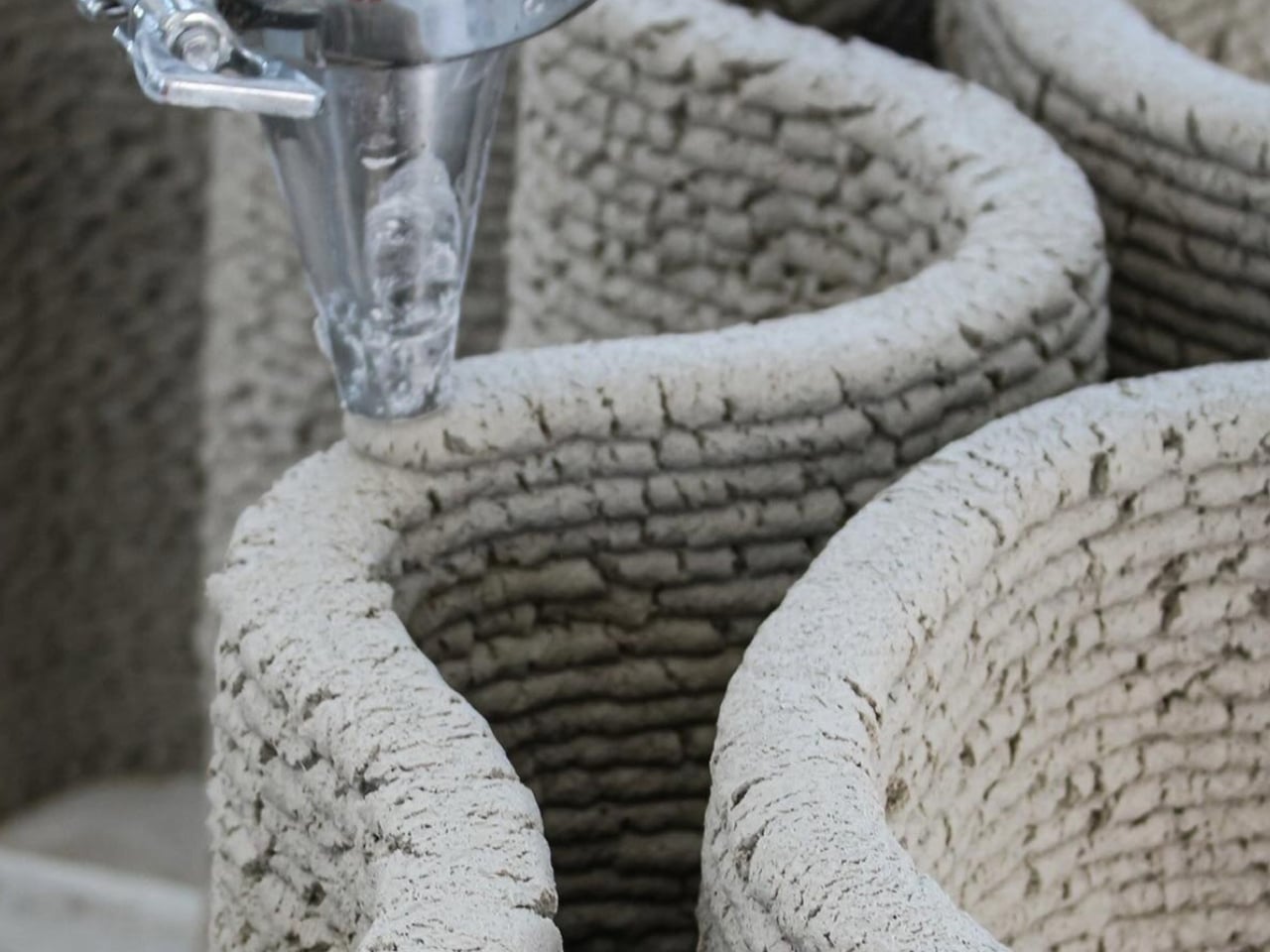
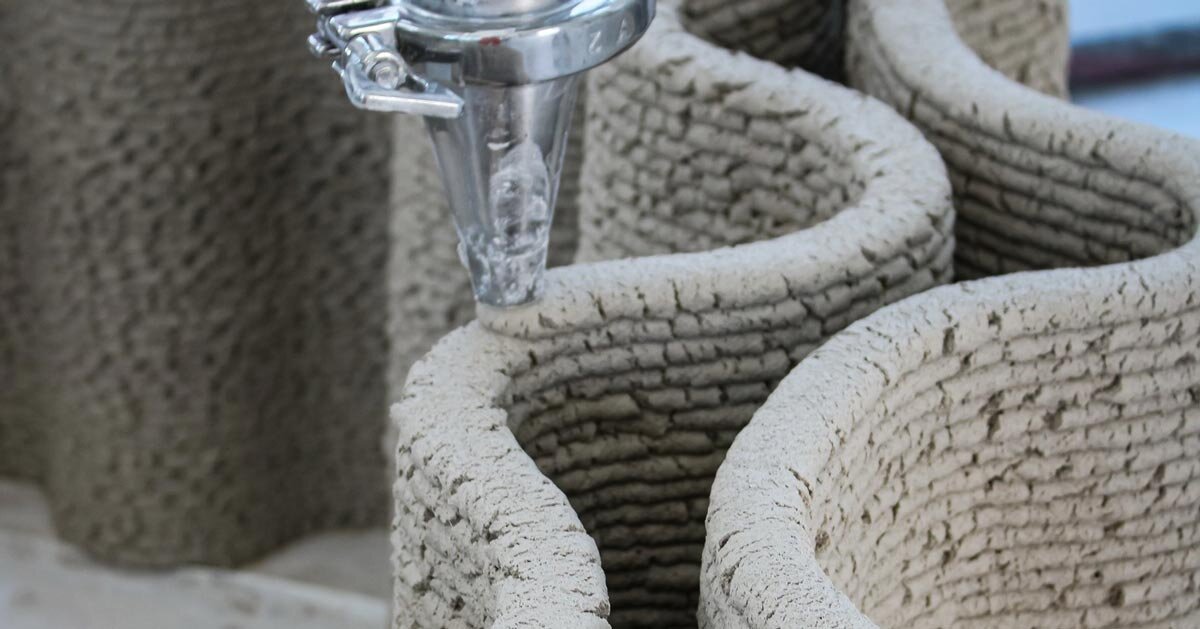
2 months ago5 Countries Just 3D-Printed Homes in Under a Week: The Future Is Here - Yanko Design
Traditional construction is often marked by inefficiencies like material waste, labor intensity, and long project timelines that push up the final cost per square foot. In contrast, 3D printing, or Additive Manufacturing in Construction (AMC), introduces a fundamentally different approach, shifting from subtractive to additive building processes. Its central ambition is to make housing more accessible by lowering material and labor costs while enabling faster delivery of structurally sound, architecturally considered homes.
Tech industry
fromEarth911
1 month agoGuest Idea: Wearing the Change-Transforming Coffee Pods Into Meaningful Jewelry
Each piece begins with used coffee pods collected from my community, materials that were never meant to last beyond a single use. Before any design work begins, the pods must be cleaned, sanitized, flattened, cut, folded, and shaped entirely by hand. They arrive dented, stained, and inconsistent, carrying the marks of their previous life. Learning how to work with those imperfections, rather than erasing them, was one of my first challenges.
Environment
fromFast Company
2 months agoThis startup helps enterprising resellers prevent nearly a million pounds of returns from ending up in landfills
Americans are likely to have spent a record $1 trillion-plus this holiday shopping season alone, and about $5.5 trillion in retail sales in all of 2025, according to estimates by the National Retail Federation. That includes many unhappy returns for retailers: And when it comes back to them, a lot of the $850 billion in returned merchandise is often cheaper to discard than to inspect, sort, and resell-adding millions of tons to landfills every year.
E-Commerce
Fashion & style
fromdesignboom | architecture & design magazine
1 month agofour typologies explores decentralized upcycling fashion factories in digital space
Digital spatial systems enable decentralized Garden Factory typologies and nonlinear upcycling workflows that support iterative, small-batch fashion production across multiple scales.
fromFuncheap
2 months agoFree Guided Tour of Ace Makerspace (Oakland)
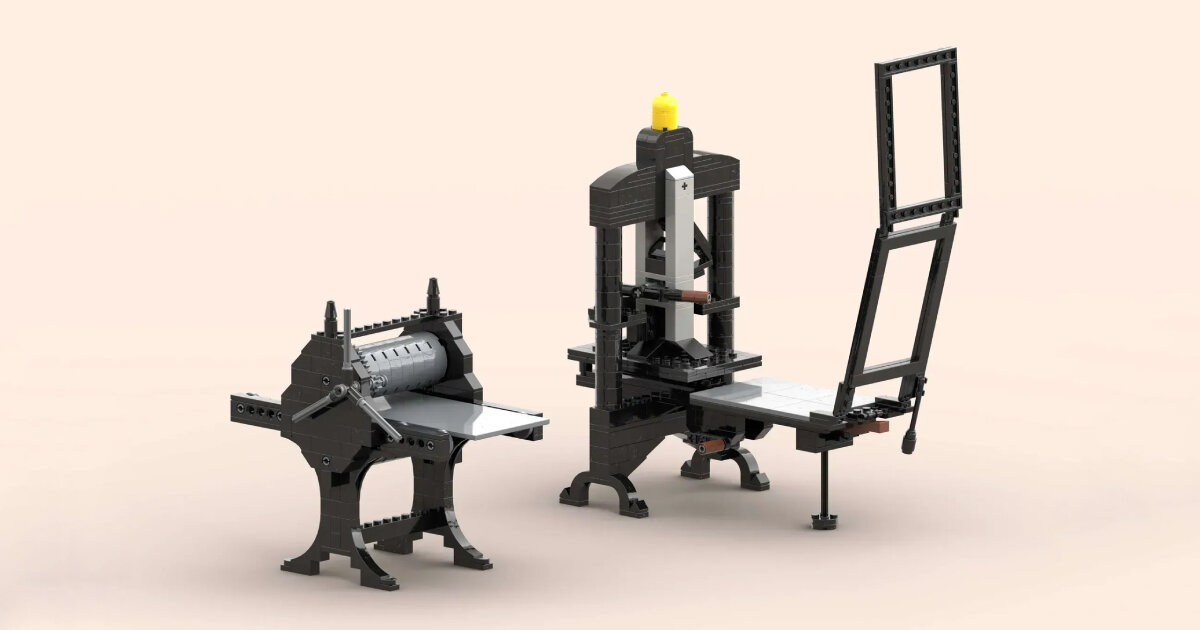
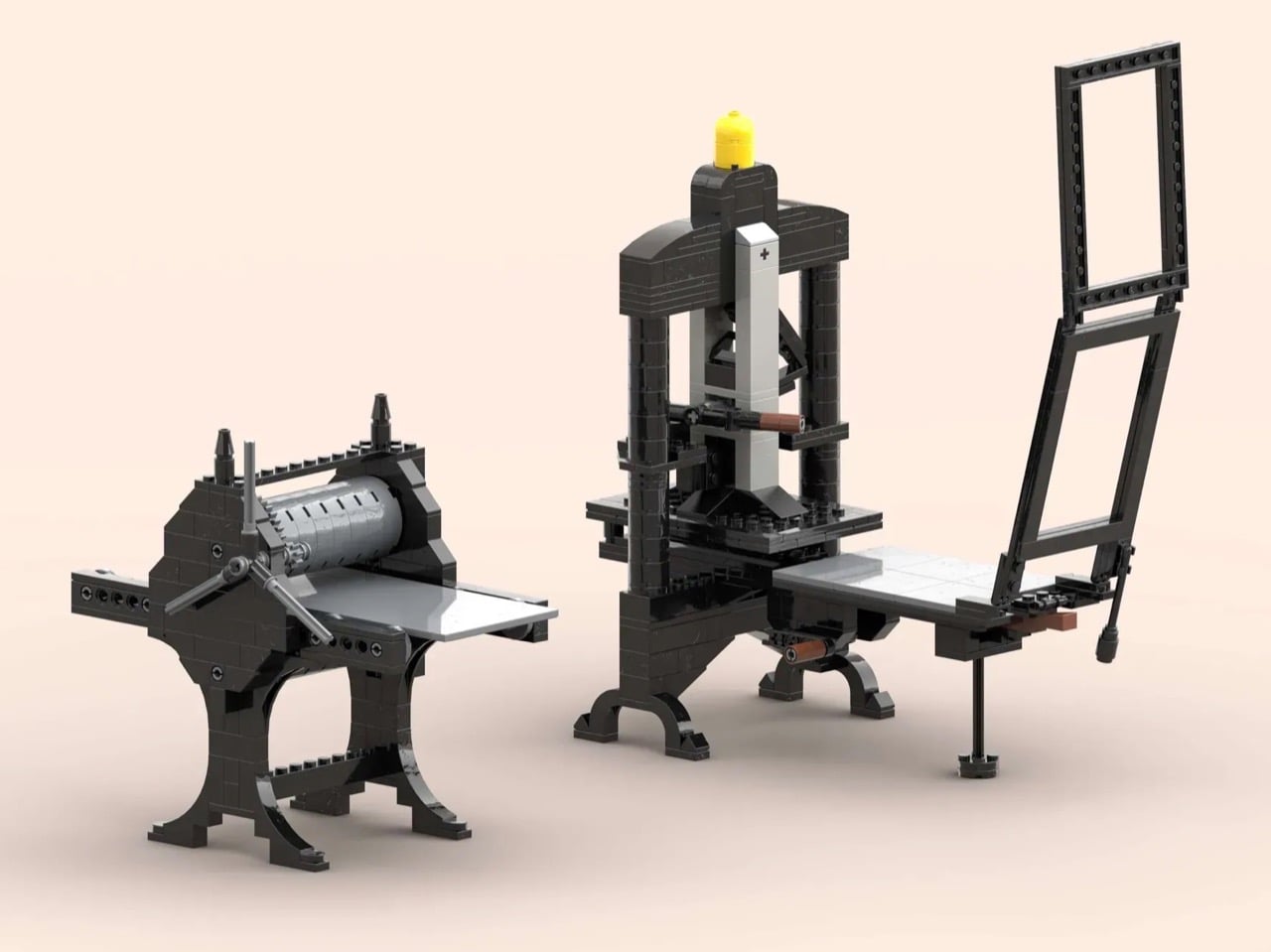
This tour goes all the way through the 6 rooms at Ace! Your tour guide will take you through all the basics and can provide help signing up as a member. Please DO NOT arrive more than 5 min. early or late as we will not be able to accommodate extra tours or early starts. If you get here really early there is a beer garden on the corner that serves a great pint or lemonade.
Non-profit organizations

fromFast Company
1 month agoThese designers made a sustainable new building material from corn
This corn-based construction material was made by Manufactura, a Mexican sustainable materials company, and it imagines a second life for waste from the most widely produced grain in the world. The project started as an invitation by chef Jorge Armando, the founder of catering brand Taco Kween Berlin, to find ways he could reintegrate waste generated by his taqueria into architecture. A team led by designer Dinorah Schulte created corncretl during a residency last year in Massa Lombarda, Italy.
Science
fromZDNET
2 months agoI didn't need this, but I used AI to 3D print a tiny figurine of myself - here's how
That's today's project. In this article, I'll show you how I started with a picture of me, used some intermediate AI, and turned it into a physical 3D plastic me figurine. Do I need a me figurine? No. Is it cool? Yeah. Does it show off another AI capability? Yep. I'll be honest. I didn't expect my editor to sign off on this pitch.
Artificial intelligence
Apple
fromYanko Design - Modern Industrial Design News
2 months agoSteel Is Dead: 5 Titanium Products That Just Replaced It in 2026 - Yanko Design
Titanium's strength-to-weight, corrosion resistance, and recyclability enable thinner, durable, premium-feeling products while supporting sustainable, long-lasting design.
fromInverse
2 months ago60 Cheap but Life-Changing Things You'll Wish You Knew About Sooner
Whether you're whipping up a labor-intensive meal or are working from home at a stand-up desk, these cushioned floor mats are about to make your legs and back so much happier. They're made with memory foam and supportive padding to help ease pressure on your joints as you stand. They're also waterproof to stand up to spills and splashes, and come in a variety of colors and sizes to suit your space.
E-Commerce

fromFast Company
17 years agoFinding New Product Uses
Among my many skills is that of carpentry - master level, frame to finish including cabinet-making. Today, I rode along with someone to install a window in (shiver!) a trailer house. I think they're called "mobile homes" now, but they're 'trailers' to me. Anyway, like most "trailer homes", this one had substantial rot around the window. We had no way to fix it short of inserting pieces of wood to fill the space, caulk heck out of it, then hand-nail the new window trim
Gadgets
fromYanko Design - Modern Industrial Design News
1 month ago3D-Printed Faces for Robot Vacuums Get Messy Every Time They Bump - Yanko Design
A 3D-printed Petokka kit adds movable cat/dog facial parts to robot vacuums, giving them personality through gravity-driven, non-electronic eyes and ears.
fromWIRED
2 months agoBambu's P1S Combo 3D Printer Setup Keeps Me Tinkering
Before printing, the Bambu also sweeps and levels the bed in a grid, and warns you if it hits any obstructions like leftover supports or an errant bed scraper. I've checked out several printers with an auto-level before, but they were slower, and usually required a second check by hand before actually hitting go. I haven't had to adjust anything on the P1S in the month or so I've been using it, with the printer handling the initial setup, regular re-leveling, and nozzle cleaning.
fromYanko Design - Modern Industrial Design News
2 months agoAtomForm Palette 300 3D Prints in 36 Colors With 12 Dedicated Nozzles - Yanko Design
AtomForm Palette 300 is a 12-nozzle, enclosed 3D printer built to combine up to 36 colors and 12 materials in a single print. It uses a rotating OmniElement automatic nozzle-swapping system, where each nozzle stays dedicated to one filament. AtomForm claims that the approach cuts filament waste by up to 90% by avoiding constant purging, while still hitting 800 mm/s print speeds and 25,000 mm/s² acceleration in a 300 × 300 × 300 mm enclosed cube.
Gadgets
fromInverse
1 month ago55 Insanely Clever Things for Your Home That Seem So Bizarre
Some home products might look a little quirky at first, but when you see them in action, it's clear they solve those everyday annoyances that constantly drive you nuts - you know, cluttered cabinets, dark hallways in the middle of the night, remote controls that always go missing. That's why we carefully curated the list below. From small upgrades to inventions that feel straight-up genius, these picks will make a huge difference.
Gadgets
[ Load more ]