#fsbkgb-history
#fsbkgb-history
[ follow ]
#espionage #russia #russian-intelligence #cybersecurity #ukraine #drones #germany #telegram #hungary


Russo-Ukrainian War
fromLondon Business News | Londonlovesbusiness.com
4 days agoInvestigations of Russian spy rings and assassination groups grow from UK to Europe - London Business News | Londonlovesbusiness.com
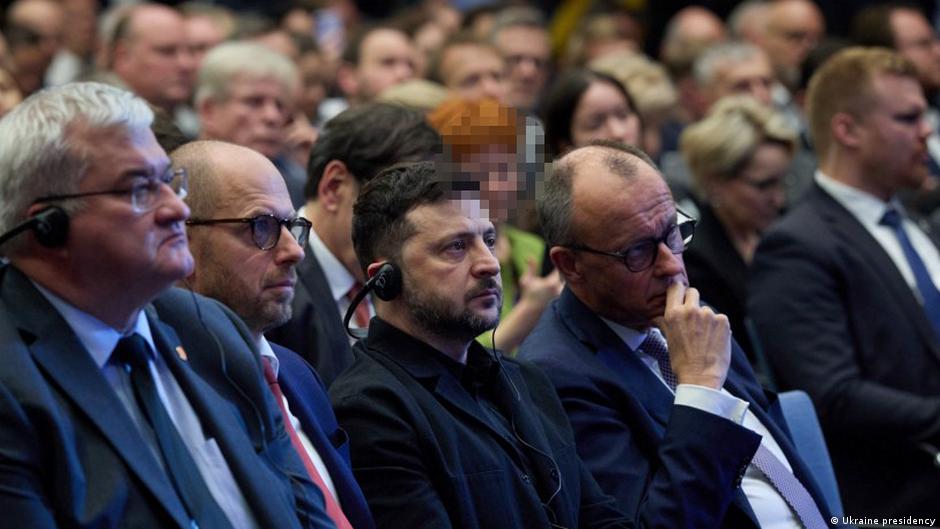
Ukraine uncovered a Russian intelligence network planning contract killings of military commanders and public figures in Kyiv.




World politics
fromNextgov.com
3 weeks agoRussia-linked hackers appear on Iran war's cyber front, but their impact is murky
Russia-linked hacktivist groups supporting Iran have increased cyber activity against U.S. and Israeli targets during the Middle East conflict, though their impact remains unclear and largely unverified.
US news
fromwww.theguardian.com
1 month agoThe Russian honeytrap: alleged spy for Moscow faces five years in US prison
Nomma Zarubina, an FSB-recruited Russian intelligence operative, pleaded guilty to lying to the FBI about her contacts with Russian intelligence while posing as a legitimate activist to infiltrate American political and academic circles.
Russo-Ukrainian War
fromLondon Business News | Londonlovesbusiness.com
2 weeks agoMoscow internet shutdown after Ukrainian drone attacks signals Russia's return to Soviet-style control - London Business News | Londonlovesbusiness.com
Russia is responding to Ukrainian drone attacks by restricting internet access, controlling information flow, and tightening digital controls, resembling Soviet-era information management practices.
fromLondon Business News | Londonlovesbusiness.com
1 month agoRussian Agents Rented Kyiv Apartments in Assassination Plot - London Business News | Londonlovesbusiness.com
A Russian assassination plot targeting Ukrainian President Volodymyr Zelenskyy was uncovered after intelligence sources revealed operatives rented apartments close to his office in Kyiv. The alleged Kremlin plan aimed to capture or kill the Ukrainian leader during the early stages of Russia's full-scale invasion, according to reporting by CNN. Sources claim Russian agents were instructed to eliminate Zelenskyy if he failed to escape the area.
Miscellaneous
fromwww.theguardian.com
1 month agoA war foretold: how the CIA and MI6 got hold of Putin's Ukraine plans and why nobody believed them
William Burns had travelled halfway around the world to speak with Vladimir Putin, but in the end he had to make do with a phone call. It was November 2021, and US intelligence agencies had been picking up signals in the preceding weeks that Putin could be planning to invade Ukraine. President Joe Biden dispatched Burns, his CIA director, to warn Putin that the economic and political consequences if he did so would be disastrous.
World news
Privacy technologies
fromDataBreaches.Net
1 month agoUkrainian hackers uncover how Russian drone operators are using Belarus - DataBreaches.Net
Ukrainian sanctions target Belarusian leader Lukashenka for facilitating Russian attack-UAV control from Belarus and enabling strikes on northern Ukrainian infrastructure.



fromwww.theguardian.com
1 month agoThe strategy of Russia's liberal elite is clear: make your peace with Putin. It's how they survive | Andrei Soldatov and Irina Borogan
The narratives they offer through culture are therefore some of the clearest expressions of how they see their role in a wartime country. This year, Moscow has hosted two major government-backed awards ceremonies one for books, one for films. In both cases, the organisers played it safe, repeating familiar themes, many of them rooted in Soviet-era cultural and wartime mythology. Prizes went largely to people within the same orbit in most cases, the families of well-known Soviet-era cultural icons.
Miscellaneous
Information security
fromDataBreaches.Net
1 month agoExtorting the Extorters? Moscow man accused of posing as FSB officer to extort Conti ransomware gang - DataBreaches.Net
A Moscow resident was accused of extorting money from the Conti ransomware group by impersonating an FSB officer and threatening criminal prosecution.
fromLondon Business News | Londonlovesbusiness.com
1 month agoFears Grow Kremlin Could Stage False Flag Operation - London Business News | Londonlovesbusiness.com
The assessment comes amid rising nuclear rhetoric between Moscow and Western governments over future security arrangements for Ukraine following the ongoing conflict. Analysts say Russian officials have amplified statements from the Russian Foreign Intelligence Service to reinforce warnings about potential nuclear escalation. Particular diplomatic pressure appears to be directed at the UK and France, which are leading negotiations within the so-called Coalition of the Willing on potential security guarantees for Ukraine after hostilities end.
Russo-Ukrainian War

fromThe Cipher Brief
1 month agoThe Kremlin Files: Russian Double Agents and Operational Games
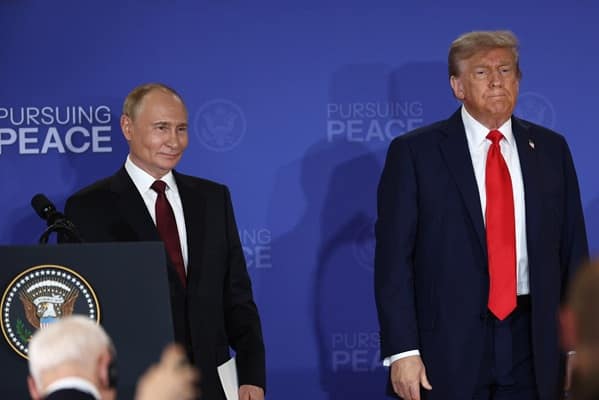
A double agent, by contrast, is an intelligence asset who is knowingly and deliberately directed by one service to engage another in espionage. The controlling service uses that agent to feed information (called feed material) -true, false, or mixed-to the adversary. They do so to simultaneously study the adversary's tradecraft, collection priorities, and decision-making. In the Russian system, double agents also serve a bureaucratic function: they generate statistics, "success stories," and operational narratives that demonstrate effectiveness to political overseers and ultimately to Putin himself.
World news
Miscellaneous
fromEngadget
1 month agoRussia's recent blocking of Telegram is reportedly disrupting its military operations in Ukraine
Blocking Telegram and restricting Starlink degraded Russian frontline communications, reducing drone coordination and offensive capacity, and advantaging Ukrainian forces.
UK politics
fromwww.independent.co.uk
1 month agoUniversities and politicians briefed on China and Russia spy threat
UK intelligence warns universities and politicians about significant foreign interference from China and Russia, citing recruitment, LinkedIn approaches, and financial inducements to influence research and politics.

fromTheregister
2 months agoHackers suspected of spying on UK officials' calls for years
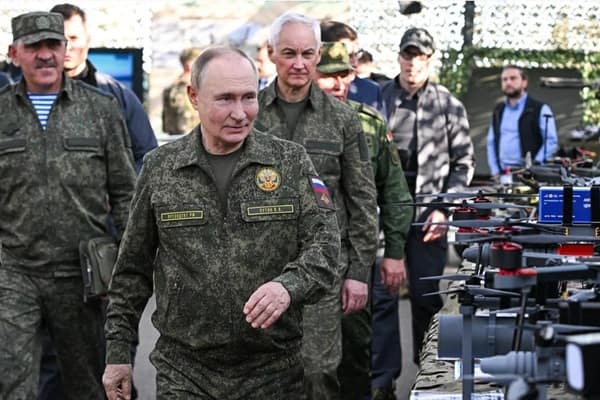
The Telegraph reports that the activity focused on phones used by senior aides around former prime ministers Boris Johnson, Liz Truss, and Rishi Sunak, with the suspected access stretching back to 2021. Intelligence sources described the compromise as extensive, with one saying the activity went "right into the heart of Downing Street," although it remains unclear whether the prime ministers' own devices were accessed directly.
UK news
fromLondon Business News | Londonlovesbusiness.com
1 month agoRussia spies forcing Ukrainian to burn and bomb - London Business News | Londonlovesbusiness.com
The SBU says the enemy has ramped up these operations, using phones, messaging apps, and even online dating platforms to trick people into carrying out dangerous acts. The SBU said, "During such operations, Russian agents telephone or message people, posing as employees of the SBU, the Main Intelligence Directorate, NABU, the National Police, and other law enforcement agencies." "The Security Service of Ukraine once again calls on citizens to maintain information hygiene and to exercise caution in contacts with unknown individuals," the SBU added.
Miscellaneous
fromTheregister
1 month agoInfosec exec sold eight zero-day exploit kits to Russia: DoJ
That changed last week when the US Department of Justice published a sentencing memorandum [PDF] that frames Williams' conduct as a betrayal of his employer and the US government, and the cause of significant harm to US national security. Williams "made it possible for the Russian Broker to arm its clients with powerful cyber exploits that could be used against any manner of victim, civilian or military around the world," the DoJ said.
Information security
World news
fromLondon Business News | Londonlovesbusiness.com
2 months agoBritish special forces 'likely to lead the missions' on Russian shadow fleet ships - London Business News | Londonlovesbusiness.com
Royal Navy Special Boats Service likely to lead operations seizing and boarding sanctioned Russian shadow-fleet tankers in UK waters.
Miscellaneous
fromLondon Business News | Londonlovesbusiness.com
1 month agoRussia intercepts EU satellites which could 'paralyse entire nations' - London Business News | Londonlovesbusiness.com
Russian space vehicles likely intercepted about a dozen European satellites, risking sensitive data exposure and enabling potential disruption of spacecraft.
fromTechRepublic
1 month agoRussian Satellites Accused of Shadowing Key European Orbital Assets
Russian "inspector" satellites are once again in the spotlight after evidence emerged that two spacecraft have been maneuvering unusually close to critical communications satellites in orbit, raising concerns across the wider tech and satellite industries about surveillance, signal interception, and the growing militarization of orbital infrastructure. According to defense and intelligence sources, the satellites, known as Luch-1 and Luch-2, have been conducting sustained proximity operations near European government and commercial satellites and are believed to be part of Russia's "inspector" satellite program.
World news
Information security
fromThe Hacker News
2 months agoRussia-Aligned Hackers Abuse Viber to Target Ukrainian Military and Government
UAC-0184 uses Viber to distribute malicious ZIPs containing LNK files that deploy Hijack Loader and enable Remcos RAT intrusions against Ukrainian military and government targets.
fromwww.aljazeera.com
1 month agoEpstein sought help of ex-Russian official linked to FSB, files show
I need a favor, Epstein wrote to Belyakov in a July 2015 email, describing an extortion attempt by a Russian woman who had arrived at the Four Seasons Hotel in New York the previous week. Epstein said the situation was bad for business for everyone involved and asked for suggestions. Belyakov, a graduate of the FSB Academy, Moscow's institute for training intelligence personnel, wrote back that he needed some time to get information about her and that he would meet a man who knew the woman the next day.
World news
World news
fromLondon Business News | Londonlovesbusiness.com
2 months agoPutin threatens 'genetics' weapon more lethal than the 'atomic bomb' - London Business News | Londonlovesbusiness.com
Genetics-based weapons are presented as potentially more dangerous than atomic bombs, prompting calls to prioritize technological superiority in genetics, AI, and biotechnology.
fromwww.dw.com
1 month agoRussia expels German diplomat in tit-for-tat espionage row
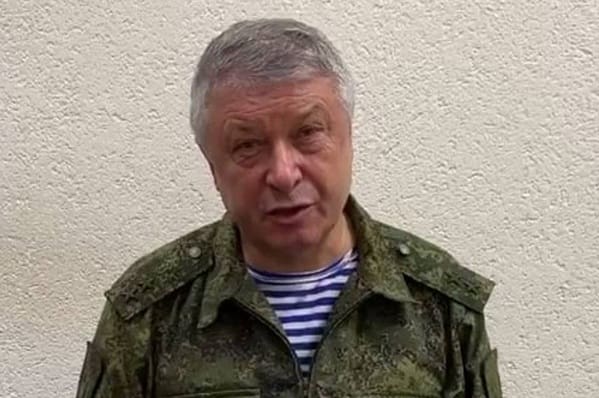
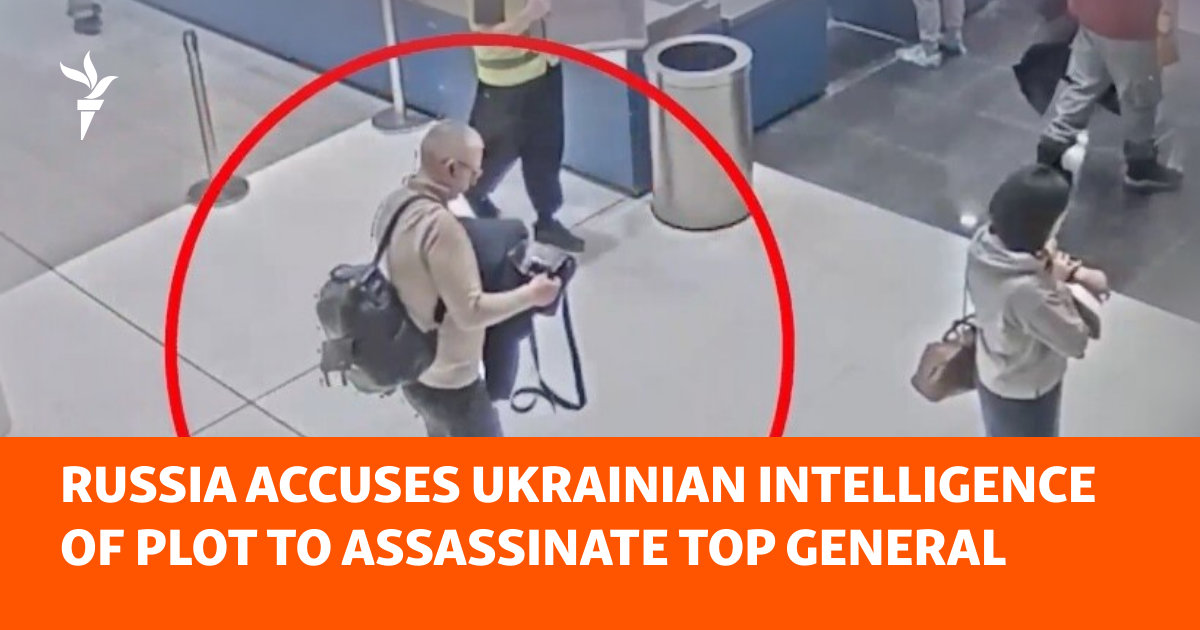
Russia's Foreign Ministry on Thursday said that it had summoned the German Ambassador's representative to inform them that it had declared a staff member at the German Embassy persona non grata. The ministry linked the move to a decision by the German government to expel an employee of the Russian Embassy in Berlin last month on espionage allegations which Russia rejects. It called Thursday's move a 'symmetrical response' and said that Germany bore 'full responsibility for the new escalation in bilateral relations.'
Miscellaneous
Miscellaneous
fromLondon Business News | Londonlovesbusiness.com
1 month agoRussian's rage how can we fight without Telegram, should we 'use carrier pigeons?' - London Business News | Londonlovesbusiness.com
Kremlin restrictions on Telegram and other messaging apps threaten Russian frontline operations by hindering battlefield communications and strengthening Ukraine's strategic position.
[ Load more ]