#furniture-design
#furniture-design
[ follow ]
#materiality #craftsmanship #sustainable-materials #sustainable-design #minimalism #woodworking #product-design
#minimalism
fromYanko Design - Modern Industrial Design News
4 days agoThe Side Table That Folds a Bookshelf Into Its Own Top - Yanko Design
The Boca table by designer Deniz Aktay is not interested in that conversation at all. At first glance, it reads as a straightforward piece: a circular metal top, slim tubular legs bent into a smooth C-shaped base, a warm terracotta finish.
Design
UX design
fromYanko Design - Modern Industrial Design News
2 weeks agoFlakt Just Redesigned the Air Purifier as Furniture - Yanko Design
Flakt reimagines air purifiers as intentional furniture pieces by combining sustainable materials, living plants, and considered design rather than treating them as purely functional appliances.
Design
fromYanko Design - Modern Industrial Design News
2 weeks agoA Chair Shaped by the Soft Curves of a Classic British Scally Cap - Yanko Design
The Scally Chair translates the familiar form of a British scally cap into furniture through subtle design details that create comfort and character without literal representation.
fromDesign Milk
3 weeks agoHolly Hunt Launches the Saccharine Onward Furniture Collection
Marking seasoned talent Chris Eitel's recent appointment as Holly Hunt Design Director, the freshly imagined 9-piece offering nods to the sculptural audacity of Vladimir Kagan Design Group, for which he complementarily serves as Executive Creative Director. Eitel spent years training with the sister brand's late namesake-an ever-provactive giant of American design-but also developed his own vocabulary.
Fashion & style
Design
fromdesignboom | architecture & design magazine
3 weeks agoferreol babin renders french countryside on hand-carved furniture for friedman benda show
Ferréol Babin creates carved wood furniture inspired by his French countryside environment, incorporating natural imperfections and local timber to reveal the material's inherent stories and textures.
Design
fromYanko Design - Modern Industrial Design News
1 month agoThis 289 Add-On Turns Your 49 Billy Bookcase Into a Standing Desk - Yanko Design
Designer Michael Hilgers created STECKRETAR, a folded steel panel that transforms IKEA Billy bookcases into compact standing desks without tools or drilling.
fromYanko Design - Modern Industrial Design News
1 month agoThe Furniture That Looks Like It's About to Walk Away - Yanko Design
At first, you register dark, richly grained wood. Beautiful, but expected. Then your eyes drift downward to the legs, and something shifts. They're not straight. They're not tapered. They're curved, splayed, mid-stride, like a large foot caught in the quiet moment between lifting and landing. It's subtle enough to feel elegant. It's strange enough to feel unforgettable.
Design
Design
fromdesignboom | architecture & design magazine
1 month agoantoni gaudi's original furniture designs reissued in new collection by BD barcelona
Monde Singulier and BD Barcelona presented a centenary exhibition of Antoni Gaudí's furniture designs in Paris, showcasing oak pieces originally created for Casa Calvet and Casa Batlló as architectural extensions.
Design
fromYanko Design - Modern Industrial Design News
1 month agoThis Resin Chair Has a Real iMac, Magic Keyboard, and Mouse Sealed Inside It... Because 'Art' - Yanko Design
Dip1, a chair by designer Lim Wootek, embeds a 27-inch iMac monitor as its backrest and encases Apple peripherals in cyan resin beneath the seat, merging discomfort with aesthetic fascination.

fromwww.architecturaldigest.com
1 month agoMagazine Racks for Print Media Fanatics
As any lover of physical media knows: without organization, your beloved magazine collection quickly begins to look more like accumulated trash than treasure. The best magazine racks, our editors have discovered, corral and curate their many, many copies of Architectural Digest (obviously), furthering their ever-fitful attempts to force their living rooms into shape. While a bookshelf does the similar work of getting things off the floor and into their dignified place, many simply aren't deep enough or tall enough to properly house your oeuvre.
Design
fromDesign Milk
1 month agoCheckmate: The Bishop Chair by Konstantin Grcic for Magis
Negative space is a formidable tool in design, underlining the philosophical power of absence. Many of our most powerful designs are celebrated for what they have, and also what they do not. Increasingly, a "more is more" approach is tied with maximalist design, with little attention paid to the nuances of creation. This does not necessarily have to be the case - we can ask of more from our interiors without sacrificing refinement and style.
Remodel
fromdesign-milk.com
1 month agoTottolo: A Table Shaped by Playful Curiosity, Not Perfection
If you've ever been handed something made by a child a lopsided drawing, a collage of construction paper and glue you know how precious it is. What might look imperfect is, to them, a record of focus, joyful creativity, and sheer imagination, untouched by rules or expectations. Designed by Sergei Lvov of Levantin Studio and produced by Uneven Objects, Tottolo carries that same spirit: a table shaped not by logic, but by intuition, play, and the freedom to create without constraint.
Design
fromYanko Design - Modern Industrial Design News
1 month agoThese Coffee Tables Have Up to 9 Clocks Showing Different Time Zones - Yanko Design
Coffee tables quietly witness mornings, late-night emails, and weekend calls with people in other cities. Time passes on screens and clocks on walls, but the table itself usually pretends it has nothing to do with any of it. It just holds mugs and magazines while the hours slip by unnoticed. There's something interesting about furniture that builds time into its structure instead of ignoring it completely.
Design
fromYanko Design - Modern Industrial Design News
1 month agoThis Bugle-Shaped Coat Rack Solves Your Tiny Entryway Problem - Yanko Design
Enter The Bugle by Design by Joffey, a coat and umbrella stand that rethinks the entire concept by borrowing its form from an unlikely source: a brass musical instrument. This isn't just clever design for the sake of being clever. It's a genuinely smart solution to a problem that plagues anyone living in tight quarters. Designer: Design by Joffey The beauty of this piece is in its vertical footprint.
Design
Design
fromYanko Design - Modern Industrial Design News
1 month agoWhy Your Boring Black TV Deserves This Retro Wooden Upgrade - Yanko Design
A mid-century modern solid sapele wood TV cabinet offers authentic design, quality craftsmanship, storage for soundbar and consoles, sized for 32-inch TVs and cozy rooms.
fromDesign Milk
1 month agoOur Favorite Design Finds at Toronto Design Week 2026
Held in late January, Toronto's design week practically dares design-lovers to prove their devotion. At this past edition, they braved not only the below-zero temperatures but also a historic snowstorm; part of the weather pattern that saw the U.S. draped in the white stuff, Toronto was hit with 22 inches of snow. They were rewarded with an inspiring array of furniture, lighting and experimental works both at the Interior Design Show and throughout the city-wide DesignTO festival.
Design
Design
fromYanko Design - Modern Industrial Design News
1 month ago5 Product Designs That Brought the Moon Indoors: They're All Stunning - Yanko Design
Moon-inspired design uses restraint, tactile textures, and timeless geometry to create grounded, emotionally enduring, and quietly structured products.
Design
fromYanko Design - Modern Industrial Design News
1 month agoThis Fold-Out Office Desk Acknowledges the Furry Friend Under Your Feet - Yanko Design
A professional desk integrates a built-in pet nook, intentionally accommodating dogs beneath workstations without compromising aesthetics or functionality.
fromYanko Design - Modern Industrial Design News
1 month agoThese Chairs Are Made From the Steel That Holds Up Buildings - Yanko Design
There's something beautifully rebellious about taking the skeleton of a building and turning it into something you'd actually want in your home. That's exactly what designer Marquel Williams has done with his Beams collection, a furniture series that proves industrial components can have serious aesthetic game. Williams built this entire collection around one specific element: the I-beam. You know, those steel supports that hold up skyscrapers and warehouses.
Design
Design
fromdesignboom | architecture & design magazine
2 months agoan analog hi-fi console translates stanley kubrick's the shining into domestic furniture
WOW atelier designed an analog hi-fi console inspired by The Shining, integrated as an architectural element with American walnut exterior and red wool felt interior.
Design
fromYanko Design - Modern Industrial Design News
2 months agoThis Japanese Cabinet Uses Real Forest Branches as Doors - Yanko Design
Adjustable cabinet uses sliding Japanese cypress branches to customize openness and privacy, combining reclaimed wood’s natural asymmetry with functional, responsive storage.
fromdesign-milk.com
2 months agoCassina and Technogym Debut the Hidden Ottagono Home Gym
Workout gear is almost always clunky and unsightly; gray equipment haphazardly crammed into a basement room that only just checks the box when it comes to an apartment building's list of promoted amenities. Mirrored walls jarringly cut across cheesy cityscape or jungle scene murals and rubber mat flooring. Bad EDM music pulsates at full volume. With function superseding form, aesthetics always seem to be an afterthought.
Design
fromYanko Design - Modern Industrial Design News
2 months agoThis Chair Looks Like a Material Swatch Book - Yanko Design
The concept is brilliantly simple yet visually striking. The chair features layers upon layers of cushioned upholstery stacked together, creating this incredible rainbow effect along the edges. Each layer represents a different color or texture, much like flipping through pages in a designer's sample book. It's the kind of thing that makes you do a double take. From one angle, you see a sophisticated seating piece with a clean, minimalist frame. From another, you catch those vibrant cascading layers that give it personality and depth.
Design
fromColossal
2 months agoTraditional Indian Basketweaving Techniques Translate into Contemporary Installations
From a single material, a Hyderabad-based design studio creates a wide range of site-specific installations, furnishings, and decor. It's all in the name of the firm, The Wicker Story, which was founded in 2019 by architect Priyanka Narula. Capable of being formed into everything from abstract constructions to functional objects, the natural material lends itself a huge variety of pieces that vary in size and complexity.
Design
Design
fromYanko Design - Modern Industrial Design News
2 months agoThis Elegant High-Top Table Hides Wine Bottles In Its Placemats - Yanko Design
A high-top table uses draped felt placemats that form under-table fabric pockets to securely store wine bottles while preserving a minimalist, floating aesthetic.
fromYanko Design - Modern Industrial Design News
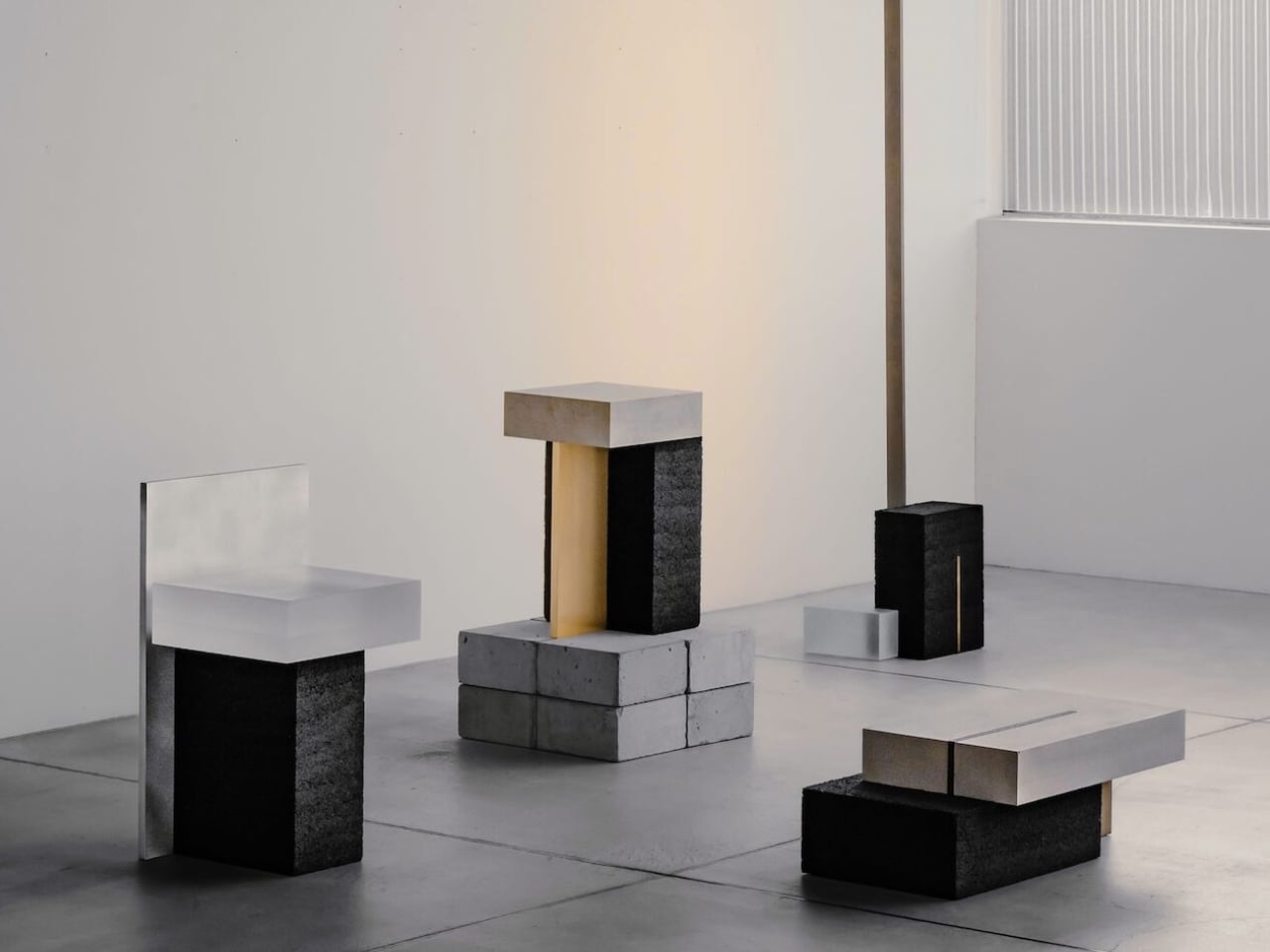
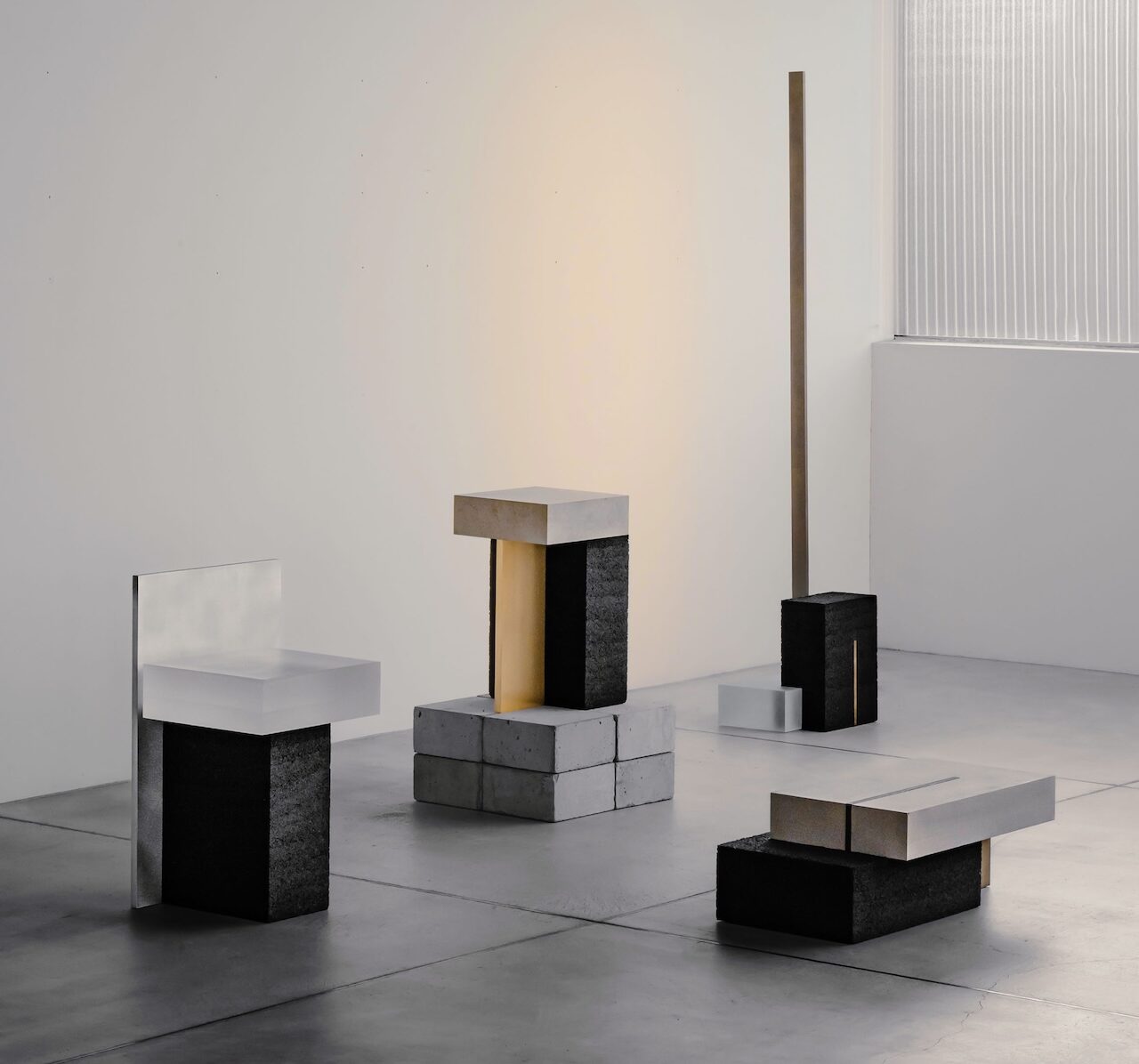
2 months agoConcrete Furniture Just Got Soft: 5 Designs That Feel Like Art - Yanko Design
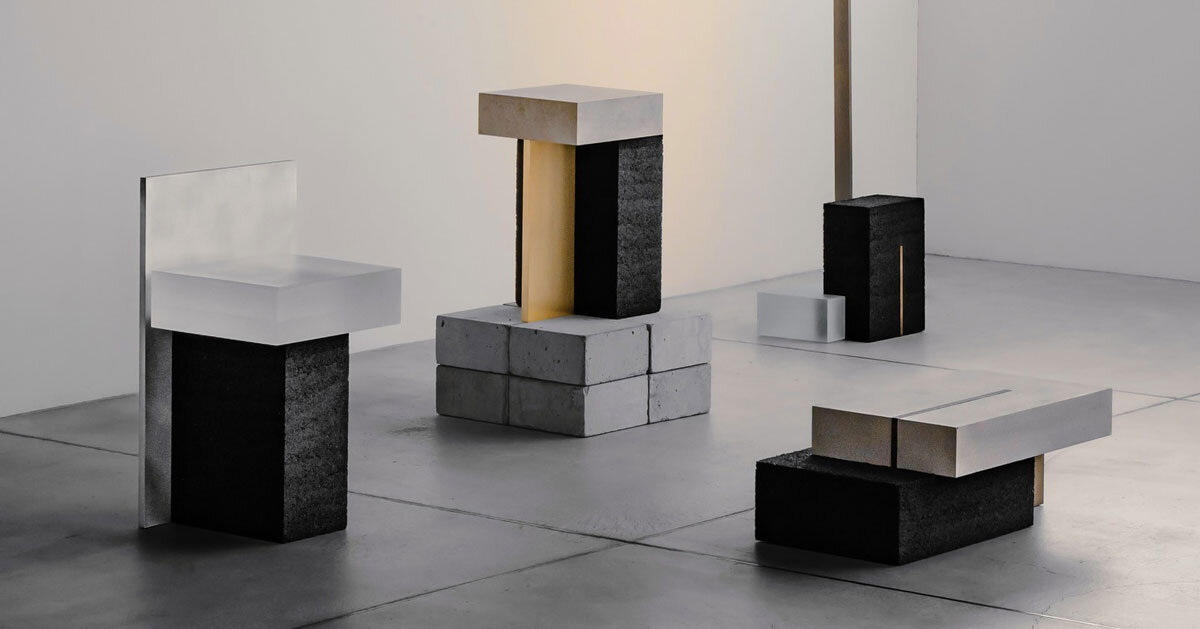
Brutalism once suggested stark, monumental forms, with raw concrete presented in uncompromising honesty. Today, that legacy is evolving into a softer interior design language: Soft Brutalism. Rather than a contradiction, it becomes a thoughtful fusion where concrete is shaped into gentler, more human-centered forms. This shift responds to a culture saturated with disposable design and offers a return to authenticity, weight, and permanence.
Design
fromwww.remodelista.com
3 months agoBelgian Furniture Designer Marina Bautier's Brussels Compound
Belgian furniture designer Marina Bautier is known for her succinctness. Her pieces, all made of waxed oak, have no flourishes: they are a pure distillation of pleasing form and function. But in her own compound, she is voluble on how her work can be put to use: her studio, in a Brussels residential area aptly named Forest, is right next to her shop and cafe.
Renovation
fromDesign Milk
3 months agoF5: Laura Casanas Maya Talks Fantasia, Matthew Ronay + More
It's not surprising that there's little separation between work and life for the artisan, who finds inspiration everywhere, and revels in exploration. "A lot of times my work peeps into my personal life, and I kind of just have to let it be," says Maya. "It's happened that I am in bed about to rest, and in between moments of lucidity, all of a sudden I have a design solution that I have been trying to figure out."
Design
fromYanko Design - Modern Industrial Design News
3 months agoSeoul's 'Wild Nature' Just Inspired the Furniture Everyone Wants - Yanko Design
There's something quietly rebellious about seeing delicate leather straps wrapped around cold, hard steel. It's unexpected, a bit contradictory, and exactly what makes Nara Lee's Pul collection so captivating. The Paris-based architect just unveiled this sculptural furniture series at The Sun Room exhibition in Seoul, and it's turning heads for all the right reasons. What strikes you first about these pieces isn't just their minimalist beauty, but the story they tell about urban nature.
Design
Design
fromYanko Design - Modern Industrial Design News
3 months agoOttagono Packs a Full Workout into a Luminous Octagonal Column - Yanko Design
Ottagono conceals a full Technogym-powered gym within a sculptural octagonal column under one square meter, blending fitness equipment with luxury furniture design.
fromdesignboom | architecture & design magazine
4 months agoplywood and recycled paper pulp sculpt monolithic furniture collection
ECHO by KOD.objects reinterprets the material culture and architecture of 11th-17th century as a sculptural furniture collection. Each object is crafted from and pulp, finished with a protective coating that adds durability and a tactile surface. The project draws from ancient household objects, carved wooden forms, early stone structures, and the structural silhouettes characteristic of old Russian craftsmanship. These historical sources are translated into contemporary sculptural furniture.
Design
Design
fromYanko Design - Modern Industrial Design News
4 months ago5 KeyShot Renders With Lighting So Perfect, You Wish They Were Real Products - Yanko Design
KeyShot Studio enables designers to create photorealistic renders that visualize inventive, problem-solving minimalist furniture concepts before physical production.
fromYanko Design - Modern Industrial Design News
4 months agoDIY Coffee Sand Table Turns a Living Room Surface Into Moving Art - Yanko Design
Arrakis 3.0 is the latest iteration of Mark Rehorst's sand table experiments, this time designed from the start as a practical coffee table. Under a standard 24-by-48-inch glass top, a steel ball slowly traces patterns in a bed of white sand, guided by a hidden mechanism. From above, all you see is a glowing sandbox under glass, constantly redrawing itself while your coffee sits on top.
Design
Design
fromYanko Design - Modern Industrial Design News
4 months agoThis Furniture Trick Makes Flat Wood Look Curved With Zero Waste - Yanko Design
Optimized parametric layering transforms thin wooden sheets into sculptural curved furniture, minimizing material waste and avoiding labor-intensive steam-bending or carving.
fromYanko Design - Modern Industrial Design News
4 months agoCosi Laptop Table Brings a Fully Adjustable Work Surface to Any Chair - Yanko Design
Laptops have escaped the desk and now show up on sofas, lounge chairs, and every in-between space, often with terrible posture as a side effect. Balancing a laptop on your knees or hunching over a coffee table is fine for checking email but not for real work. The Cosi laptop table is a small, adjustable surface designed to follow those habits and make them more ergonomic.
Design
fromCurbed
4 months agoAll That Glitters
Another facet of the style provided a shimmering counterpoint to all that saturated lacquer and patterned upholstery: Iridescent and reflective surfaces - from gold leaf to patinated bronze, textured steel, tinted glass, and even resin - cropped up in everything from chandeliers to chairs. All that shine seemed to hint at a sense of optimism, or at least a desire to counter the moodiness of the dominant palette with a lighter touch.
Design

Design
fromYanko Design - Modern Industrial Design News
4 months agoSilva Wood Collection by KFI Studios: Steam-Bent Beech Furniture Designed by Union Design - Yanko Design
Silva uses steam-bent beech to create continuous, sculptural wood forms that celebrate natural grain, warmth, and restrained, timeless modern design.
fromDesign Milk
4 months agoDesign ni Dukaan Preserves + Celebrates Craft in Roop Aroop
From tabletop objects to more grand home furnishings, the things that fill our home have a cumulative effect on how we feel as well as the perception of our personal space. With intention at their core, the Ahmedabad-based, interdisciplinary design studio Design ni Dukkan blends human intuition with distinct materiality and finish to create such pieces with the power of presence.
Remodel
Design
fromDesign Milk
4 months agoAstraeus Clarke Expands Into Accessories With Vesper Collection
Objects and furniture define interiors through personal significance, maker intent, geometric distillation, and subtle adornment that enhances function, exemplified by Astraeus Clarke's Vesper Collection.
fromYanko Design - Modern Industrial Design News
4 months agoA Side Table That Doubles as a Bookmark for Your Favorite Reads - Yanko Design
Bookmarker addresses this by treating reading as an activity worth designing for specifically. The table's form creates a clear place for books in progress, making them visible rather than buried. Japanese cypress construction gives it a warm, tactile presence that reads as furniture first, while its cutouts and slots serve the practical needs of someone settling in with a novel and a drink.
Design
fromLondon Business News | Londonlovesbusiness.com
4 months agoMeet the British furniture designers who are quietly rewriting the rules of creative business - London Business News | Londonlovesbusiness.com
For companies, this means we now have case-studies of design firms that understand commercial dynamics: manufacturing, material sourcing, brand story, global distribution. When an enterprise aligns with designers like Barber and Osgerby, it's not about making something pretty, it's about making something profitable, repeatable, and meaningful. In today's economy, that's a powerful proposition. And their approach demonstrates how design thinking can move seamlessly between art, manufacturing, and management: exactly the kind of hybrid intelligence that defines modern creative business.
Design
fromYanko Design - Modern Industrial Design News
5 months agoThe Arnardo Desk Looks Like It Time-Traveled From 2084 - Yanko Design
There's something deeply satisfying about furniture that refuses to play by the rules. You know the kind I'm talking about: pieces that make you stop mid-scroll and think, "Wait, is that even real?" The Arnardo Desk by Paddy Pike Studio is exactly that kind of design unicorn, and honestly, I'm not sure whether to sit at it or frame it on a museum wall.
Design
Environment
fromYanko Design - Modern Industrial Design News
5 months ago5 Things Made From Rice That Are Stronger Than Wood (Seriously) - Yanko Design
Abundant rice husk byproducts can be repurposed into sustainable materials—biochar, nanomaterials, biodegradable packaging, and durable furniture—reducing pollution and carbon footprint.
Design
fromDesign Milk
5 months agoKiki Goti + Toro Manifesto Celebrate Materiality in Bells & Whistles
Bells and Whistles is a five-piece tactile furniture collection combining brushed aluminum, lacquered wood, sculptural handles and vintage-inspired finishes that emphasize materiality and whimsical charm.
Design
fromYanko Design - Modern Industrial Design News
5 months agoIKEA Transforms Its Most Beloved Chair Into Something Completely Different - Yanko Design
IKEA transformed the POANG armchair into a low-back design by removing the headrest, fostering social interaction while preserving technical construction and durability.
fromArchitectural Digest
5 months agoAt Home in Mexico City, Mike Diaz Conjures a Fantastical Vision Grounded in History
Restraint is not part of Diaz's visual vocabulary. His Hutton mirror features 22k gold-leaf spikes, the Sabaudia daybed has wings reminiscent of vintage car fins, and the Jujuy Trastero cabinet features horns. These whimsical improvisations also have a deliberate formality resulting in pieces that Diaz imagines should have existed historically. Designer Ryan Lawson, another admirer, says, "When you see Mike's work it has a sense that it has always been there, like you've stumbled upon some kind of historic relic."
Design
Design
fromYanko Design - Modern Industrial Design News
5 months agoDIY spinning coffee table turns into storage and ottoman - Yanko Design
Simone Giertz built a spinning coffee table using an industrial lazy Susan bearing for smooth rotation and durable support, combining playfulness with modern furniture design.
Design
fromdesignboom | architecture & design magazine
6 months agomodular brass grid chair draped in velvet replicates coreless exoskeleton skyscrapers
Copia New Yorkea translates skyscraper structural logic into a domestic chair using a brass grid, suspended fabric cocoon, PLA joints, 3D-printed nodes, and gold thread.
Design
fromdesignboom | architecture & design magazine
6 months agoprostoria's BONDS film series explores furniture design through human connections
Prostoria's BONDS film series portrays furniture as human-centered connectors, revealing collaborative design processes through three documentary episodes.
fromdesignboom | architecture & design magazine
6 months agowooden furniture pieces, banca tres and silla cuatro, interact with space, materiality, and light
In southern Mexico City, within a double-height house designed by OW Arquitectos, two pieces by Omar Wade, Banca Tres (Bench Three) and Silla Cuatro (Chair Four), investigate the relationship between space, materiality, and light. The , characterized by skylights and large windows, provides the setting for this dialogue, framing the interaction of furniture and architecture. Together, the two wooden pieces present an exploration of scale and construction.
Design
fromYanko Design - Modern Industrial Design News
6 months agoDesigner turns a Fader into a quirky 3-seater chair for the musically inclined - Yanko Design
The Fader Chair is instantly relatable to anyone who's ever looked at a producer's deck at a music studio or a live event. The three-seater features multiple channels with the iconic fader slider that works as the seat. You lean back on the hardware itself, which models itself almost exactly on a multi-track fader, with three channels, mute and solo buttons for activating/silencing them, and a few other buttons along with a master volume knob.
Design
fromDesign Milk
6 months agoJeremiah Brent + Crate & Barrel: A Vision for Modern Living
For Brent, the range is as personal as it is professional - an evocative expression of his layered, soulful approach to design. "This collection reflects the way I see home," he explains. "Even the sleekest spaces need warmth. Whether through vintage inspiration, rich patinas, or intricate fabrics, I wanted every piece to evoke a sense of history and softness - something that feels curated, not coordinated."
Design
fromDesign Milk
6 months agoTake 5: Snake Bags, Spool Tables, and Crochet Shirts
These stools from designer Dom Johnson are made simply yet thoughtfully, construction minimal yet meticulously considered. A relatively humble material, MDF, rendered in a satisfying thickness adds weight to the trio, each in varying heights and leg designs. Existing beautifully as separate pieces or together, each is finished with an unobtrusive oil that elevates and protects.
Design
[ Load more ]