#gastrointestinal-health
#gastrointestinal-health
[ follow ]
#gut-health #gut-microbiome #nutrition #digestive-health #diet #probiotics #fiber #fibre #fiber-intake



fromIndependent
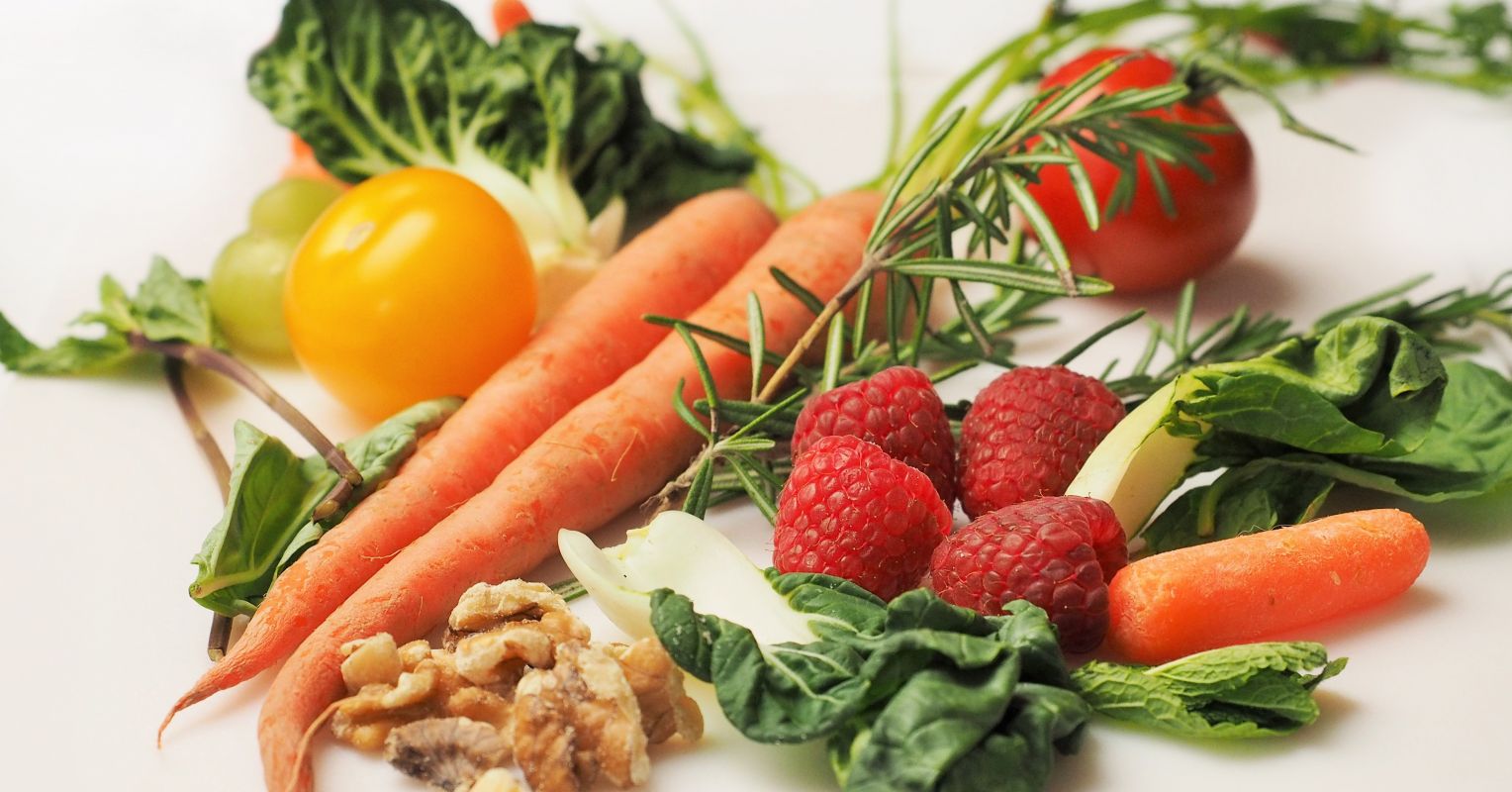
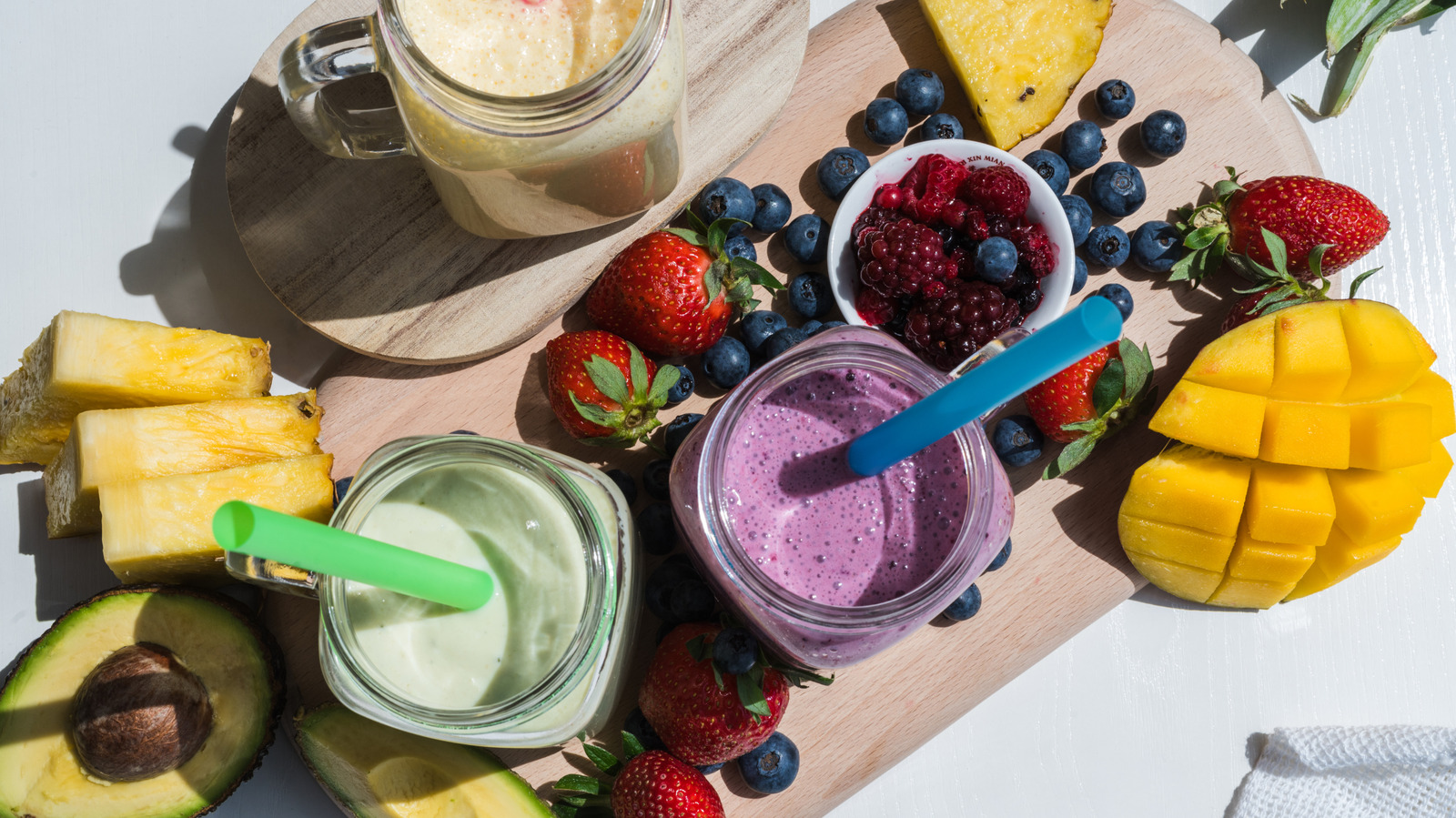
1 week agoEveryone's talking about: The ?'Chinese baddie' diet - what is it and does it improve digestion and banish bloating?
The 'Chinese baddie' diet trend on TikTok humorously highlights various traditional Chinese wellness practices, sparking interest in alternative health approaches among users.
Wellness
#gut-health
Health
fromwww.businessinsider.com
1 week agoHere are 3 tips to reduce your risk of heart disease from a researcher studying the link between cardiovascular and gut health
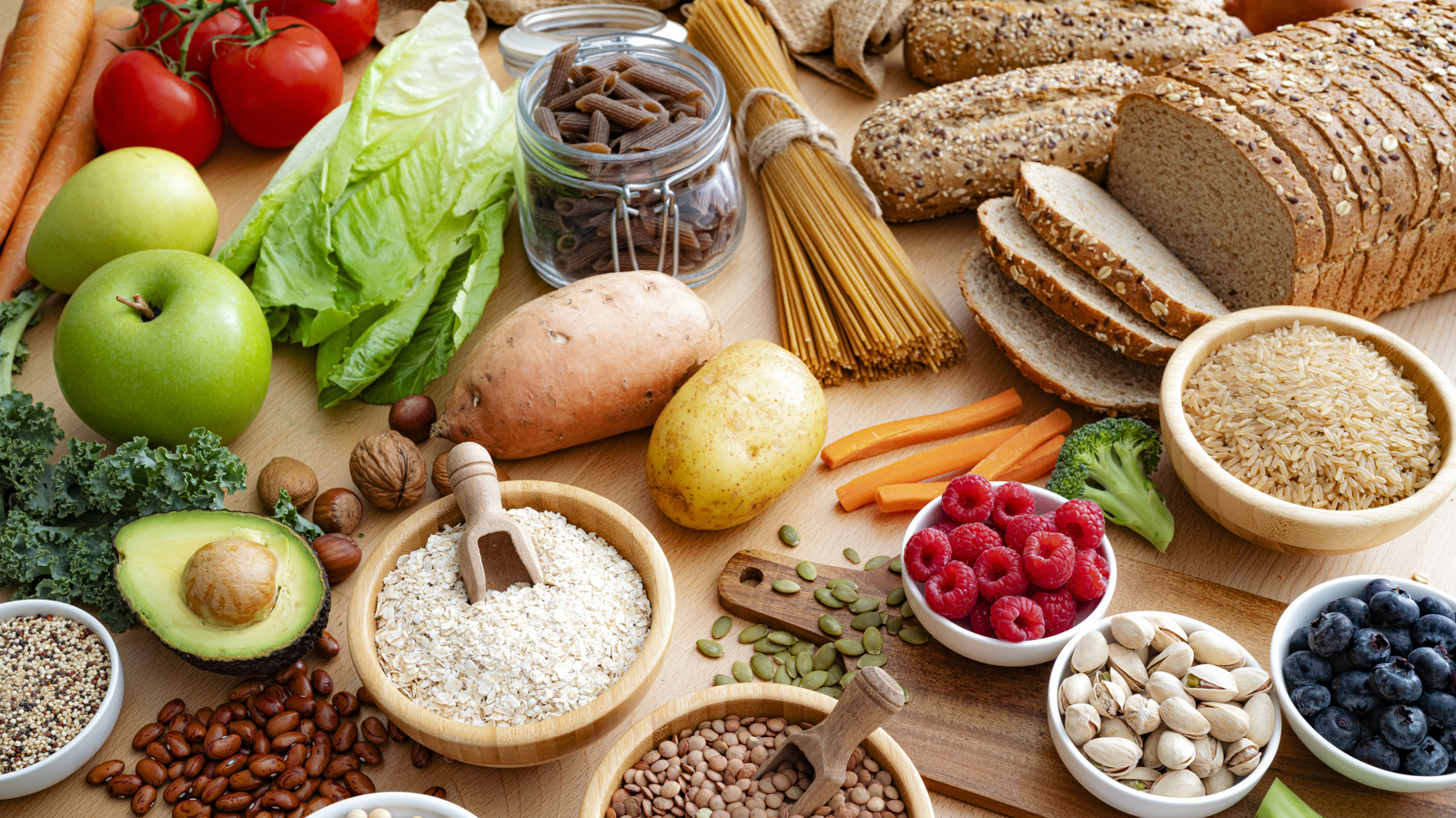
Maximizing gut health is linked to reducing chronic disease risk, emphasizing plant-based diets and limiting ultra-processed foods.

fromPsychology Today
1 month agoIs the Gut-Autism Link Overblown?
The article from the journal argues that the gut-autism axis is a house of cards built on lousy studies with inconsistent data. They assert that the studies are contradictory and that too much emphasis is placed on dubious mouse models. It is notoriously challenging to nail down microbial causes of disease—it is hard enough to simply identify a normal microbiome.
Science
Alternative medicine
fromAlternative Medicine Magazine
1 month agoThe Surprising Benefits of Whole Grains for Gut Health and Immunity
Whole grains retain bran, germ, and endosperm, providing fiber, vitamins, minerals, and antioxidants that support digestive health, gut microbiota, and immune function, unlike refined grains which lose these nutrients during processing.
fromwww.theguardian.com
1 month agoVegetarians have substantially lower risk' of five types of cancer
This study is really good news for those who follow a vegetarian diet because they have a lower risk of five cancer types, some of which are very prevalent in the population. While being vegetarian appeared to be protective overall, the scientists also found that those who follow a vegetarian diet had nearly double the risk of the most common type of cancer of the oesophagus, known as squamous cell carcinoma, compared with meat eaters.
Cancer
fromwww.npr.org
1 month agoScientists find a new clue to help them identify a healthy gut microbiome
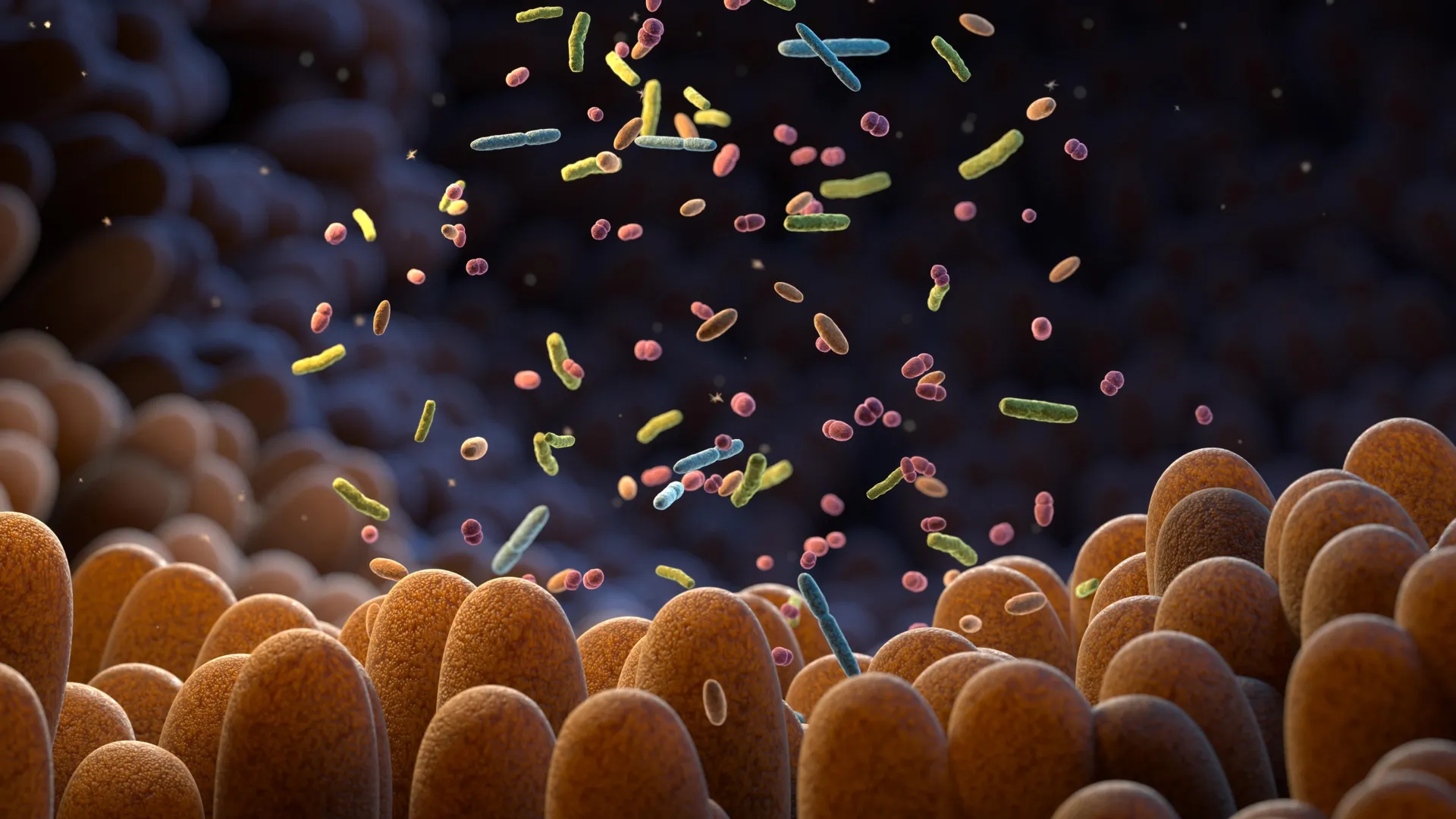
There are some communities that are very unhealthy where the diversity is higher. Low diversity is not a universal marker. We found something that at first seemed surprising. That a healthy microbiome has lots of competition. These bugs are all going after the same food. In an unhealthy gut, on the other hand, you see tight cooperation - microorganisms are helping each other out.
Medicine

fromTasting Table
1 month agoWhat Happens To Your Body When You Eat Red Meat Every Day - Tasting Table
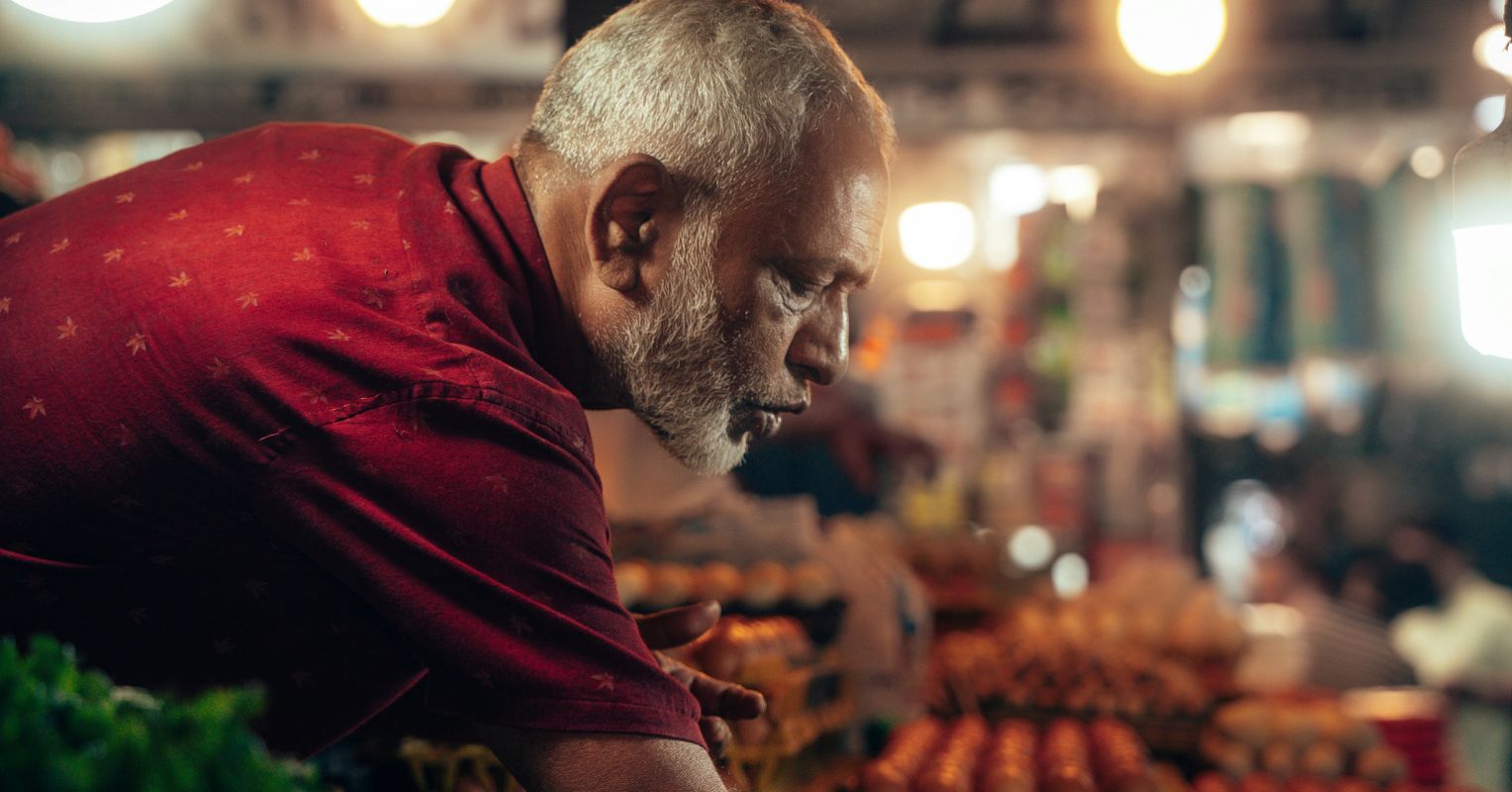
"Red meat can definitely fit into a balanced diet," she says. "It is rich in iron, vitamin B12, zinc, and high-quality protein that supports energy levels, metabolism, and muscle growth. Despite these health benefits, however, overconsumption is possible. "Where we see more concern is when intake is higher over time," Benson adds, "especially with processed red meat, and especially when fiber intake is low."
Public health
Alternative medicine
fromwww.scientificamerican.com
1 month agoHelp yourself to stronger immunity
The immune system can be enhanced through science-backed interventions including specific supplements, vaccines, and exercise, with omega-3 fatty acids and curcumin showing evidence of effectiveness while vitamin D proves less beneficial than previously claimed.
fromwww.scientificamerican.com
1 month agoA pair of gut bacteria may cause constipation
Gut bacteria are crucial to ensuring healthy digestion and defecation. But two species of bacteria may also be the cause of constipation: according to a new study, Bacteroides thetaiotaomicron and Akkermansia muciniphila appear to work in concert to break down colonic mucin, the slimy coating in our colons that keeps our poo moving along. Too little mucin means a drier and more constipation-prone colon.
Science
fromBusiness Insider
2 months agoA busy dietitian shares what she eats for good gut health
Rachel Swanson, a registered dietitian at LifeSpan Medicine and author of "Trying!: A Science-Backed Plan to Optimize Your Fertility," splits her time between New York City and Miami, spending about half the year in each. She also takes small-group workout classes three times a week, focusing on strength training. She says eating enough nutrients, especially protein for muscle-building, is crucial for her. She generally aims for around 0.7 grams of protein per pound of body weight, the protein intake usually recommended for physically active people.
Food & drink
fromTasting Table
1 month agoStomach Trouble From Cabbage? These Cooking Methods May Help - Tasting Table
The reason cabbage (and beans, for that matter) is a "musical fruit" is a complex sugar known as raffinose. Raffinose is especially hard for the human gut to digest because the small intestine cannot process it. So, by the time it reaches the colon, the bacteria used to break it down release gas that leads to bloating and flatulence. Furthermore, as a cruciferous veggie, cabbage also contains high amounts of sulfuric compounds,
Cooking

fromwww.theguardian.com
2 months agoDoes it even need to be said? No, you don't need to do a parasite cleanse'
Everything on my Instagram feed at the moment is about worms and parasites, she told the Wall Street Journal, ominously adding: I don't know what the heck is going to come out. Maybe your social media feeds aren't full of posts about worms and parasites, in which case, congratulations. But type parasite cleanse into TikTok or Instagram and you'll be inundated with so-called experts peddling expensive herbal supplements that promise to detox the body and rid it of harmful worms and parasites.
Public health
fromLondon Business News | Londonlovesbusiness.com
2 months agoThe Estrogen rollercoaster: Why hormonal fluctuations cause digestive discomfort? - London Business News | Londonlovesbusiness.com
Estrogen and progesterone do more than regulate the menstrual cycle. They directly influence how the digestive system works, affecting gut movement, water balance, gas production, and sensitivity. When these hormones rise and fall during the menstrual cycle, perimenopause, or bloating in menopause , digestion often becomes unpredictable. Understanding how this happens helps explain why bloating and discomfort follow hormonal patterns.
Women
fromBusiness Insider
2 months agoI developed stabbing stomach pain as a college football player. It turned out to be stage 4 colon cancer.
For more than six months, I was living with a strange kind of persistent, stabbing pain that would return again and again through the course of the day. It didn't seem to matter if I popped a Tums or changed what I ate. It's hard to put food down when it feels like you're being consistently pummeled from the inside. The pain got so bad that I was subsisting on a diet of little more than chocolate milk and mixed fruit from the dining hall.
Cancer


fromwww.theguardian.com
1 month agoWhat is colorectal cancer and is it preventable?
Actor James Van Der Beek died on 11 February, aged 48; he had been diagnosed in 2023 with colorectal cancer. According to the World Health Organization, colorectal cancer is the third most common cancer and the second leading cause of cancer-related deaths worldwide. While rates are declining overall, cases among younger people are rising. This is a curable cancer if diagnosed early, says Dr Deirdre Cohen, director of the gastrointestinal oncology program for the Mount Sinai health system and an associate professor of medicine. It's important to bring any symptoms to the attention of your physician.
Public health
fromwww.aljazeera.com
1 month agoIs our food making us sick?
From ultra-processed foods to hidden chemicals, we ask whether what's on our plates is making us ill. From ultra-processed foods to chemicals linked to cancer and chronic disease, this episode unpacks what's really inside everyday supermarket products. We examine how mass production and convenience culture reshaped our diets, why some ingredients are banned in parts of the world but legal elsewhere, and what FDA-approved actually means.
Food & drink
fromwww.independent.co.uk
1 month agoHow fasting can dramatically reduce symptoms of stomach condition
Intermittent fasting within an eight-hour window can significantly reduce symptoms of Crohn's disease, a new study has found. Crohn's disease, according to the NHS, is a long-term condition where part of the gut becomes inflamed. It cannot currently be cured and the common symptoms include: diarrhoea, blood or mucus in your poo and stomach pain. Researchers at the University of Calgary found that time-restricted feeding can reduce disease activity by 40 per cent and halve abdominal discomfort in over 12 weeks in people living with Crohn's disease.
Health
Alternative medicine
fromAlternative Medicine Magazine
2 months agoMaintain a Balanced Vaginal Microbiota
VSL4 Vaginal Health is a precision-formulated daily supplement designed to support balanced vaginal microbiota, urinary tract health, and overall feminine wellness with probiotics, prebiotic, vitamins, and cranberry.
fromNature
2 months agoDaily briefing: The human cells in our bodies that aren't genetically ours
A virus that sickens marine mammals has been detected in Arctic waters for the first time. Scientists used drones armed with petri dishes to collect samples of blow - the air and mucus whales expel from their blowholes - from whales in northern Norway. The team identified cetacean morbillivirus in samples from humpback whales ( Megaptera novaeangliae) and one sperm whale ( Physeter macrocephalus), though the humpbacks showed no symptoms of disease.
Science
Science
fromTechCrunch
2 months agoExclusive: How one startup is using probiotics to try and ease the copper shortage | TechCrunch
Microbe-enhancing additives can potentially raise copper yields 20–30%, helping address a projected copper supply shortfall and attracting venture investment into biotech mining solutions.
[ Load more ]