Women in technology
fromFast Company
3 days agoIt's not just the pay gap. This disparity also holds working women back
Women face a hidden time gap due to unpaid labor at home, impacting their career advancement opportunities.
Sharon Graham, the general secretary of Unite, stated that the priorities showed the agency was in danger of being a dead duck before it even begins. For too long, workers have borne the brunt of disreputable employers who have had carte blanche.
"Today's vote ignores the well-documented harmful consequences of wage hikes by economists. Not only would this proposal slash up to 86,000 jobs, it would also worsen inflation for Pennsylvania workers and residents."
The ESRI revealed in its recently published quarterly economic commentary that the fall in the number of technology workers in Ireland was concentrated almost entirely among female workers in the sector.
"Men's time doing housework is about the same as it was in the 1970s, and that's true whether or not the woman earns more money or the man earns more money."
The latest study published in March by the Centre for Economic Performance indicates that although the career trajectories of men and women are similar before becoming parents, their paths diverge starkly after the birth of their first child.
Work, in the words of Karl Marx, is a "means of life" in two senses. It is, first of all, an instrument for human life. It is the activity by which we reproduce ourselves from day to day, from year to year, from generation to generation. But work also forms, so to speak, much of the matter of human life, at least for most people in any society with which we are familiar.
In 1960, 72% of adults were married, and over 90% would go on to marry. HR policies and management practices back then catered to nuclear families with a lone, male breadwinner. Today, dual-career couples and working mothers are common, largely due to the growth of women in the workforce in the second half of the 20th century.
Companies with a higher number of women in senior roles are significantly more likely to dismiss male perpetrators of abuse against female colleagues, according to recent analysis.
A friend recently told me a story that made this reality impossible to ignore. Her elderly parents live near an elementary school not far from the nation's capital. For several years, they had been quietly raising money to provide groceries and basic supplies for families whose children were going hungry. When Republicans suspended SNAP benefits, the need surged overnight. What had been a steady act of care suddenly became an emergency response.
I'm transmasc but not out at work, and each time Alex is misgendered I also feel invalidated and even a bit unsafe. This hasn't impacted my work necessarily, but it has impacted how I view and feel comfortable with my co-workers. I know I'm expecting a lot from people with Harry Potter and Bible quotes in their offices, but I feel like they should at least be trying.
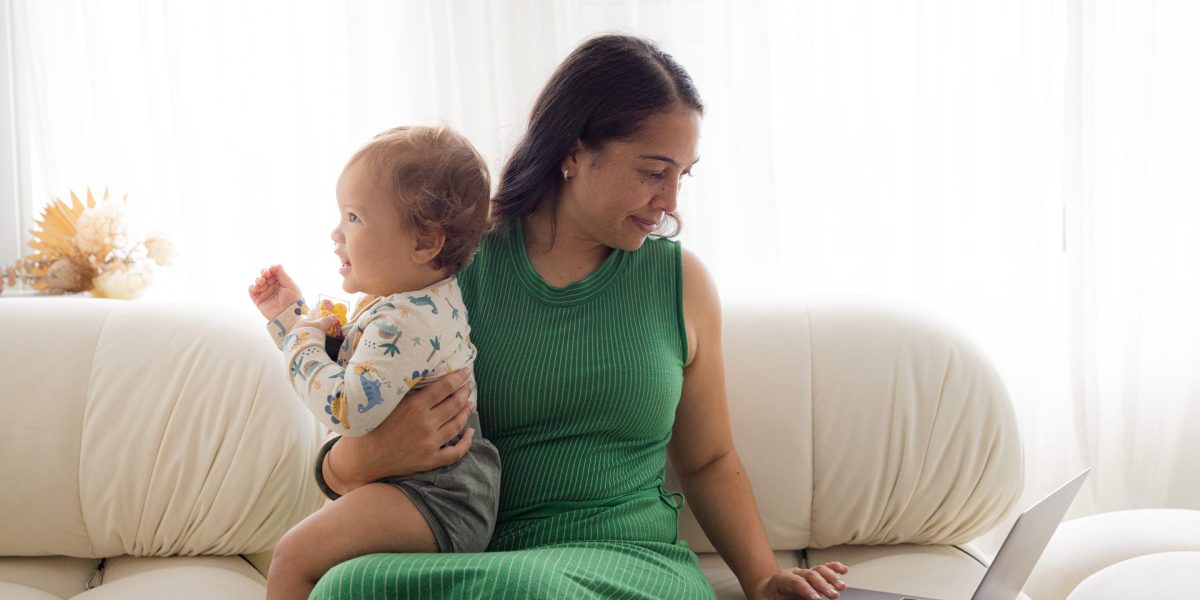
Data from the U.S. Bureau of Labor Statistics shows that women are more likely than men to work fully remotely, with about 16.4 % of women working entirely from home compared with 10.5 % of men in late 2024. Surveys and workforce reports also consistently find that women, especially mothers and caregivers, are more likely to choose or remain in remote roles because of caregiving responsibilities and the unaffordability of childcare.
Despite owning nearly half of all small businesses in the U.S., women often encounter barriers to financing. I've seen from my experience at the SBA and now First Women's Bank, that one of the biggest drivers of the gender lending gap isn't just rejection, it's that many women don't come forward for financing at all. Whether due to lack of awareness, confidence, or systemic hurdles, "access" captures both those who are denied and those who never apply.