#geothermal-energy
#geothermal-energy
[ follow ]
#renewable-energy #energy-efficiency #nuclear-energy #energy-transition #nuclear-power #ai-data-centers #meta
#renewable-energy

fromEarth911
1 month agoEnvironment
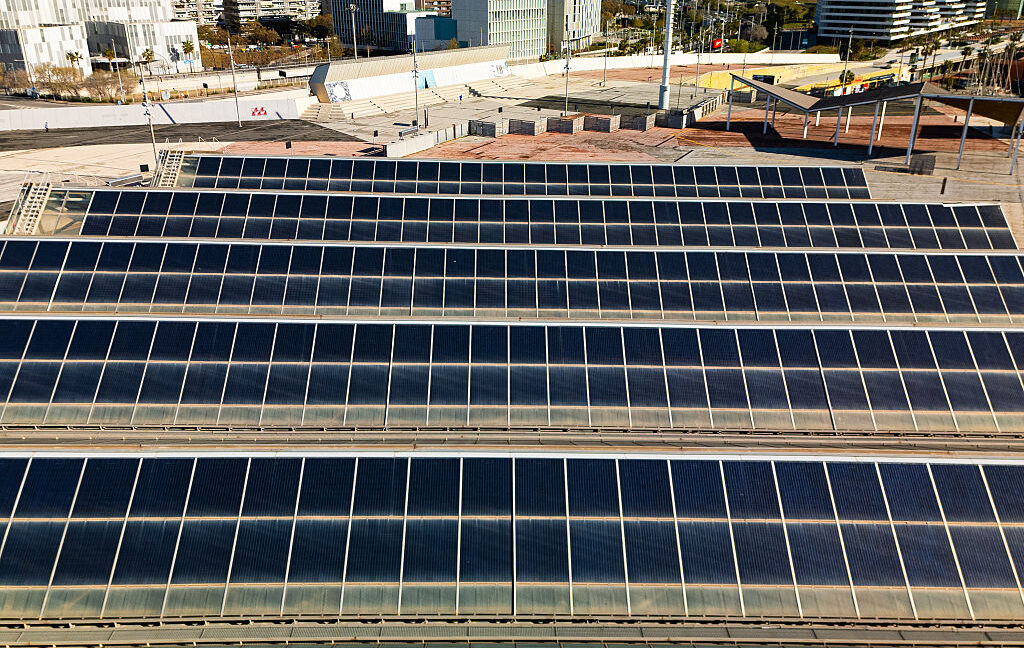
Guest Idea: How Renewable Energy Innovations are Cultivating a Healthier Planet
Transitioning from fossil fuels to renewable energy is necessary to reduce deadly pollution, protect ecosystems, stabilize the economy, and requires coordinated policy and individual actions.

#meta

Venture
fromFortune
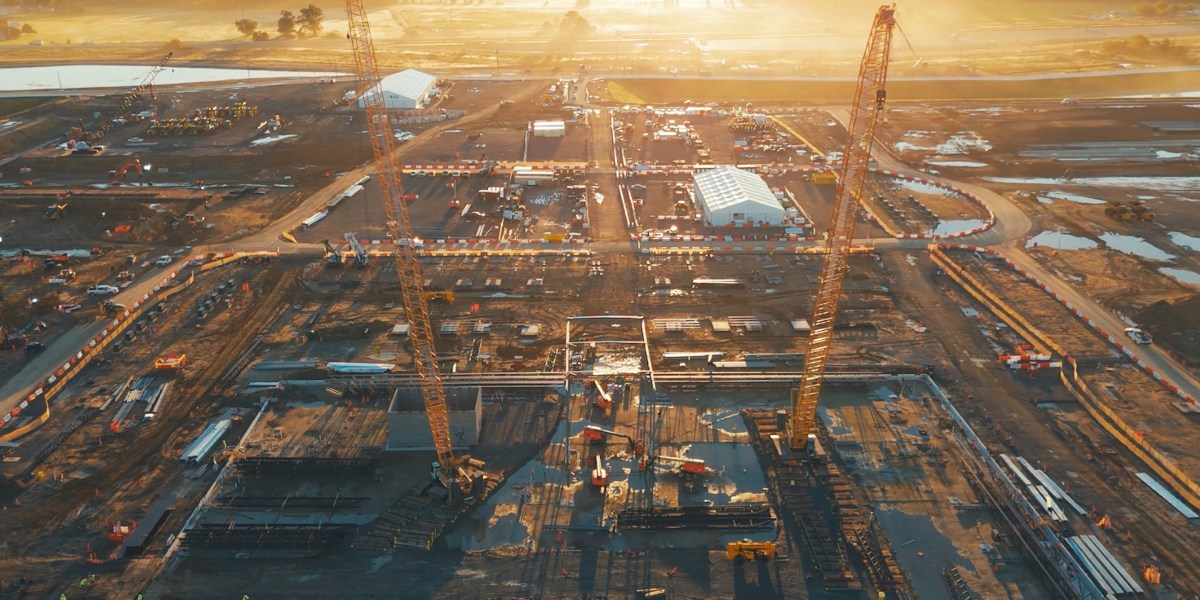
1 week agoMeta orders 10 gas-fired power plants for its Hyperion AI campus in rural Louisiana-more than triple the initial plans | Fortune
Meta is building 10 gas-fired power plants in Louisiana to support its AI data center complex, Hyperion, increasing the state's grid capacity significantly.
fromTechCrunch
2 weeks agoGeothermal startup Fervo catapults itself over the 'valley of death' | TechCrunch
The term describes when a startup has proven its tech, but hasn't raised enough money to show it can work profitably at scale. Many startups fail to ever move past this point, and end up dying off.
Venture
fromSmart Cities Dive
1 month agoBrooklyn project shows feasibility of using geothermal in dense urban areas
The first costs of a conventional system are always going to be cheaper, but the total lifecycle costs of a geothermal system are going to be far more financially feasible. In this case, there were buildings preexisting around it, so there is a very obvious logistical challenge on getting the drills into that very tight space.
NYC real estate
Real estate
fromwww.facilitiesdive.com
1 month agoBrooklyn project shows feasibility of using geothermal in dense urban areas
LCOR completed New York City's largest district geothermal project at 1515 Surf Avenue, demonstrating feasibility of major geothermal systems in dense urban environments despite higher upfront costs offset by significantly lower lifecycle expenses.
from24/7 Wall St.
1 month agoThe Hidden Decay Eating BOIL Alive Even When Natural Gas Prices Stay Flat
January 2026 showed just how violent this relationship can get: Henry Hub spiked to $30.72/MMBtu on January 23 - a near-tenfold surge - before collapsing to $3.13/MMBtu by February 23. Extreme winter heating demand and supply constraints drove that move - exactly what BOIL is built to capture on the upside, and what devastates holders on the way back down.
Business
Environment
fromwww.theguardian.com
2 weeks agoRevealed: the world's worst mega-leaks of methane driving global heating
Satellite analysis reveals dozens of massive methane leaks from oil, gas, and landfill facilities worldwide in 2025, primarily in Turkmenistan, with most leaks preventable through simple maintenance or fixable at no cost since captured methane can be sold.



fromNature
4 weeks agoThe world is getting hotter faster - its pace nearly doubled in the past decade
Because the past three years have shattered temperature records, researchers have been exploring whether global warming is accelerating, and if so, why. Many scientists agree that the rate at which it is increasing has picked up. This is mainly because of a reduction in air pollution following the introduction of fuel regulations for international shipping (which has resulted in fewer pollutant particles that reflect sunlight into space and seed insulating clouds).
Environment
fromTechCrunch
2 months agoZanskar thinks 1 TW of geothermal power is being overlooked | TechCrunch
The ground beneath our feet holds so much energy that experts at the Department of Energy think geothermal power could generate 60 gigawatts - or nearly 10% of U.S. electricity - by 2050. Zanskar co-founder and CEO Carl Holland thinks that lofty number is too low, mostly because it's discounting conventional geothermal's potential. The DOE's figures assume advances in enhanced geothermal, which uses fracking techniques to access hot rock deep underground.
Startup companies
fromArchitectural Digest
1 month agoOn a Volcanic Japanese Island, a Local Art Collective Has Transformed a House Into a Geothermal Cavern
Haruka Kojin (artist), Kenji Minamigawa (director), and Hirofumi Masui (production manager) are the founding trio of 目[mé] (which means "eye" in Japanese). Their approach? "To create works that allow us to relive the 'world as it is' that constantly unfolds before our eyes," they explain on their website. This rather mysterious intention has nonetheless led the Japanese collective, created in 2013, to exhibit at the Japan Society in New York and the Centre Pompidou-Metz, which have presented several of their installations. Japanese private homes seem to be a favorite disruptive space for the artists, who have previously integrated an extremely minimalist art gallery into a dilapidated house on another Japanese island in 2020. Other notable works include giant inflatable faces installed above natural landscapes and the recreation of monumental waves.
Remodel
Environment
fromwww.theguardian.com
1 month agoMagic beneath the surface': pioneering geothermal plant launched in Cornwall
Britain's first geothermal power station near Redruth now generates renewable electricity and extracts lithium from hot granite reservoirs, powering 10,000 homes while reviving Cornwall's mining heritage.
fromwww.theguardian.com
2 months agoFirst of its kind high-density' hydro system begins generating electricity in Devon
The pioneering technology means one of the oldest forms of energy storage, hydropower, can be used to store and release renewable energy using even gentle slopes rather than the steep dam walls and mountains that are usually required. The design means the principles of hydropower could be used as a form of long duration energy storage in many more locations across the UK, and the world, than traditional hydropower dams. The projects could be quicker and cheaper to build too.
Science
fromwww.theguardian.com
2 months agoJapan pauses restart of world's largest nuclear power plant one day after it went online
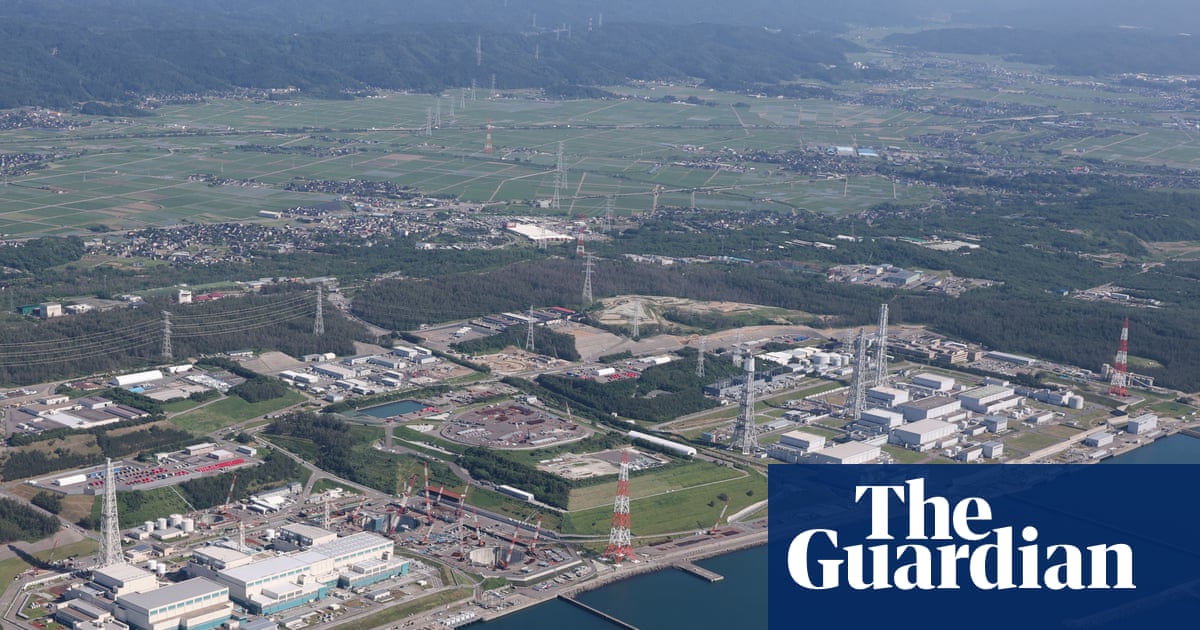
The restart of the world's largest nuclear power plant was suspended in Japan on Thursday just a day after it went online for the first time in about 14 years, with the operator saying it does not know when the problem will be solved. The Kashiwazaki-Kariwa plant in Niigata province had been closed since the 2011 Fukushima disaster, but operations to relaunch it began on Wednesday after it received the final green light from the nuclear regulator.
World news
fromTechCrunch
1 month agoAvalanche thinks the fusion power industry should think smaller | TechCrunch
Fusion power promises to supply the world with large amounts of clean heat and electricity, if researchers and engineers can solve some vexing challenges. At its core, fusion power seeks to harness the power of the Sun. To do that, fusion startups must figure out how to heat and compress plasma for long enough that atoms inside the mix fuse, releasing energy in the process.
Venture


fromFast Company
2 months agoA critical climate trend just reversed-driven by crypto and data centers
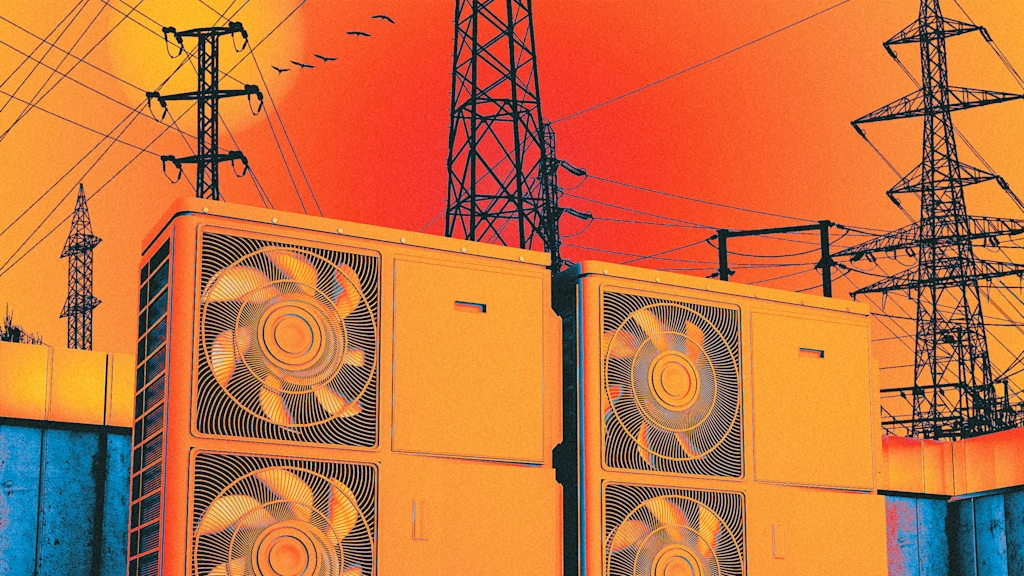
After two years of declines, United States greenhouse gas emissions increased in 2025-a change driven by increased electricity use, due in part to data centers and cryptocurrency mining, as well as cold winter temperatures that meant homes required more heating. Emissions increased 2.4% in 2025, according to preliminary data from the research firm Rhodium Group. That's higher than the country's GDP growth, which increased by a projected 1.9%.
Environment
fromwww.dw.com
2 months agoHow clean energy could save us trillions DW 01/07/2026
In the rolling hills of southeast Queensland, Australia, farmer and businessman Brent Finlay stands beneath turbines so tall they rival skyscrapers. "There's a lift inside that takes about 12 minutes to go from the bottom to the top," he said, pointing skyward. Forty-five of the giant turbines that now dot his property are part of the massive MacIntyre Wind Farm which will soon generate enough electricity to power 700,000 homes.
Environment
fromThe Verge
2 months agoIt's a new heyday for gas thanks to data centers
The US is now leading a global surge in new gas power plants being built in large part to satisfy growing energy demand for data centers. And more gas means more planet-heating pollution. Gas-fired power generation in development globally rose by 31 percent in 2025. Almost a quarter of that added capacity is slated for the US, which has surpassed China with the biggest increase of any country.
Environment
Environment
fromwww.theguardian.com
2 months agoAustralia's largest coal power plant to operate an extra two years to support national grid
Eraring power station will remain operational until April 2029 to support grid reliability while more renewable generation, storage and transmission capacity comes online.
fromNature
2 months agoTo improve resilience to climate change, track what endures
When the category-5 storm Hurricane Melissa struck Jamaica in October, its path crossed communities that had varying levels of preparedness. Many with maintained coastal protections, upgraded drainage and reliable early-warning systems had power and water restored in days. Others were immobilized for weeks.
Environment
[ Load more ]