#gershwin
#gershwin
[ follow ]
#jazz #jay-z #stephen-sondheim #creativity #broadway #music #reasonable-doubt #the-blueprint #frank-sinatra



fromwww.amny.com
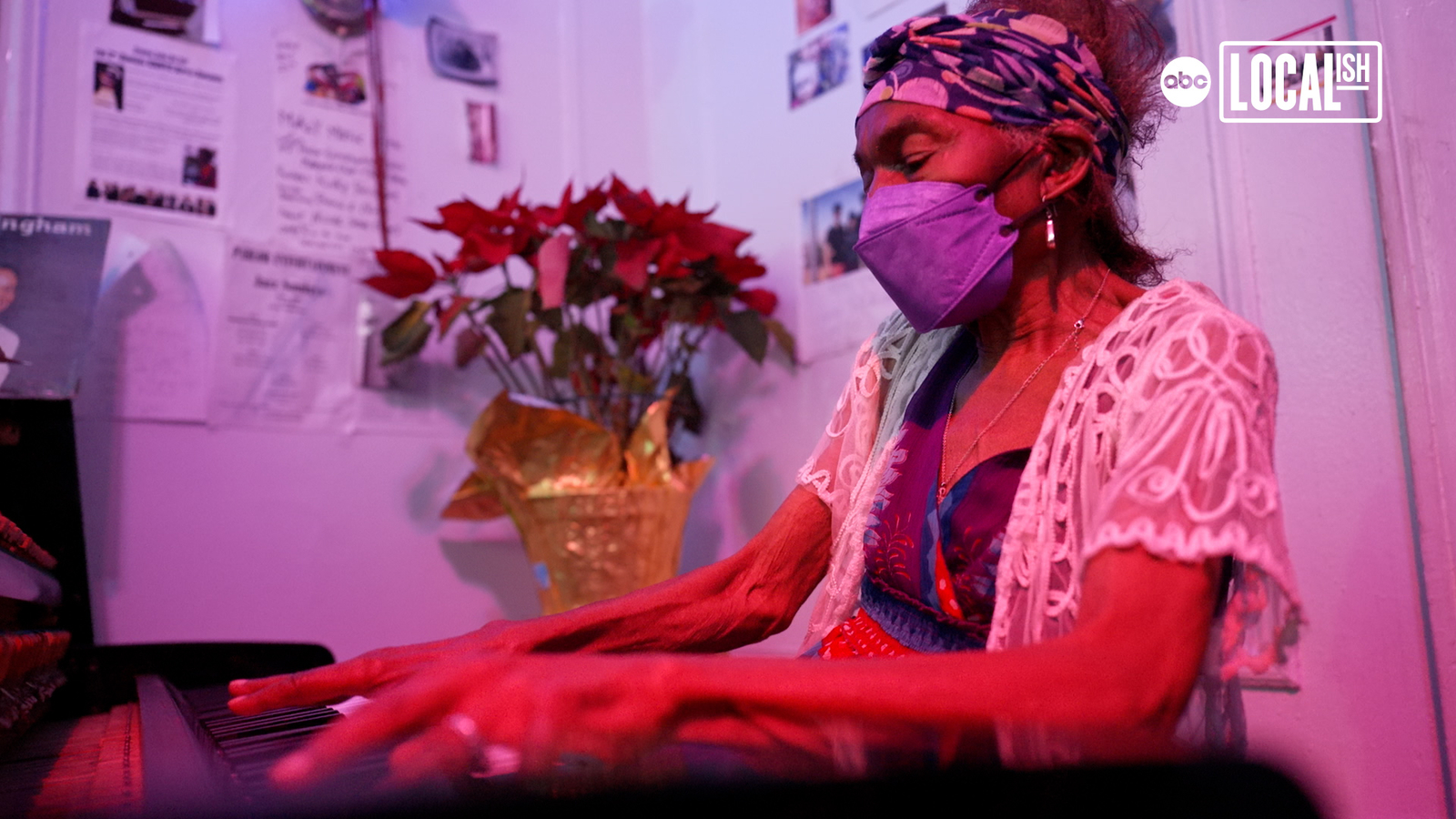
1 month agoAt Harlem's The George Manhattan Hotel, Tapestry Collection by Hilton, Black history is built into the experience | amNewYork
Black History Month is personal for me. It's about honoring resilience, creativity, leadership; in my position, it's about creating opportunities for the local community and opening doors for local businesses, said Sam Martinez, General Manager of The George.
Fashion & style
fromThe New Yorker
1 month agoVocal Resistance at the New York Festival of Song
We began in the world that was-in the humid atmosphere of fin-de-siècle Vienna, from which Zemlinsky, Schreker, and Schoenberg emerged. In a program note, Blier wrote that the "Fugitives" concept was inspired by Zemlinsky's "Meeraugen," or "Sea Eyes," which tells of a "person staring into the roiling abyss of the ocean." You had the feeling, as the evening went on, that the crushing realities of twentieth-century history-war, revolution, inflation, the Depression, Fascism-made such refined aestheticism untenable and forced composers onto other paths.
Music
fromBrooklyn Paper
2 months agoA valentine to jazz: Brooklyn Chamber Orchestra and acclaimed saxophonist Vincent Herring bring 'Charlie Parker with Strings' to Brooklyn * Brooklyn Paper
For the first time ever, Brooklyn's premier professional orchestra, the Brooklyn Chamber Orchestra, is dedicating a full program to jazz, featuring the work of the late Charlie Parker, "Charlie Parker with Strings," on Feb. 13 at St. Ann & the Holy Trinity Church in Brooklyn Heights. It is also the first time in more than a decade that "Charlie Parker with Strings" will be heard live in New York.
Brooklyn

fromAdvocate.com
1 month agoThe lush life of Billy Strayhorn, the gay Black man who was Duke Ellington's 'right arm'
Even if you're just a casual jazz fan, you probably recognize "Take the A Train," Duke Ellington's swinging theme song. Or you've heard the melancholy ballad "Lush Life" sung by Nat King Cole, by Linda Ronstadt during her Great American Songbook era, or by Lady Gaga on the album she recorded with Tony Bennett. Both of those - and many other tunes - were written by a gay man, musician, composer, and arranger Billy Strayhorn.
Music
Music
fromGame Informer
2 months ago8-Bit Big Band Founder Charlie Rosen Talks Broadway, Grammy Awards, And Why The Group Is Still A "Side Project"
Charlie Rosen treats The 8-Bit Big Band as a side project despite its Grammy win; his main career is orchestrating, arranging, conducting Broadway musicals.
fromwww.theguardian.com
2 months agoHe used the trumpet as a songbird': 100 years of Miles Davis, by jazz greats Sonny Rollins, Yazz Ahmed and more
The architect of the bestselling jazz album of all time, 1959's Kind of Blue, trumpeter Miles Davis is a towering figure in the history of the genre. Possessed of a piercing tone, innate melodic sensibility and a singularly uncompromising approach on the bandstand, Davis spent his five-decade career presiding over numerous stylistic shifts: bebop to cool jazz, modal jazz, electronic fusion, jazz funk and even hip-hop.
Music
fromSPIN
1 month agoRagger Take Ragtime to the Warp Zone - SPIN
"Many found the music offensive, the dancing objectionable, and the popularity of both with young people verging on a mental health crisis." So writes music historian Susan C. Cook about ragtime, the heavily syncopated ancestor of jazz that arose in the late 1800s. Like all things, ragtime's subversiveness faded over time, and, a century later, the works of Scott Joplin and other practitioners had been relegated to carnivals and fairs, their jaunty piano melodies now evoking quaint notions of old-timey fun.
Music
Music
fromwww.theguardian.com
2 months agoDavid Byrne review hope, humanity and dancing in a superbly paced and choreographed show
David Byrne performs an energetic, choreographed American Utopia-style concert with a 12-piece multiracial band, mobile instrumentation, striking visuals, and political undertones.
[ Load more ]