#giant-propel
#giant-propel
[ follow ]
#nasa #artemis-ii #spacex #space-exploration #space-launch-system #starship #moon-mission #orion-spacecraft


fromwww.businessinsider.com
1 day agoThe US is burning through expensive missiles. DARPA is looking for cheaper ones that can be built in days, not months.
"To accelerate current weapons development timelines, DARPA is considering an alternative development paradigm to increase the nation's magazine depth and breadth."
World news


Alternative transportation
fromEntrepreneur
3 weeks agoFlying Cars Could Hit the Skies as Soon as This Summer: 'It's Not Science Fiction'
The U.S. Department of Transportation will allow flying cars to operate in eight U.S. regions starting June 2024 through a three-year pilot program testing electric vertical takeoff and landing vehicles and ultralight aircraft.
from24/7 Wall St.
3 weeks agoRocket Lab vs. Intuitive Machines: The New Space Race Stock Showdown
We ended the year with a record $1.85 billion in backlog, representing 73% year-on-year growth, a figure we look forward to building upon in 2026. That backlog includes an $816 million SDA contract to build 18 satellites for the Tracking Layer Tranche 3 program, the largest single contract in company history, plus selection for the Missile Defense Agency SHIELD program, with potential contracts up to $151 billion.
Venture
OMG science
fromFuturism
1 month agoMysterious Chinese Space Plane Conducting Unknown Mission in Orbit
The U.S. Air Force's X-37B and China's Shendong space planes conduct secretive orbital missions with unclear military and space capabilities, both demonstrating advanced reusable spacecraft technology.
fromArs Technica
1 month agoStudy shows how rocket launches pollute the atmosphere
In a high-growth scenario for the space industry, there could be as many as 2,000 launches per year, which her modeling shows could result in about 3 percent ozone loss, equal to the atmospheric impacts of a bad wildfire season in Australia. She said most of the damage comes from chlorine-rich solid rocket fuels and black carbon in the plumes. The black carbon could also warm parts of the stratosphere by about half-a-degree Celsius as it absorbs sunlight.
Environment
fromTechCrunch
1 month agoFlapping Airplanes on the future of AI: 'We want to try really radically different things' | TechCrunch
There's just so much to do. So, the advances that we've gotten over the last five to ten years have been spectacular. We love the tools. We use them every day. But the question is, is this the whole universe of things that needs to happen? And we thought about it very carefully and our answer was no, there's a lot more to do.
Artificial intelligence
from24/7 Wall St.
1 month agoThe Space Infrastructure Builder Stumbles While the Launch Provider Burns Through Cash Faster
Redwire focuses on space infrastructure and autonomous systems. The company completed its Edge Autonomy acquisition and reported 50.7% year-over-year revenue growth. Management maintained full-year guidance of $320 to $340 million, and the book-to-bill ratio of 1.25 suggests demand is holding. But the business is bleeding cash with a net loss of $41.2 million in Q3, nearly double the $21 million loss from the prior year. Gross margin sits at just 16.3%, leaving almost no room for error.
Startup companies
Miscellaneous
fromArs Technica
2 months agoESA considers righting the wrongs of Ariane 6 by turning it into a Franken-rocket
ArianeGroup proposes replacing Ariane 6's solid side boosters with liquid, partially reusable boosters derived from MaiaSpace's methane-fueled design to cut costs and increase launch rate.
fromArs Technica
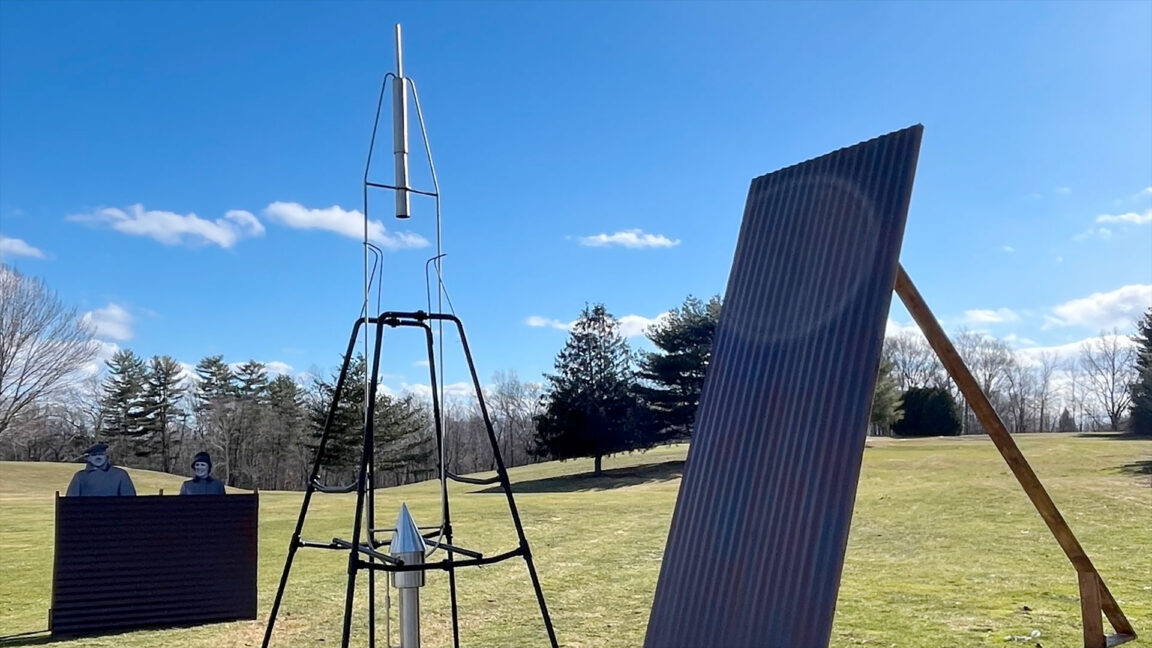
2 weeks agoA century after the first rocket launch, Ars staffers pick their favorites
Robert Goddard, a Massachusetts-born physicist, launched the world's first liquid-fueled rocket on this date 100 years ago. It was not an overly impressive flight. The rocket, fueled by gasoline and liquid oxygen, rose just 41 feet into the air, and the flight lasted 2.5 seconds before it struck ice and snow. Nevertheless, this rocket, named "Nell," represented a historic achievement that would help launch the modern age of spaceflight.
Science
Science
fromInverse
3 weeks agoProject Realistic Spaceflight: How Pop Sci-Fi Is Entering An Incredible New Era
Science fiction has shifted toward greater scientific accuracy in recent years, with mainstream projects increasingly consulting real scientists and reflecting authentic spaceflight principles.
Science
fromwww.scientificamerican.com
3 weeks agoNASA space probe expected to reenter the atmosphere with a chance of raining debris
NASA's Van Allen Probe A is reentering Earth's atmosphere with a one-in-4,200 risk of debris harm to people, expected around 7:45 P.M. EDT with a 24-hour uncertainty window.
Science
fromArs Technica
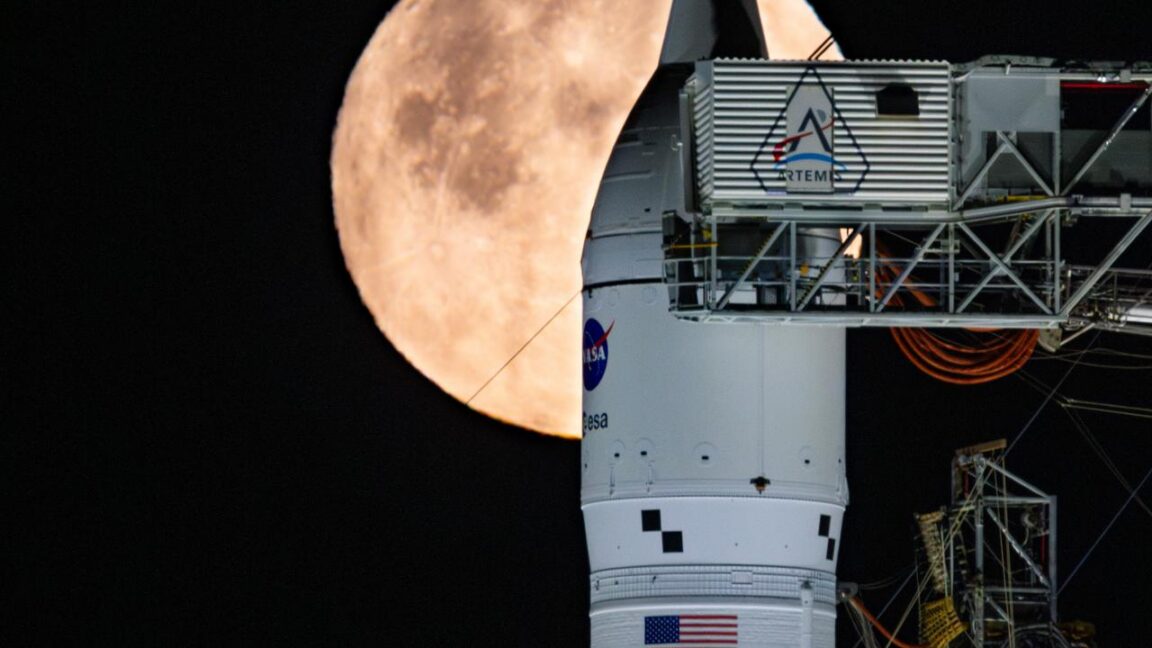
4 weeks agoDing-dong! The Exploration Upper Stage is dead
NASA's Exploration Upper Stage, a Boeing-developed upgrade for the SLS rocket, was cancelled in favor of United Launch Alliance's next-generation upper stages, ending a project that survived primarily through political support rather than technical necessity.
fromArs Technica
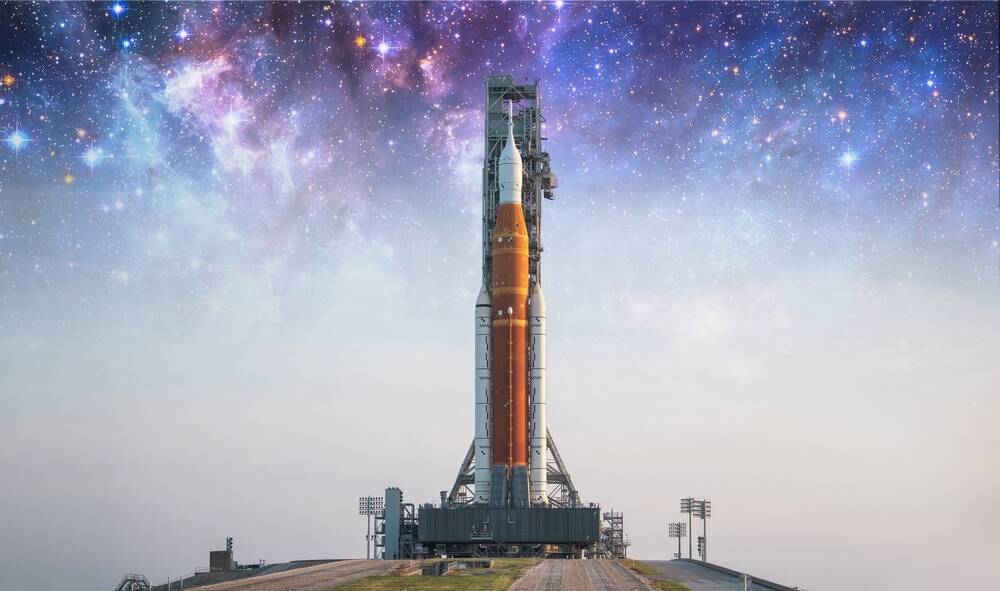
1 month agoRocket Report: Say cheerio to Orbex; China is getting good at booster landings
"You absolutely have to have a plan to compete with SpaceX on price." Welcome to Edition 8.29 of the Rocket Report! We have a stuffed report this week with news from across the launch spectrum. Long-term, probably the most significant development this week was a subscale version of the Long March 10 rocket successfully launching and then executing a picture-perfect ocean landing. China is catching up rapidly to the United States when it comes to reusable launch.
Science
fromTheregister
1 month agoVulcan Centaur reaches orbit after booster anomaly
United Launch Alliance's Vulcan Centaur reached orbit on February 12 despite "a significant performance anomaly" that saw one of its four solid rocket boosters burn through its nozzle during ascent. Viewers of the launch from Cape Canaveral at 0422 EST (0922 UTC) were treated to some impressive fireworks as the part detached in a shower of fragments. It was the fourth launch of ULA's replacement for the Atlas V and Delta IV rocket, and the second in which an anomaly was noted with the booster.
Science
Science
fromArs Technica
1 month agoULA's Vulcan rocket suffers another booster problem on the way to orbit
Northrop Grumman-built GEM 63XL solid boosters suffered manufacturing-related nozzle insulator failures that reduced thrust, yet Vulcan successfully placed military satellites into geosynchronous orbit.
fromFuturism
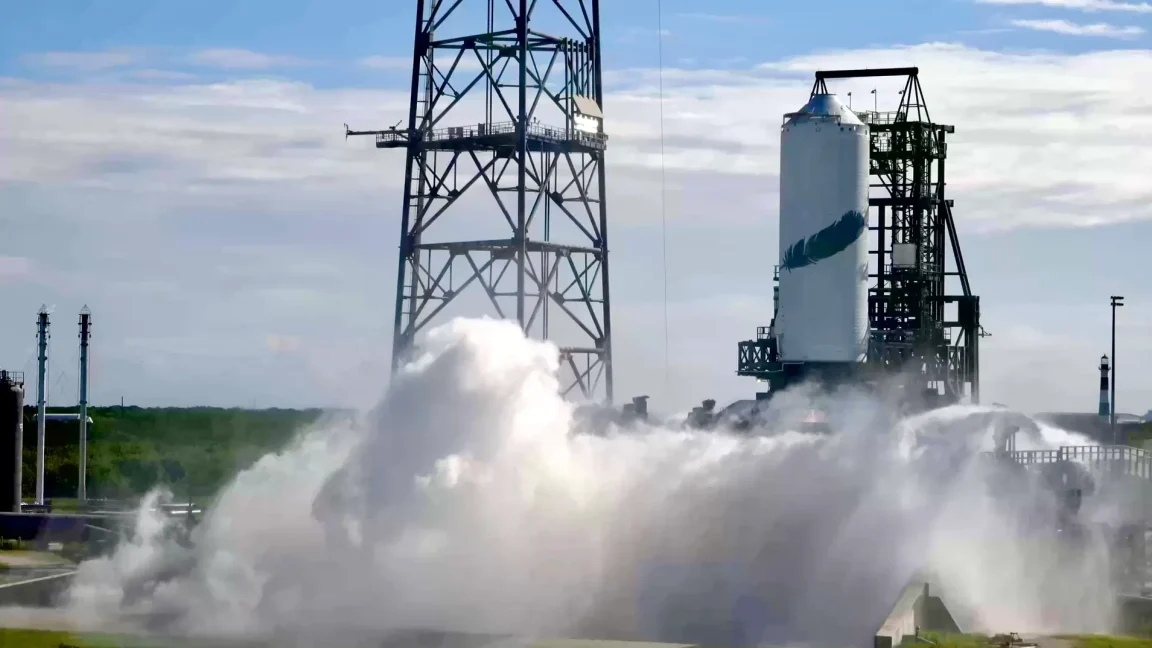
1 month agoSpaceX Veteran Says He's Figured Out How to Make Rocket Fuel From Water
The company is planning to launch a 1,100-pound satellite on a Falcon 9 rocket in October as part of an audacious proof of concept. The goal is to test water as the fuel for both electrical and chemical propulsion, processes that involve shooting out a stream of plasma with the use of a magnetic field and burning fuel at high temperature and pressure to generate thrust, respectively.
Science
Science
from24/7 Wall St.
2 months ago30 Aircraft That Were Technological Marvels But Also Operational Headaches
Technological breakthroughs in advanced aircraft often produced unmatched capabilities but caused intense maintenance, logistics, and readiness challenges that undermined long-term operational effectiveness.
fromArs Technica
1 month agoSpaceX takes down Dragon crew arm, giving Starship a leg up in Florida
Pad 40 has been the primary Falcon 9 launch site for most of the rocket's history, while Pad 39A provided a location for crew launches and an augmentation to support SpaceX's growing launch cadence. But there are signs the Falcon 9 launch cadence, which reached 165 missions last year, may be peaking as the company turns its attention to Starship. And SpaceX has steadily reduced the time it takes to reconfigure Pad 40 between launches, cutting the turnaround time to less than 48 hours.
Science
fromArs Technica
2 months agoDo you have ideas about how to improve America's space program?
Entrants will be required to write three- to five-page white papers that explain their idea and how they would shape markets and strengthen the space economy or national security. Papers are due by June 30, and judging will be complete by August 15. As an additional incentive, the best ideas will be briefed to relevant policymakers, including key members of Congress, NASA Administrator Jared Isaacman, and Saltzman, of the Space Force.
Science
fromYanko Design - Modern Industrial Design News
1 month agoThe Navy's Batwing Fighter Jet Promises Mach 4 Speed... But It's Still Just A Concept - Yanko Design
David versus Goliath stories captivate us, especially when David brings a slingshot that looks like alien technology. Enter Stavatti Aerospace, a 25-person firm from Niagara Falls taking on Boeing and Northrop Grumman for one of the most lucrative defense contracts in naval aviation. Their weapon of choice? The SM-39 Razor, a fighter design so visually striking it demands a double-take. The triple-fuselage "Batwing" configuration breaks from a century of conventional aircraft architecture, presenting a form that's more science fiction than traditional aerospace engineering.
Science
[ Load more ]