Software development
fromMedium
22 hours agoThe Open-Source AI Agent Frameworks That Deserve More Stars on GitHub
Open-source AI agent frameworks exist beyond popular tools, offering innovative solutions tailored for specific use cases.
Agentic browser tools, an experimental feature, provides agents with a set of tools to read and interact with VS Code's integrated browser. When an agent interacts with a web page, it sees updates to page content and any warnings and errors in the console. The tools work out of the box with no need to install extra dependencies.
Dependabot sounded the alarm on a large scale. Thousands of repositories automatically received pull requests and warnings, including a high vulnerability score and signals about possible compatibility issues. According to Valsorda, this shows that the tool mainly checks whether a dependency is present, without analyzing whether the vulnerable code is actually accessible within a project.
The real cost of poor observability isn't just downtime; it's lost trust, wasted engineering hours, and the strain of constant firefighting. But most teams are still working across fragmented monitoring tools, juggling endless alerts, dashboards, and escalation systems that barely talk to one another, which acts like chaos disguised as control. The result is alert storms without context, slow incident response times, and engineers burned out from reacting instead of improving.
Central to the GA release is Agentic Chat. This functionality builds on the previously introduced Duo Chat but goes a step further by leveraging context from virtually every part of GitLab. Think of issues, merge requests, CI/CD pipelines, and security findings. Agentic Chat can not only advise, but also actually perform actions on behalf of developers, depending on the rights and approvals that have been set.
Industry professionals are realizing what's coming next, and it's well captured in a recent LinkedIn thread that says AI is moving on from being just a helper to a full-fledged co-developer - generating code, automating testing, managing whole workflows and even taking charge of every part of the CI/CD pipeline. Put simply, AI is transforming DevOps into a living ecosystem, one driven by close collaboration between human judgment and machine intelligence.
Software development used to be simpler, with fewer choices about which platforms and languages to learn. You were either a Java, .NET, or LAMP developer. You focused on AWS, Azure, or Google Cloud. Full-stack developers learned the intricacies of selected JavaScript frameworks, relational databases, and CI/CD tools. In the best of times, developers advanced their technology skills with their employer's funding and time to experiment. They attended conferences, took courses, and learned the low-code development platforms their employers invested in.
DBmaestro is a database release automation solution that can blend the database delivery process seamlessly into your current DevOps ecosystem with minimal fuss, and without complex installation or maintenance. Its handy database pipeline builder allows you to package, verify, and deploy, and gives you the ability to pre-run the next release in a provisional environment to detect errors early. You get a zero-friction pipeline, which is often not the case with database delivery process.
Over the past decade, software development has been shaped by two closely related transformations. One is the rise of devops and continuous integration and continuous delivery (CI/CD), which brought development and operations teams together around automated, incremental software delivery. The other is the shift from monolithic applications to distributed, cloud-native systems built from microservices and containers, typically managed by orchestration platforms such as Kubernetes.
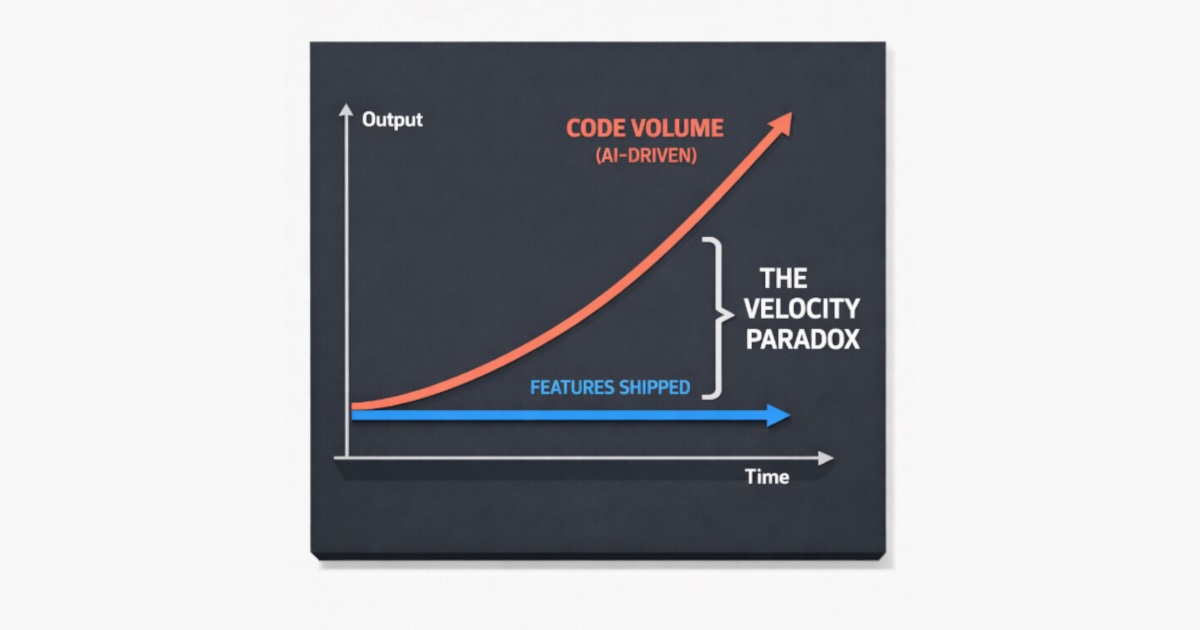
On December 19, 2025, Cursor acquired Graphite for more than $290 million. CEO Michael Truell framed the move simply: code review is taking up a growing share of developer time as the time spent writing code keeps shrinking. The message is clear. AI coding tools have largely solved the generation speed. Now the industry is betting that review is the next constraint to break.
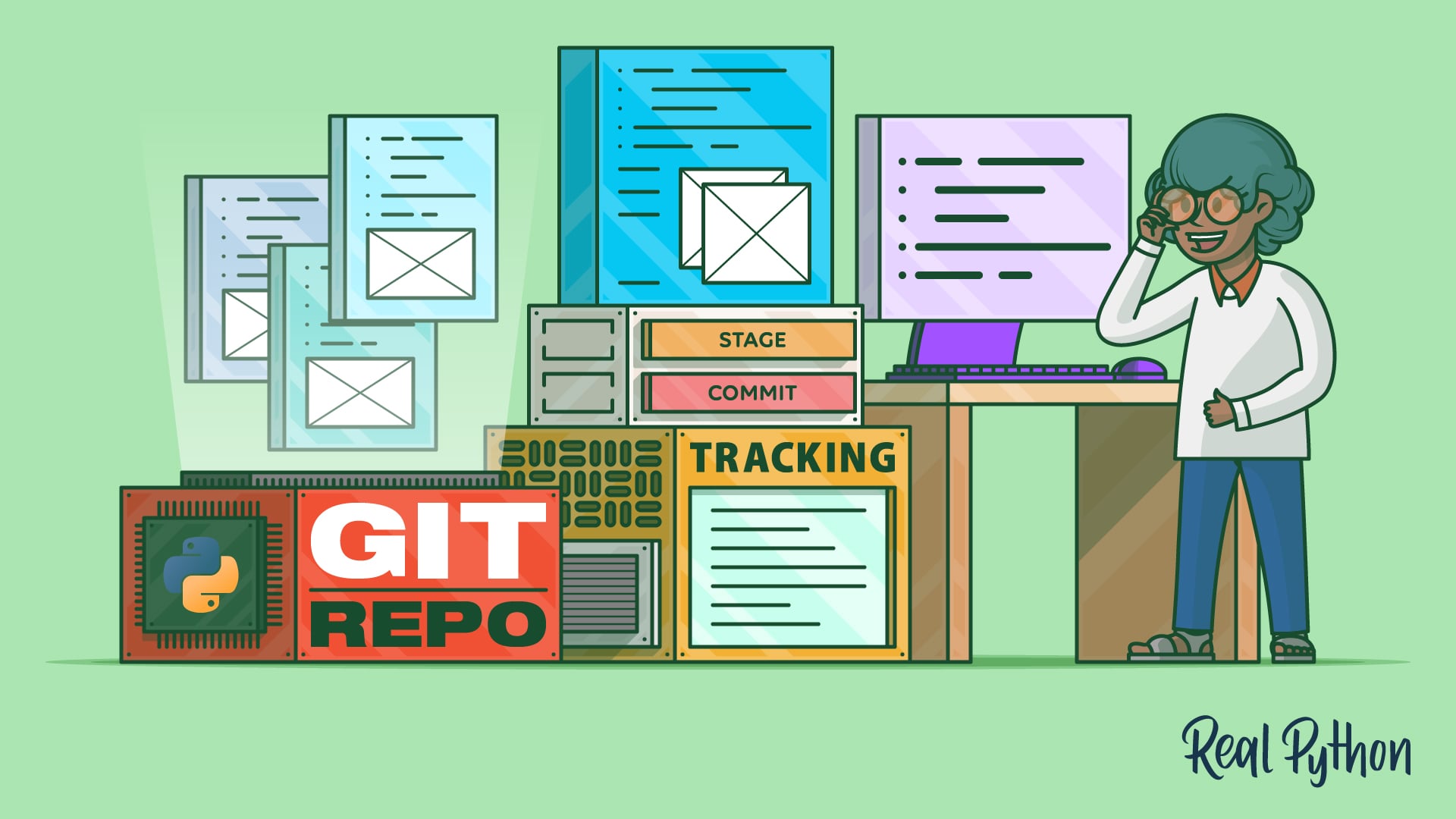
Software engineering didn't adopt AI agents faster because engineers are more adventurous, or the use case was better. They adopted them more quickly because they already had Git. Long before AI arrived, software development had normalized version control, branching, structured approvals, reproducibility, and diff-based accountability. These weren't conveniences. They were the infrastructure that made collaboration possible. When AI agents appeared, they fit naturally into a discipline that already knew how to absorb change without losing control.