#glacial-ice-floes
#glacial-ice-floes
[ follow ]
#climate-change #sea-level-rise #thwaites-glacier #greenland #antarctica #geopolitics #extreme-weather
#climate-change

Environment
fromFast Company
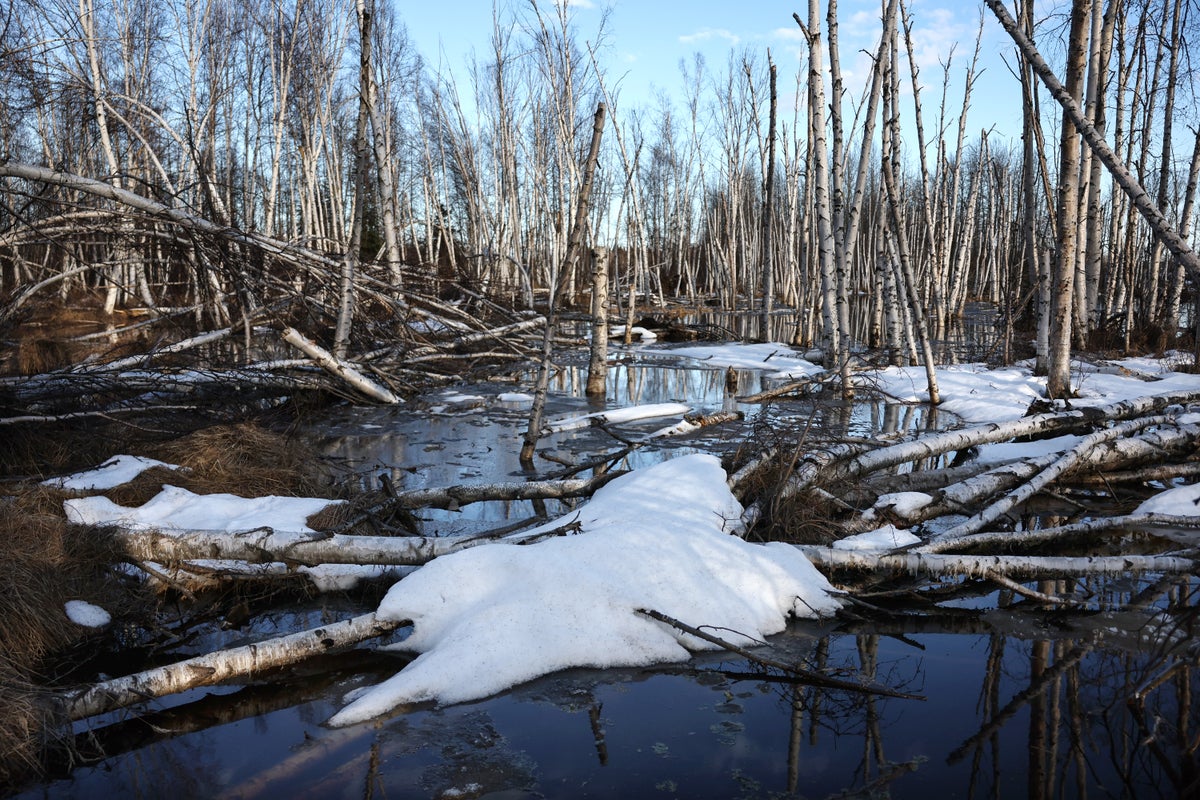
2 months agoWhy is it so cold if there's global warming? Extreme winter weather can deepen misconceptions about climate
Climate change increases global temperatures while also amplifying extreme cold events like Arctic blasts, causing record cold in some regions despite overall warming.

fromSnowBrains
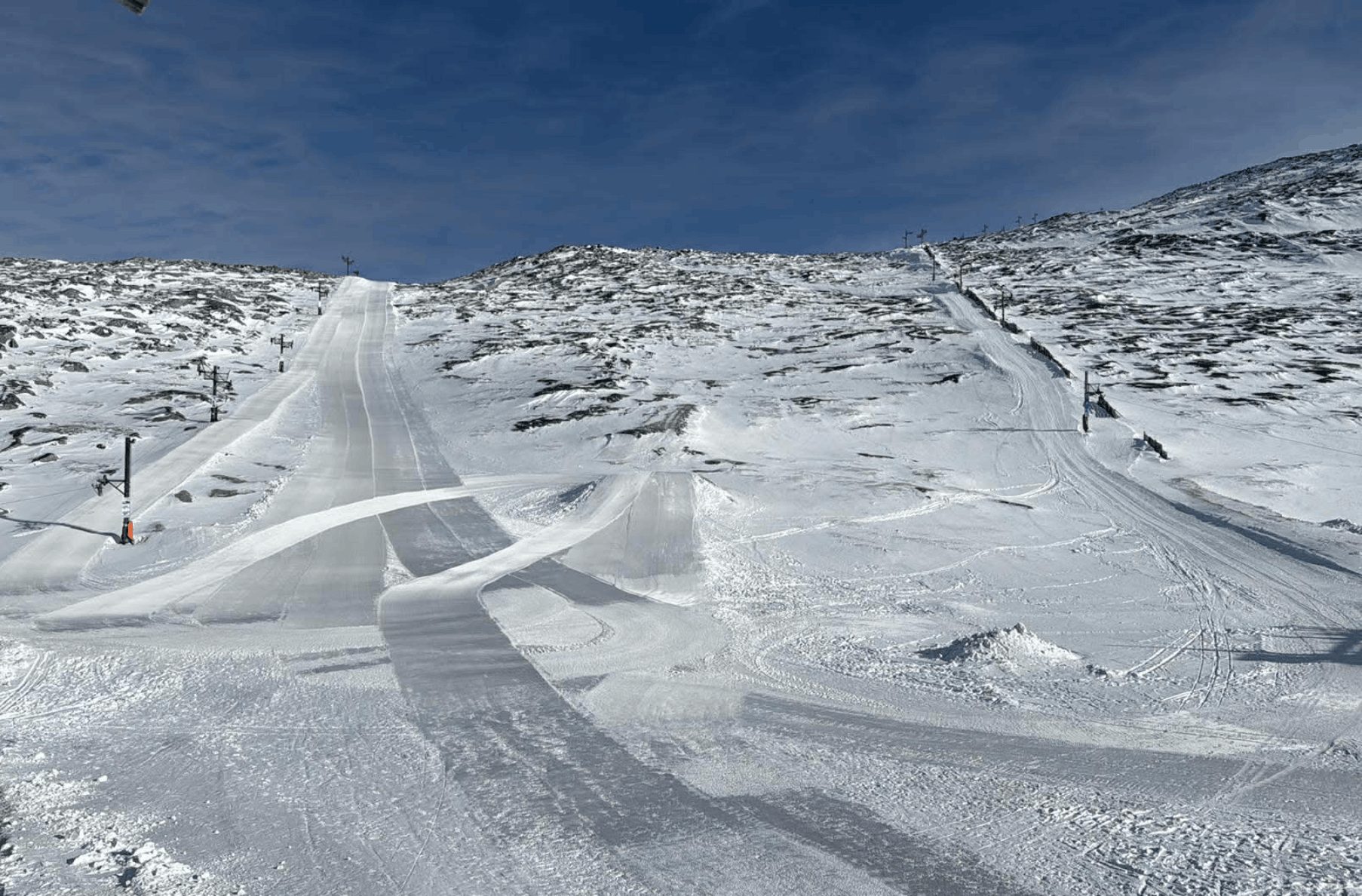
2 days agoCalifornia Snowpack April 2026: 18% Average After Record Heat
"It feels like we skipped spring this year and dropped straight into a summer heatwave. What should have been a gradual snowmelt happened suddenly weeks ago. To me, this is another reminder that aging water systems need to be retrofitted for more volatile precipitation patterns."
Snowboarding
fromMail Online
3 weeks agoOur science editor reviews a 'once in a lifetime' trip to Antarctica
Imagine waking up on a ship surrounded by icebergs, camping in the snowy wilderness and kayaking among the exhalations of humpback whales. You can also take part in a polar plunge, board small zodiac boats to search for leopard seals and collect samples for science research.
Travel
OMG science
fromFortune
3 weeks agoKing penguins are a rare species seemingly benefiting from climate change. Here's why | Fortune
King penguins are thriving by breeding 19 days earlier due to climate warming, achieving 40% higher breeding success rates unlike most species experiencing phenological mismatches.
Science
fromNature
1 month agoThe first ice-core record of historical atmospheric hydrogen levels
Atmospheric hydrogen levels fluctuate with climate changes and have increased significantly since pre-industrial times due to human activities, requiring consideration in projections of future emissions impacts.
Environment
fromState of the Planet
3 weeks agoAntarctica Undergoes 'Greenlandification' As Ice Melt Accelerates
Antarctica's ice sheet is undergoing rapid destabilization similar to Greenland's, with accelerating surface melt, ice shelf collapse, and grounding line retreat driven by oceanic and atmospheric warming.
Environment
fromMail Online
3 weeks agoScientists find 'red flags' hinting the Gulf Stream is near collapse
The Atlantic Meridional Overturning Circulation shows warning signs of potential collapse due to freshwater from melting ice sheets diluting ocean water and weakening the system's driving mechanism.
fromThe Atlantic
1 month agoThe Blind Spot at the Top of the World
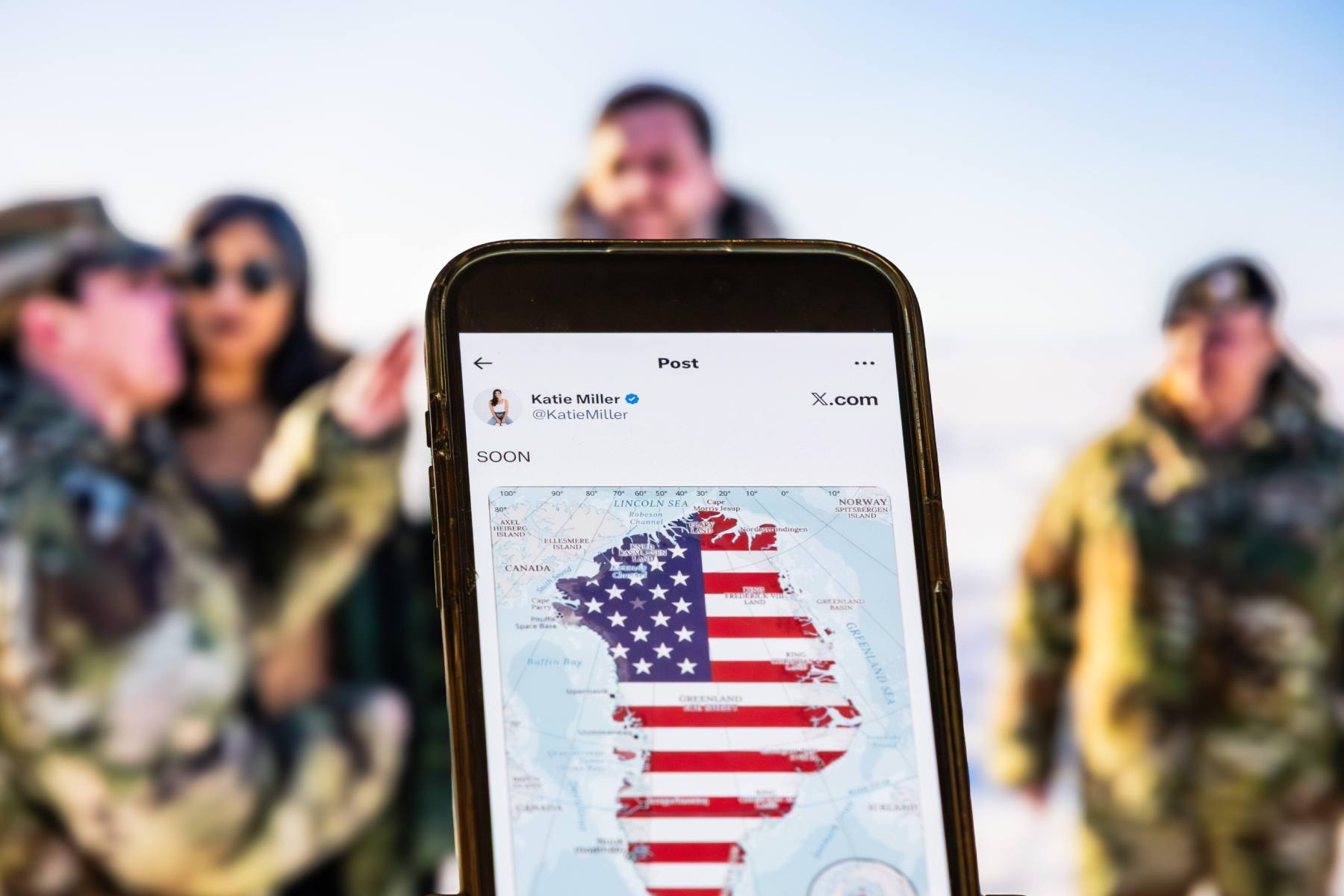
He had flown in from Mar-a-Lago and, he told me, was there to observe. The next day, he watched as Åsa Rennermalm, a Rutgers University professor who studies polar regions, sat onstage with European foreign ministers and spoke out against cuts to U.S. science funding. "A leading US Arctic scientist is on stage absolutely ripping her country to the delight of the audience," Dans wrote on X. "Embarassing." He punctuated his post with an American-flag emoji.
US politics

Canada news
fromArchitectural Digest
1 month agoIn Greenland, Design Meets Glaciers, Gravesites, and a Galactic Ocean
Modern expedition cruising makes remote Arctic sites like Beechey Island and Franklin’s wrecks accessible, blending comfortable travel with encounters of historical tragedy and extreme conditions.
Travel
fromTravel + Leisure
1 month agoThis Is the Most Important Cruise Detail to Know Before Booking an Expedition Cruise
Polar Class ratings define a vessel's hull strength, propulsion, maneuverability, and safety equipment for operating in varying polar ice conditions, with PC1 highest and PC7 lowest.
fromThe Local Germany
2 months agoWill the ice ever melt in Germany this winter?
In Berlin, hospitals and clinics and working nonstop to treat a surge of patients with injuries from falling on icy pavements. Surgeons have been working through the night to cope with the influx, with many patients suffering broken bones, concussions and even near-paralysis from falls according to reporting in the Berliner Zeitung. Meanwhile, on Thursday night alone, police in Hanover and the surrounding region recorded 37 traffic accidents due to slippery roads, though thankfully only one person was slightly injured.
Miscellaneous
fromMail Online
1 month agoAntarctica's worst-case climate scenario laid bare
Changes in the Antarctic do not stay in the Antarctic. Though Antarctica is far away, changes here will impact the rest of the world through changes in sea level, oceanic and atmospheric connections and circulation changes.
Environment



fromSnowBrains
1 month agoAlaska, A Place Known for Massive Snow Totals, Records Snowiest January in Recorded History - SnowBrains
Recently, Anchorage, Alaska's largest city with nearly 400,000 residents, has just recorded its snowiest January on record. Tucked in between the mighty Cook Inlet and pushed right up against the Chugach Mountains, Anchorage sits in prime location for some serious snow totals. Moisture from pacific storms builds up over the inlet, and thanks to orographic lift caused by the mountains, forces that moisture to drop over Anchorage. Thanks to Alaska's northernly location, that moisture often falls in the form of snow.
Snowboarding
fromArs Technica
1 month agoScientists hunting mammoth fossils found whales 400 km inland
At first glance, it looked like Wooller and his colleagues might have found evidence that mammoths lived in central Alaska just 2,000 years ago. But ancient DNA revealed that two "mammoth" bones actually belonged to a North Pacific right whale and a minke whale-which raised a whole new set of questions. The team's hunt for Alaska's last mammoth had turned into an epic case of mistaken identity, starring two whale species and a mid-century fossil hunter.
Science
fromState of the Planet
2 months agoUnexpected Climate Feedback Links Antarctic Ice Sheet With Reduced Carbon Uptake
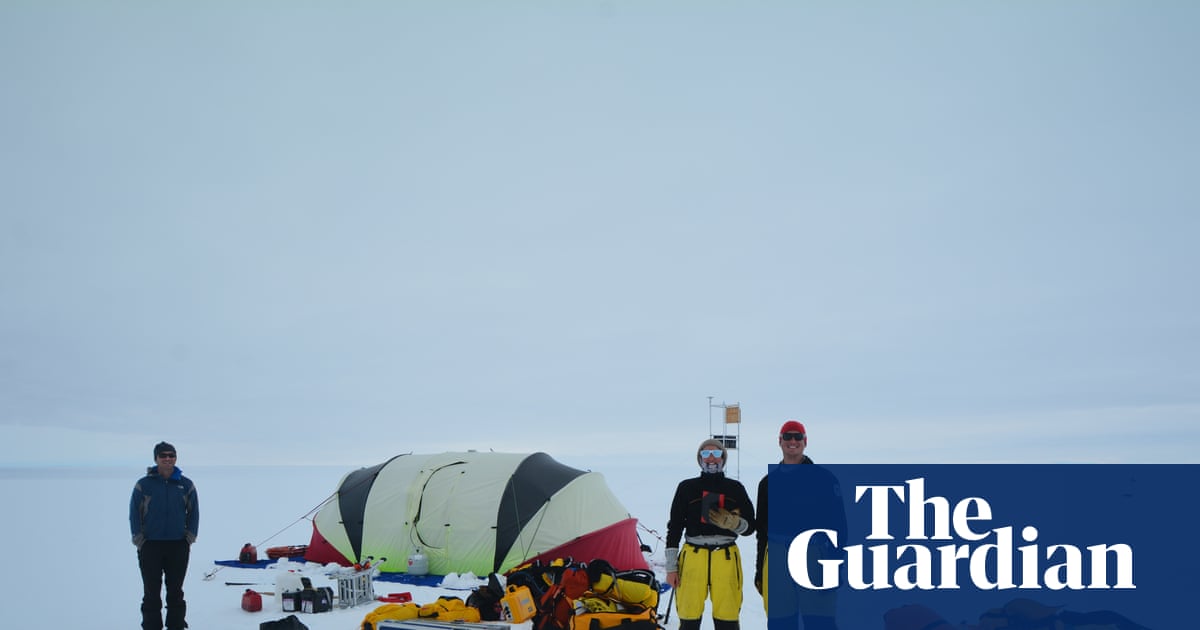
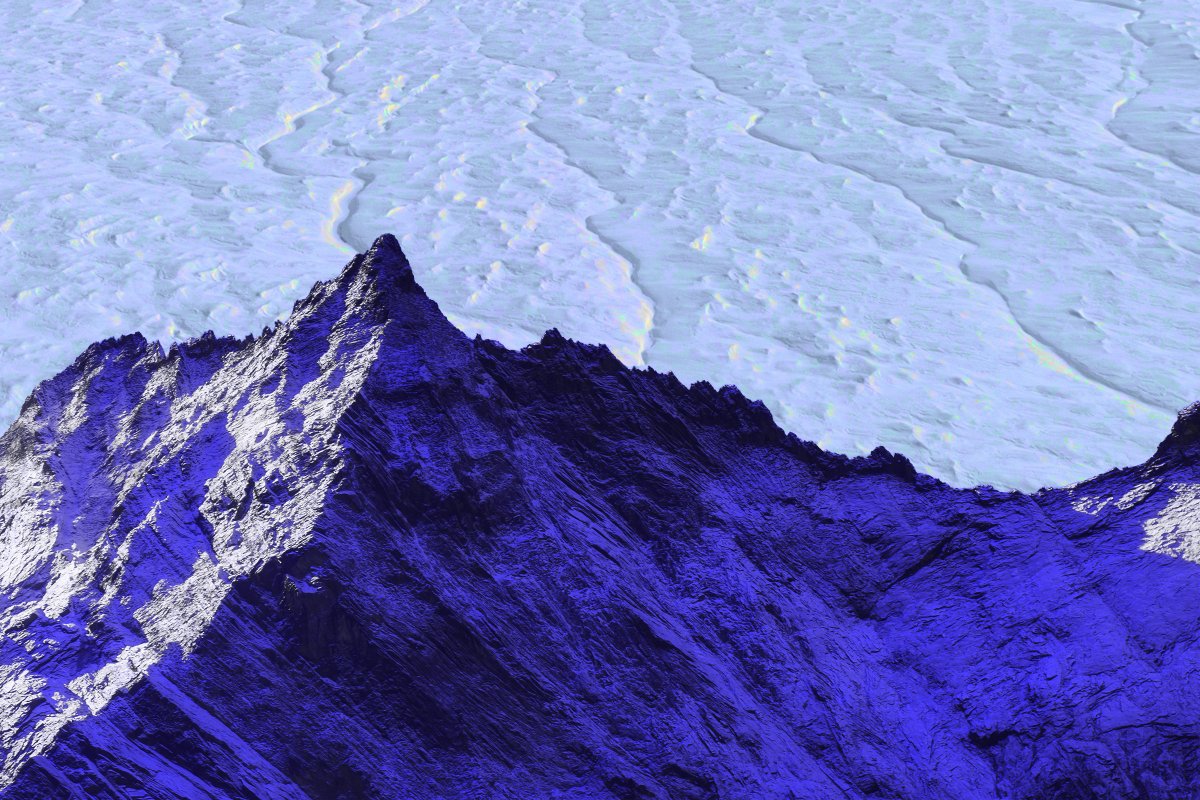
Ice-sheet retreat lined up with low algae growth over the past ~500,000 years, implying less CO₂ uptake in parts of the Southern Ocean during warm periods. The study points to iceberg-delivered, iron-rich sediments from West Antarctica during warm intervals, not windblown dust. The iron-bearing minerals in these sediments were highly weathered and not readily bioavailable to marine algae. If WAIS keeps shrinking, similar sediment delivery could weaken Southern Ocean carbon uptake, creating feedback that could amplify climate change.
Environment
fromwww.theguardian.com
2 months agoWe study glaciers. Artificial glaciers' and other tech may halt their total collapse | Brent Minchew and Colin Meyer
Sea levels are rising faster than at any point in human history, and for every foot that waters rise, 100 million people lose their homes. At current projections, that means about 300 million people will be forced to move in the decades to come, along with the social and political conflict as people migrate inland. Despite this looming crisis, the world still lacks specific, reliable forecasts
Environment
fromState of the Planet
2 months agoSea Levels Are Rising-But in Greenland, They Will Fall
That seemingly paradoxical dynamic results from several factors. Foremost among them is the rebound of land beneath the Greenland Ice Sheet, a mile-thick body of glacial ice that covers 80 percent of the island and is being lost to melting at a rate of roughly 200 billion tons each year. As the ice sheet loses mass, the land beneath rises.
Science
fromwww.dw.com
2 months agoArctic scientists 'feel pretty uncomfortable' on Greenland
Decades of successful scientific collaboration could be at risk if Europe-US political relations continue to fray over trade and defense issues. For more than 30 years, Arctic nations have worked together across the physical, biological and social sciences to understand one of the world's fastest changing regions. Since the late 1970s, the Arctic has lost around 33,000 square miles of sea ice each year roughly the same area as Czechia.
Science
fromwww.scientificamerican.com
2 months agoSvalbard's polar bears are showing remarkable resilience to climate change
Polar bears are the poster children of climate changeand for good reason. These giant bears hunt, mate and spend their days hanging out on Arctic sea ice, which is rapidly disappearing as the climate warms. But some polar bears, it seems, are far more resilient than we realized: new research suggests that in one region, the bears are adapting to the declining sea ice.
Environment
fromenglish.elpais.com
2 months agoArctic warming Trump dismisses reaches record highs, stoking interest in Greenland
Climate change which U.S. President Donald Trump calls the greatest con job ever perpetrated in the world is precisely what is driving the push to gain control of Greenland, an ambition openly declared by Trump. Human-caused global warming is reaching record levels in the Arctic region. This triggers ice melt, opening new shipping routes that major powers want to control, as well as theoretically easier access to the island's resources minerals and fossil fuels.
Environment
fromwww.nytimes.com
2 months agoVideo: The Sounds of Antarctica? Flying in the Cold? Your Questions, Answered
So, believe it or not, the cold air that we get down here actually tends to help the performance of the helicopter. DAN: The low pressure systems we have here, particularly in this, weather we've been having, tends to create the opposite effect by decreasing the pressure. Low pressure systems, thinner air. DAN: And that cooler air makes the pressure higher again.
Environment
Science
fromwww.theguardian.com
2 months agoBlind, slow and 500 years old or are they? How scientists are unravelling the secrets of Greenland sharks
Greenland sharks are not blind, overturning prior assumptions and revealing major gaps in understanding of their biology, aging, behavior, and climate vulnerability.
fromwww.scientificamerican.com
1 month agoAncient seafarers helped shape Arctic ecosystems
In the pristine High Arctic sits the Kitsissut island cluster, also known as the Carey Islands, nestled between northwest Greenland and northeast Canada. The surrounding seas are perilous, and traveling there is difficult even with modern boats. But new archaeological evidence suggests ancient humans managed to sail to the islands, too. Early settlers lived on the islands between 4,500 and 2,700 years ago.
Science
fromwww.scientificamerican.com
2 months agoScientists Just Moved the South Pole. Here's Why
When we envision the South Pole, we tend to think of a fixed point on Earth. But it is more fluid than you might suppose. For starters, the geographic South Pole is situated at the southern tip of Earth's axis, pretty much right in the middle of Antarctica. But this place on our planet does not coincide with Earth's magnetic or geomagnetic South Polesthose are related to the planet's magnetic field and are located on the Adelie Coast and near Russia's Vostok Station, respectively.
Science
Environment
fromwww.mercurynews.com
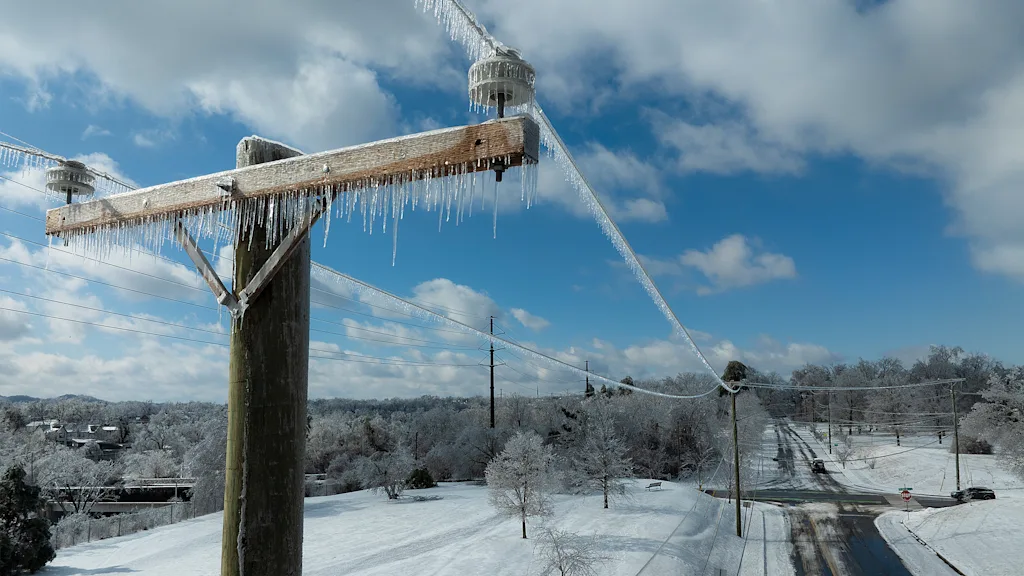
2 months agoMeteorologists blame a stretched polar vortex, moisture, lack of sea ice for dangerous winter blast
Warm Arctic waters and cold land are elongating the polar vortex, bringing subzero temperatures, heavy snow, and crippling ice across much of the United States.
fromWIRED
2 months agoNo One Is Quite Sure Why Ice Is Slippery
The reason we can gracefully glide on an ice-skating rink or clumsily slip on an icy sidewalk is that the surface of ice is coated by a thin watery layer. Scientists generally agree that this lubricating, liquidlike layer is what makes ice slippery. They disagree, though, about why the layer forms. Three main theories about the phenomenon have been debated over the past two centuries. Last year, researchers in Germany put forward a fourth hypothesis that they say solves the puzzle.
Science
[ Load more ]