#glass-manufacturing
#glass-manufacturing
[ follow ]
fromwww.theguardian.com
2 days agoThe dark side of the balloon boom is it time they were banned?
In 2019, scientists found that balloons eaten by seabirds are more likely to kill them than other kinds of plastic yet they do not seem to have been earmarked in the same way as, for example, plastic straws.
Public health
Alternative transportation
fromSustainable Bus
3 days agoNew certified Ultrafabrics collections target durability and compliance in passenger transport interiors - Sustainable Bus
Ultrafabrics launches new certified collections for passenger transport, combining durability, aesthetics, and sustainability in high-performance upholstery fabrics.
OMG science
fromYanko Design - Modern Industrial Design News
1 week agoResearchers turned Sawdust Waste and Watermelon Seeds into Recyclable Fire-resistant Panels - Yanko Design
Sawdust can be transformed into a strong, fire-retardant composite material using struvite and an enzyme from watermelon seeds.
fromWIRED
2 weeks agoA New Generation of Big Water Filters-Without the Plastic
Most water filter pitchers are made of BPA-free plastic. But as new research shows that bottled-water drinkers ingest tens of thousands of excess microplastic particles, wellness lovers have begun to look askance at water filters that are themselves made of plastic.
Beer
Arts
fromOpen Culture
2 weeks agoEnchanting Video Shows How Globes Were Made by Hand in 1955: The End of a 500-Year Tradition
The first globe was created in 1492 by Martin Behaim and Georg Glockkendon, beginning a 500-year handmade tradition that continued until machines replaced manual production in the 20th century.
Fashion & style
fromBusiness Matters
3 weeks agoWhy Sustainable Fashion is More Than Just a Trend: Clothing, Bags, and Accessories for a Better Future
Sustainable fashion has moved from niche to mainstream as consumers increasingly demand transparency about production, labor practices, and environmental impact of clothing and accessories.
fromThe Art Newspaper - International art news and events
3 weeks agoGlassblower and porcelain heir Paul Arnhold on the art he loves to collect
Glass demands immediacy. Working at temperatures above 2,000°F leaves little room for overthinking, so the process becomes a kind of live dialogue between material, colour and chance. That same immediacy informs what I'm drawn to as a collector: works that carry a decisive gesture, a tactile presence, and the feeling that they could only exist in one form.
Miscellaneous
fromArchDaily
3 weeks agoHow Architecture Is Learning to Generate Its Own Energy
Photovoltaic (PV) solar energy represents a modular technology that can be manufactured in large-scale facilities, generating economies of scale, while also being adaptable to small-scale applications. From residential rooftop systems to large-scale power generation installations, photovoltaic solar energy has established itself as a cost-effective option for electricity production in many countries around the world.
Environment
fromArchDaily
1 week agoDesigning for Obsolescence in an Age of Perpetual Upgrades
In the nineteenth century, entire railway networks became obsolete almost overnight, not due to physical deterioration, but because of changes in the technical standards that supported them. The expansion of railroads across Europe and North America adopted different track gauges, and as a dominant standard gradually emerged, these infrastructures became incompatible with one another.
Renovation
Arts
fromArchDaily
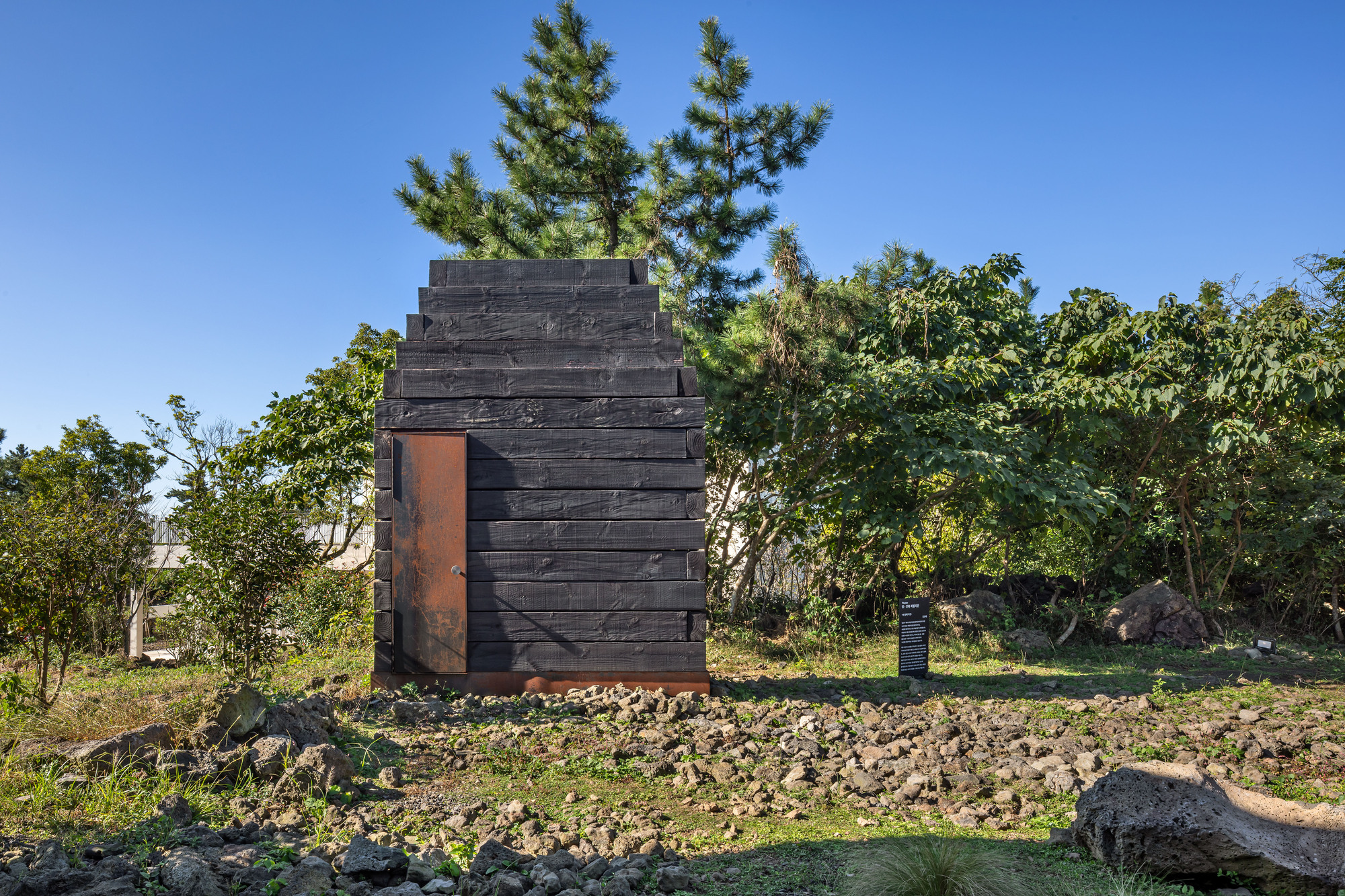
1 month agoBuildFest Introduces "Acts of Construction," a Three-Year Exploration of Timber Installations
Bethel Woods launches BuildFest, a three-year initiative featuring large-scale timber installations and multimedia experiences on the historic 1969 Woodstock festival grounds, organized sequentially around construction, choreography, and performance themes.
fromBusiness Matters
2 weeks ago6 Business Use Cases For Perforated Metal
Perforated metal has long been valued for its strength, versatility, and clean visual appeal. Created by punching patterns of holes into metal sheets, it offers a practical balance between airflow, light control, and structural support. Across industries such as architecture, construction, mining, and interior design, perforated metal has become a go-to material for projects that require both function and style.
Design
#building-integrated-photovoltaics
Renovation
fromYanko Design - Modern Industrial Design News
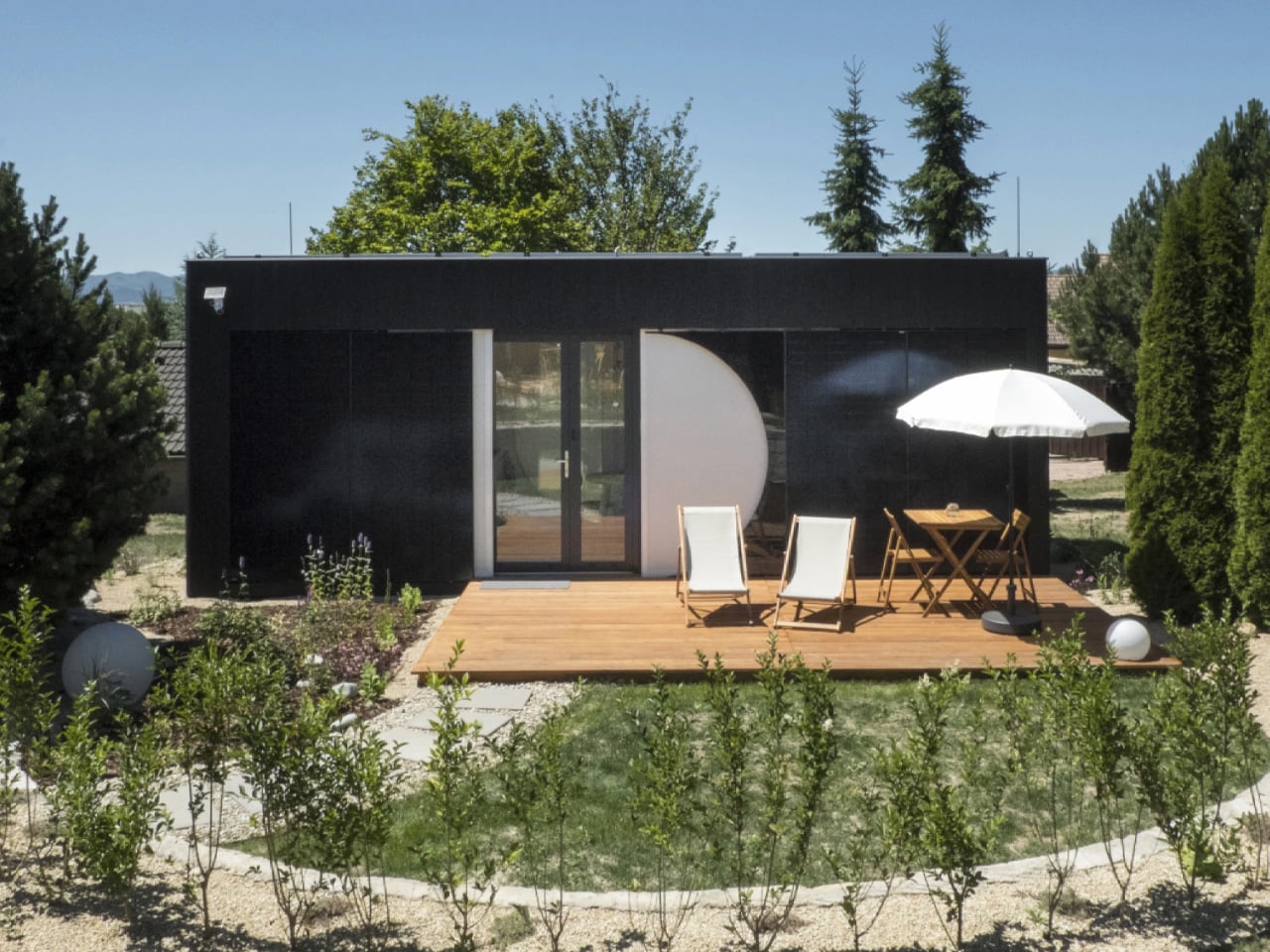
3 weeks ago5 Solar Panel Designs So Beautiful You'd Never Know They're Generating Power - Yanko Design
Buildings are evolving from energy-efficient structures into active power generators through integrated photovoltaic technology and aesthetic solar solutions.
Cooking
fromArchitectural Digest
1 month agoThe Case for Recycled Water Showers-and 3 Other Kitchen and Bath Innovations from KBIS
Water-efficient bathroom fixtures including low-flow toilets and showers deliver significant water savings while maintaining performance, with engineered stone manufacturers shifting to low-silica compositions for health and safety.
Renovation
fromYanko Design - Modern Industrial Design News
2 weeks ago5 Greenhouse-Based Designs That Use 90% Less Water Than Yours - Yanko Design
Integrated greenhouse systems transform homes into self-sustaining structures that merge architecture with food production, reducing resource dependence and enhancing energy efficiency.
Design
fromApartment Therapy
3 weeks agoDesigners Are Done Perfectly "Matching" Their Marble - Here's the New Way to Use Stone
Modern stone design in 2026 prioritizes mixing different stones intentionally with varied finishes and embracing natural patina, replacing the outdated approach of matching all stone surfaces uniformly throughout spaces.
fromFuturism
1 month agoThe Economics of 3D Printed Homes Are Surprisingly Horrible
According to the outlet SlashGear, the neighborhood encompasses five 1,000-square-foot houses just north of Sacramento. Each domicile is produced by a hulking concrete printer worth about $1.5 million, which took about 24 days to spit out the first house. In the future, 4Dify expects the whole process to take about 10 days, but that isn't what's astonishing about the Yuba County neighborhood - it's the price tag.
Real estate
fromArchDaily
3 weeks agoBuilding with Earth: Traditional Knowledge in Contemporary Architecture
Rather than representing a simple return to the past, this renewed interest reflects a broader reconsideration of how architecture engages with materials, local resources, and environmental conditions.
Renovation
Design
fromdesignboom | architecture & design magazine
3 weeks ago'raw geological poetry': how SolidNature interprets stone into an architecture of emotions
SolidNature transforms natural stone from conventional building material into atmospheric, emotionally expressive design medium through craftsmanship, technology, and artistic collaboration.
Environment
fromArchDaily
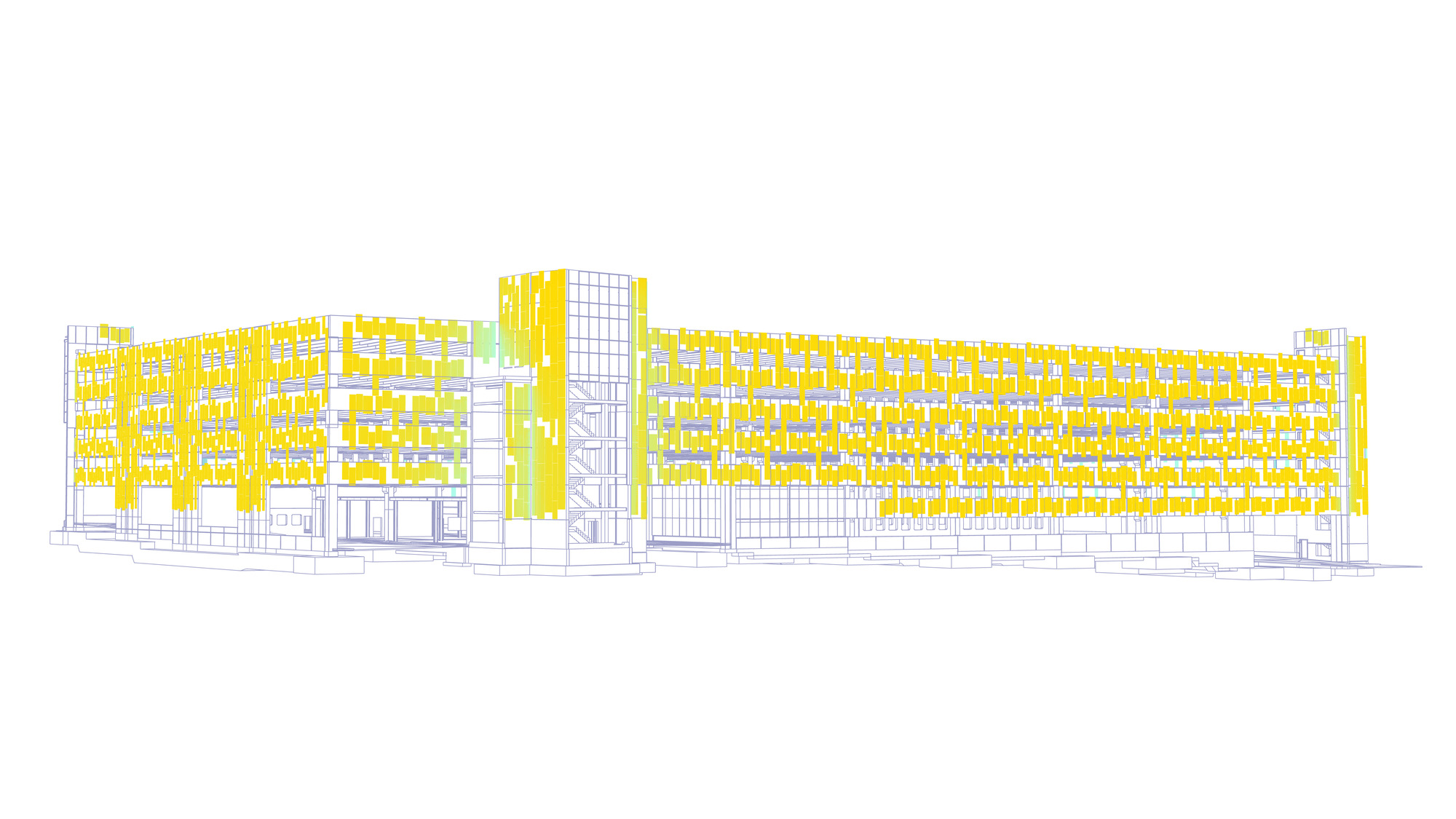
1 month agoCan Shading Become Energy? From Passive Facades to Productive Envelopes
Facades can generate significant renewable energy by integrating colored photovoltaic shutters that combine shading, daylight control, and electricity production without adding envelope complexity.
Design
fromArchDaily
3 weeks agoFacing the Age of Robots? Material Innovation in Architectural Structures
Robotic technology in construction extends beyond automation and cost reduction to fundamentally reshape architectural design, material experimentation, and construction methodologies through collaborative human-robot workflows.
fromThe Verge
2 months agoJackery's solar-powered Gazebo is a good DIY idea
Jackery, the home battery company, is back at CES with a solar-powered Gazebo it swears you'll be able to buy in the second half of the year, starting in California. With an expected price of between $12,000 and $15,000 before adding any battery storage, you might want to save a few bucks and build one yourself from solar panels and power stations that Jackery, and many others, will happily sell you.
Gadgets
fromEarth911
1 month agoGuest Idea: Wearing the Change-Transforming Coffee Pods Into Meaningful Jewelry
Each piece begins with used coffee pods collected from my community, materials that were never meant to last beyond a single use. Before any design work begins, the pods must be cleaned, sanitized, flattened, cut, folded, and shaped entirely by hand. They arrive dented, stained, and inconsistent, carrying the marks of their previous life. Learning how to work with those imperfections, rather than erasing them, was one of my first challenges.
Environment
Renovation
fromdesignboom | architecture & design magazine
1 month agoalsar-atelier repurposes raw construction materials as reversible enclosed exhibition booth
Alsar-Atelier's pallet installation demonstrates how temporary exhibition architecture can achieve ornamental quality while remaining fully disassemblable and reusable, reducing waste through reversible design.

Real estate
from24/7 Wall St.
2 months agoThese 3 Building Material Companies Are Fighting for Construction Dollars. Here's Who's Winning.
Rising housing construction demand benefits insulation suppliers: installers TopBuild and IBP gain installation volume while Owens Corning benefits from material manufacturing.
Design
fromdesignboom | architecture & design magazine
1 month agoreclaimed corrugated fiberglass panels reform as luminous sculpture by heilig objects
Salvaged corrugated fiberglass panels from an abandoned hut are transformed into a limited-edition light sculpture, preserving fifty years of environmental patina within custom wooden frames.
fromColossal
1 month agoIn Collaboration with Indigenous Artisans Around the World, PET Lamp Emphasizes Sustainability
Tons upon tons of these single-use plastics end up in landfills or even floating in the ocean. Spanish design firm PET Lamp set out give another purpose to these otherwise short-lived materials. Partnering with artisans in communities from Chile to Ethiopia to Australia, the company celebrates both Indigeneity and sustainability, drawing upon time-honored global craft traditions while supporting local economies and recycling discarded materials.
Arts
fromTasting Table
1 month agoThe Interesting Reasons To-Go Coffee Cups Have That Extra Teeny Hole - Tasting Table
First and foremost, that small hole allows steam to escape. If a lid is fully sealed right after the cup is filled, steam can gather inside. Under the right conditions, that could build enough pressure to pop the lid off and result in a nasty burn. Letting a tiny bit of steam escape instead makes that pressure build up less likely to happen.
Coffee
fromdesignboom | architecture & design magazine
1 month agomanufactura blends corn and lime composites for robotic 3d printed construction
Mexico's construction sector faces significant environmental and social challenges. The widespread use of carbon-intensive materials has positioned the industry as a major contributor to national CO₂ emissions. At the same time, construction labor conditions remain unstable, with limited access to technical training and high occupational risk. CORNCRETL, developed by MANUFACTURA, proposes a circular material strategy that addresses both environmental impact and production models within the building industry.
Environment
fromEarth911
2 months agoGuest Idea: 7 Solutions to Give Your Old Sunglasses a Second Life
Just like that coffee cup, eyewear is a complex fusion of materials. Metal hinges are screwed into polymer frames, which hold chemically-coated lenses. This mix of metals, plastics, and coatings means standard sorting machines cannot process them. As a result, they are rejected as contamination and sent directly to landfills, where they contribute to non-biodegradable waste. Unlike a disposable paper cup, however, a pair of sunglasses is built for durability. Its high-quality components make it a perfect candidate for repair, reuse, or reinvention.
Environment
fromArchDaily
2 months agoCircular Composites: Designing for a Sustainable Future
One of the earliest large-scale examples of composite materials can be found in the Great Wall of China, where stone, clay bricks, and organic fibers such as reeds and willow branches were blended to create a resilient and lasting structure. These early techniques reveal a timeless intuition: distinct materials, when combined thoughtfully, produce properties unattainable by any single element.
Environment
fromArchDaily
1 month agoWhen Light Meets Energy in Glass Ceilings
From the large industrial roofs and galleries of the 19th century to the contemporary atriums of museums and public buildings, glass has been a recurring material in shaping large and monumental interior spaces. More than a technological or engineering solution, these horizontal glazed planes introduce a distinct luminous quality: light that comes from above. Unlike lateral daylight entering through façades, zenithal light is more evenly distributed, reduces harsh shadows, and lends spaces a sense of continuity and openness that is difficult to achieve otherwise.
Design
Environment
fromwww.theguardian.com
1 month agoWe can learn from the old': how architects are returning to the earth to build homes for the future
Unstabilised rammed earth provides a low-carbon, locally sourced building method with thermal mass, moisture control and potential for circular construction.
fromdesignboom | architecture & design magazine
1 month agoindustrial components assemble glowing clock-house by drawing architecture studio in china
Drawing Architecture Studio presents The Clock House No.2 at the 7th Shenzhen Bay Public Art Season in Shenzhen, Guangdong Province, China, on view until April 19th, 2026. Commissioned for the public art program, the Beijing-based practice reinterprets the historical automaton clock as architecture, using low-cost industrial components to construct a structure that chimes and glows every fifteen minutes. Where the clocks once gifted to emperors represented technical virtuosity and expensive craftsmanship, this installation adopts a deliberately rough and economical construction.
Design
fromdesignboom | architecture & design magazine
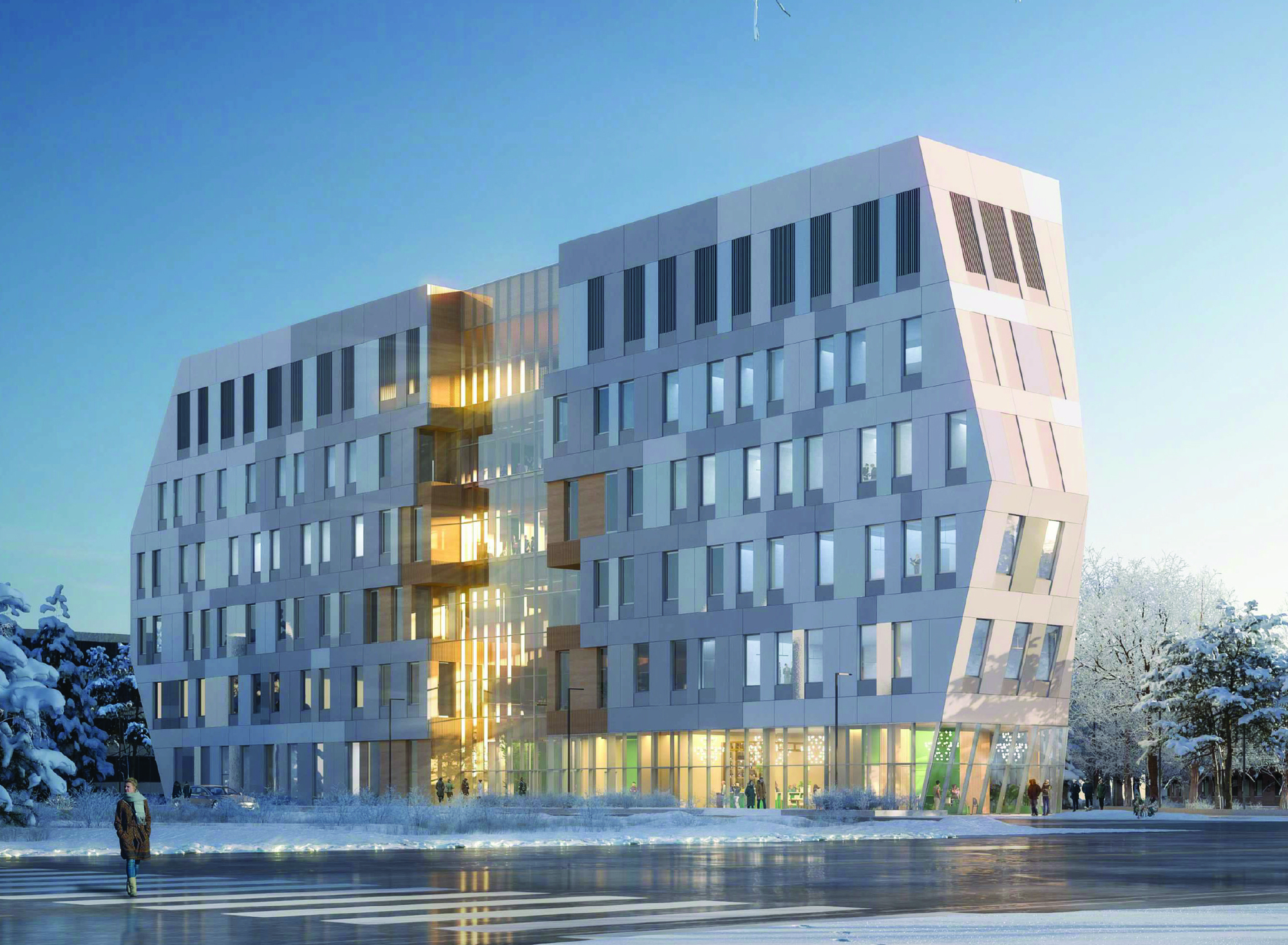
1 month agoreflective steel sheet cladding wraps acheres technical center in france
The site lies within the Petite Arche joint development zone, where design considerations include the town entrance, contextual integration, and alignment with natural elements. The building's form signals its position in an urbanized area and maintains visual dialogue with the surrounding landscape, including the protected Saint-Germain-En-Laye forest. A vegetated threshold along the northern edge reinforces landscape continuity, while the southern boundary engages with the urban character of the area.
Design
Design
fromdesignboom | architecture & design magazine
2 months agowearable collection repurposes leftover leather powder as translucent composite material
OBRO converts leather manufacturing offcuts into semi-transparent PVC composite by embedding finely ground leather powder to create visually layered, tactile, durable sheets.
Design
fromwww.archdaily.com
2 months agoFrom Material Intelligence to Circularity: Lessons from Architecture in 2025
Architects prioritize material innovation in 2025—agricultural waste, recycled plastics, and living materials—balancing tradition, circularity, and material intelligence for resilient, low-carbon construction.
fromArchDaily
2 months agoFrom Industry to the Living Room: Metal Furniture in Interior Architecture
How did a material conceived for bridges, factories, and large-scale structures make its way to the living room bench, the apartment bookshelf, the café table? For centuries, metal was associated with labor, machinery, and monumentality-from the exposed structures of 19th-century World's Fairs to the productive logic of modern industry. Its presence in domestic interiors is not self-evident but rather a cultural achievement: the transformation of an industrial material into an element of everyday, intimate use, in close proximity to the body.
Design
Design
fromdesignboom | architecture & design magazine
1 month agokinetic lighting activates mechanical movement in a sculpture of steel and glass
Kinetic lighting object integrating pulleys, counterweights, glass sphere reflector, and onyx diffuser to produce adjustable directional and diffused illumination via physical interaction.
fromArchDaily
2 months agoSelf-Sufficient Facades: Where Solar Protection Meets Renewable Energy
Spaces of light and darkness are conceived to enhance circulation and spatial directionality, as well as to highlight the colors, textures, and forms of specific architectural elements. That said, the impact of natural light on building facades reveals the need to develop strategies that support energy savings, improve the thermal and visual comfort of interior spaces, and promote the reduction of carbon emissions.
Design
Design
fromYanko Design - Modern Industrial Design News
2 months agoSomeone Made a Flat-Pack Stool from Glass That Loops Like Frozen Water - Yanko Design
Tide Stool transforms flat-pack furniture into a luxurious, sculptural stool using toughened glass fins, precision 3D-printed joinery, and hand-finished upholstered tops.
Design
fromYanko Design - Modern Industrial Design News
2 months agoThis Solar Pavilion Powers the Grid and Charges Phones from Its Seats - Yanko Design
A solar-powered public pavilion provides shade, generates and stores electricity, and offers lighting, fan operation, and device charging while visibly celebrating renewable energy.
[ Load more ]