#global-energy-crisis
#global-energy-crisis
[ follow ]
#strait-of-hormuz #oil-price-surge #strait-of-hormuz-blockade #iran-conflict #iran #strait-of-hormuz-closure
#strait-of-hormuz
World politics
fromwww.aljazeera.com
2 weeks agoHow big of a problem is the Strait of Hormuz for Donald Trump?
The Strait of Hormuz closure following US-Israel attacks on Iran disrupts 20% of global energy supplies, creating diplomatic and economic challenges for President Trump seeking international support.
World news
fromLondon Business News | Londonlovesbusiness.com
1 week agoIran threatens to blockade the crucial chokepoint that connects Asia to Europe via the Suez Canal - London Business News | Londonlovesbusiness.com
Iran's threats to target vessels in the Bab al-Mandab Strait raise concerns about a potential global energy crisis.
#iran
World news
fromLondon Business News | Londonlovesbusiness.com
1 week agoThe Strait of Hormuz is open only for 'friendly' ships, Iran says - London Business News | Londonlovesbusiness.com
Iran claims the Strait of Hormuz is open but warns enemy vessels will be denied passage, raising global energy crisis fears.
World news
fromwww.aljazeera.com
2 weeks agoIran war: What is happening on day 20 of US-Israel attacks?
Israel-Iran conflict escalates on day 20 with strikes on energy infrastructure, assassinations of senior Iranian officials, and Iranian retaliation against Gulf state facilities, threatening global energy supplies.
World news
fromLondon Business News | Londonlovesbusiness.com
2 weeks agoTrump is 'not happy' with Starmer's response to Iran war - London Business News | Londonlovesbusiness.com
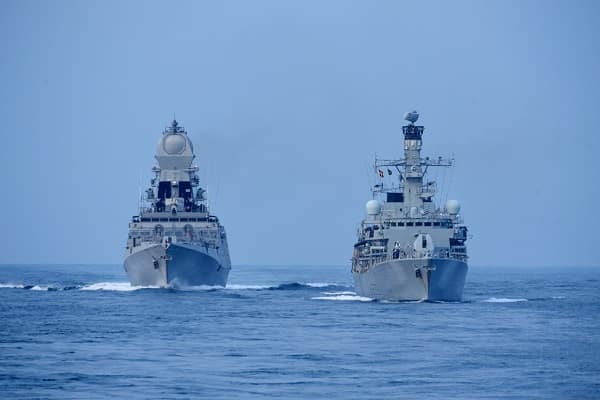
Trump criticizes UK's reluctant approach to securing the Strait of Hormuz, urging Britain to deploy naval assets to prevent global energy disruption from Iran conflict escalation.
#strait-of-hormuz-blockade



World news
fromFortune
2 weeks agoOil climbs as Iran seizes Hormuz gatekeeper role while Trump eyes risky naval option to reopen strait that may require boots on the ground | Fortune
Iran controls Strait of Hormuz passage, allowing selective transit while maintaining de facto blockade that has driven oil prices above $100 per barrel and prompted U.S. military coalition efforts.
World news
fromLondon Business News | Londonlovesbusiness.com
2 weeks agoStarmer is considering to deploy assets as Iran tightens control over the Strait of Hormuz - London Business News | Londonlovesbusiness.com
Britain considers deploying minehunting drones to counter Iran's blockade of the Strait of Hormuz, which carries 20% of global oil shipments and threatens economic stability.
fromwww.aljazeera.com
2 weeks agoJapan begins release of oil reserves as Iran war sparks energy crisis
Japan has begun releasing oil from its emergency reserves amid the global energy crisis sparked by the effective closure of the Strait of Hormuz by Iran in response to US-Israeli attacks. The release was announced on Monday in a notice published in the Japanese government's official gazette.
World news
#iran-israel-conflict
World news
fromFortune
2 weeks agoSkyrocketing energy prices and inflation woes mount as the 'absurd' reality in Iran sinks in | Fortune
A U.S.-Israeli conflict with Iran threatens global economic stability through Strait of Hormuz disruption, potentially causing stagflation as oil prices surge toward $150 per barrel and ripple across groceries, employment, markets, and interest rates.
World news
fromFortune
1 month agoWar widens in Middle East with over 500 dead, according to Iranian Red Crescent Society | Fortune
Iran and allied groups launched widespread missile attacks on Israel, U.S. targets, and Arab states, prompting Israeli and U.S. retaliation, with the conflict expanding across multiple fronts and showing no signs of ending soon.
#oil-supply-disruption
World news
fromLondon Business News | Londonlovesbusiness.com
3 weeks agoIEA Warns Iran Conflict Creating Severe Oil Supply Issues - London Business News | Londonlovesbusiness.com
Iran-related conflict causes the largest global oil supply disruption in history, with Strait of Hormuz flow reduced to a trickle and anticipated 8 million barrel-per-day decline by March.
World news
fromFuturism
3 weeks agoLooks Like the Economy Is Hitting a "Nightmare Scenario"
Tanker disruptions in the Strait of Hormuz due to U.S.-Iran tensions cut off 20% of global oil and liquefied natural gas supplies, causing crude prices to exceed $100 per barrel and triggering recession fears across global markets.
#strait-of-hormuz-closure



World news
fromwww.theguardian.com
3 weeks agoAsia scrambles to confront energy crisis unleashed by Iran war with no end in sight
The closure of the Strait of Hormuz threatens global oil supplies, with Asia facing severe crude import disruptions as Middle Eastern producers reduce output and emergency reserves deplete.
World news
fromwww.theguardian.com
1 month agoChina calls for vessels in strait of Hormuz to be protected amid soaring shipping costs
The Strait of Hormuz closure due to Iran-Israel conflict disrupts global energy supplies, with China and India facing significant oil import disruptions and shipping rates soaring.
World news
fromFast Company
3 weeks agoIEA plans to release 400 million barrels of oil to curb the impact of war in Iran
The International Energy Agency released 400 million barrels of emergency oil reserves, the largest volume in history, to address market disruptions from Iran-related conflicts and Strait of Hormuz shipping halts.
fromwww.theguardian.com
3 weeks agoAramco warns of oil market catastrophe' unless strait of Hormuz reopens soon
While we have faced disruptions in the past, this one by far is the biggest crisis the region's oil and gas industry has faced. Aramco has been unable to ship crude cargoes out of the Gulf due to the disruption, but it hopes to meet customer demands by flowing crude through the east-west pipeline to the Red Sea port of Yanbu where it could be shipped to buyers.
World news
fromwww.theguardian.com
3 weeks agoUkraine war briefing: Trump set to ease oil-related sanctions following Putin call
So we have sanctions on some countries. We're going to take those sanctions off until the strait [of Hormuz] is up. He declined to provide further details. The move could mean a further easing of sanctions on Russian oil, Reuters reported, citing multiple sources, which in turn could complicate efforts to punish Moscow for its war in Ukraine.
US politics
#oil-price-surge
World news
fromwww.theguardian.com
3 weeks agoWhy has the Iran war sparked fears of stagflation for the global economy?
Oil prices surged above $115 per barrel amid US-Israel conflict with Iran, triggering global stock market sell-offs and stagflation concerns as supply disruptions threaten economic growth while inflation rises.
World news
fromwww.theguardian.com
3 weeks agoOil prices could breach $100 a barrel within days' amid supply disruption from Iran war
Oil prices could exceed $100 per barrel within days and reach $150 by month-end if crude flows through the Strait of Hormuz remain severely disrupted following US-Israeli military action against Iran.
fromFortune
3 weeks agoForget the U.S. Navy, the best protection for ships traveling through the Strait of Hormuz may be claiming to be a 'Chinese' or 'Muslim' vessel | Fortune
About 20% of the world's oil and liquid natural gas pass through the strait, and the sudden traffic halt has sent prices soaring. But that spike also promises a massive payday for any ships willing to make their deliveries. Freight rates have soared to record highs, and a very large crude carrier heading from the strait to China can earn about $500,000 in revenue per day.
World news
World news
fromwww.aljazeera.com
3 weeks agoIran to halt strikes on neighbours unless attacks from there: Pezeshkian
Iran's president pledges to halt strikes on neighboring Gulf states unless attacks originate from their territory, as regional conflict escalates with severe global energy market consequences.
fromLondon Business News | Londonlovesbusiness.com
1 month agoLabour MP Says UK Must 'Double Down' for Energy Security - London Business News | Londonlovesbusiness.com
Doubling down on renewables is, yes, right for climate change, it's, yes, right for jobs, it is also essential because we keep on seeing these lived examples of how instability, through regional instability, is creeping into our energy prices, for which the British Government has no agency.
UK politics
Europe news
fromFortune
1 month agoU.S. oil and gas exporters profit from the Iran war, but they can't begin to fill the supply gap as global prices spike | Fortune
The Strait of Hormuz closure disrupts 20% of global oil and LNG supplies, with the U.S. positioned to benefit as the world's largest LNG producer while Europe and Asia face severe energy price spikes.
[ Load more ]