#gloria-steinem
#gloria-steinem
[ follow ]
#transgender-rights #lgbtq #trans-rights #international-womens-day #feminism #lgbtq-rights #visibility

fromwww.theguardian.com
2 days agoThe Guardian view on the Women's Library at 100: a cause for celebration but not complacency | Editorial
The library was to hold material relating to women's work, too. This year's centenary is an opportunity to celebrate the institution's unique holdings.
Women in technology
#transgender-rights

LGBT
fromInside Higher Ed | Higher Education News, Events and Jobs
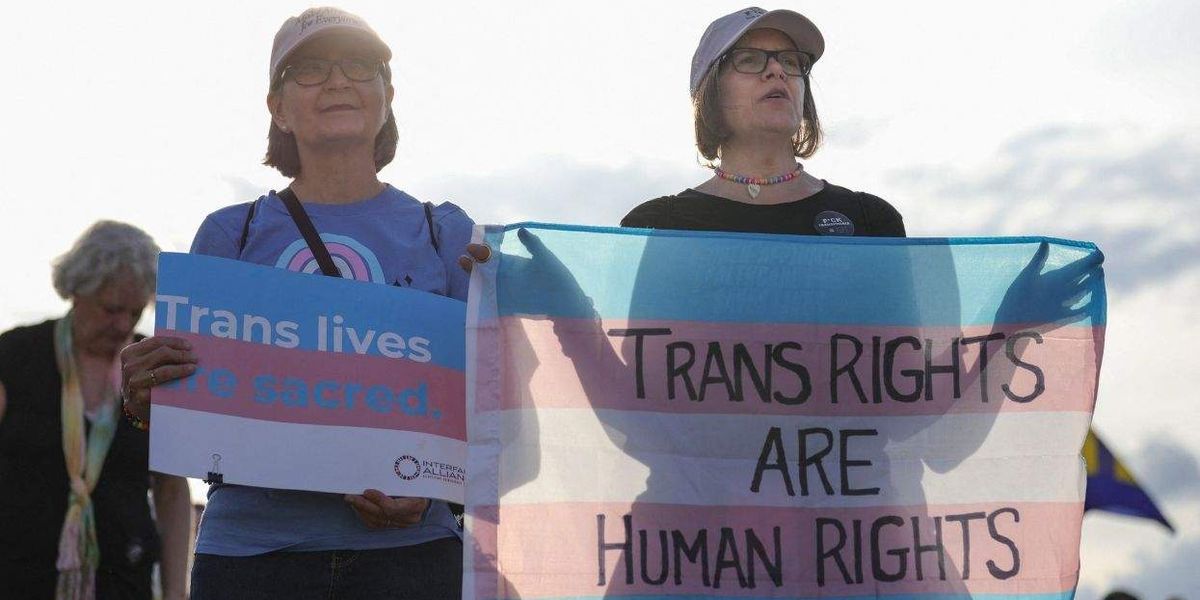
5 days agoAcknowledgment of Violence Against Black Trans Girls, Women
Legislative actions increasingly target transgender rights, particularly affecting Black women and girls, compounding their vulnerability to violence and discrimination.
LGBT
fromInside Higher Ed | Higher Education News, Events and Jobs
5 days agoAcknowledgment of Violence Against Black Trans Girls, Women
Legislative actions increasingly target transgender rights, particularly affecting Black women and girls, compounding their vulnerability to violence and discrimination.


fromArtnet News
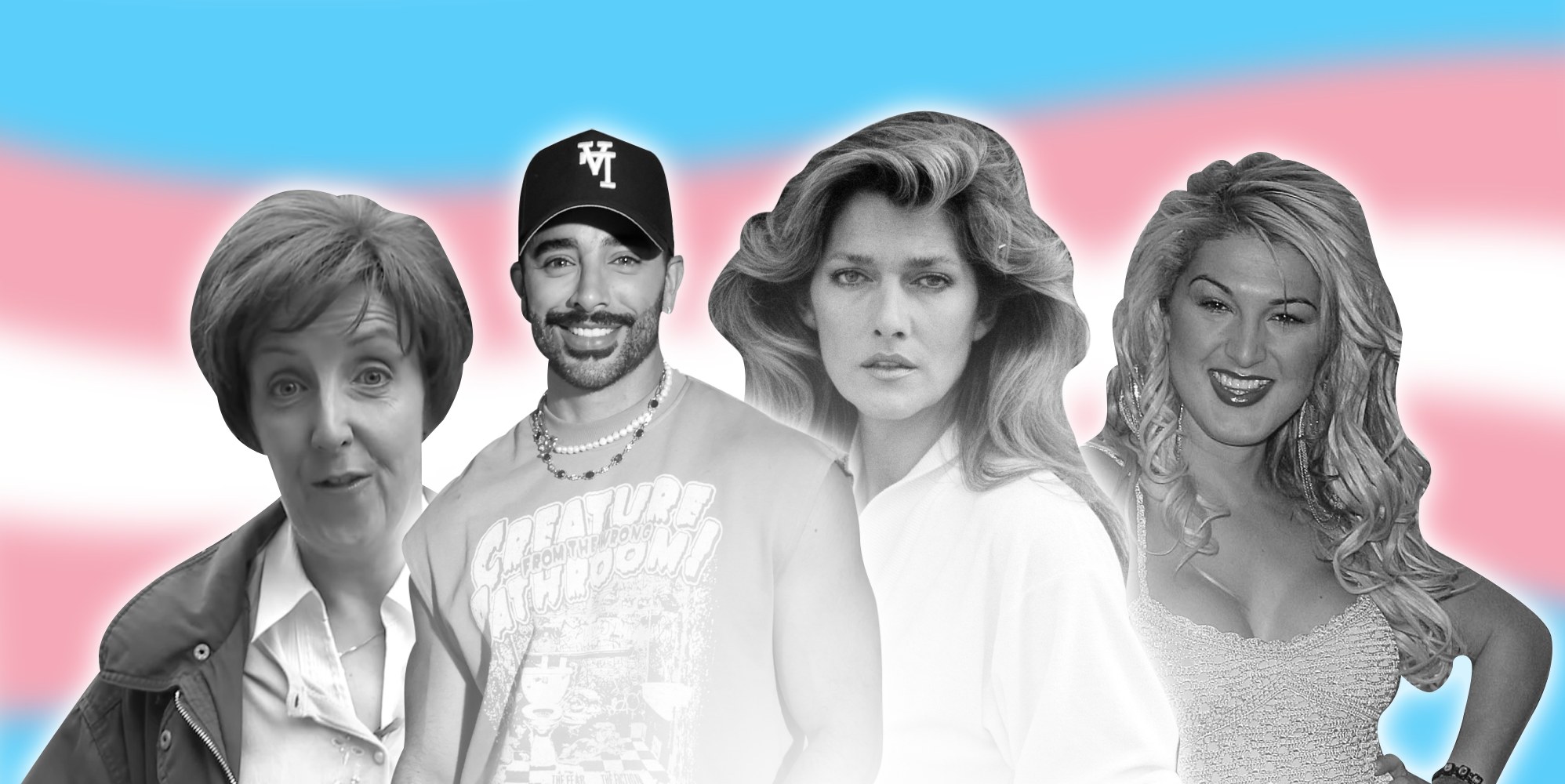
1 week agoAt the Every Woman Biennial, Joy Becomes a Form of Resistance | Artnet News
Founded in 2014 as a tongue-in-cheek alternative to the esteemed Whitney Biennial, the Every Woman Biennial has evolved into an intergenerational showcase that mixes emerging talent with established feminist art stars while maintaining the scrappy, activist energy that inspired it in the first place.
Arts

fromwww.mediaite.com
3 weeks agoTrump Confesses He Didn't Prepare' for Women's History Month Event: I Didn't Know Who the Hell I Was Speaking To'
But a person I recognized immediately when I came into the room, I looked down, I said, because I didn't read. I can't prep if I prepare my speeches, I won't have time to get things done, you know? Yeah, I cannot prepare. So I didn't know who the hell I was speaking to, but I walked in and saw this beautiful woman with the blonde hair.
Skiing
US politics
fromLGBTQ Nation
8 months agoMAGA woman thrown off city council for posting about throwing gays off buildings & using n-word - LGBTQ Nation
Florida councilwoman Judi Fike sued her city after suspension for posting obscene, racist, and homophobic tweets spanning from 2015 onward, claiming the publication was a political attack.
fromAdvocate.com
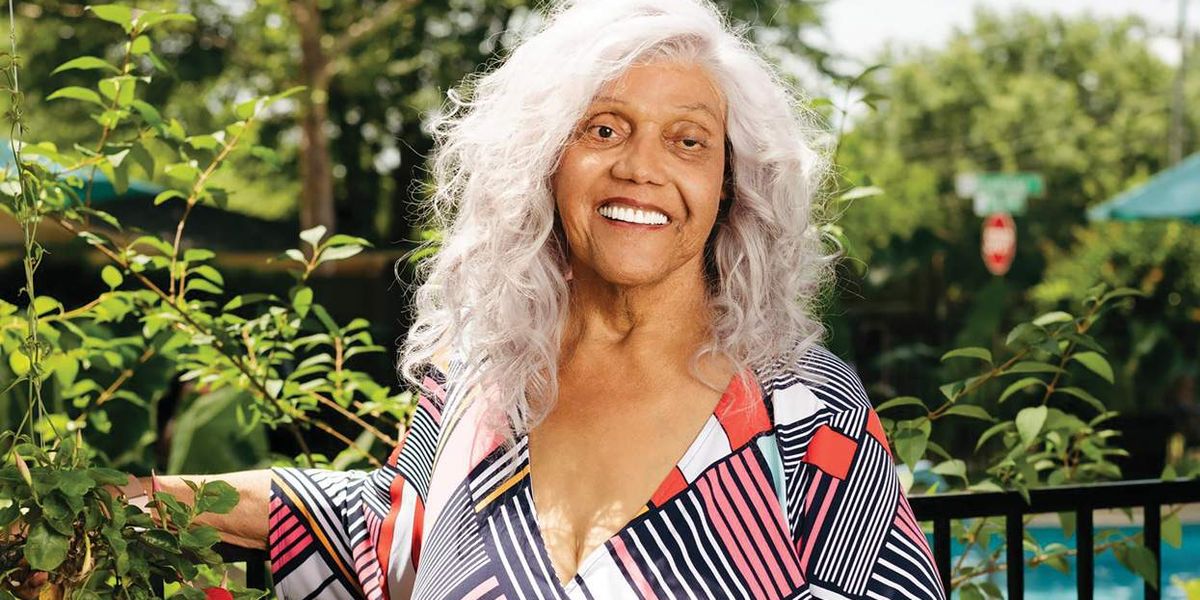
5 days ago12 portraits of transgender beauty and resilience in the Deep South
Exploring Transgender Identity in South Carolina is a candid photographic and interview-based documentation of transgender life in South Carolina. This project offers a contemporary visual record of a community that exists largely outside of that narrative yet within its realities.
SF LGBT
Right-wing politics
fromJezebel
2 weeks agoMeryl Streep, Could We Interest You in Donating to an Abortion Fund??
Abortion funds face increased demand and shrinking resources as post-Roe restrictions make abortion care more expensive and difficult to access, with costs ranging from $800 to $2,000 per procedure.
Miscellaneous
fromThe Art Newspaper - International art news and events
1 month agoThe Big Review | The Woman Question 1550-2025
The Woman Question 1550-2025 exhibition presents nearly 200 works by 140 women artists across 500 years, asserting women's rightful status as citizen artists and challenging patriarchal representation through feminist artistic practice.
US politics
fromThe Nation
3 weeks agoHow the Abortion Rights Activists Found Their Radical Imagination
President Obama called Nancy Keenan early morning to pressure NARAL Pro-Choice America's support for healthcare reform despite anti-choice Democrats' abortion coverage concerns tied to the Hyde Amendment's decades-old taxpayer funding restrictions.
#international-womens-day
Women in technology
fromwww.theguardian.com
3 weeks agoInternational Women's Day website owners urged to stop exploiting' day
Over 900 people signed an open letter accusing internationalwomensday.com of exploiting International Women's Day for profit while ignoring structural issues the movement addresses.
Women in technology
fromwww.theguardian.com
3 weeks agoWhy do we need International Women's Day? Apart from misogyny and Christian nationalism, you mean? | Zoe Williams
International Women's Day has become primarily a marketing opportunity, while religious texts reveal how women historically lacked recognition, identity, and agency compared to men.
SF LGBT
fromPinkNews | Latest lesbian, gay, bi and trans news | LGBTQ+ news
4 weeks ago10 inspiring LGBTQ+ women for International Women's Day 2026
International Women's Day 2026 celebrates LGBTQ+ women making positive global impact through the theme 'Give To Gain,' emphasizing generosity, collaboration, and reciprocal support for women's advancement.

Women in technology
fromwww.theguardian.com
3 weeks agoInternational Women's Day website owners urged to stop exploiting' day
Over 900 people signed an open letter accusing internationalwomensday.com of exploiting International Women's Day for profit while ignoring structural issues the movement addresses.
Women in technology
fromwww.theguardian.com
3 weeks agoWhy do we need International Women's Day? Apart from misogyny and Christian nationalism, you mean? | Zoe Williams
International Women's Day has become primarily a marketing opportunity, while religious texts reveal how women historically lacked recognition, identity, and agency compared to men.
SF LGBT
fromPinkNews | Latest lesbian, gay, bi and trans news | LGBTQ+ news
4 weeks ago10 inspiring LGBTQ+ women for International Women's Day 2026
International Women's Day 2026 celebrates LGBTQ+ women making positive global impact through the theme 'Give To Gain,' emphasizing generosity, collaboration, and reciprocal support for women's advancement.
Women
fromPinkNews | Latest lesbian, gay, bi and trans news | LGBTQ+ news
4 weeks agoInternational Women's Day: The cis women fighting transphobia
Prominent cisgender women are actively using their platforms to combat transphobia and advocate for trans rights as part of International Women's Day celebrations.
Women
fromLGBTQ Nation
1 month agoThe queer suffragette known for scandalous affairs, bold protests & writing famous operas - LGBTQ Nation
Ethel Smyth was a prominent suffragette and queer musician who actively participated in the women's voting rights movement in 1910s Britain, including direct action campaigns and imprisonment.
SF LGBT
fromQueerty
2 weeks ago"We're in something new": Susan Stryker says the trans tipping point is over...But the fight is far from finished - Queerty
Susan Stryker's updated third edition of Transgender History documents trans activism and history while addressing current political backlash, providing essential resources for understanding ongoing struggles and building community resilience.
fromAdvocate.com
3 weeks agoThese moms are risking arrest to protect gender-affirming care for trans youth
Parents and grandparents of trans youth, plus their therapists and medical providers, are fed up after years of health care bans and hostile rhetoric. Those feelings are driving them to do things they've never done before - like plan to get arrested at a protest.
Social justice
LGBT
fromPinkNews | Latest lesbian, gay, bi and trans news | LGBTQ+ news
3 weeks agoProfessor comes out swinging for trans rights during heated debate: 'Shame on you'
A sociology professor criticized California State University's Board of Trustees for debating trans rights during a Title IX dispute involving a trans volleyball player.
NYC LGBT
fromLGBTQ Nation
11 months agoA Trumper harassed & shouted slurs at a trans "Drag Race" queen. She got the last laugh. - LGBTQ Nation
Jasmine Kennedie, a trans contestant from RuPaul's Drag Race Season 14, experienced verbal harassment and was followed by a man on public transit in New York City who used slurs and made political statements targeting her identity.
LGBT
fromNonprofit Quarterly | Civic News. Empowering Nonprofits. Advancing Justice.
3 weeks agoWhat's Really at Stake When Funders Abandon Transgender Communities? | Nonprofit Quarterly | Civic News. Empowering Nonprofits. Advancing Justice.
Anti-trans messaging has become a core political strategy with $215 million spent on ads targeting 1% of the population, representing coordinated scapegoating and rollback of civil rights through legislation, executive orders, and judicial decisions.
fromPinkNews | Latest lesbian, gay, bi and trans news | LGBTQ+ news
2 months agoGrok is the 'real threat' to women, not trans people, cisgender women argue
For years, we've watched politicians express unfounded concern about trans people in bathrooms, changing rooms, and sports, claiming to protect women's safety. Yet when a billionaire with enormous political influence creates technology that is actively being used to violate thousands of women and children right now, the response has been empty statements and promises to 'look into it',
UK politics
LGBT
fromLGBTQ Nation
1 month agoSupermodel says only women can be bisexual: "Double standards exist for us all" - LGBTQ Nation
Jessica White's statement that bisexuality is acceptable for women but not men sparked controversy and amplified biphobic attitudes, with experts attributing such stigma to toxic masculinity and rigid gender expectations.
Women in technology
fromwww.theguardian.com
1 month agoAs a boomer, I'm shocked by gen Z's attitude towards women something has gone very wrong | Joan Smith
Nearly a third of Gen Z men across 29 countries believe wives should obey husbands, contradicting assumptions that younger generations are more liberal than older ones.
SF LGBT
fromLGBTQ Nation
1 month agoCompulsory heterosexuality is thwarting pleasure & hindering gender liberation. We can change that. - LGBTQ Nation
Trans women can deconstruct femininity built around male desire and reconstruct authentic womanhood through self-directed pleasure and relationships centered on mutual connection rather than male validation.
US politics
fromNonprofit Quarterly | Civic News. Empowering Nonprofits. Advancing Justice.
2 months agoWomen's Rights Under Siege-but We've Come Too Far to Go Back | Nonprofit Quarterly | Civic News. Empowering Nonprofits. Advancing Justice.
Legal, economic, and cultural gains for women are being actively rolled back, requiring state-level organizing to protect and advance rights.
fromHyperallergic
2 months agoMapping a Feminist Cosmos
Art, at its very best, reminds me that there is a world out there that I not only belong to but trust - perhaps even love. Sandra Vázquez de la Horra's beeswax-dipped drawings of erupting women, mystical landscapes, and hallucinatory flora in The Awake Volcanoes at the Institute of Contemporary Art, Los Angeles, did just that. Oh, that old mystery of finding oneself reflected in the material fragments of someone else's private imaginary.
Arts
fromSan Francisco Bay Times
1 month agoLGBTQ+ Equality Advocate and PFLAG Leader Julia Miller Thoron (1940-2026) - San Francisco Bay Times
Julia's friends remember the support and advice she so willingly provided, whether it was nursing or financial. Her activism could be quiet and private, or public and loud. She believed in women's rights, quietly encouraged financial independence for her women friends, marched down Market Street in support of PFLAG, and was featured in the first statewide television commercial for the No on 8 campaign.
SF LGBT
US politics
fromQueerty
1 month agoHoly Handmaid's Tale! People are sounding the alarm on Tr*mp's rhetoric around gender-based voting - Queerty
The SAVE America Act would impose citizenship proof and photo ID requirements, risking disenfranchisement of immigrants and married women and enabling voter surveillance.
fromNonprofit Quarterly | Civic News. Empowering Nonprofits. Advancing Justice.
2 months agoSupermajority, Group Organizing Women Around Politics, Is Shutting Down | Nonprofit Quarterly | Civic News. Empowering Nonprofits. Advancing Justice.
Since its founding, Supermajority has contacted more than 20 million women voters, organizing for candidates including Democratic Govs. Gretchen Whitmer of Michigan, Katie Hobbs of Arizona and Josh Shapiro in Pennsylvania, as well as for then-Vice President Kamala Harris' unsuccessful presidential bid last year. The group plans to connect its volunteers with other organizations that do grassroots organizing work, starting with the American Civil Liberties Union (ACLU).
Women
fromLGBTQ Nation
2 months agoBruised but still here: A trans woman learns to "speak louder" the more Trump tries to silence her - LGBTQ Nation
Professionally, the impact was absolute. For decades, I managed complex IT projects for global giants and, most recently, for Sanford Health. I am a builder of systems. But this year, I watched the federal government systematically dismantle the data structures that acknowledge LGBTQ+ people exist. When the administration stopped collecting Sexual Orientation and Gender Identity (SOGI) data, it wasn't just a policy change; it was an erasure.
SF LGBT
[ Load more ]