#government-budget-management
#government-budget-management
[ follow ]
#municipal-finance #budget-deficit #municipal-budget #new-york-city #city-council #government-spending

fromInvestigative Post
1 day agoInvestigative Post event on reforming Buffalo and NY government.
John Kaehny has written and successfully lobbied for the passage of state and New York City laws related to government transparency and accountability, including the first open data law in the world in 2012.
NYC politics
fromGothamist
2 days agoNew York pension sweeteners could cost $1.5 billion a year
"I think this is a worthwhile investment in the future so that we are protecting the workforce and people can live with the dignity they deserve" when they retire, said state Sen. Jessica Ramos, a Queens Democrat.
Retirement
from24/7 Wall St.
3 days agoThe US Government Could End The Federal Gas Tax
The tax provides more than $23 billion per year in revenue for federal highway and public transit programs. The federal gas tax has been in place, in one way or another, since 1919 and was last raised in 1993.
Alternative transportation
fromwww.cbc.ca
1 week agoOntario Sunshine List revealed: See the top 100 public sector employees earning over $100K last year | CBC News
"Over 50 per cent of this year's growth was driven by municipalities, which includes local police and fire services whose work continues to protect Ontario communities."
Canada news
fromNextgov.com
1 week agoAgency data leads worry about staff capacity to tackle statutory requirements, survey finds
Among the 189 CDO and other data leader respondents to the annual survey conducted by the nonprofit, nonpartisan Data Foundation, about 40% said they had lost six or more employees last year.
EU data protection
fromwww.amny.com
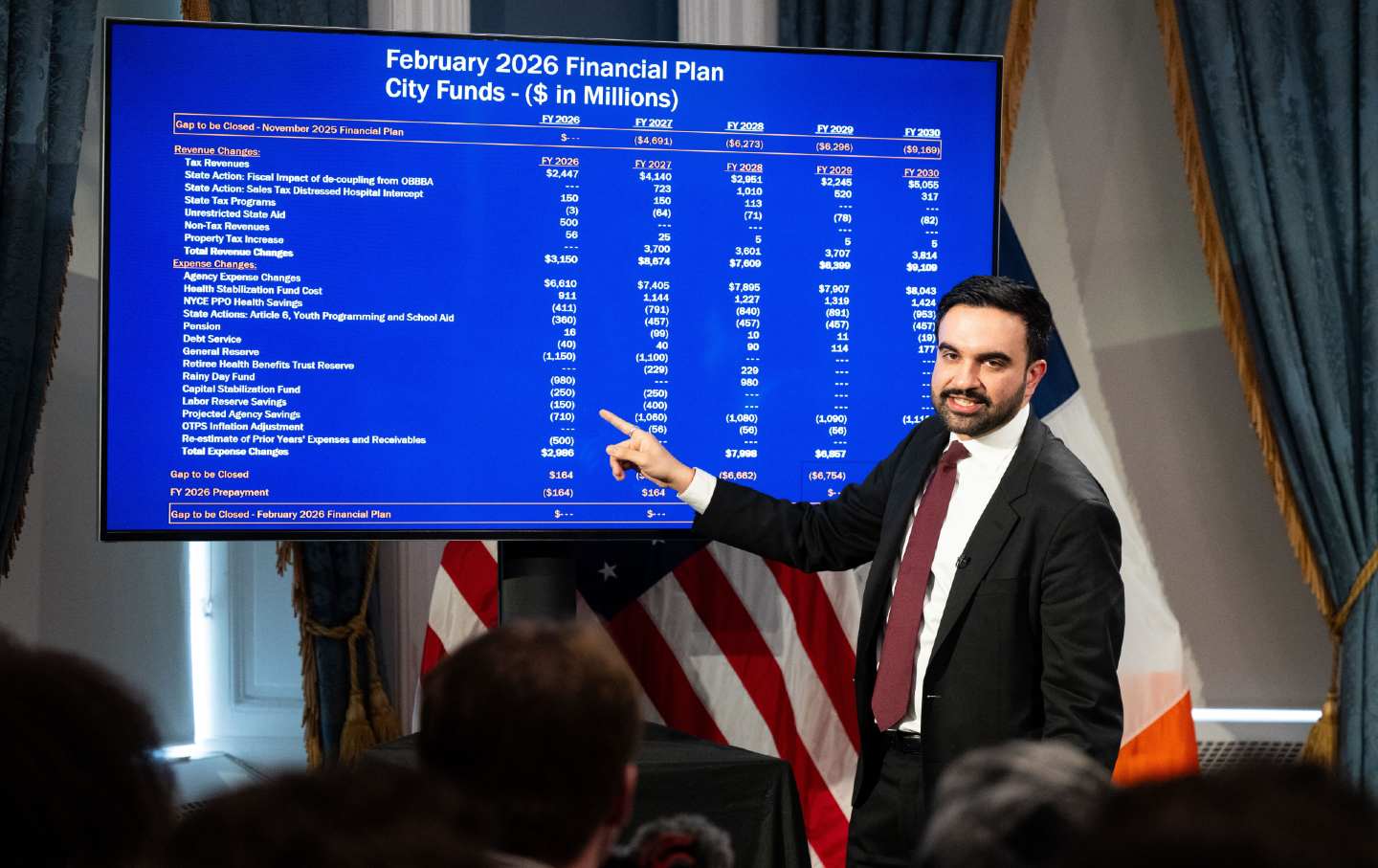
2 days agoMamdani fires back at Menin over City Council's budget response, charges it ignores bigger financial problems | amNewYork
Mamdani stated that the City Council's budget strategy effectively ensures this structural deficit will continue indefinitely, impacting vital city services and failing to solve deep financial problems.
New York City
fromwww.bbc.com
1 week agoCampaigners celebrate after new town plans dropped
Campaigner Aysha Hawcutt stated that residents were 'not anti-homes', but believed the Adlington plan was 'the wrong proposal in the wrong place'. She expressed pride in the community's resilience against the development threats.
London politics
fromwww.housingwire.com
2 weeks agoHow Public Financing Wins Projects Before You Build
Through Community Facilities Districts (CFD), Municipal Utility Districts (MUD), Public Improvement Districts (PID), Community Development Districts (CDD) and reimbursement districts (RD), builders can potentially shift infrastructure costs off their balance sheets and onto special districts that homebuyers ultimately absorb through property taxes without potentially adding debt to the builder's books.
LA real estate
#new-york-state-budget


NYC politics
fromGothamist
3 weeks ago7 things to watch as New York's budget battle heats up
New York's state Assembly and Senate passed competing budget resolutions against Governor Hochul's $263 billion plan, with major disagreements over taxes and spending priorities before the March 31 fiscal year deadline.
#municipal-budget


Mission District
fromSan Jose Spotlight
3 weeks agoSan Jose mayor issues budget plan amid projected shortfall - San Jose Spotlight
San Jose faces a $56 million budget deficit and Mayor Mahan prioritizes maintaining services in homelessness, public safety, housing, and economic growth while seeking cost efficiencies before implementing cuts.
NYC politics
fromReason.com
2 weeks agoMamdani might raid a severely underfunded retiree fund to balance New York City's bursting budget
New York City faces a severe fiscal crisis driven by $260 billion in long-term liabilities, primarily from public pensions and retiree health care costs that threaten funding for essential services.
fromTheregister
4 weeks agoUK Treasury unsure about joining 1.7B program it is funding
In principle, all the departments are supportive of the Shared Services Strategy. However, HM Treasury and the Department for Education (DfE), who currently have modern ERPs and are both in the Matrix cluster, have indicated they would welcome more information through the business case about likely costs for them before they assess that onboarding is feasible and value for money.
UK politics
East Bay (California)
fromThe Oaklandside
3 weeks agoOakland orders school district to pay past election costs
Oakland Unified School District settled a lawsuit and agreed to pay approximately $860,000 to Oakland for the 2022 school board election costs, with additional costs for the 2023 election to be billed by Alameda County.



California
fromThe Mercury News
4 weeks agoStaff vacancies to remain in place to help balance Walnut Creek budget
Walnut Creek will maintain elevated staff vacancies through fiscal year 2027 to address a $2 million budget shortfall caused by reduced auto sales tax revenue from a California reporting change.
SF politics
fromLos Angeles Times
2 weeks agoEliminating a corporate tax break is pitched as a way to make up for federal healthcare cuts
California lawmakers propose repealing a tax break allowing multinational corporations to exclude foreign subsidiary income from state taxation, potentially generating billions in annual revenue.
fromwww.mercurynews.com
1 month agoSouth Bay City cut back millions, but forecasts multimillion dollar deficit
Last year, the city predicted a $28.5 million budget shortfall by 2030. Since then, the city has cut positions and tightened spending to reduce that number by more than half by 2030, and expects a slight surplus for the next year.
Miami
#nyc-budget-crisis
New York City
fromwww.amny.com
2 weeks agoEditorial | NYC spends too much money. It's time to get things under control. | amNewYork
New York City faces a $7.3 billion budget deficit over two fiscal years due to chronic overspending relative to revenue, with structural imbalances threatening municipal bond ratings.
SF politics
fromFortune
1 month agoNationwide voter revolt over property taxes collides with reality that every other revenue source has been slashed already | Fortune
Multiple states are pursuing property tax cuts during election years, facing resistance over impacts on local government and school funding, reminiscent of California's 1978 Proposition 13.


from48 hills
1 month agoThe real story behind Muni's budget deficit - 48 hills
Despite some idealistic intentions, that framework is in fact what put Muni in the financial hole in the first place. Working from a scarcity mindset, namely trying to preserve an already pilfered service, is a losing battle. To guarantee the service that citizens and workers expect from a city like San Francisco requires a committed vision of the future, one that centers Muni as the public good that it is.
SF politics
Fundraising
fromBusiness Matters
2 months agoWhich Grant Management Tools Are Best for Government Agencies?
Cloud-based grant management software helps government agencies organize workflows, track metrics, run reports, improve recordkeeping, and support implementation through configurable products and vendor support.
fromEntrepreneur
2 months agoHow to Win Big With Public-Sector Partners
Understanding the difference in purpose Unlike private businesses, which exist to make a profit, public institutions are designed to create impact - especially social and economic outcomes that benefit everyone, not just paying customers. A public agency doesn't measure its success in revenue or margins, but in how much it improves lives, builds equity and maintains public trust. This doesn't mean budgets and spending don't matter - they absolutely do - but money is not the goal. It's the tool.
World politics

UK news
fromLondon Business News | Londonlovesbusiness.com
1 month agoEmergency government bailouts needed by third of councils over next three years - London Business News | Londonlovesbusiness.com
Over a third of councils and nearly half of social care councils are likely to need emergency government bailout agreements to set budgets within three years.
Education
fromLondon Business News | Londonlovesbusiness.com
1 month agoSEND crisis: Vast majority of councils warn of insolvency and call for reform amid huge deficits - London Business News | Londonlovesbusiness.com
Eight in ten councils expect insolvency by 2028/29 due to rising SEND high-needs deficits unless the Government writes off deficits and reforms the system.
fromPortland Mercury
1 month agoPortland Housing Bureau Finds Millions More in Unspent Funds
The Portland Housing Bureau has found additional unspent dollars in its coffers, adding to the previous $21 million it found through an audit last year. It is unclear exactly how much money is in the fund, but Council President Jamie Dunphy called councilors over the weekend to tell them they would soon learn of the specifics of what was found in the Housing Investment Fund. He told the Mercury February 2 that he did not yet know how much total funding was available.
Portland
fromwww.bbc.com
1 month agoCounty council facing 'effective bankruptcy'
"If we don't get what we need [in terms of extra government help] then a Section 114 Notice will come in, which is effective bankruptcy. We'd then get administrators come in, in effect - they'd then make a plan for where the money gets spent in Worcestershire. It would be a catastrophe. We're going to have to halt projects that were put into the budget by the previous administration, things that maybe were 'nice to have', but we can't afford them."
UK politics
fromwww.cbc.ca
1 month agoToronto city council will debate Chow's proposed budget today. Here's what's on the table | CBC News
The total proposed 2026 operating budget amounts to $18.9 billion, with 31 per cent being covered by property taxes and 24 per cent made up of federal and provincial funding. The rest is made up of smaller measures, including rate programs (12 per cent), transit fares (six per cent), and reserves (nine per cent). Chow submitted her budget proposal on Feb. 1, based on a city staff proposal put forward on Jan. 8.
Canada news
fromBrooklyn Eagle
2 months agoMamdani orders new 'Chief Savings Officers' at city agencies
Under Executive Order 12, according to a press statement from the city, each agency will now have five days to appoint an existing senior employee as Chief Savings Officer and grant them the relevant staff and information. This employee will have 45 days to complete a comprehensive assessment of their agency's spending, analyzing the most expensive programs to understand major drivers of cost, as well as the highest-performing programs, to try to replicate successes.
US politics
London politics
fromLondon Business News | Londonlovesbusiness.com
1 month agoLabour council staff splurge thousands on takeaways as they are 'raising council tax' - London Business News | Londonlovesbusiness.com
Southwark Council has spent nearly £40,000 of taxpayer money on food and drinks, including takeaways and coffees, since 2022.


US politics
fromSan Jose Spotlight
1 month agoSan Jose faces tough choices to balance budget shortfall - San Jose Spotlight
San Jose faces a projected $65 million shortfall requiring tough service reductions while prioritizing public safety, libraries, youth programs, parks, and immigrant legal defense funding.
fromThe Atlantic
2 months agoPurge the Public Servants
In this new season, I'm asking how the Trump White House is rewriting the rules of U.S. politics, and talking to Americans whose lives have been changed as a result. Today's episode examines the destruction of the civil service: the removal of professionals, and their replacement with loyalists. I've seen this kind of transformation before, in other failing democracies. Everyone suffers from the degradation of public services.
US politics
[ Load more ]