#grindingxp-jp-farming
#grindingxp-jp-farming
[ follow ]
#japanese-cuisine #japan #japan-travel #travel #matcha #flavor-enhancement #cooking-tips #umami #fine-dining
:max_bytes(150000):strip_icc()/TAL-kyoto-japan-SAFESTTRAVASIA1225-c29c2a08507841ceb998b9b582b18223.jpg)
fromwww.theguardian.com
3 days agoEndo dreams of sushi: a trip around Japan with one of the world's greatest chefs
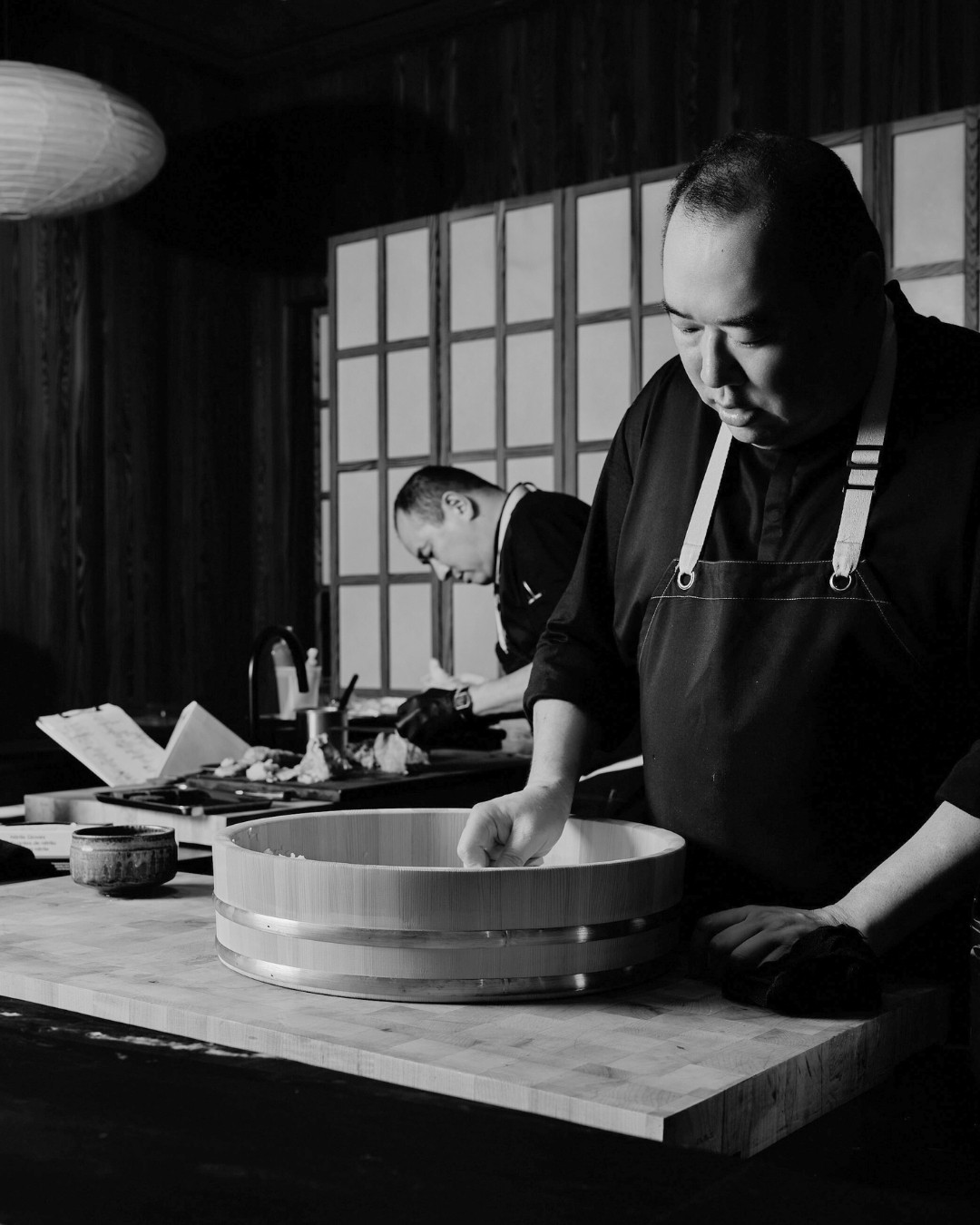
Endo Kazutoshi was on the train to Paris when he heard about the fire that had destroyed his restaurant, Endo at the Rotunda, located on the eighth floor of the Helios building. The fire had started on a terrace and quickly spread, affecting the dining room and kitchen, built mostly from 200-year-old hinoki wood.
London food
East Bay food
fromTravel + Leisure
1 week agoThis Japanese City Invites You to Savor Its Food, Neon Lights, and Lively Spirit-Here's What Makes It the 'Kitchen of Japan'
Osaka offers a vibrant atmosphere with delicious food, friendly locals, and easy access to nearby cities, making it ideal for first-time visitors.
Skiing
fromBusiness Insider
3 weeks agoI visited popular spots like Tokyo and Kyoto during my trip to Japan, but my favorite stop was a town I'd never heard of
Hakone, a mountain town near Tokyo, offers natural hot springs and cultural experiences that provide memorable alternatives to Japan's major tourist destinations.
NYC food
fromTime Out New York
3 weeks agoThis amazing Japanese street food festival is coming back to NYC with over 30+ culinary events
JAPAN Fes, NYC's beloved street food festival, celebrates its 10th anniversary with 34+ events across the city starting March 28, 2026, featuring Japanese vendors and cuisine.

Dining
fromFood & Beverage Magazine
3 weeks agoExperience Kaiseki and Art at Hanasanshou, Tokyo
Hanasanshou on the 25th floor of Park Hotel Tokyo combines kaiseki cuisine with contemporary art, using seasonal ingredients, premium dashi from Hokkaido kelp, and meticulous hospitality to create an authentic umami-rich dining experience.
Relationships
fromBusiness Insider
3 weeks agoWe moved to Japan after nearly a decade of careful planning. Living here is still nothing like we expected.
Moving to Japan required extensive planning, but the greatest challenges proved to be identity transformation and emotional adjustment rather than logistics or language barriers.
Travel
fromMail Online
2 weeks agoJapan resident reveals how to beat the cherry blossom crowds
Japan's cherry blossom season attracts millions of visitors annually, but expert strategies can help travelers avoid crowds and experience the blooms more authentically by embracing flexibility and exploring local areas.
fromEater
1 month agoThis Is What You Get When Japanese and Italian Food Collide
Living in Japan in the early 2000s, Fralick fell in love with an Italian restaurant in the city of Shizuoka, where he ate Italian food, but with Japanese influences, like pastas made with uni and the fermented soybeans known as natto. "It really reminded me of home," says Fralick, who grew up in upstate New York and started his cooking career in Italian fine dining.
Food & drink
Travel
fromElite Traveler
1 month agoThe Japanese Island You're Not Visiting (But Should Be)
Hokkaido, Japan's northernmost prefecture, offers pristine nature, luxury accommodations, and cultural experiences with fewer tourists than popular destinations, undergoing rapid transformation with new luxury hotel openings.
Cooking
fromYanko Design - Modern Industrial Design News
1 month ago7 Best Japanese Kitchen Gadgets & Tools So Clever They Make Every Meal Feel Like a Ceremony - Yanko Design
Japanese kitchenware prioritizes single-purpose precision and minimalist design over multifunctionality, with tools refined through centuries of regional manufacturing expertise that create superior cooking performance.
Coffee
fromYanko Design - Modern Industrial Design News
1 month ago6 Camping Mugs From Japan That Make Coffee Taste Better (Science Says So) - Yanko Design
Japanese ceramic mugs enhance coffee experience through superior heat retention, neutral flavor profiles, and handcrafted design that influences taste perception and creates intentional ritual.
fromConde Nast Traveler
1 month agoIn Snow-Covered Sapporo, Eating Prized Seafood and High-End Tempura
Fall's scarlet and gold was fading from the mountains around Sapporo as I sat with a small group around a heavy wood table with a charcoal grill in the center. We watched a chef cook channel rockfish over the coals. This northern Japanese delicacy is cherished for its meltingly sweet flesh, which takes on a light pink color because of the species' shrimp-heavy diet.
Food & drink
fromYanko Design - Modern Industrial Design News
1 month agoTop 5 Japanese Kitchen Knives Under $200 That Professional Chefs Use at Home - Not the Ones They Recommend for Commission - Yanko Design
Most knife recommendations come with a quiet asterisk. A brand deal, a commission link, a product sent to a chef's PO box before the review goes live. What gets left out of that conversation is what the same chef keeps in the drawer at home - the blade they reach for on a Sunday morning when nobody is filming.
Cooking
fromBusiness Insider
1 month agoI didn't want my family's old house in Japan to sit empty - so I turned it into a cafe
I grew up visiting this house. It originally belonged to my grandfather's older sister, and whenever I traveled down from Iwate, the northern prefecture in Japan where I grew up, this was where the family gathered. Later, I worked as a rehabilitation consultant at hospitals in Osaka and Yokohama. I moved, but this place was always in the back of my mind.
Renovation
Gadgets
fromYanko Design - Modern Industrial Design News
2 months ago8 Best Japanese Kitchen Gadgets & Tools That Make Cooking Feel Zen - Yanko Design
Japanese kitchen design prioritizes minimalist, intentional tools that transform cooking into a deliberate, satisfying ritual through refined form, material, and function.
fromTasting Table
2 months ago10 Foods And Drinks Where Country Of Origin Actually Matters - Tasting Table
Country of origin labeling became mandatory on all international products entering the United States in 2009. The goal was to ensure American consumers knew where the products they were buying came from, enabling shoppers to make informed buying decisions. These products include everything from Mexican avocados to French wine to pasta from Italy, with the latter thankfully safe from recent U.S. tariffs. However, does the location a product comes from actually matter?
Wine
fromSan Jose Spotlight
1 month agoFact Brief: Is San Jose's Japantown one of only three left in the U.S.? - San Jose Spotlight
San Jose is home to one of three surviving Japantowns in the country. The other remaining Japanese communities are also in California cities: San Francisco and Los Angeles. Japanese immigrants came to San Jose in the late 1890s in search of farm work, originally settling in Chinatown before establishing their own cultural community in the region.
California
fromSFGATE
2 months agoHawaii's newest tourist attractions are on the farms
Maui's lush landscapes have drawn visitors for decades, but now what comes from the aina (land) is also attracting attention. As the island continues to recover from the 2023 wildfires and a 20.7% drop in tourism between July 2023 and July 2025, more Maui farm owners are opening their fields and facilities to visitors. Farm tours offer educational, entertaining and enriching experiences that offset the high cost of farming and help stimulate the island's economic recovery.
Agriculture
fromOpen Culture
2 months agoDiscover Ichi-go Ichie, the Japanese Art of Savoring Every Moment
The Bud­dhis­ti­cal­ly inflect­ed " ichi-go ichi‑e" is just one in the vast library of yoji­juku­go, high­ly con­densed apho­ris­tic expres­sions writ­ten with just four char­ac­ters. (Oth­er coun­tries with Chi­nese-influ­enced lan­guages have their ver­sions, includ­ing sajaseon­geo in Korea and chéngyǔ in Chi­na itself.) It descends, as the sto­ry goes, from a slight­ly longer say­ing favored by the six­teenth-cen­tu­ry tea mas­ter Sen no Rikyū, " ichi-go ni ichi-do " (一期に一度).
Mindfulness
fromCN Traveller
2 months agoThe tables, pit stops, ice cream parlours and tempura maestros to know on Japan's tastiest island
My friend Megumi, a classical musician from Tokyo who really likes to eat, takes trips to Sapporo "just for the food". She is not alone: the route between Tokyo's Haneda and Sapporo's New Chitose airports is one of the busiest domestic flight paths in Japan. Before I visited Sapporo, I called her. "Make sure to bring two stomachs," she advised. The city is the capital of Hokkaido, the most northerly of Japan's main islands, which contains more than 20 per cent of the country's landmass, but only about four per cent of its population. The island's cold waters are home to some of the world's most prized sea urchins and crabs, as well as much of the fish used by top sushi chefs. Fed by mountain springs, its unspoilt valleys are home to remarkably flavourful produce. And with its swathes of grazing land, Hokkaido is also the country's leading producer of beef, lamb and dairy: the last two ingredients are rarely used elsewhere in Japan, something that accounts for the character of eating in Sapporo.
:max_bytes(150000):strip_icc()/TAL-lead-image-JAPANBUDGET0226-e361efa18d95404a918991048caa9596.jpg)
from101 Cookbooks
1 month agoRed Gomashio
Keep this red gomashio on your kitchen counter and sprinkle it with abandon on eggs, rice, potatoes, soups, and noodles. Made with toasted sesame seeds, crushed cardamom, chile powder and dried onion it's a fast way to season all your favorite staples. Gomashio is a simple Japanese seasoning made from toasted sesame seeds and salt. It adds crunch, nuttiness, and added nutrients from the sesame seeds.
Food & drink
fromTasting Table
1 month agoHow Sushi Chefs Build Complex Creations Like A Mosaic Roll - Tasting Table
Some chefs pride themselves on blurring the lines between food and art. For Executive Chef Andrew Oh, Momoya SoHo has become revered for putting beauty on plates, such is the case for the restaurant's beautiful wine glass parfaits. However, Oh is known for sushi creations that are equally impressive. We asked the chef for tips on sushi-making (known as one of the most difficult culinary techniques to master) so that our next batch of caterpillar rolls look more professional than problematic.
Cooking
Travel
fromTravel + Leisure
2 months agoThis Is Where You'll Find One of Japan's Most Iconic Landmarks-Plus, Cherry Blossom Cruises and the Country's Best Sake
Fushimi is Kyoto’s concentrated sake-brewing district, defined by historic canals, abundant soft spring water, and a high density of traditional breweries.
fromwww.nytimes.com
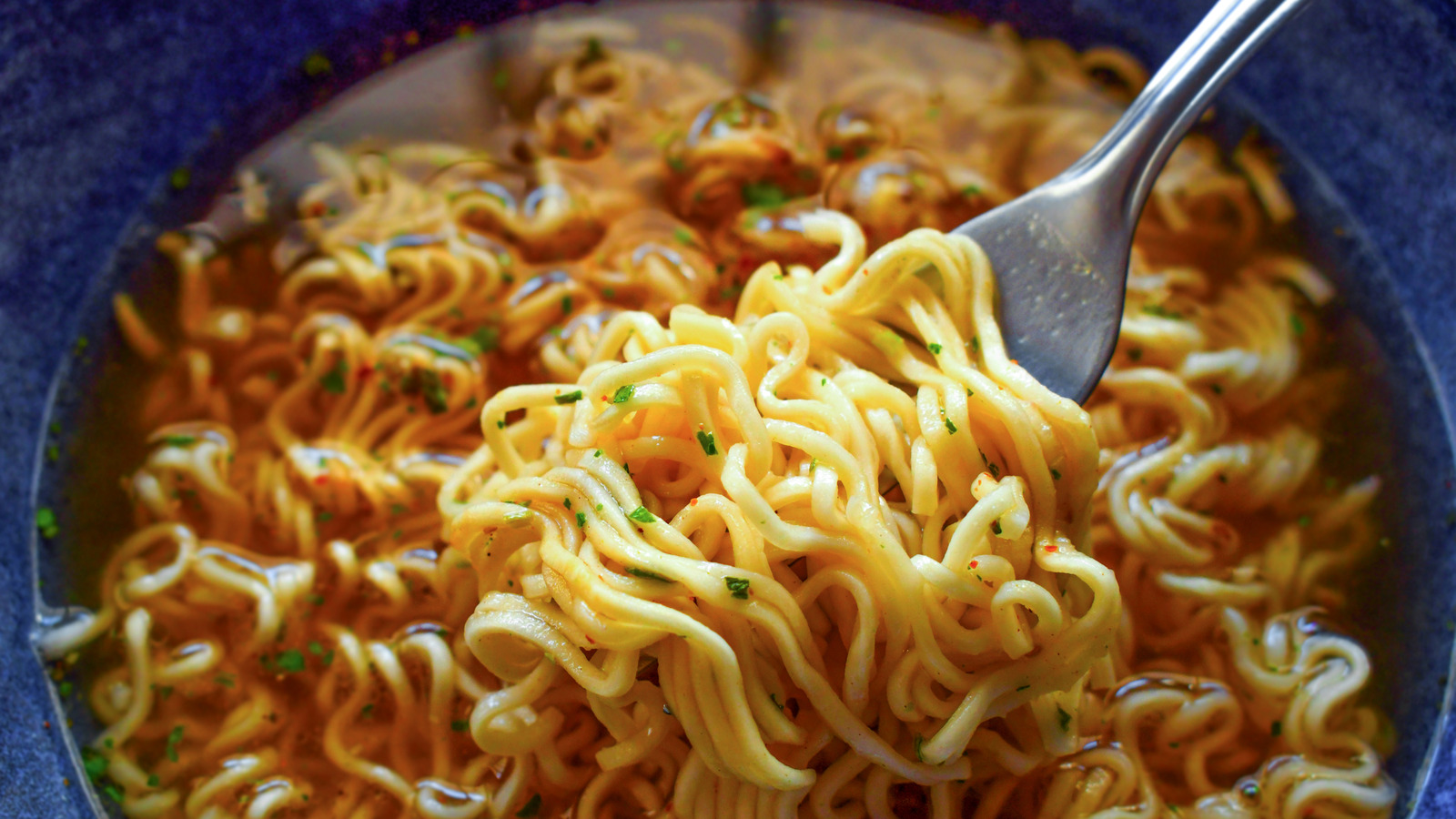
2 months agoVideo: Yuzu-Miso Soba Noodle Soup
Sour like lemon, bitter like grapefruit, sweet like mandarins and tangy like oranges, yuzu might be the consummate citrus and it brings all of that complex magic to this light, clean noodle broth. Yuzu-miso soba noodle soup. Yuzu is a citrus, but it's not very common to find it outside of Japan. So mostly we can use yuzu juice. Add five cups of vegetable stock or vegetarian dashi.
Cooking
fromwww.theguardian.com
2 months agoYamagata is ramen': Japan's city of noodle fiends revels in capital' status
The road to ramen paradise ends in the unlikeliest of places. At Men Endo, located in a suburban street, next to a school and a low-rise apartment block, bowls of noodles disappear in a flurry of slurps, gulps and hurried but heartfelt exchanges of appreciation between customer and chef. On a cold afternoon in Yamagata, a city in Japan's northeast, the wait for a seat at Men Endo's counter is mercifully short.
Food & drink
fromBon Appetit
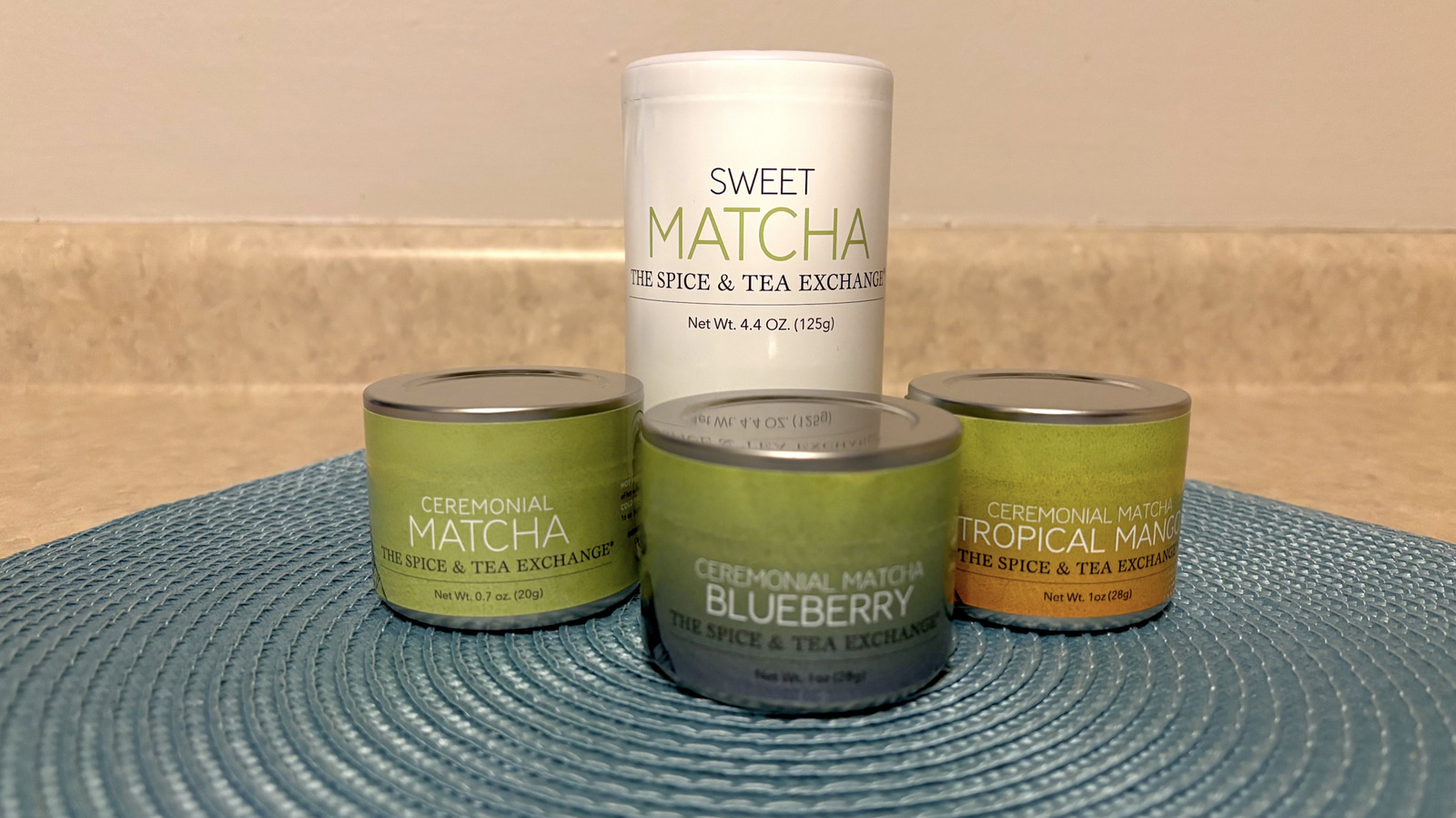
1 month agoThis Nutty, Low-Caffeine Tea Is Taking Over Cafe Menus
If you were a frequent coffee shop-goer and Instagram scroller in the mid-2010s, chances are you remember when a certain grassy green beverage started to pop up on café menus, grid posts, and Tumblr feeds. (Of course, we're talking about matcha.) Now, some ten years later, another type of Japanese green tea has made the jump over to the U.S. market: hojicha.
Food & drink
Food & drink
fromBusiness Insider
1 month agoI've been traveling across Asia for 10 years. These are the 3 cities with the best food - and one that disappointed me.
Sophie Steiner, based in Shanghai, prefers Bangkok, Ho Chi Minh City, and Chengdu as top food cities and finds Tokyo overhyped compared with Osaka.
fromTasting Table
1 month agoThe Easy No-Roll Sushi Home Cooks Can Make Anytime They Like - Tasting Table
That said, there's an excellent alternative to lengthy pro-level sushi creation: A no-roll version called inari, or commonly, inarizushi. It's named after the Shinto deity Inari Okami, the god of rice, agriculture, and prosperity. Traditional inari bypasses the usual seaweed and raw fish, opting instead for seasoned sushi rice tucked inside a sweet and savory "aburaage" pouch made from fried tofu.
Cooking
fromThe Mercury News
1 month agoRecipes: These grain-based dishes are great for your health and budget
Barley, the grain that is featured in this dish, is one of our most nutritious grains; it contributes protein, thiamine and niacin. Barley also is a rich source of dietary fiber. For a vegan rendition, use vegan yogurt and maple syrup instead of honey in the dressing and use olive oil instead of butter when sauteing the mushrooms. The dish is a main course salad and should be served at room temperature.
Cooking
fromTasting Table
1 month agoDon't Serve Rice Right After Cooking - Here's Why - Tasting Table
"Even just a few minutes makes a difference," Daud explains. "Resting lets the excess steam escape and gives the starches time to settle, so the rice ends up fluffy instead of wet or clumpy." Daud adds that the go-to time is 10 minutes for a standard amount of rice, but larger batches can require a longer rest. "If I'm making a bigger batch for a dinner party," she says. "I usually give the rice around 30 minutes to rest." However, when making certain "cultural dishes" like maklouba, Daud notes that she will "let it rest up to an hour or even a bit more before serving."
Cooking
[ Load more ]