Gadgets
fromZDNET
7 hours agoI let a smart planter maintain itself while I was away for 2 months - here's the result
The LeafyPod is a smart planter that simplifies plant care with app support and a rechargeable water reservoir.
More than 30,000 hectares of land are covered in plastic, a geometric labyrinth five times the size of Manhattan, where 3.5m tons of vegetables are produced every year from tomatoes to cucumbers, peppers to courgettes, aubergines to melons, enough to feed half a billion people and generate a turnover of more than 3bn euros.
The Eckling is designed specifically for balcony corners, addressing a gap that rectangular window boxes and round hanging pots have never managed to fill. Most railing planters sit along a straight stretch of rail, so corners get skipped entirely. An L-shaped recess cut into the base of the hemispherical bowl allows it to rest squarely on two railing legs at a corner junction, no extra hardware required.
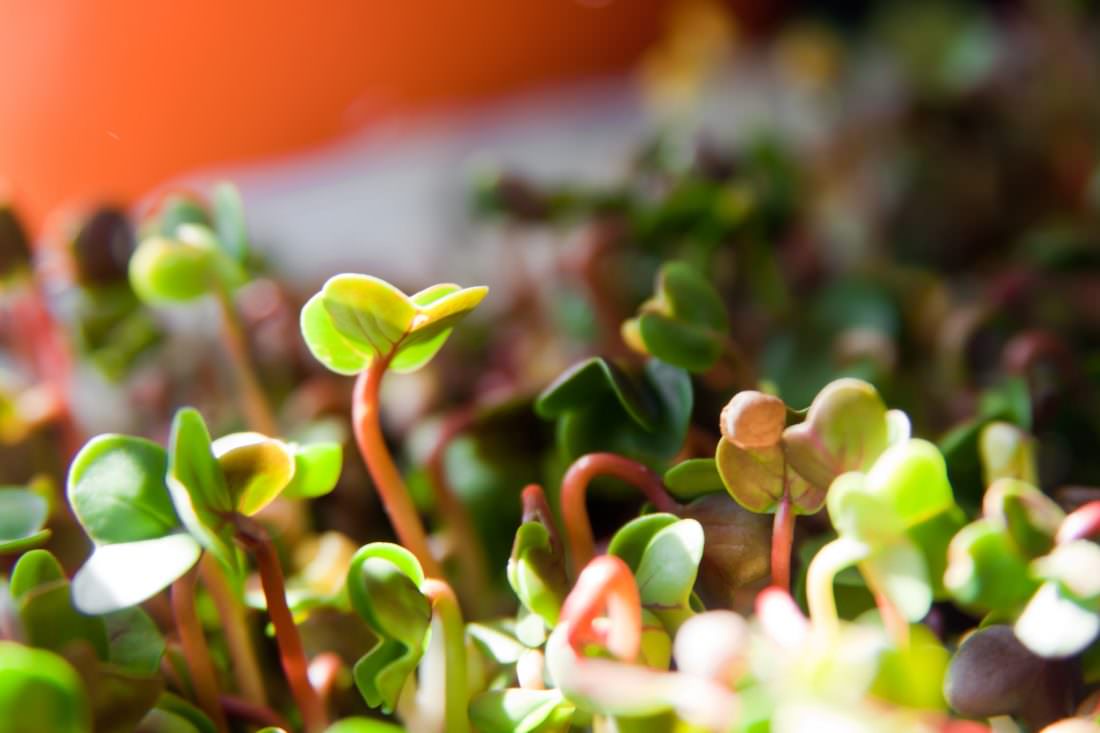
Seedlings are ambitious and will germinate and start growing once pressed into damp soil, shooting toward the nearest light source. However, if they remain in small containers without natural light, they can become root-bound and leggy, eventually collapsing under their own weight.
Appliance power mapping means measuring each appliance's actual electricity consumption rather than relying on manufacturer estimates. Using tools like plug-in electricity monitors (such as a Kill-A-Watt meter) or whole-house energy monitors (like Sense or Emporia Vue), you collect real data on how much electricity each device draws-while running, in standby, and when nominally "off."
Rice water doesn't have any additional nutrients that plants need to grow - for example, the nitrogen, potassium, and phosphorus found in conventional fertilizers - and the starchy residue doesn't necessarily "fertilize" your plant. However, it is still water that would otherwise just be dumped down the sink, so if you're not saving your rice water for cooking, you might as well use it to hydrate your plants.
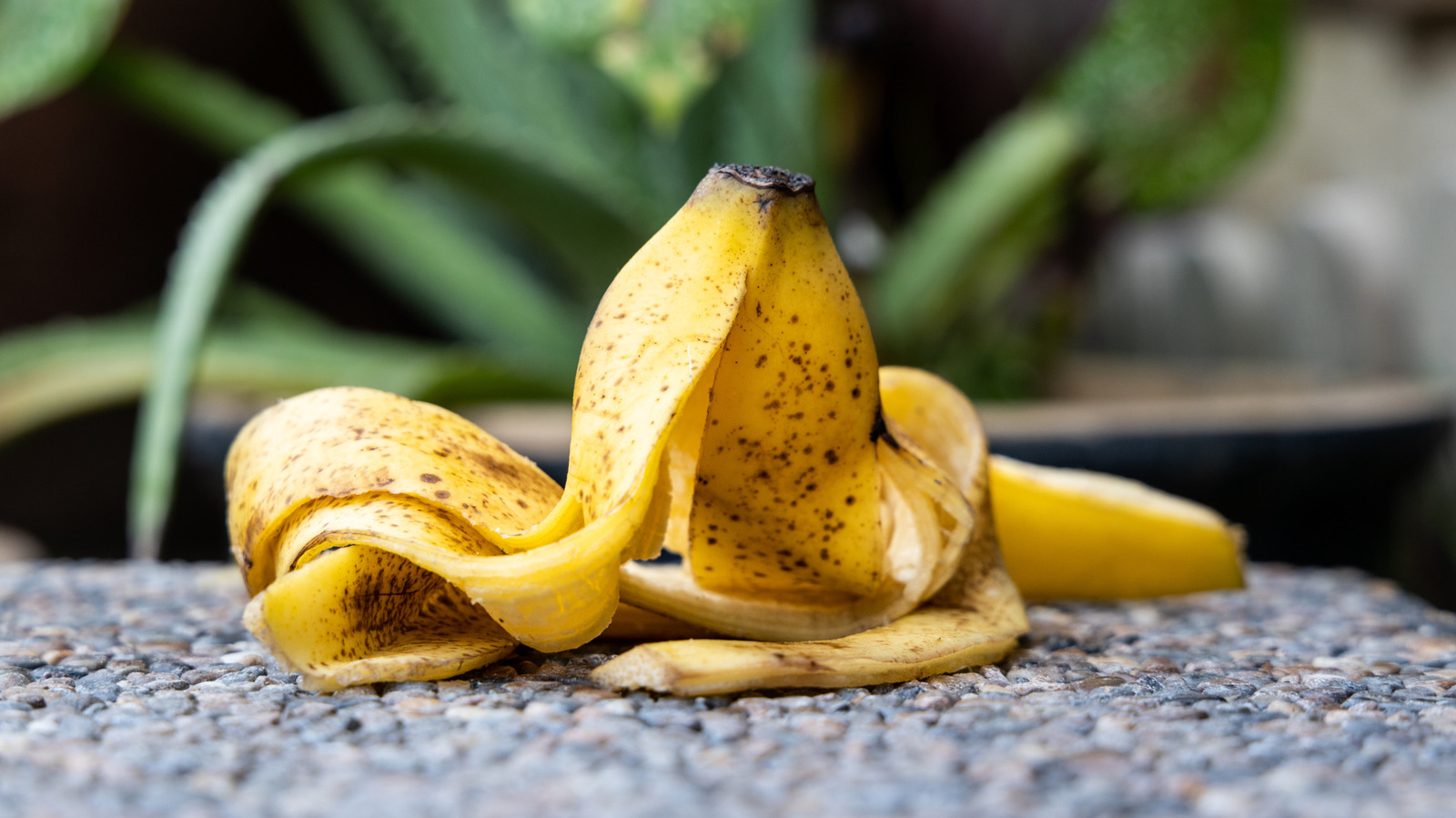
You are not alone: social media is full of claims that soaking banana skins in water makes a fertiliser that will give you bigger leaves and better blooms. The hack Put banana peels in a jar of water, leave them to sit, then pour the liquid on your plants. Bananas do contain potassium and small amounts of other nutrients. The snag is you have no idea how strong it is or what's missing.
Enter the LeafyPod, a self-watering smart planter that utilizes AI to understand your leafy companions, and keep them well cared for. The system is simple: a connected app monitors hydration and nutrient levels, noting what's best for that specific type of plant. Recently named one of TIME's Best Inventions of 2025, the hydroponic system allows users to grow herbs, greens, or flowers all year long. LeafyPod is adaptive, responding to plant health and to changes in environment.
I killed seven houseplants before I discovered the secret: I was literally loving them to death. Every morning, I'd check on them with my watering can in hand, convinced that more water meant more love. Turns out, some plants thrive when you basically ignore them. In fact, there's one particular plant that actually prefers when you forget it exists for weeks at a time.
Garden angelica, Angelica archangelica, belongs to the Apiaceae family, the same botanical group as carrots, celery, fennel, and parsley. Like its relatives, it produces a large, distinctively umbrella-shaped inflorescence, or flower cluster, called umbels. In its first year, the plant forms a lower mound of bright green leaves. In the second, a thick, hollow stem shoots upward and unfurls the broad green flower heads that resemble wild carrot or Queen Anne's Lace.
The method Moisture meters measure electrical conductivity in the soil, which roughly correlates with moisture. Push the probe into the pot, around the root ball, read the dial and water only if it dips into the dry zone. Cross-check with the old tests: feel the soil, lift the pot to gauge the weight, and look at the plant itself. If the meter says dry but the soil feels cool and damp, trust your senses.
The idea is that oats break down and enrich the soil, while Epsom salts (magnesium sulphate) top up magnesium to keep leaves green and glossy. Social media says a spoonful of each will pep up tired plants without the need for proper feed. The method The hack says unpot your plant and mix the old soil with 12 tablespoons of dry oats, a sprinkle of Epsom salts and a bit of fresh compost. Then pop the plant back in the pot, firm it around the roots and water it in.
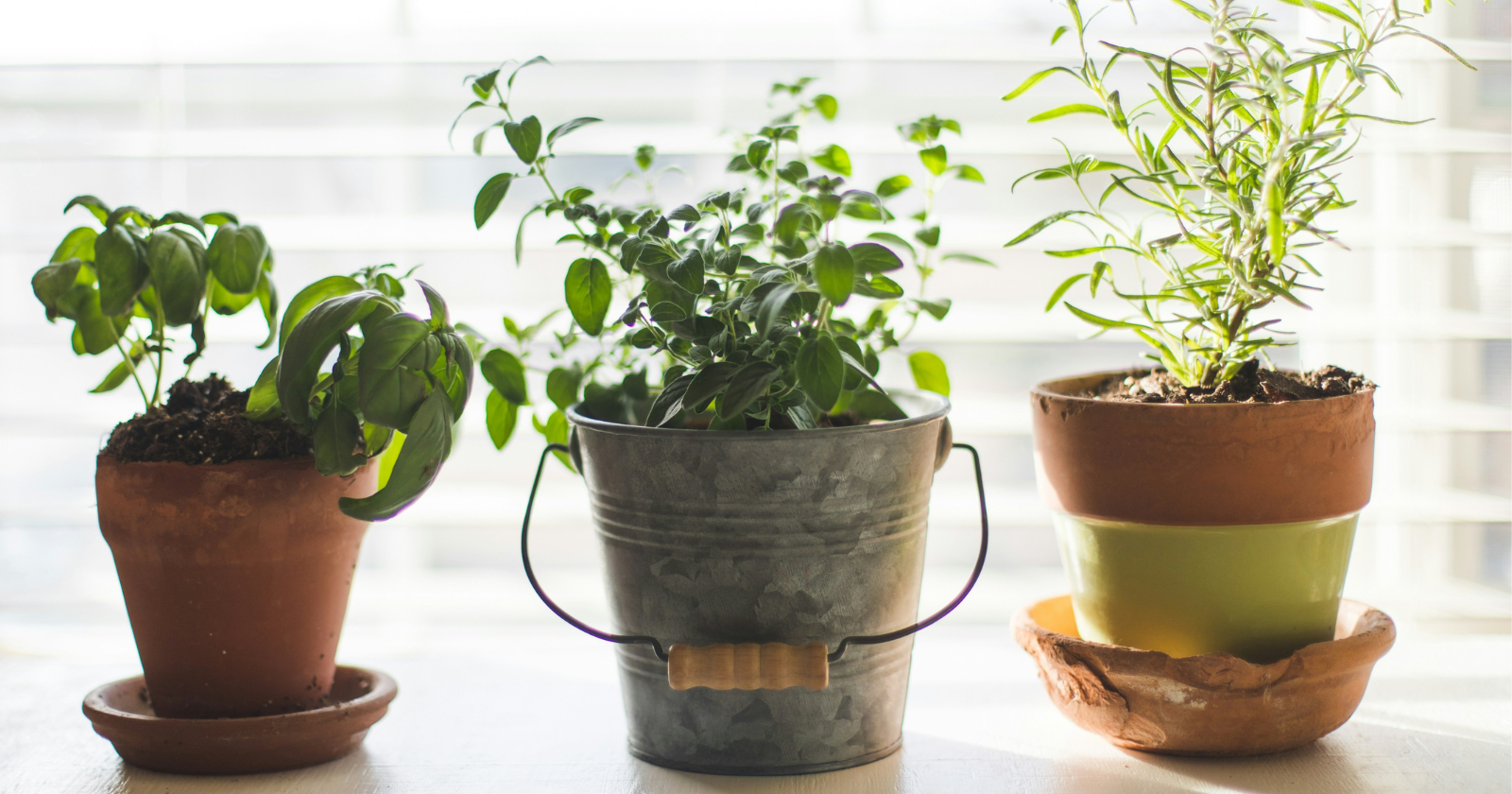
Instead of running to the store every time you need a handful of fresh basil (and inevitably letting the rest go to waste in your fridge), having an herb garden of your own allows you to only take what you need. While this in itself is a great sustainable practice, try taking it a step further by starting an herb garden in old plastic fruit containers.
To an unimaginable eye, a seed looks inert. Yet they are packed with genetic information and biological processes poised to unfold. All it takes is the right configuration of signals and stimuli from the environment to let them know it's time to dare to grow.
Growing your own vegetables is a fun and rewarding activity. Not only will you ensure they are at their freshest when you eat them, but you will also know how they are grown, especially if you care about pesticides and other harmful chemicals found in commercially grown produce. If you don't have an outdoor garden space, you can still grow some tasty veggies indoors - and some of the simplest (and fastest-growing) are radishes.
People grow asparagus from crowns because it shortens the long wait times for harvesting. From seed, you'll need to wait three years before harvesting asparagus. Some people consider that a waste of time. The tradeoff is that you can keep harvesting every spring for up to 15 years or more. If you plant crowns, you get a one-year jump on things. However, those crowns may have soil-borne diseases you don't know about, so there is a risk involved. Seeds remove that problem.
Future Farm is a modular vertical farming system designed by Qing Duan for integration within urban architecture, proposing a model where buildings function as hydro-ecological systems. Rainwater is collected, filtered, and redistributed to support plant growth and domestic needs, establishing a closed-loop water cycle that combines sustainable agriculture with everyday city life. The project incorporates public greenhouse spaces, shared kitchens, rooftop farms, and educational zones to enable collective care, learning, and interaction with urban farming processes.
If you're cold, your outdoor plants probably are too - and it's time to bring those tender leafy greens indoors. Wintertime container gardening can be a satisfying, cost-effective way to incorporate more leafy green veggies into your daily diet, and few fast-growing veggies are as suited to the task as arugula. These seeds grow happily in your kitchen, thriving in countertop gardens and shallow pots even when the annual chill sets in.
Late winter is when keen gardeners can get a little restless. The weather is still cold, and spring still feels far away. Thankfully, you don't need to wait until the weather warms to start your growing season. There are plenty of fruits and vegetables that can be started in the late winter, ready for a bountiful harvest in the coming months. Each of these plants needs unique care in order to thrive, but thankfully, I can guide you through exactly the right steps.