#guatemala-us-relations
#guatemala-us-relations
[ follow ]

fromenglish.elpais.com
3 days agoMexico's Sheinbaum shakes up foreign ministry to further prioritize the relationship with Trump
Roberto Velasco embodies two qualities valued by President Claudia Sheinbaum: technical expertise and generational renewal. At 38, he is the youngest to lead the department in nearly a century.
Europe politics
#deportation

US news
fromenglish.elpais.com
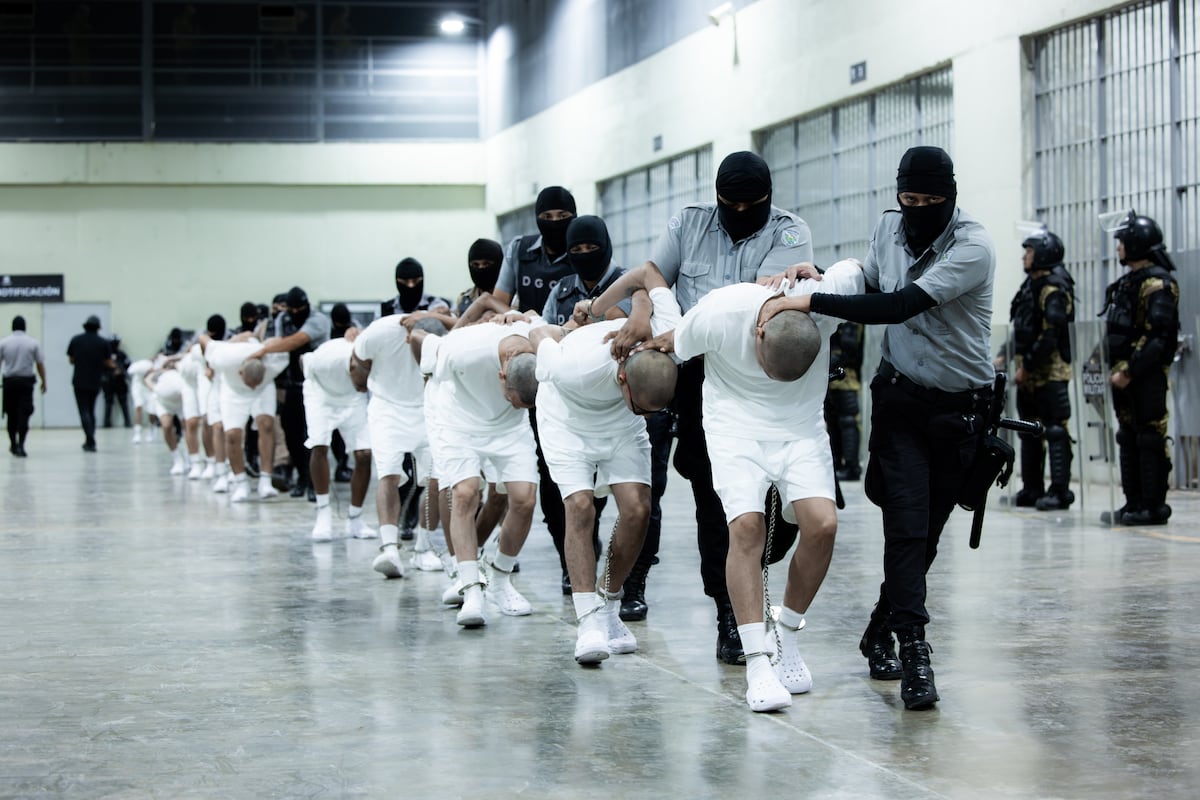
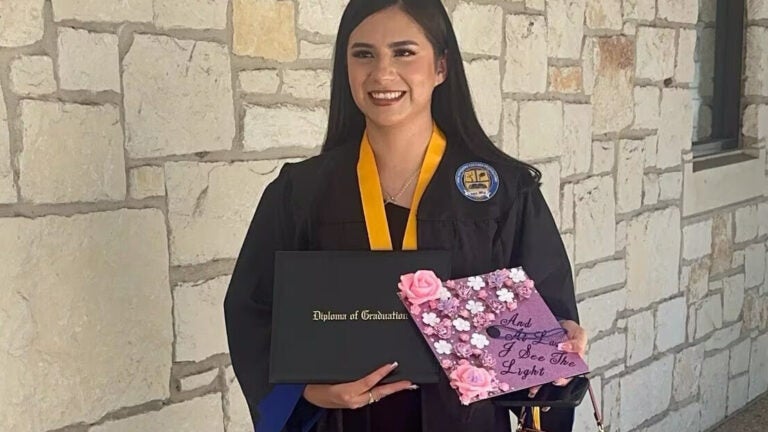
2 weeks agoSalvadorans deported by Trump to Bukele's megaprison fight against being forgotten
Five Salvadorans deported to El Salvador in March 2024 remain imprisoned without contact with families or lawyers, while Venezuelan deportees were released after a prisoner swap and can rebuild their lives.
Arts
fromThe Art Newspaper - International art news and events
5 days agoMexico's art community calls for greater transparency in management of treasured collection
The Gelman Collection's future is uncertain, prompting calls for transparency from cultural professionals regarding its management and adherence to heritage laws.
fromwww.aljazeera.com
1 week agoMigrants march in southern Mexico to denounce immigration restrictions
Many participants cited long lines and restrictions on their movements as impediments to finding jobs and accessing legal immigration pathways. The Southern Border Monitoring Collective noted that some migrants are being asked to pay nearly $2,300 for documentation in Mexico that is legally free.
US Elections
Canada news
fromenglish.elpais.com
2 weeks agoMexico's economy secretary: Our vision in the USMCA is to reduce dependence on other regions'
Mexico's Secretary of Economy Marcelo Ebrard met with U.S. Trade Representative Jamieson Greer to initiate the USMCA review, presenting Mexico's priorities including reducing regional dependence, addressing trade asymmetries, and securing supply chains.
SF parents
fromwww.theguardian.com
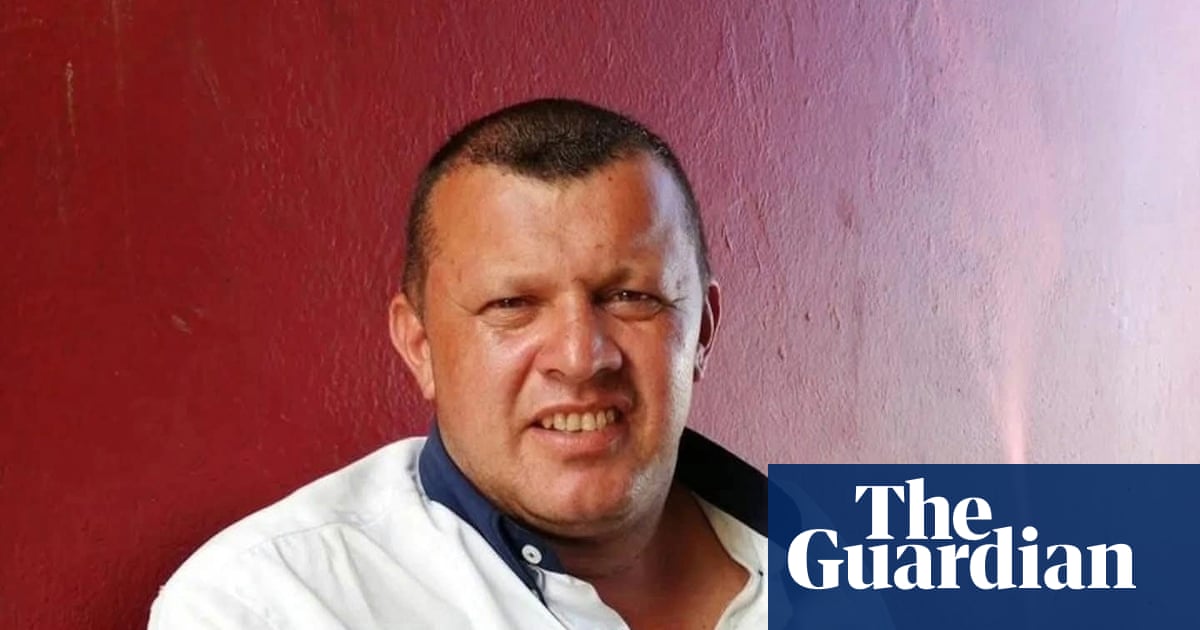
3 weeks agoOne family's harrowing escape to the US and the Trump government's relentless efforts to deport them back
A deported Honduran asylum seeker faces life-threatening danger after US immigration officials separated him from his family and expedited his deportation despite pending asylum proceedings.
Canada news
fromABC7 Los Angeles
2 weeks agoTricky negotiations begin Monday to renew a trade pact between the United States, Mexico and Canada
The USMCA trade agreement faces uncertain renewal as Trump demands changes and threatens withdrawal, potentially disrupting $1.6 trillion in annual North American trade.
Social justice
fromThe Washington Post
3 weeks agoDeportees sent by Trump to Salvadoran prison are still stuck a year later
The Trump administration deported over 260 migrants to El Salvador's notorious CECOT prison, where many remain detained without legal representation, family contact, or trial access, despite lacking criminal records.
World politics
fromwww.aljazeera.com
4 weeks agoIn a bid to counter China, Trump hosts a summit for Latin America leaders
Trump administration seeks to counter China's economic dominance in Latin America through diplomatic engagement and promised economic incentives at the Shield of the Americas summit.
Brooklyn
fromCaribbean Life
1 month agoAntigua PM raises alarm over U.S. visits - Caribbean Life
Antigua and Barbuda's Prime Minister warns citizens against traveling to the U.S. due to aggressive federal enforcement and announces upcoming visa policy changes that may reduce visa validity from ten years to three months with single entry.
fromenglish.elpais.com
1 month agoBukele, a Trump ally, leans on Chinese support to bolster his political project
China does not play by the rules; they do not respect the rules. They are not a democracy, but they intervene in your democracy. Six months later, already in the presidency, he celebrated an agreement with a sister nation: more than $500 million in non-reimbursable aid from Beijing for infrastructure projects that would boost his popularity.
World politics
Social justice
fromenglish.elpais.com
1 month agoInternational ruling protects the Garifuna people from Survivor' shoot in Honduras
The Inter-American Court of Human Rights condemned Honduras for violating Garifuna collective property rights and political participation by designating Cayos Cochinos a protected area without proper consultation, favoring tourism and television production over indigenous residents' ancestral access.
World news
fromwww.aljazeera.com
3 weeks agoEcuador prepares for attack on criminal economy' with Trump backing
Ecuador's government launches a military offensive against criminal networks starting this weekend, shifting focus from targeting cartel leaders to dismantling the criminal economy through illegal mining and drug trafficking operations.
fromwww.aljazeera.com
1 month agoBolivia revives anti-drug alliance after nearly 18-year break with US
The DEA is in Bolivia, he said. Just as the DEA is now present, we also have cooperation from European intelligence and police bodies. Oviedo explained that the initial focus of the law enforcement efforts would be to tighten border surveillance and dismantle trafficking networks.
US politics
World news
fromwww.aljazeera.com
1 month agoTrump administration launches US military operation in Ecuador
The US and Ecuador launched joint military operations against designated terrorist organizations, marking an expansion of Trump administration's militarized approach to combating narco-terrorism in Latin America.
US politics
fromwww.theguardian.com
1 month agoUS accused of shameless exploitation' over proposed Zambian health aid deal
The US health financing agreement with Zambia contains exploitative terms including 10-year data access and mineral industry concessions, worse than deals with 16 other African countries.
World news
fromwww.eastbaytimes.com
1 month agoUS and Ecuador launch military operation against organized crime groups
Ecuador and the United States launched joint military operations against organized crime and designated terrorist organizations amid Ecuador's escalating violence from drug trafficking and illegal mining.
Miscellaneous
fromEsquire
2 months agoBy Trying to Enter the Ecuadorian Consulate, ICE Has Reached a New Level of Entitlement
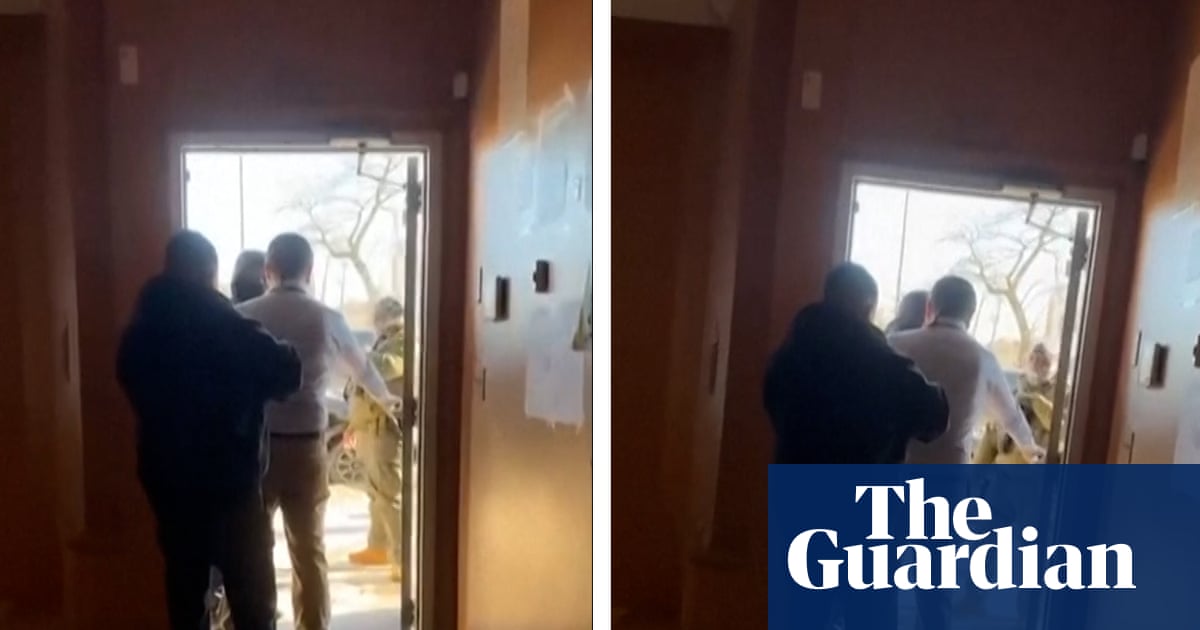
Ecuadorean consulate staff in Minneapolis prevented a U.S. agent from entering, citing Vienna Convention protections; Ecuador lodged a complaint and the U.S. embassy later faced a separate flag-removal controversy in Copenhagen.

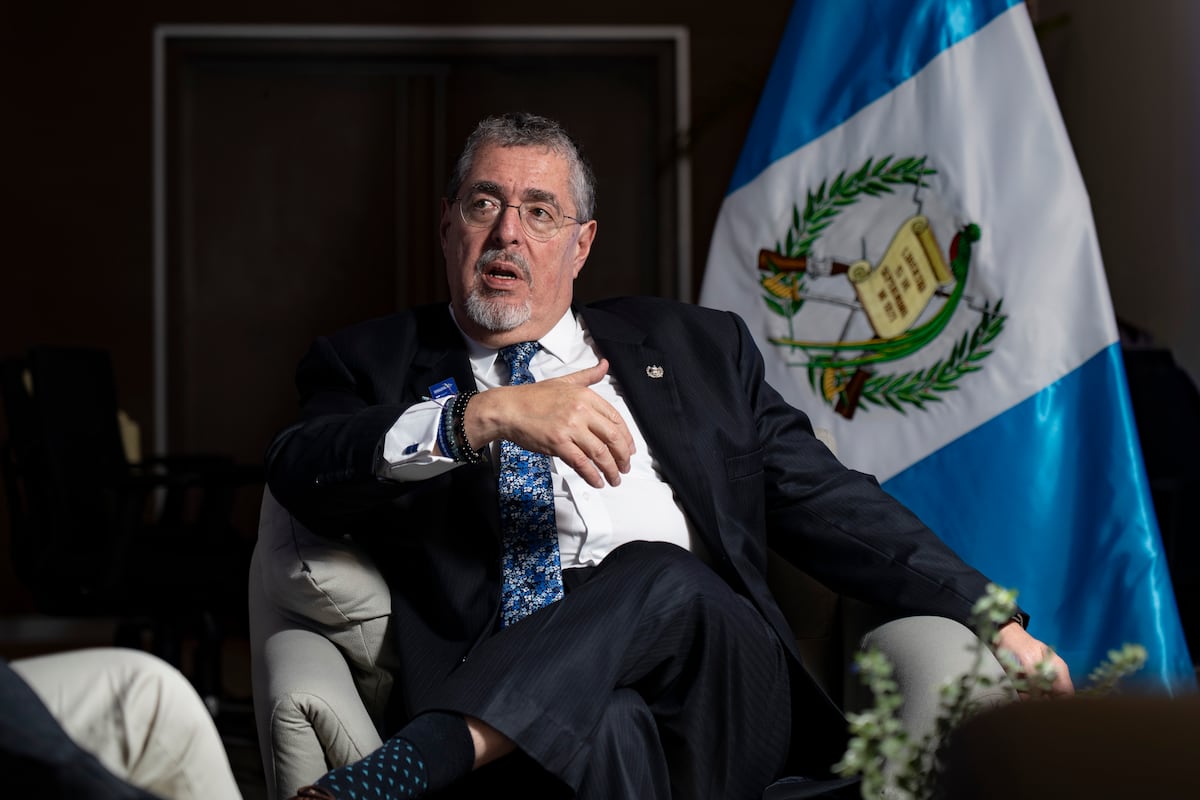

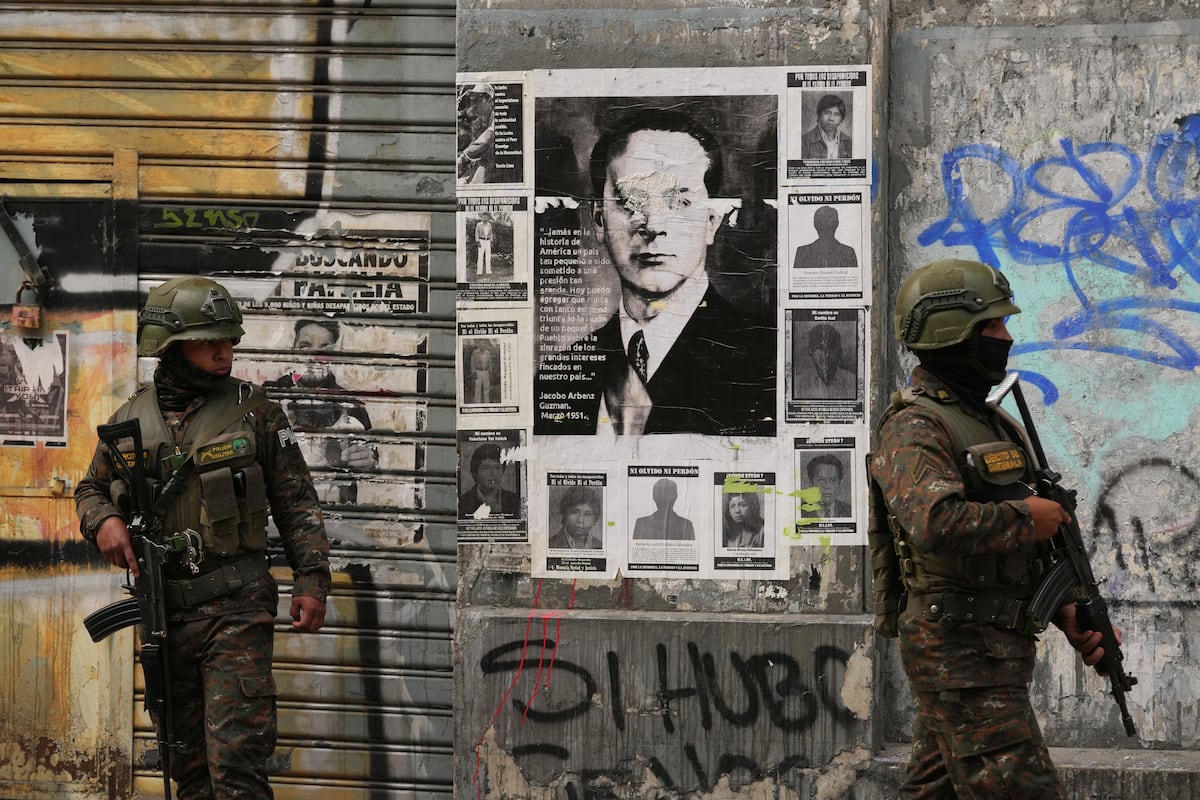
fromenglish.elpais.com
1 month agoThe United States demands Cuba make dramatic changes very soon'
The United States demanded on Wednesday that Cuba undertake very dramatic changes very soon, while increasing pressure on an island facing its worst economic crisis in decades. At the same time, U.S. Secretary of State Marco Rubio is holding conversations with Raul Guillermo Rodriguez Castro, grandson of Raul Castro, the regime's strongman, according to the U.S. outlet Axios, which claims these talks are taking place outside the Cuban government's official channels in Havana.
US politics
fromenglish.elpais.com
2 months agoFrom the Panama Canal standoff to Honduras: Trump reasserts Washington's grip on Central America
It was not just another bombastic statement in the Republican's provocative style it was the first visible sign of a policy that once again places the region under U.S. oversight. Trump revived old interventionist instincts by interfering in Honduras's presidential election and threatening to cut aid to Central American governments as leverage to force them into agreements aimed at curbing migration.
US politics


fromenglish.elpais.com
1 month agoReturning to Guatemala in a cardboard box after a migrant life in the United States
At 11:10 p.m. on an unusually freezing night in late January, the last commercial flight from Houston, Texas, landed at La Aurora Airport in Guatemala City. Passengers and their luggage were immediately unloaded. Just when it seemed everyone had left, the cargo hold door opened and airline staff pulled out two white cardboard boxes. Inside, two coffins. Julio Gonzalez, 59, import supervisor at Combex-IM, the airport's customs warehouse, oversaw his team's respectful transfer of the remains in a small forklift to a chapel illuminated by a cross.
World news
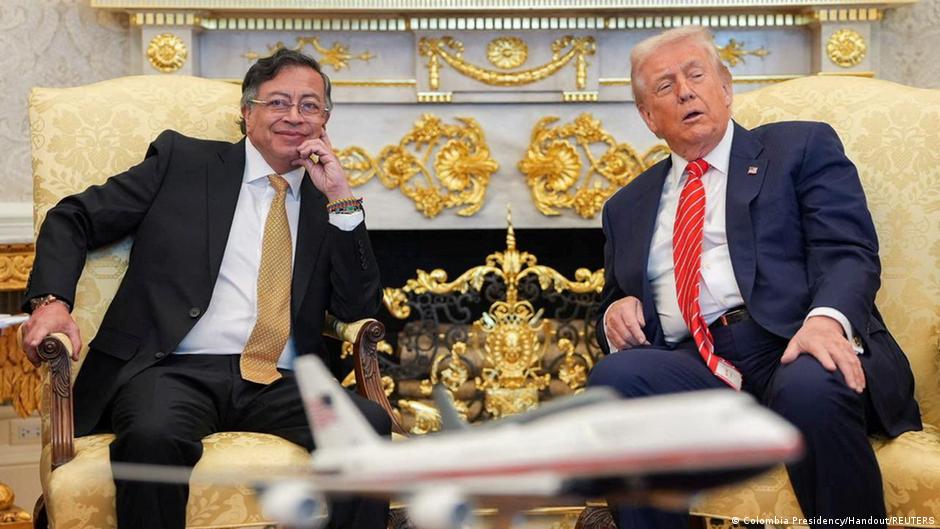

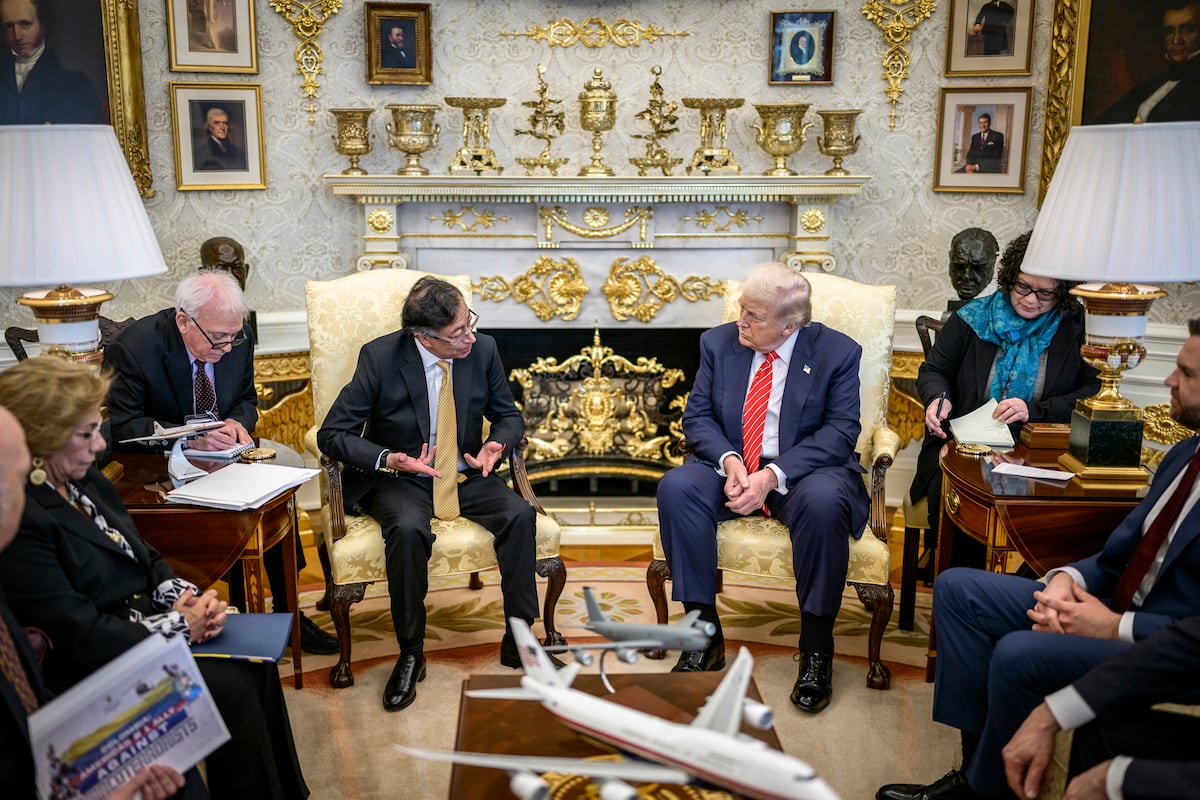

fromenglish.elpais.com
1 month agoMexico and Cuba, an old friendship under the shadow of the United States
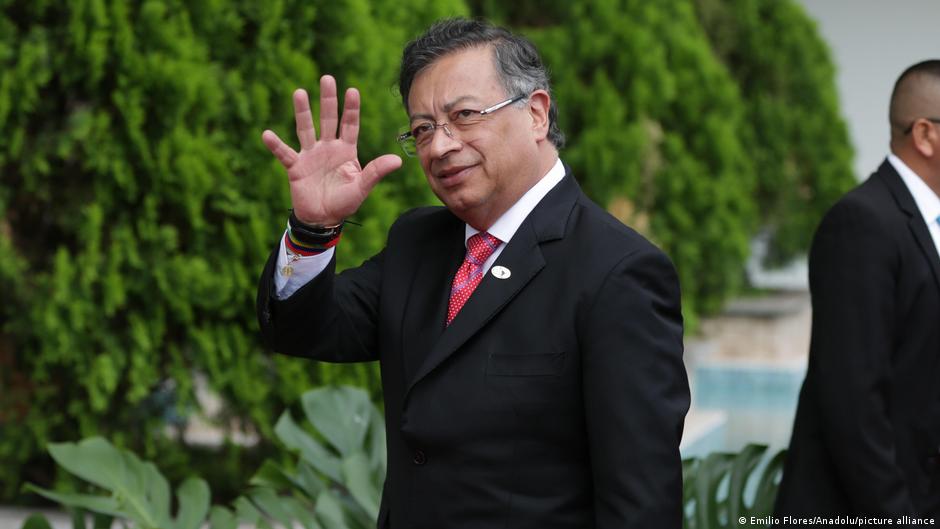
The Mexican president's phone call, asking Castro to leave a summit of heads of state before the arrival of U.S. president George W. Bush, perfectly illustrates the dilemma that other Mexican presidents have historically faced, and which now confronts the government of Mexican President Claudia Sheinbaum: how to maintain good relations with both Cuba and the United States. Sheinbaum finds herself stuck in this dichotomy,
World news
US politics
fromenglish.elpais.com
1 month agoLiam and the other Ecuadorian children trapped between Trump's immigration crusade and Noboa's silence
U.S. immigration enforcement detained Ecuadorian children, leaving families fearful and in hiding while Ecuador's president remained publicly silent, signaling political deference to U.S. power.
fromwww.theguardian.com
1 month agoMexico sends aid to Cuba as Sheinbaum walks diplomatic tightrope with US
The two Mexican navy ships docked on Thursday laden with humanitarian aid as part of Mexico's efforts to support Cuba amid a deepening crisis exacerbated by Donald Trump's economic pressure campaign. The boats, carrying more than 800 tons in aid, arrived at the Caribbean nation two weeks after Trump signed an executive order allowing the US to slap tariffs on any country selling or providing oil to Cuba, effectively choking off fuel to the island.
World news
fromAxios
2 months agoTrump adds Venezuela to list of countries whose citizens must post bonds for U.S. visas
The State Department says the bonds are designed to deter visitors from overstaying their visas for tourism or business, citing a 2024 DHS fiscal report that analyzed estimated overstay rates by country. State of play: Bhutan, Botswana, the Central African Republic, Guinea, Guinea-Bissau, Namibia and Turkmenistan have been subject to the bond requirement since Jan. 1, built off the State Department's pilot program launched in August 2025.
US politics
World news
fromwww.theguardian.com
2 months agoJustice is optional': why Trump's pardon of Honduran ex-president scares nature defenders
Trump's pardon of Juan Orlando Hernández undermines accountability and risks reinforcing impunity, corruption, and violence linked to extractive policies harming environmental defenders in Honduras.
[ Load more ]