#gubernatorial-primary-vote-splitting
#gubernatorial-primary-vote-splitting
[ follow ]
#california-gubernatorial-race


SF politics
fromLos Angeles Times
1 month agoFearing GOP win, California's Democratic leader urges unviable party candidates for governor to drop out
California Democratic Party Chair Rusty Hicks urged struggling candidates to withdraw before Friday's filing deadline to prevent vote-splitting that could result in an all-Republican general election.



#midterm-elections


US Elections
fromPOLITICO
3 weeks ago'I'm glad I'm not on the ballot': Senate GOP worries about its midterm edge
Republican senators warn the party must emphasize cost-of-living measures to maintain Senate control, despite Trump's focus on other priorities and voter concerns about inflation and energy prices.

fromFortune
5 days agoDemocrats in disarray as rank and file clash with Chuck Schumer's plan to run elderly moderates in must-win races | Fortune
Clearly there's a disagreement of strategy here. The business-as-usual calculation for what is going to be successful in a given election cycle does not necessarily, in my view, meet the moment.
SF politics

Right-wing politics
fromSlate Magazine
2 weeks agoRepublicans Have a New Plan to Trick People Into Voting Against Abortion Rights. This One Is Working.
Anti-abortion ballot initiatives have failed consistently since 2022, but opponents may now succeed by deliberately confusing voters about what they're voting for.
Austin
fromIntelligencer
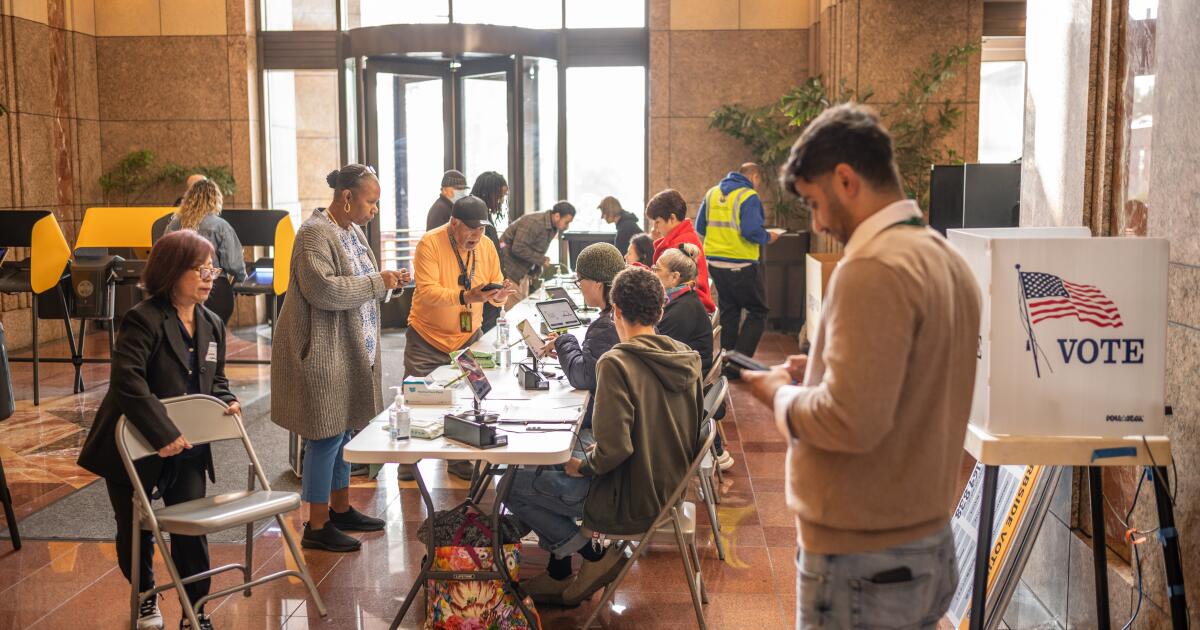
1 month agoTalarico Wins Texas Senate Primary as GOP Heads to Nasty Runoff
Texas held competitive 2026 primary elections where Democrat James Talarico narrowly defeated Jasmine Crockett for Senate nomination, while Republicans sent John Cornyn and Ken Paxton to a runoff after neither secured a majority.

US politics
fromwww.mediaite.com
2 weeks agoRetiring GOP Senator Trashes Republican Party's Lazy and Unstrategic' Handling of Bitter Senate Runoff
Sen. Tillis criticizes the Texas Senate runoff as divisive, blaming Republicans for laziness and poor strategy while Trump delays his endorsement between Cornyn and Paxton.
Left-wing politics
fromwww.theguardian.com
1 month agoThe Your Party committee election was chaos. Why break the habit of a lifetime?
Your Party's internal dysfunction, marked by leadership conflicts, financial misconduct allegations, and organizational chaos, has become embedded in its corporate culture, exemplified by a failed livestreamed election results announcement.
Right-wing politics
fromIntelligencer
3 weeks agoHow the GOP Plans to Use Talarico's Christianity Against Him
James Talarico, Texas Democratic Senate nominee, faces attacks from Republicans and conservative Christians for his progressive Christian interpretation and criticism of Christian nationalism, with opponents labeling him a heretic despite his theological positions being mainstream in non-fundamentalist Christianity.
SF politics
fromThe Atlantic
3 weeks agoThe Republican Party Continues Eating Its Own
Kevin Kiley, a California Republican congressman, switched to independent status to run for reelection in a Democratic-leaning district, exemplifying the GOP's intolerance of dissenting voices and increasing congressional polarization.
fromLGBTQ Nation
3 weeks agoThe midterm primaries are turning out to be really bad news for incumbents - LGBTQ Nation
In perhaps a vain attempt to prove themselves moderate, the Democratic lawmakers helped override Democratic Gov. Roy Cooper's vetoes. Voters responded with the kind of ballot-box fury that should serve as a lesson to other incumbents. It wasn't just a case that the incumbents lost. They were buried, with several of them getting trounced by margins of 40 points or more.
US politics
fromABC7 San Francisco
1 month agoFearing GOP upset, top California Democrat urges lagging candidates for governor to drop out of race
California Democratic Party Chair Rusty Hicks warned in a statement that for all the state's liberal bona fides it was possible that a large Democratic field could carve up the party's primary vote into small fractions and allow only two Republican candidates to advance to the November election. The all-GOP general election is possible under California's unusual top-two primary system, which puts all candidates on one ballot and only the top two vote-getters advance to November, regardless of party.
California
fromIntelligencer
3 weeks agoTrump Has Handed the Democrats a New Winning Issue for the Midterms
Affordability has been, understandably, the watchword for Democratic candidates over the last year. After downplaying inflation under Joe Biden, the party learned a brutal lesson when Donald Trump rode the cost-of-living crisis back to the White House in 2024. In 2025, Zohran Mamdani put affordability at the center of his own campaign and surged from the back of the pack to City Hall.
US politics
SF politics
fromLos Angeles Times
3 weeks agoCandidates scramble, one quits, after redistricting shakes up California's congressional races
California's mid-decade congressional redistricting has reshaped districts, potentially sending gay Democrat Robert Garcia to represent conservative Huntington Beach, a city that previously voted to ban Pride flags from public property.
SF politics
fromwww.mercurynews.com
4 weeks agoDemocrats fear being locked out of the November governor's race. Could it lead to changes in California's top-two primary system?
California's top-two primary system risks shutting out Democrats from the gubernatorial general election if the party vote splits among eight candidates, potentially allowing two Republicans to advance.
US Elections
fromwww.theguardian.com
3 weeks agoDemocrat and Republican head to Georgia runoff election for Marjorie Taylor Greene's seat US politics live
Democrat Shawn Harris and Republican Clay Fuller advance to an April 7 runoff for Georgia's 14th congressional district after a special election, with Harris significantly outraising Fuller despite his Trump endorsement.
fromThe Nation
4 weeks agoAn Argument Against Voting for the "Electable" Guy
I have been harping on the idea that voters who do not want to choose between "a lesser of two evils" in November need to show up to vote in the primaries process. I hope to see record engagement all throughout the spring and summer, building toward the November midterm elections.
US politics
#2026-midterms
US politics
fromEsquire
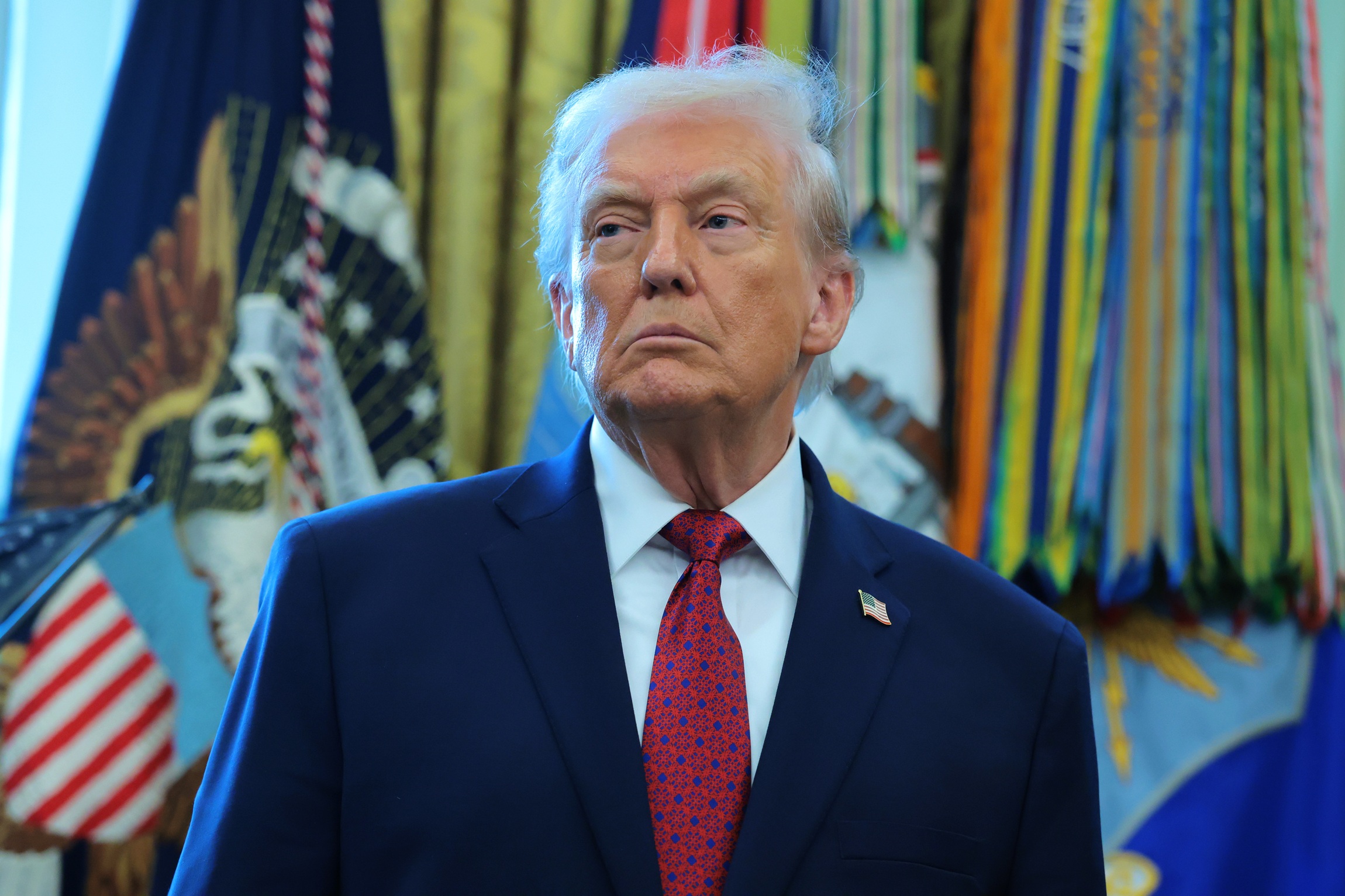
1 month agoI Sure Hope the Democrats Know What to Do After the Primaries
Texas Senate primaries show Democrats facing a difficult choice between two viable candidates while Republicans pit an unremarkable incumbent against a scandal-plagued challenger, with local elections nationwide carrying significant long-term political implications.
US politics
fromEsquire
1 month agoI Sure Hope the Democrats Know What to Do After the Primaries
Texas Senate primaries show Democrats facing a difficult choice between two viable candidates while Republicans pit an unremarkable incumbent against a scandal-plagued challenger, with local elections nationwide carrying significant long-term political implications.
US Elections
fromwww.mercurynews.com
4 weeks agoOpinion: State's Democrats could sleep better if voters could rank gubernatorial choices
California's top-two primary system risks producing two Republican finalists if Democrats split votes across a crowded field, potentially leaving voters without a Democratic choice for governor.

fromAxios
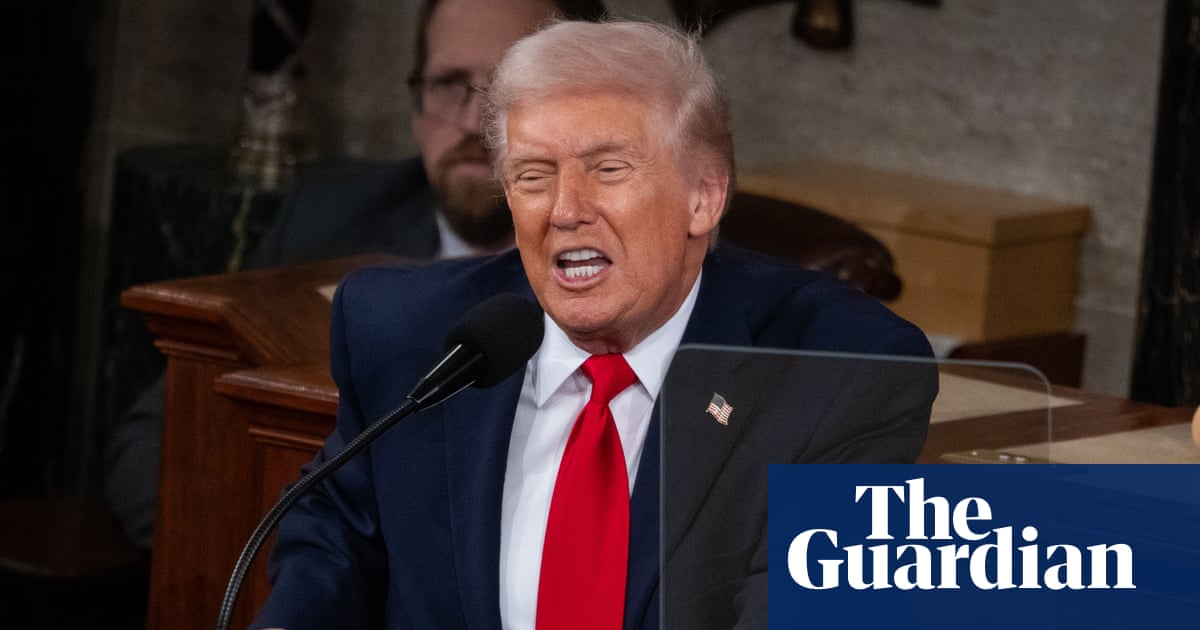
1 month agoTrump-MAHA split complicates midterm agenda
Reputable polling - including from President Trump's own campaign pollster - has repeatedly found that vaccines are popular, and for all of the power vaccine critics have amassed within the federal government, accommodating them is politically risky. It doesn't take much reading between the lines of recent events to gather that such vaccine skepticism is falling out of fashion as we get further into the election cycle.
US politics
fromwww.theguardian.com
1 month agoEarly voting begins for high-stakes Texas primary elections
Republicans and Democrats alike face a high-stakes choice that could set the stage for one of the fiercest Senate races of the 2026 midterm cycle. At the center of the fractious Republican contest is a clash between the party's old guard and a Maga culture warrior, with four-term incumbent John Cornyn, a conservative fixture of Senate leadership locked in the fight of his political career against the state's scandal-plagued attorney general, Ken Paxton.
US politics
fromAxios
1 month agoMAHA's midterm election test
Driving the news: In a memo Thursday, the Kennedy-aligned political advocacy group MAHA Action warned the chairs of the Republican Senate and House campaign committees and House and Senate leaders that the GOP "is renting MAHA voters. They haven't decided to purchase them yet." The group says Republicans could still close the polling gap with appeals to this segment, which it said could represent 10% of the electorate.
US politics
fromIntelligencer
2 months agoDemocrats Should Run a Governor for President in 2028
Though only 17 of the 47 presidents were governors, only four men (James Garfield, Warren Harding, John F. Kennedy and Barack Obama) have gone directly from Congress to the White House. Among Democrats, however, the last sitting or former governor to win a presidential nomination was Bill Clinton. Indeed, the last governor to run a viable Democratic nomination contest was Howard Dean in 2004, and his signature issue was foreign policy (his opposition to the Iraq War).
US politics


fromIntelligencer
2 months agoStates Are Jostling for 2028 Presidential-Primary Spots
The first 2028 presidential primaries are just two years away. And for the first time since 2016, both parties are expected to have serious competition for their nominations. While Vice-President J.D. Vance is likely to enter the cycle as a formidable front-runner for the GOP nod, recent history suggests there will be lots of other candidates. After all, Donald Trump drew 12 challengers in 2024.
US politics
fromIntelligencer
2 months agoGOP May Squeeze in Second Big Beautiful Bill Before Midterms
At the moment, the betting in Washington is that Republicans and Democrats will manage to achieve just enough agreement on must-pass spending legislation to avoid another government shutdown on January 30. So what will Congress do between now and the November midterms? All the spending measures will run out on September 30 at the end of the federal fiscal year, but lawmakers will likely find a way to kick the can past Election Day.
US politics
[ Load more ]