#h5n1-outbreak
#h5n1-outbreak
[ follow ]
#influenza #vaccination #public-health #avian-influenza #nipah-virus #west-bengal #mpox-clade-i #wildlife-disease
#mpox-clade-i


Coronavirus
fromNew York Post
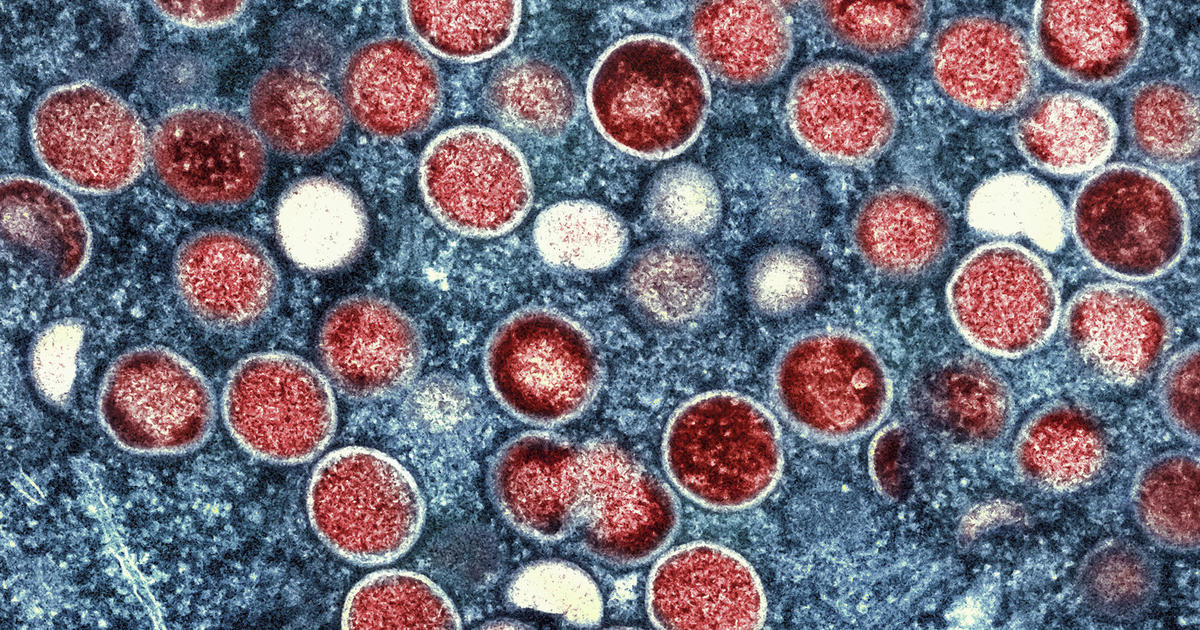
2 weeks agoFirst known case of severe mpox virus strain detected in NYC
New York City detected its first case of mpox clade I, a more severe and transmissible strain, in a person with recent international travel, prompting health officials to recommend vaccination for at-risk populations.
#avian-influenza


fromwww.santacruzsentinel.com
3 weeks agoCoronavirus
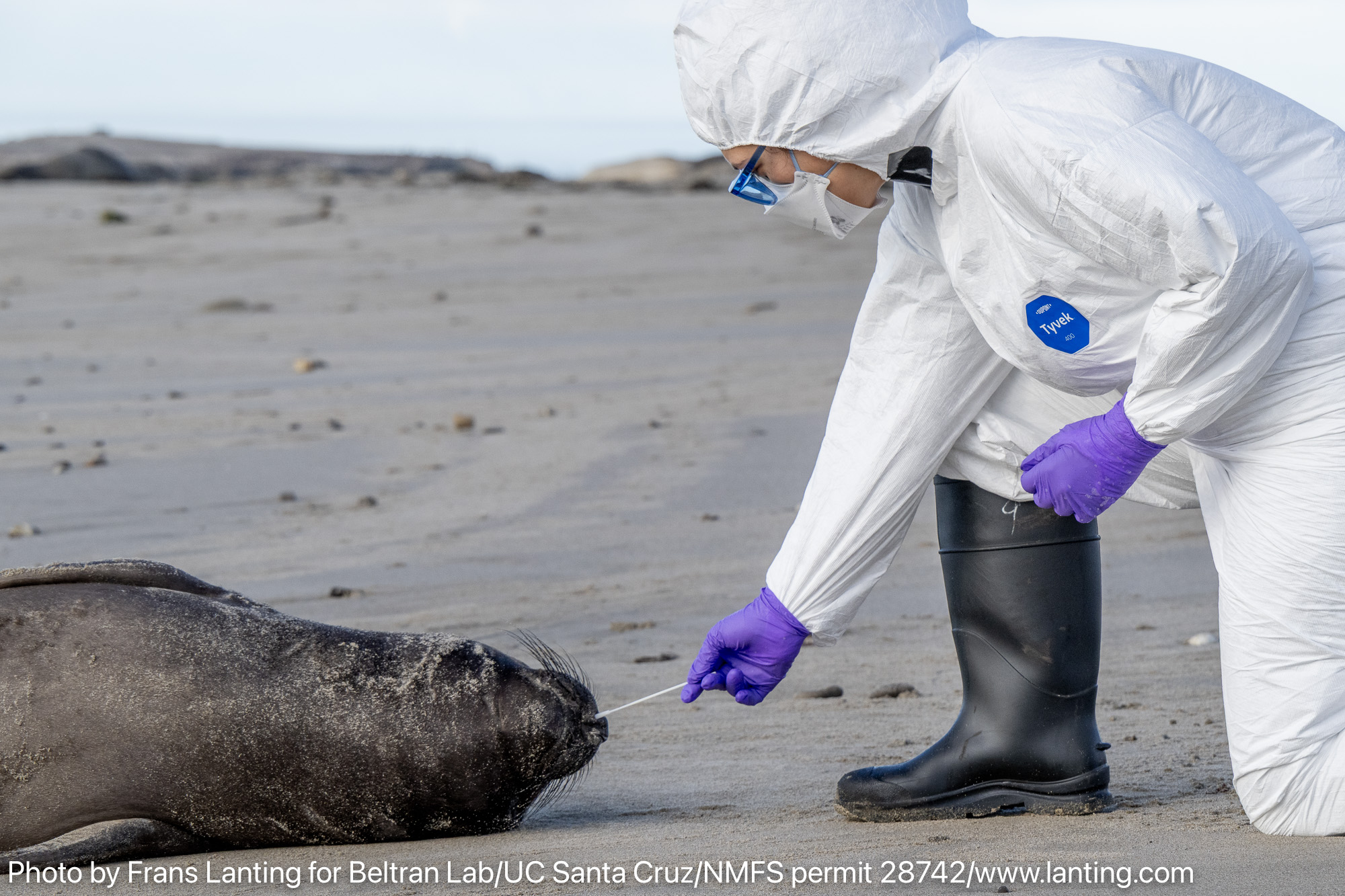
Researchers closely monitor bird flu outbreak in elephant seals at Ano Nuevo State Park
UC Santa Cruz researchers discovered avian influenza H5N1 in elephant seal pups at Año Nuevo State Park, marking the first confirmed cases in this marine mammal species.
Coronavirus
fromwww.santacruzsentinel.com
3 weeks agoResearchers closely monitor bird flu outbreak in elephant seals at Ano Nuevo State Park
UC Santa Cruz researchers discovered avian influenza H5N1 in elephant seal pups at Año Nuevo State Park, marking the first confirmed cases in this marine mammal species.





fromSFGATE
4 weeks agoBird flu rips through another beloved Bay Area species
Bay Area peregrine falcon numbers began plummeting after a massive, global outbreak of avian flu in 2020, the study documents, with only about a third of the nesting sites still in use as of 2025. The news, while dire, nevertheless helps scientists understand how the disease is impacting local populations, and what we can expect for their recovery.
Science
fromNature
3 weeks agoPrevent pandemics through One Health commitments
Risks of outbreaks with pandemic potential rise with increasing land-use change, biodiversity loss and climate change. The Pandemic Agreement adopted by the World Health Assembly in 2025 marks a historic shift that establishes the One Health approach as a legally binding obligation for pandemic prevention.
Public health
fromwww.ocregister.com
1 month agoShrinking North American bird population is getting worse faster. Experts blame agriculture, warming
Nearly half of the 261 species studied showed big enough losses in numbers to be statistically significant and more than half of those declining are seeing their losses accelerate since 1987, according to Thursday's journal Science. The study is the first to look at more than the total bird population by examining the trends in their decrease, where they are shrinking the most and what the declines are connected to.
Environment
fromwww.npr.org
3 weeks agoVaccinating bats could be good for people. But how do you vaccinate a bat?
Bats carry a lot of very deadly pathogens like Ebola virus, Nipah, Hendra, coronavirus, and also rabies virus. People are finding more and more bat-borne viruses. When such viruses are transmitted to humans, the results are often fatal so there's a lot of interest in trying to prevent spillover in the first place.
Coronavirus
Science
fromNature
1 month agoDaily briefing: COVID's origins - what we do and don't know
Horses produce two-toned vocalizations simultaneously using their vocal folds and larynx cartilage to convey complex messages, while AI threatens research programming jobs and Japan approves stem cell therapies with limited trial data.
Public health
fromLos Angeles Times
1 month agoA virus without a vaccine or treatment is hitting California. What you need to know
Human metapneumovirus is spreading in California wastewater with increasing concentrations in Northern California communities, though public health officials indicate no immediate alarm is warranted.
Coronavirus
fromwww.scientificamerican.com
1 month agoHere are the flu strains health officials predict could hit hard next season
The WHO recommends flu vaccine production for H1N1, H3N2, and B/Victoria strains, while preparing H9N2 bird flu vaccines as pandemic precaution amid a severe current season.


fromwww.npr.org
1 month agoWhy it's a bit surprising that the U.S. is attending a key global flu meeting
Each day, they pore over reams of data about how the virus is evolving worldwide, how well last year's shot performed, and which strains might be easiest to mass produce for a vaccine. The meeting, convened by the World Health Organization twice a year, is a critical moment for the WHO's Global Influenza Surveillance and Response System.
Public health
fromwww.latimes.com
1 month agoH5N1 bird flu found in elephant seals at Ano Nuevo State Park
This is exceptionally rapid detection of an outbreak in free-ranging marine mammals, said professor Christine Johnson, director of the Institute for Pandemic Insights at UC Davis' Weill School of Veterinary Medicine. We have most likely identified the very first cases here because of coordinated teams that have been on high alert with active surveillance for this disease for some time.
Public health
fromwww.theguardian.com
2 months agoWe thought they would ignore us': how humans are changing the way raptors behave
Many people look up to admire the silhouette of raptors, some of the planet's largest birds, soaring through seemingly empty skies. But increasingly, research shows us that this fascination runs both ways. From high above, these birds are watching us too. Thanks to the development of tiny GPS tracking devices attached to their bodies, researchers are getting millions of data points on the day-to-day lives of these apex predators of the skies, giving us greater insight into where they hunt and rest.
Environment
fromwww.theguardian.com
2 months agoEuropean cold snap may increase bird migration to UK
When compared with places such as Norway and Sweden, the UK has relatively warm winters, and we get large numbers of migratory birds from all over Europe, which travel here seeking shelter, food and water. But numbers change every year depending on what the weather is like there and here with the recent cold spell you may see some surprise migratory visitors outside your window
Environment









fromABC7 San Francisco
1 month agoBay Area veterinarians report spike in deadly, contagious disease affecting dogs
SAN FRANCISCO (KGO) -- Health departments across California are sounding the alarm about a highly contagious bacterial disease that can be deadly in dogs if not treated. And in rare cases, it can spread to humans. It's called leptospirosis -- and it's actively spreading right now in the Bay Area and parts of the state, including Los Angeles. 7 On Your Side's Stephanie Sierra's dog, Bubba, contracted the disease and fought it for weeks.
Public health
fromLondon Business News | Londonlovesbusiness.com
2 months agoNHS warns the 'worst is far from over' as a new flu variant is spreading - London Business News | Londonlovesbusiness.com
It's clear that the worst is far from over for the NHS this winter, with hospitals again experiencing a rise in patients admitted with flu and other respiratory virus cases last week.
Public health
Public health
fromFast Company
2 months agoFlu virus tracker: Latest update shows high influenza activity across most states. Watch out for these symptoms
Influenza A H3N2 subclade K is driving a nationwide surge in flu cases, with high positivity rates, substantial hospitalizations, and pediatric deaths.
[ Load more ]