#halloween-poetry
#halloween-poetry
[ follow ]
#wuthering-heights #film-adaptation #frankenstein #zombies #guillermo-del-toro #mary-shelley #queer-cinema


Board games
fromKotaku
1 month agoOur Dark Lord Cthulhu Awakens In This Lovecraftian Adventure
The Dark Rites of Arkham is a point-and-click adventure game set in Lovecraft's fictional city of Arkham, where Detective Jack Foster investigates ritualistic murders linked to mystical cults and ancient gods.

Independent films
fromwww.theguardian.com
1 month agoWhy Frankenstein should win the best picture Oscar
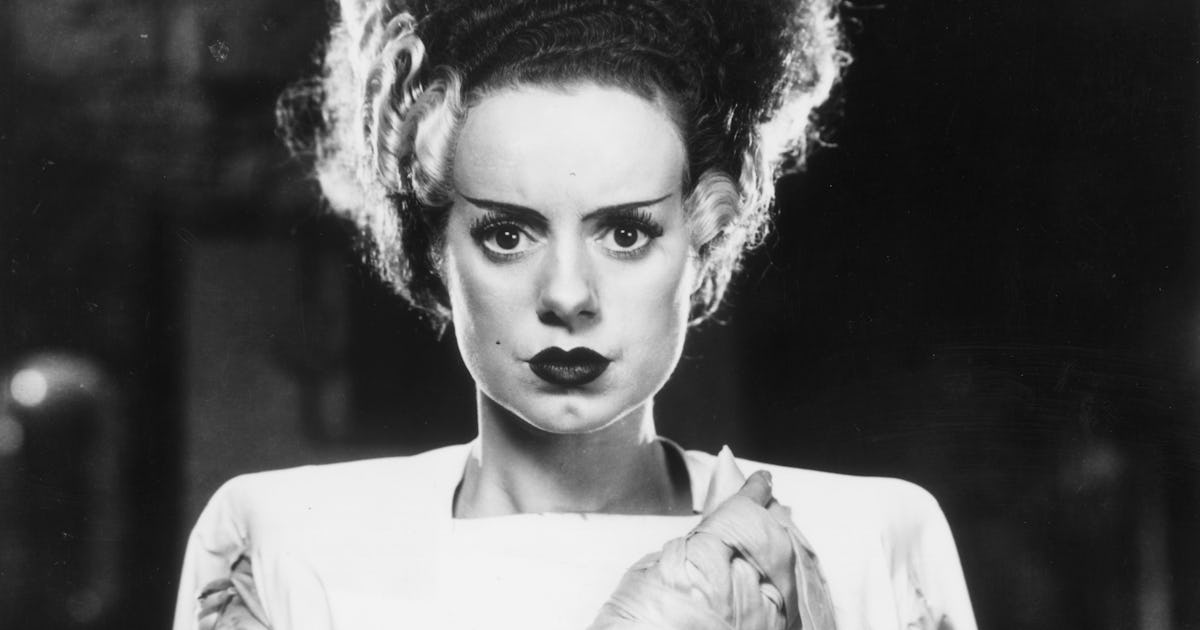
Guillermo del Toro's Frankenstein adaptation transforms Shelley's novel into a story about generational trauma and forgiveness, featuring meticulous craftsmanship and visual splendor despite fantasy genre's historical Oscar disadvantage.
Miscellaneous
fromdesignyoutrust.com
1 month agoBeautiful Occult Hand Embroidery By Adipocere, Weaving Macabre Maidens And Danse Macabre On Line
Melbourne embroidery artist Adipocere creates intricate macabre illustrations on natural linen, blending innocence with unsettling melancholy through occult and surrealist themes exploring death, impermanence, and existential concepts.
fromInverse
1 month agoA Beloved Horror Epic Just Dropped Its Biggest Twist
Lestat gets an interesting alert on his tablet: a new book by Daniel Molloy called Interview with the Vampire is about to come out. Louis tries to defend himself, claiming he destroyed Molloy's laptop and didn't know the book, written with a cloud-based copy of Molloy's data, was being published until a month ago. But Louis' failure to warn him just bristles Lestat more.
Television
Film
fromThe Nation
1 month agoThe Bad Vibes of "Wuthering Heights"
Emerald Fennell's Wuthering Heights prioritizes contemporary aesthetic over literary faithfulness, reducing Brontë's complex novel to a shallow love story that reflects modern short attention spans rather than engaging with the source material's depth.
fromKqed
5 months agoThese 5 Creatures Make a Living Off of Death: A Halloween Compilation | KQED
A passerby discovers it first - and lets out a piercing call. Within seconds, everyone in earshot rushes to the scene. It's mayhem... or so it seems. Crows are intelligent, and super chatty. They watch out for one another within tight-knit groups. As adults it's pretty rare for crows to be killed. So when one dies the others notice. Are they just scared? Or is something deeper going on.
Science
Graphic design
fromdesignyoutrust.com
2 months agoThis Artist Paints Darkfantasy Characters, Then Scans Them Into Limited Prints For Occultminded Collectors
Contemporary visual art spans diverse styles, mediums, and themes—from hyperrealism and surrealism to street, comic, and archival works—highlighting technical skill and conceptual range.


fromUntapped New York
1 year agoHow Museum Artifacts in NYC Inspired a Novel About a Medieval Witch - Untapped New York
While working on a graduate school paper on the mystical powers of coral, gemologist Anna Rasche ventured deep into the archives of the Cooper Hewitt Smithsonian Design Museum's library. Coral is the most powerful material to ward off the evil eye-a belief Italians have held since ancient times. Romans often gifted newborns coral amulets to prevent sickness and bad luck.
Books
fromMedievalists.net
2 months agoNew Medieval Books: A Demon Spirit - Medievalists.net
Abū Nuwās's poetry is sheer joy: it never fails to delight, surprise, and excite. His diwan, his collected poems, encompasses the principal early Abbasid poetic genres: panegyrics ( madīḥ), renunciant poems ( zuhdiyyāt), lampoons ( hijāʾ), hunting poems ( ṭardiyyāt), wine poems ( khamriyyāt), love poems ( ghazaliyyāt) to males ( mudhakkarāt) and females ( muʾannathāt), and transgressive verse ( mujūn).
History
fromArchitectural Digest
2 months agoAn Exclusive First Look at the Surreal, Symbolism-Packed Sets of Wuthering Heights
In Emily Brontë's 1847 novel Wuthering Heights, the moors of Yorkshire are wet with rain, fog-and symbolism. The rugged landscape separating the titular home from the neighboring estate, Thrushcross Grange, represents danger and harshness, but also a kind of wild freedom for the star-crossed lovers Catherine and Heathcliff, who explore the land together in childhood and spend their adult lives yearning for each other.
Film
Film
fromwww.theguardian.com
1 month agoStitch Head review animated adaptation of hit Frankenstinian tale hangs loosely together
Stitch Head is a tentative, derivative British children's animated film that shows a director's awkward pivot from gritty live-action to familiar, Pixar-like visual territory.
[ Load more ]