#harvest-seasons
#harvest-seasons
[ follow ]
#sustainability #gardening #agriculture #environmental-impact #plant-care #food-security #soil-health
#sustainability

Online Community Development
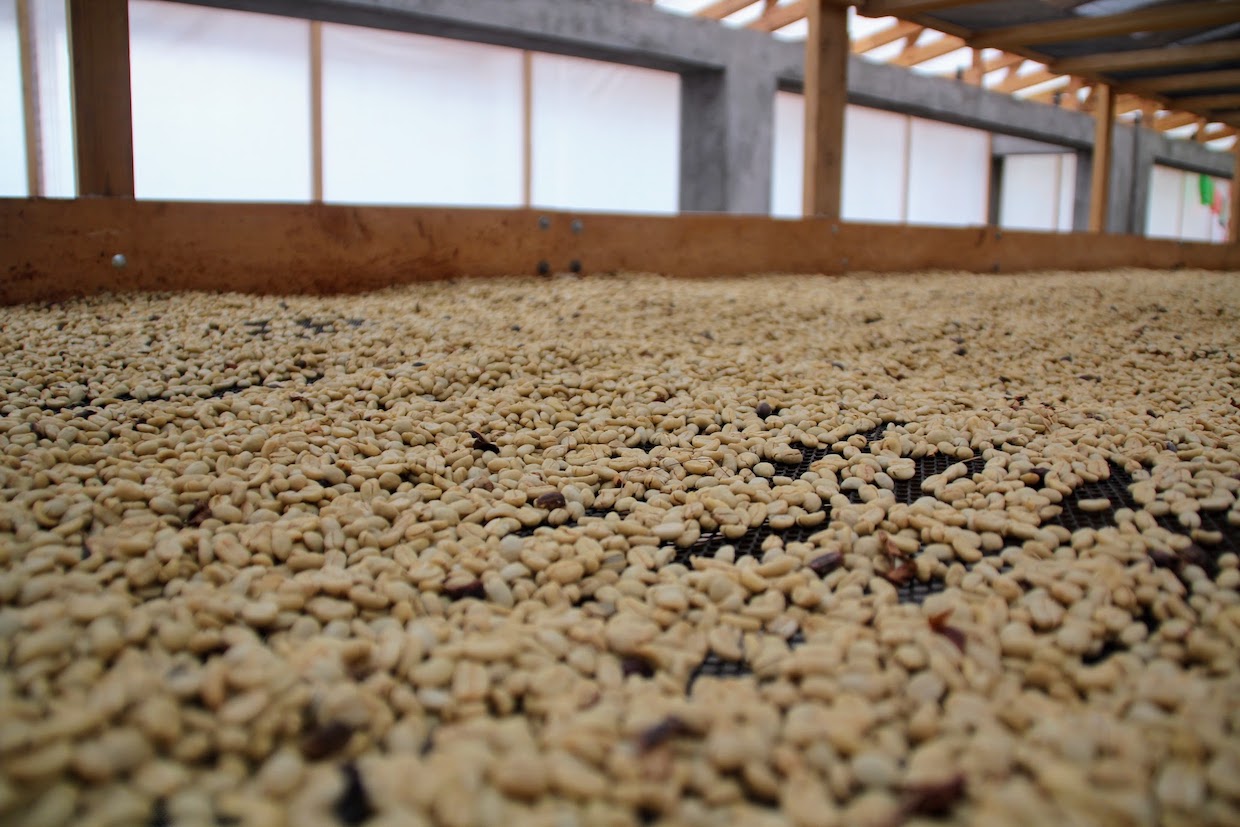
fromDaily Coffee News by Roast Magazine
1 week agoStudy: Social Enterprises Beat Corporate Sustainability in Farmer Well-Being
Social enterprises significantly enhance farmer well-being compared to traditional corporate sustainability programs and cooperatives in the coffee and cocoa sectors.
fromwww.theguardian.com
6 days agoVisible from space': why Spain has the world's biggest concentration of greenhouses
More than 30,000 hectares of land are covered in plastic, a geometric labyrinth five times the size of Manhattan, where 3.5m tons of vegetables are produced every year from tomatoes to cucumbers, peppers to courgettes, aubergines to melons, enough to feed half a billion people and generate a turnover of more than 3bn euros.
Madrid food
fromCN Traveller
1 month agoThe best farm shops in Cornwall that take pride in provenance
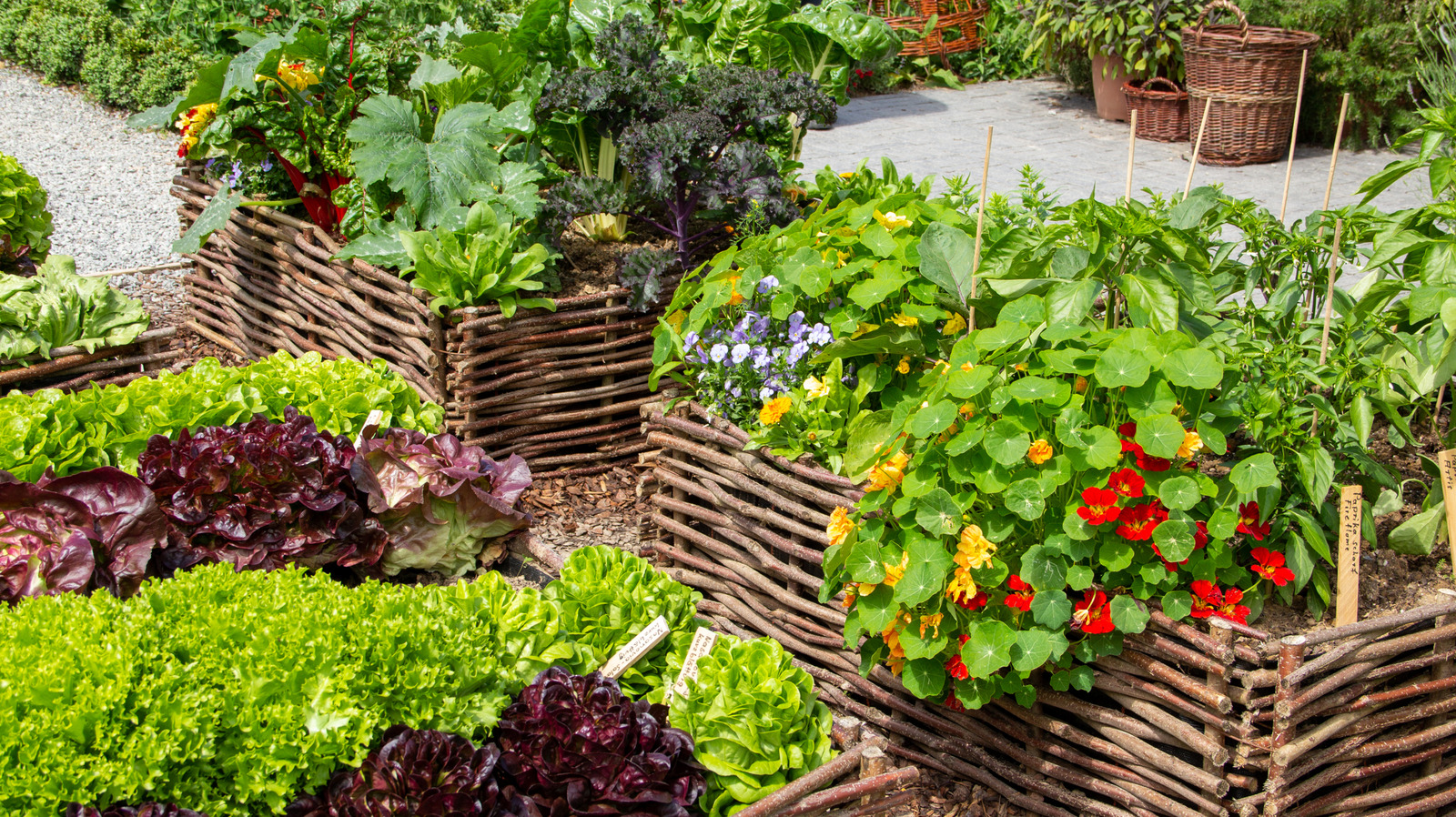
Long before they became destination stops, farm shops were practical lifelines in Cornwall; places where farming families sold what they reared, grew or made, and where local communities stocked their pantries. In a county shaped by smallholdings, dairy herds and mixed farms, the connection between land and table has always been close - and still, today, hyper-local food is something Cornwall does exceptionally well.
Food & drink

fromFast Company
2 months agoThe Farmers' Almanac isn't dead. It's getting a digital reboot under a new owner
"I saw the announcement that one of America's most enduring publications was set to close," Konrad said, "and it felt wrong to stand by while an irreplaceable piece of our national heritage disappeared."
Media industry
fromTasting Table
2 months agoThe 5 Grocery Stores With The Best Selection Of Produce - Tasting Table
Grocery stores that offer the best produce know it's crucial to nail a few key factors. First, produce needs to be fresh - that feeling when you get home and open a packet of cucumbers only to find that they're soggy and covered in slime is not a good one. Second, fruits and vegetables need to be priced right. While shoppers can expect to pay a premium of about 50 percent more for organically grown vegetables, anything more than that starts to feel unreasonable.
Food & drink
fromwww.theguardian.com
6 days agoI've never seen anything like it': Hawaii's small farmers begin recovery after catastrophic flooding
Eddie Oroyan and his wife faced a devastating loss at LewaTerra Farm after two kona low storms hit Oahu, wiping out nearly all their crops and leaving them with extensive damage. The couple initially felt hopeful after the first storm but were met with even greater destruction from the second storm, which inundated neighborhoods and caused evacuations.
Agriculture
fromwww.theguardian.com
2 months agoHumanity's favourite food': how to end the livestock industry but keep eating meat
For someone aiming to end the global livestock industry, Bruce Friedrich begins his new book called Meat in disarming fashion: I'm not here to tell anyone what to eat. You won't find vegetarian or vegan recipes in this book, and you won't find a single sentence attempting to convince you to eat differently. This book isn't about policing your plate.
Environment
fromEarth911
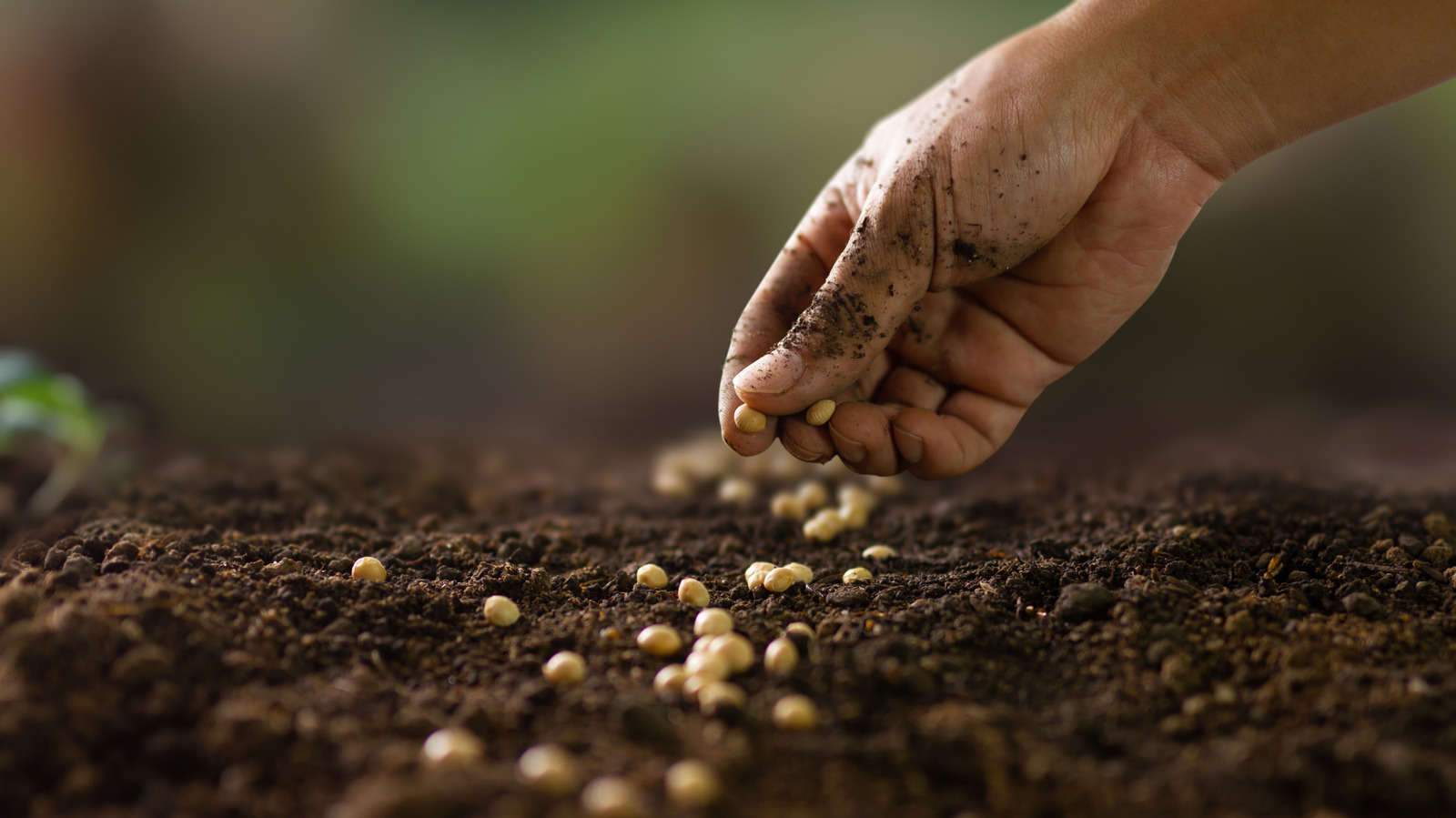
1 week agoSeed, Sprout, Spectacular: Tips for Starting Your Garden From Scratch
Starting plants from seed extends your relationship with the garden, gives you more control over seed sourcing, and saves real money compared to buying nursery starts, sometimes as much as 90% per plant.
Agriculture
fromwww.theguardian.com
2 months agoThe Guardian view on food security: Britain can no longer trust markets alone | Editorial
Food policy across much of the world is changing. But not in Britain. That may be a costly mistake as the prices of essentials rise because of the climate emergency, geopolitical tensions and the fragility of just-in-time supply chains. Many capitals are now reviving their strategic food reserves. European nations such as Sweden, Finland, Norway and Germany are rebuilding stocks dismantled after the cold war.
Food & drink
Agriculture
fromTasting Table
2 weeks agoCan You Grow A Garden From Grocery Store Produce Seeds? - Tasting Table
Growing vegetables from store-bought seeds is possible but results vary based on produce type, growing method, and post-harvest treatment, with hybrid plants producing different crops than their parent plants.
fromFuncheap
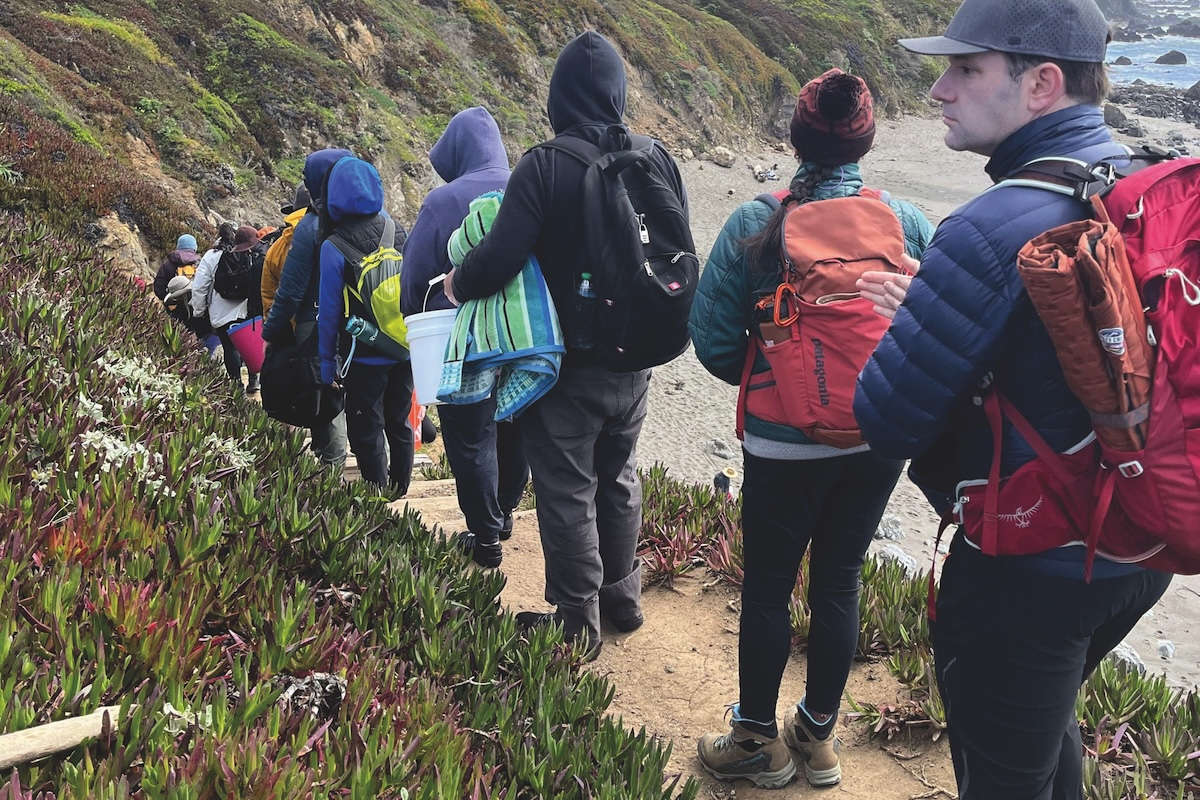
2 weeks agoEco SF School Farm Volunteer Work Day | SF
All skill levels and abilities are welcome, even for moral support and comic relief. They will provide some water and maybe a snack, and plenty of well worn gloves, but If you'd like, bring some more refreshments to share or your favorite personal protective equipment.
Agriculture
Agriculture
fromRealagriculture
1 month agoDon't cut the science that pays the bills
Closing AAFC research stations undermines Canada's agricultural competitiveness by eliminating the only coordinated system for validating crop genetics across diverse agro-ecological zones, despite wheat breeding generating a 32:1 benefit-cost ratio.
fromModern Farmer
1 month agoYour February Soil Checklist: What to Do Now for Healthy Soil
The term "soil fatigue" or exhaustion refers to the condition that soil profiles take on when they've been heavily monocropped and untended. This soil is devoid of the microbial content that offers plants bioavailable food. It lacks the fungal and bacterial organisms that interact with plant nutrients.
Agriculture
fromwww.theguardian.com
1 month agoEye-watering numbers': food producers sound alarm on rise in energy charges
Outside, it's an overcast and blustery February day in Kent hardly the ideal conditions for growing tomatoes, cucumbers and peppers. Yet inside the enormous glasshouses run by grower Thanet Earth, the climate has been optimised to a humid 20C, perfect for the regimented rows of small pepper plants poking out of raised trays. Growing fresh produce indoors in the south of England year-round requires plenty of energy to provide light, warmth and carbon dioxide.
Agriculture
fromwww.theguardian.com
1 month agoWe're not hippies': why these Iowa farmers swapped pigs for mushrooms
My older brother has worked with pigs his entire adult life, managing about 70,000 of them across five counties, Faaborg says. But we got to a point where he went from laughing at me to saying: well, I guess maybe I'll quit my job and help you out. Now he's the most dedicated, says Katherine Jernigan, director of the Transfarmation Project at Mercy for Animals, a non-profit that helped the Faaborgs make the switch and set up their new business, 1100 Farm.
Agriculture
fromInsideHook
2 months agoAn Essential Part of Farming Has Two Wings and a Beak
When you think of farming, what ingredients do you generally associate with a successful harvest? The basics certainly come to mind: fertile soil, plenty of sunlight and lots of water. But there are other variables that can also mean the difference between a crop of healthy fruits and vegetables and a large heap of organic waste. And it turns out that one of those variables is a very small hawk.
Agriculture
Agriculture
fromIndependent
2 months ago'It's a kind of rock-star lifestyle... but I always loved farming': Why ex-pro surfer swapped chasing waves for regenerative farming
Fergal Smith left a professional surfing career to practice regenerative farming and train Ireland’s next generation of sustainable farmers on Moy Hill Farm.
fromTasting Table
2 months ago15 Fruits And Vegetables You Can Start Growing In Late Winter - Tasting Table
Late winter is when keen gardeners can get a little restless. The weather is still cold, and spring still feels far away. Thankfully, you don't need to wait until the weather warms to start your growing season. There are plenty of fruits and vegetables that can be started in the late winter, ready for a bountiful harvest in the coming months. Each of these plants needs unique care in order to thrive, but thankfully, I can guide you through exactly the right steps.
[ Load more ]