#hausu-mountain
#hausu-mountain
[ follow ]
#golden-gate-park #japanese-tea-garden #residential-architecture #architecture #japanese-architecture
#architecture


Design
fromYanko Design - Modern Industrial Design News
2 months agoIndustrial Wire Mesh Transforms Traditional Tea House - Yanko Design
Layered colored wire mesh transforms a traditional tea house into a dynamic translucent space where shifting light and viewer movement create changing color, depth, intimacy.
Design
fromdesignboom | architecture & design magazine
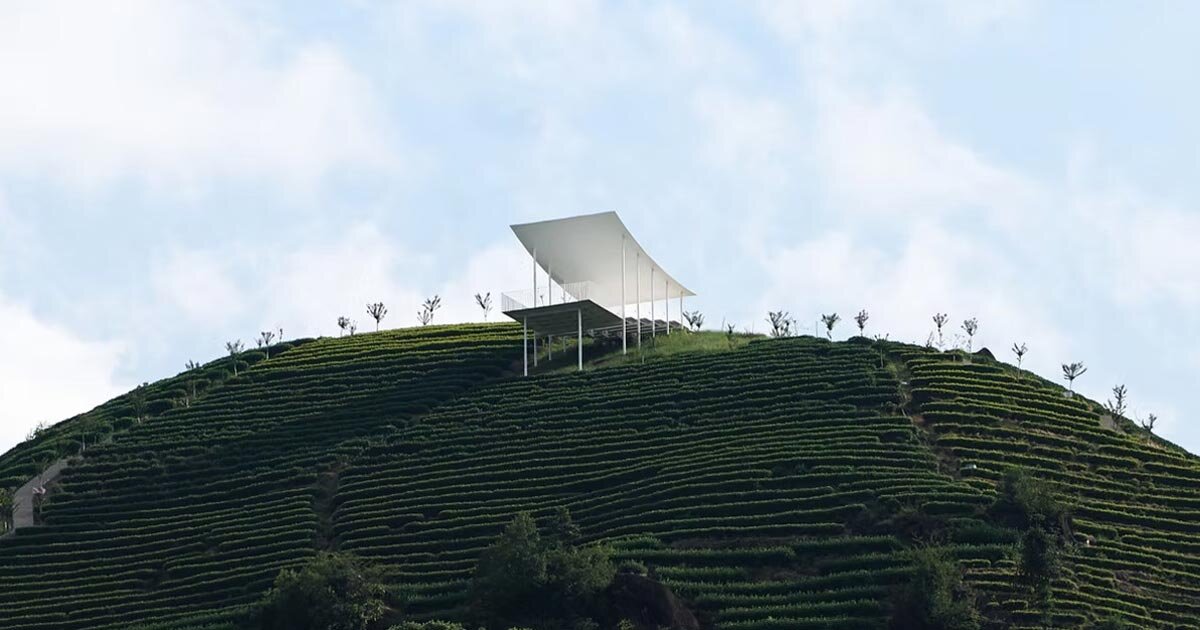
2 weeks agostudio RE+N's floating pavilion hovers like a thin white wing above chinese tea mountain
The Floating Pavilion in Songyang serves as a viewing platform and rest point, harmonizing with the tea mountain landscape through minimal intervention design.

Skiing
fromBusiness Insider
2 weeks agoI visited popular spots like Tokyo and Kyoto during my trip to Japan, but my favorite stop was a town I'd never heard of
Hakone, a mountain town near Tokyo, offers natural hot springs and cultural experiences that provide memorable alternatives to Japan's major tourist destinations.
Travel
fromMail Online
2 weeks agoJapan resident reveals how to beat the cherry blossom crowds
Japan's cherry blossom season attracts millions of visitors annually, but expert strategies can help travelers avoid crowds and experience the blooms more authentically by embracing flexibility and exploring local areas.
Design
fromYanko Design - Modern Industrial Design News
2 weeks ago8 Best Japanese Spring Home Upgrades That Make Tiny Rooms Feel Like a Wabi-Sabi Sanctuary - Yanko Design
Japanese design philosophy emphasizes deliberate minimalism where less means intentional rather than empty, achieved through functional objects rooted in craft traditions and spatial intelligence.
SF music
fromFuncheap
4 weeks agoShakuhachi Concert inside Japanese Tea Garden (Golden Gate Park)
Shakuhachi master Masayuki Koga performs traditional Japanese music at Golden Gate Park's Japanese Tea Garden Pagoda on March 7th, emphasizing spiritual connection and authentic listening beyond analytical control.
fromSnowBrains
4 weeks agoThe Ultimate Skier's Basecamp? Own This 6-Story Japanese Castle Near in Hokkaido for $64k - SnowBrains
A massive, six-story reinforced steel and concrete castle in Akabira, Central Hokkaido, has hit the market for a staggering 10,000,000 Yen-approximately $64,000 USD. Built in 1991, this isn't a crumbling ancient ruin, but a modern structural feat totaling 1,571m² of building space on a sprawling 5,045m² freehold lot.
Snowboarding
#residential-architecture
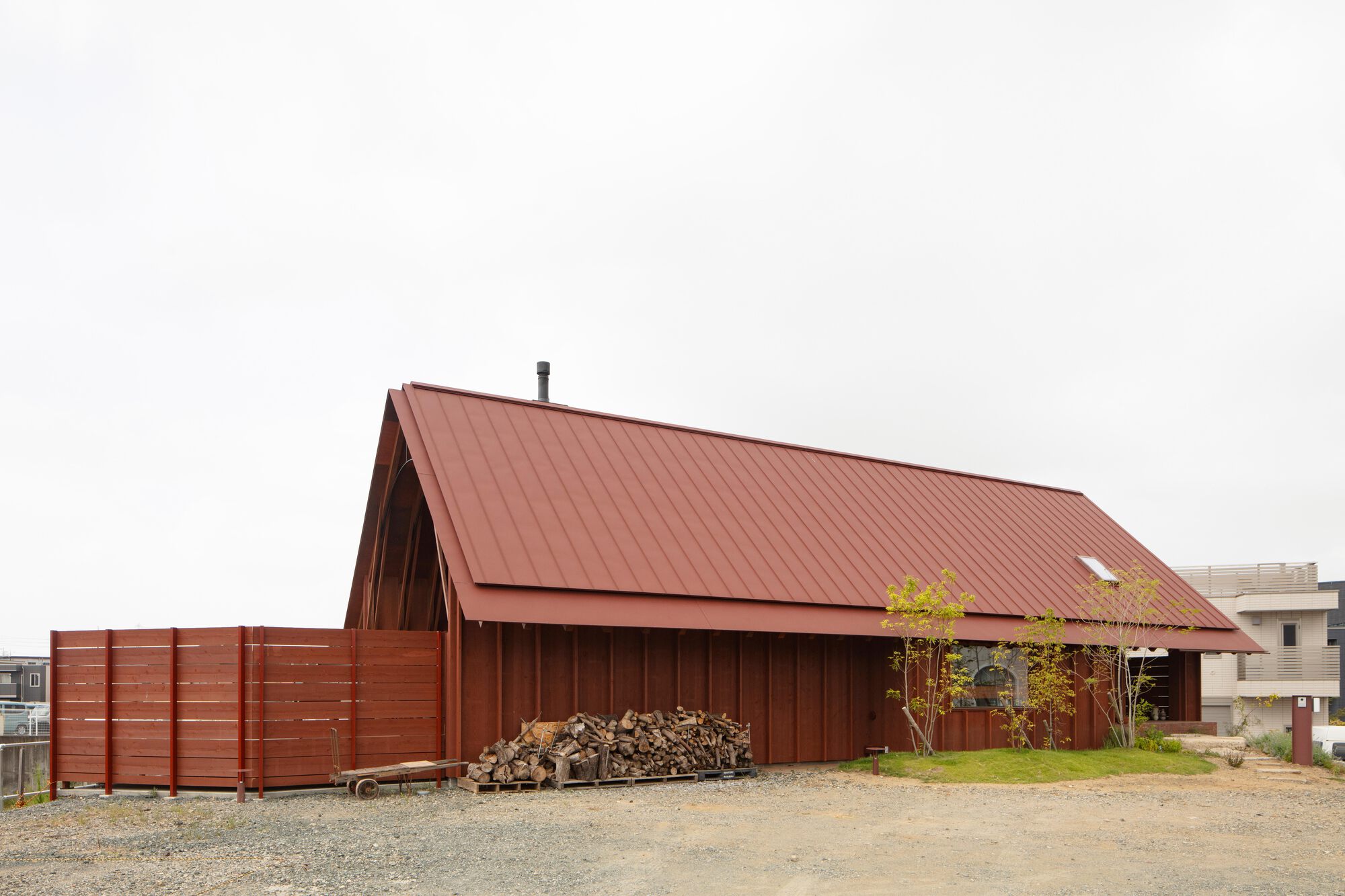
Renovation
fromdesignboom | architecture & design magazine
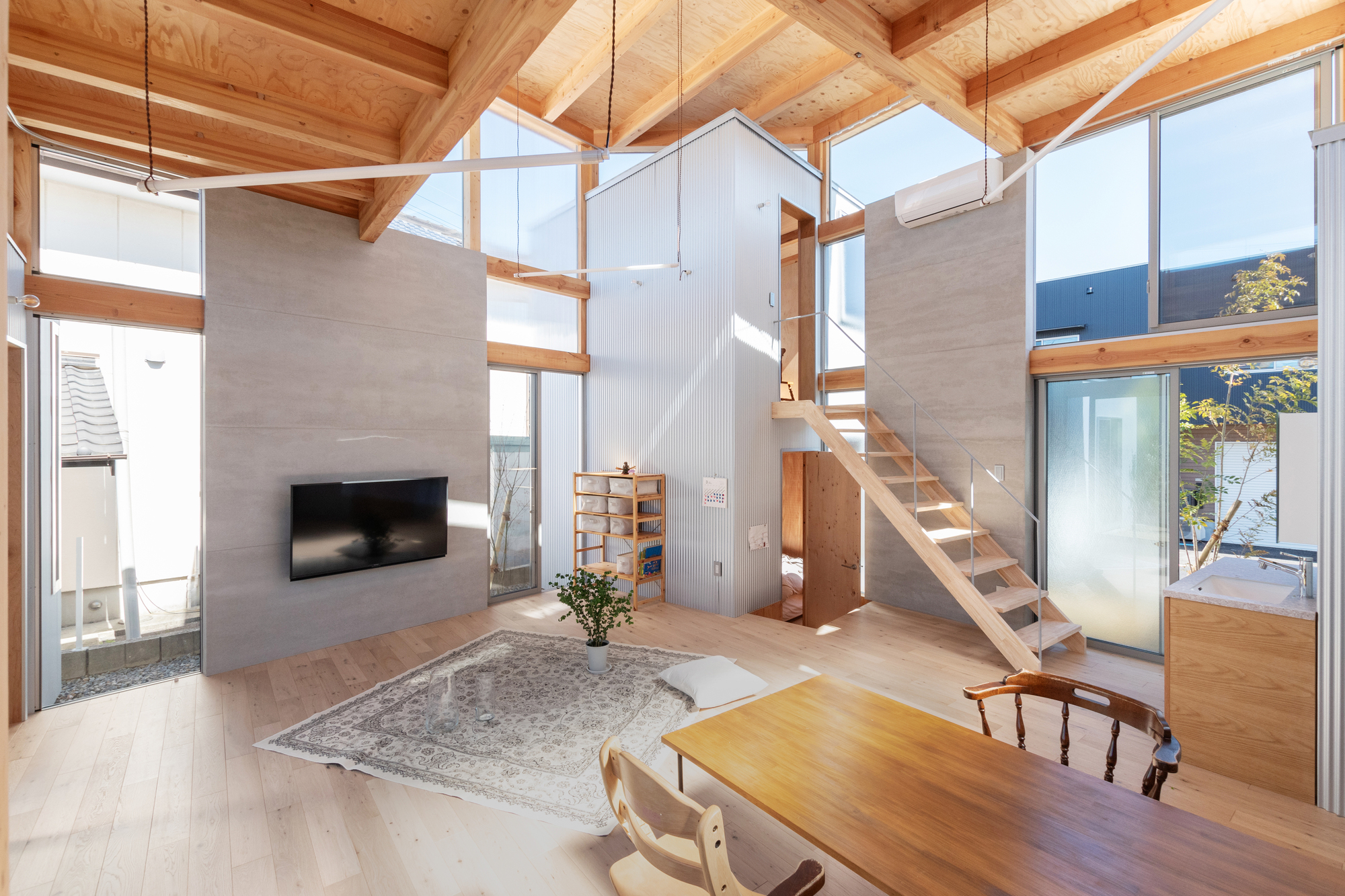
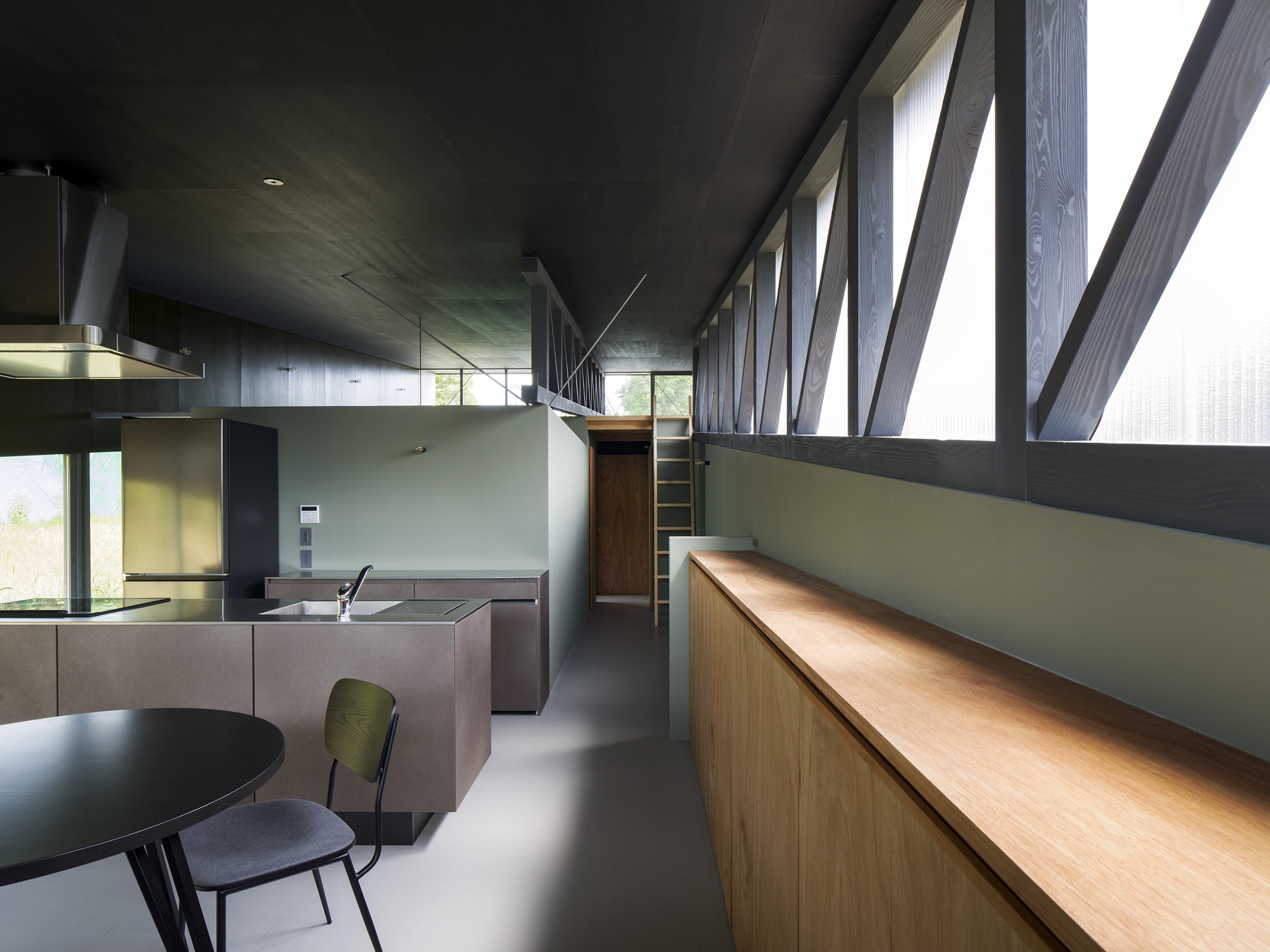
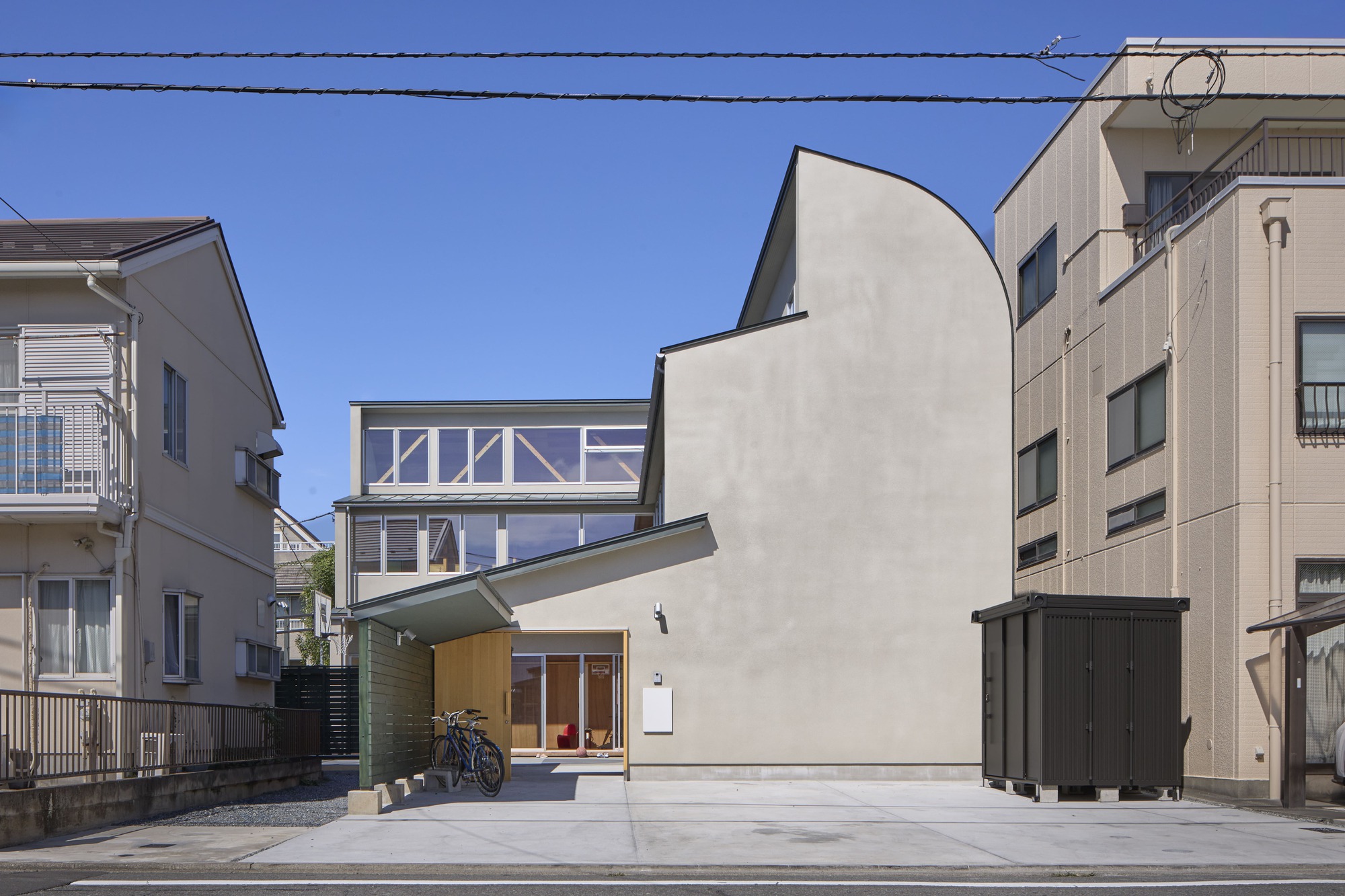
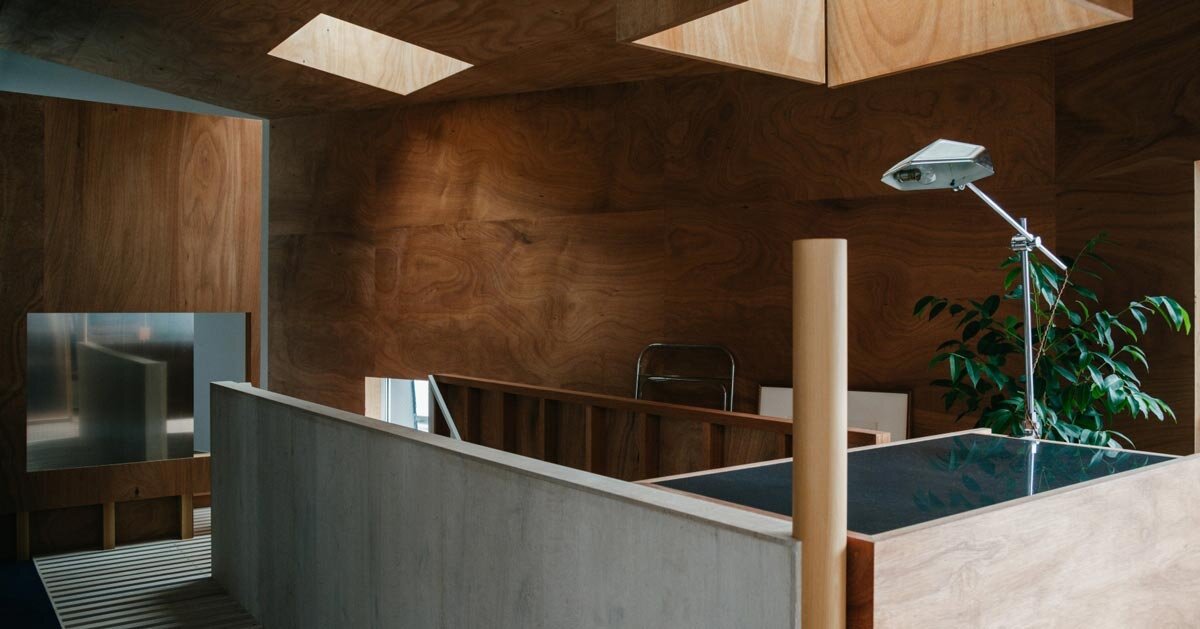
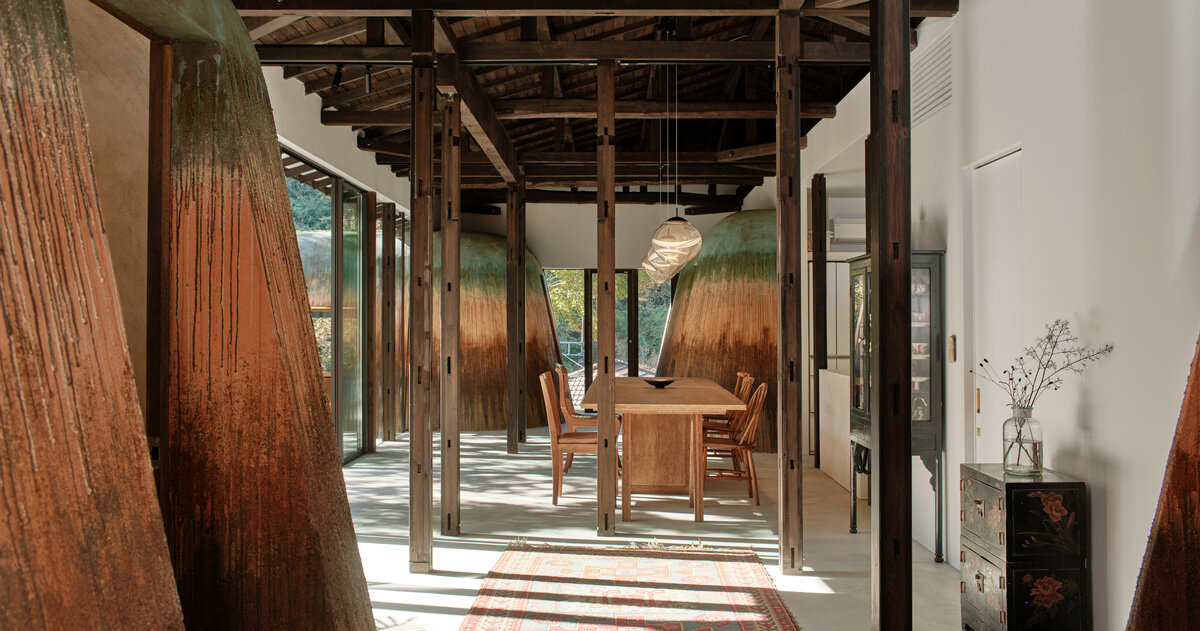
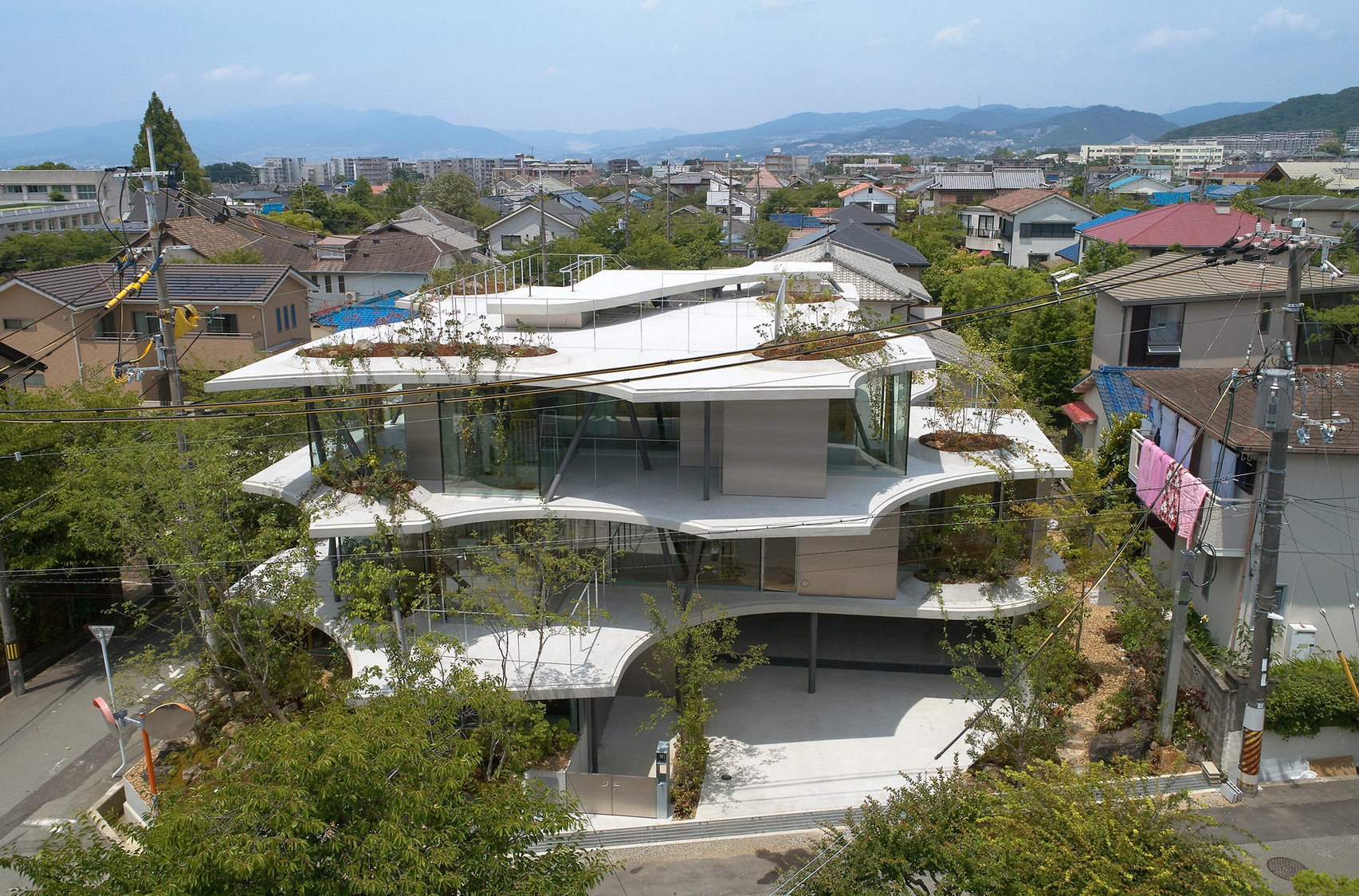
1 month agoconcrete and timber converse in osaka residence through an interplay of solid and void
An Osaka residence adapts to an irregular three-sided plot through layered volumes and alternating solid-void articulation, balancing street integration with domestic privacy.
Miscellaneous
fromArchDaily
1 month agoKumamoto Exhibition Explores Shoei Yoh's Pioneering Timber Structures and Computational Design
Shoei Yoh, a pioneering Japanese architect born in Kumamoto in 1940, revolutionized timber construction and computational design through rational methodology and elastic architecture principles.
Miscellaneous
fromdesignboom | architecture & design magazine
4 weeks agocurved twin volumes shape the risonare shimonoseki hotel along japan's kanmon strait
RISONARE Shimonoseki is a 187-room waterfront hotel designed by Nihon Sekkei and Klein Dytham Architecture that interprets Shimonoseki's coastal landscape through curved architectural forms and integrates local ecology, culture, and maritime identity into spatial experiences.
fromArchDaily
1 month agoTOTTEI Green Hill / Tomohiro Hata Architect and Associates
Kobe is a city where the sea and mountains are close together, with its urban area spreading across the slopes at the base of the mountains. In the Sannomiya area, the current city center, the most important urban axis connecting the sea to the mountains is Flower Road, running north-south from Shin-Kobe Station to the port.
SOMA, SF
#architectural-preservation
Renovation
fromYanko Design - Modern Industrial Design News
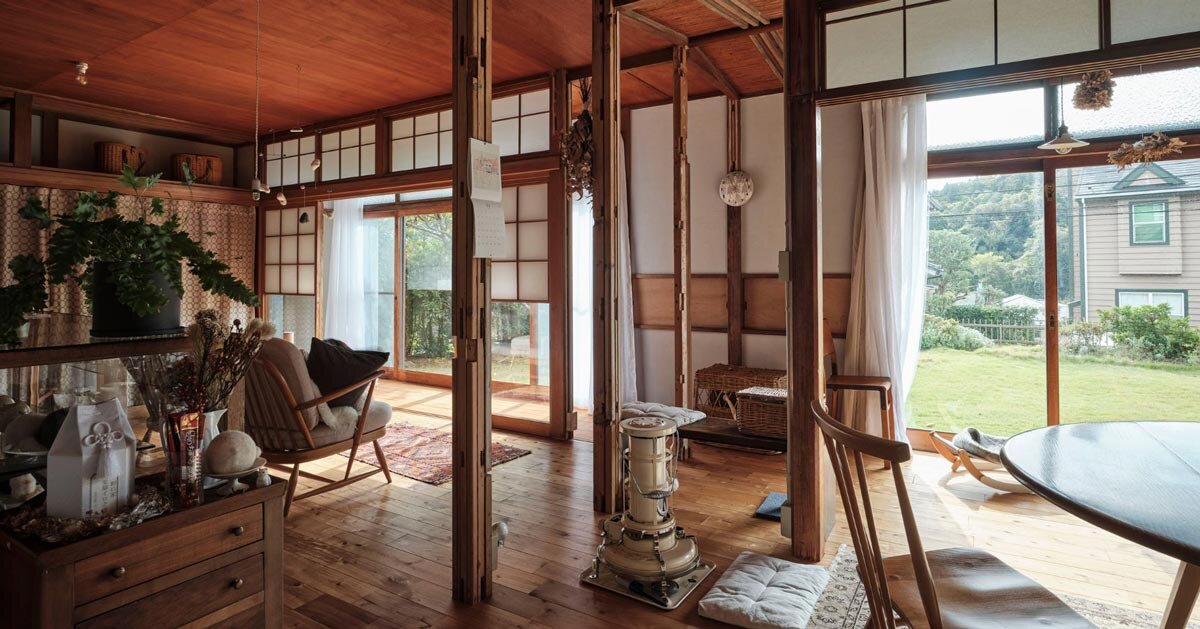
2 weeks agoThis Crumbling Kyoto Home Was Rebuilt as a Wabi-Sabi Sanctuary - and Every Detail Is Intentional - Yanko Design
A Kyoto renovation restores a traditional Sukiya residence by removing decades of alterations, creating livable spaces that honor historical principles while serving contemporary needs.
#landscape-integration
Design
fromdesignboom | architecture & design magazine
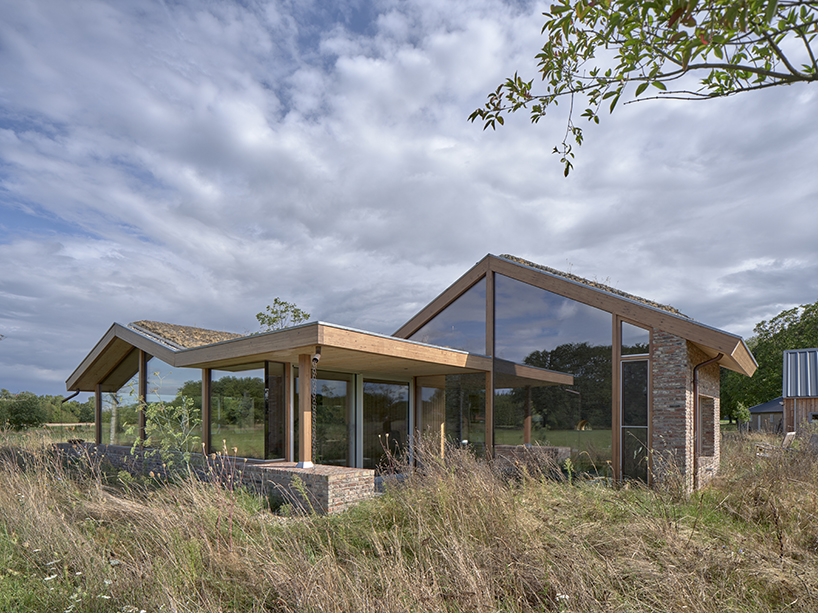
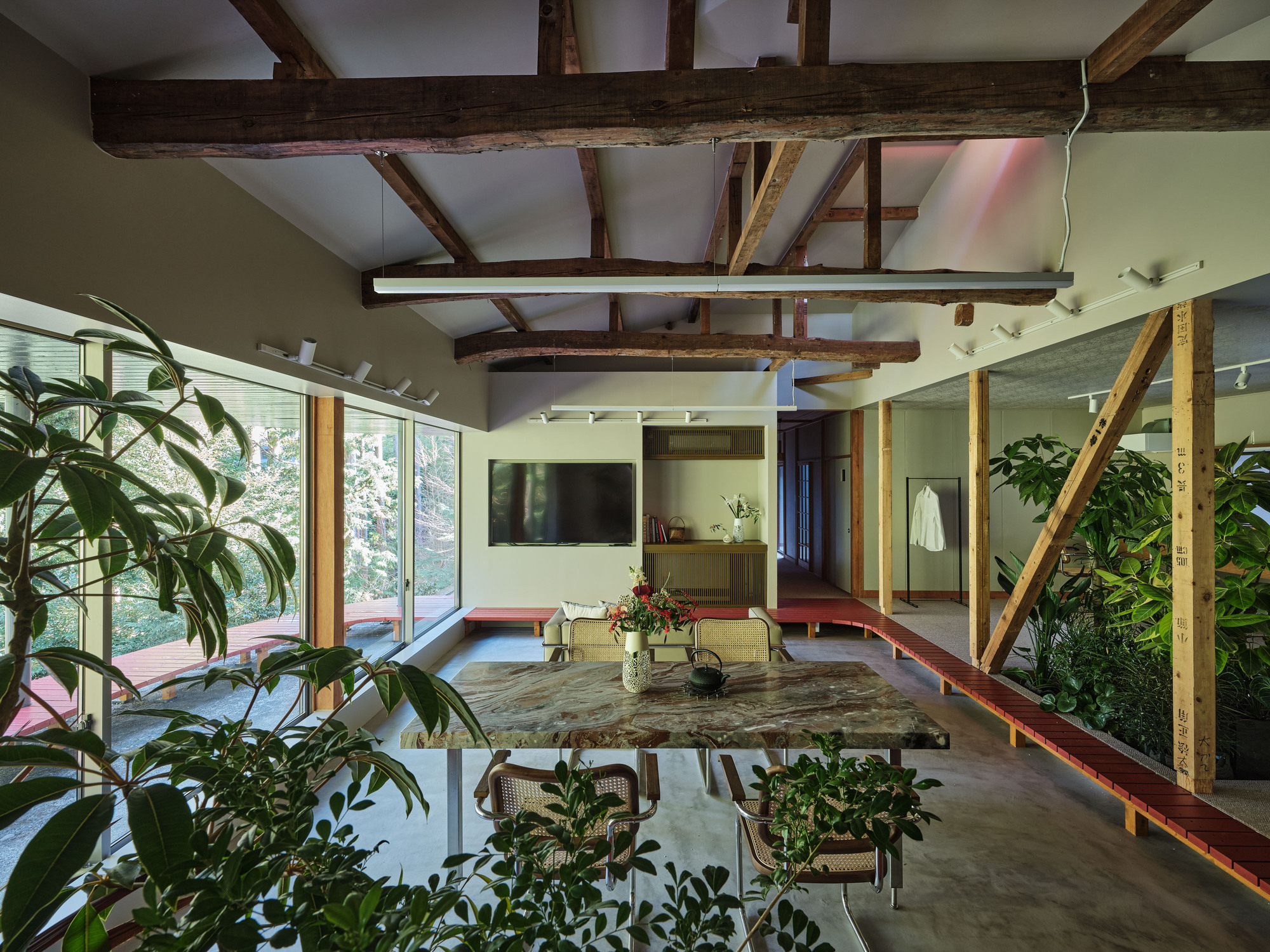
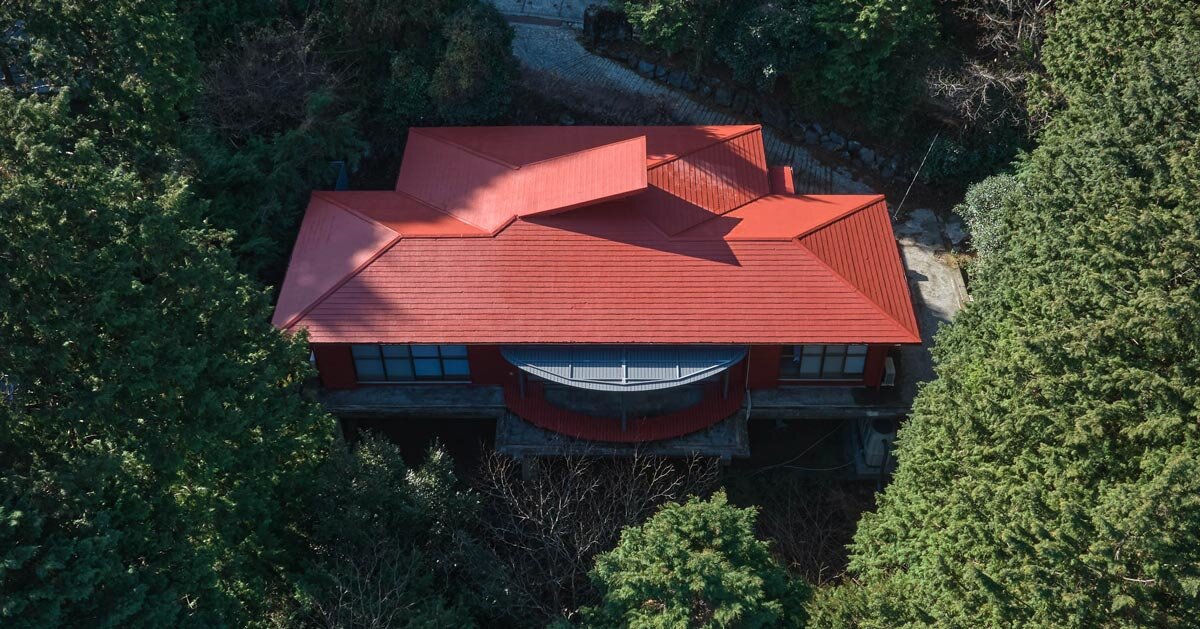
1 month agovilla sensorium reimagines japan's mountain forests as living architectural landscape
Villa Sensorium integrates architecture into Yakushima's primeval forest by using water as an organizing element and mimicking natural mountain ridge forms to create inhabitable topography.
#historic-preservation
:max_bytes(150000):strip_icc()/TAL-header-exterior-imperial-hotel-kyoto-IMPERIALHOTEL0226-b61e406efdda4991a1ba2f6c89ab3447.jpg)
Renovation
fromdesignboom | architecture & design magazine
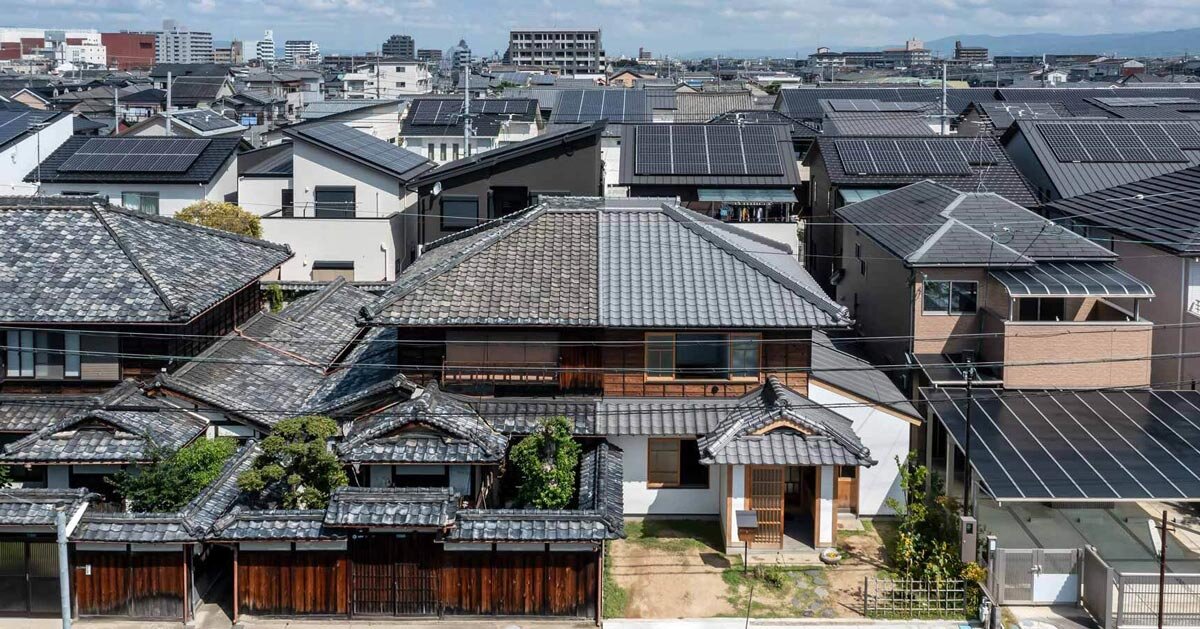
3 weeks agoYYAA rebuilds the eastern half of a prewar rowhouse in japan
YYAA renovated the eastern half of a pre-WWII Japanese rowhouse in Yagi-cho, preserving historic fabric while adapting it for contemporary use and addressing structural deterioration.
Design
fromYanko Design - Modern Industrial Design News
1 month ago5 Reasons Modern Treehouses Just Became the Ultimate Luxury Escape - Yanko Design
Contemporary treehouses function as serious architectural expressions of biophilic design, where trees actively collaborate with built structures to create integrated human-nature systems rather than imposing form on landscapes.
fromArchDaily
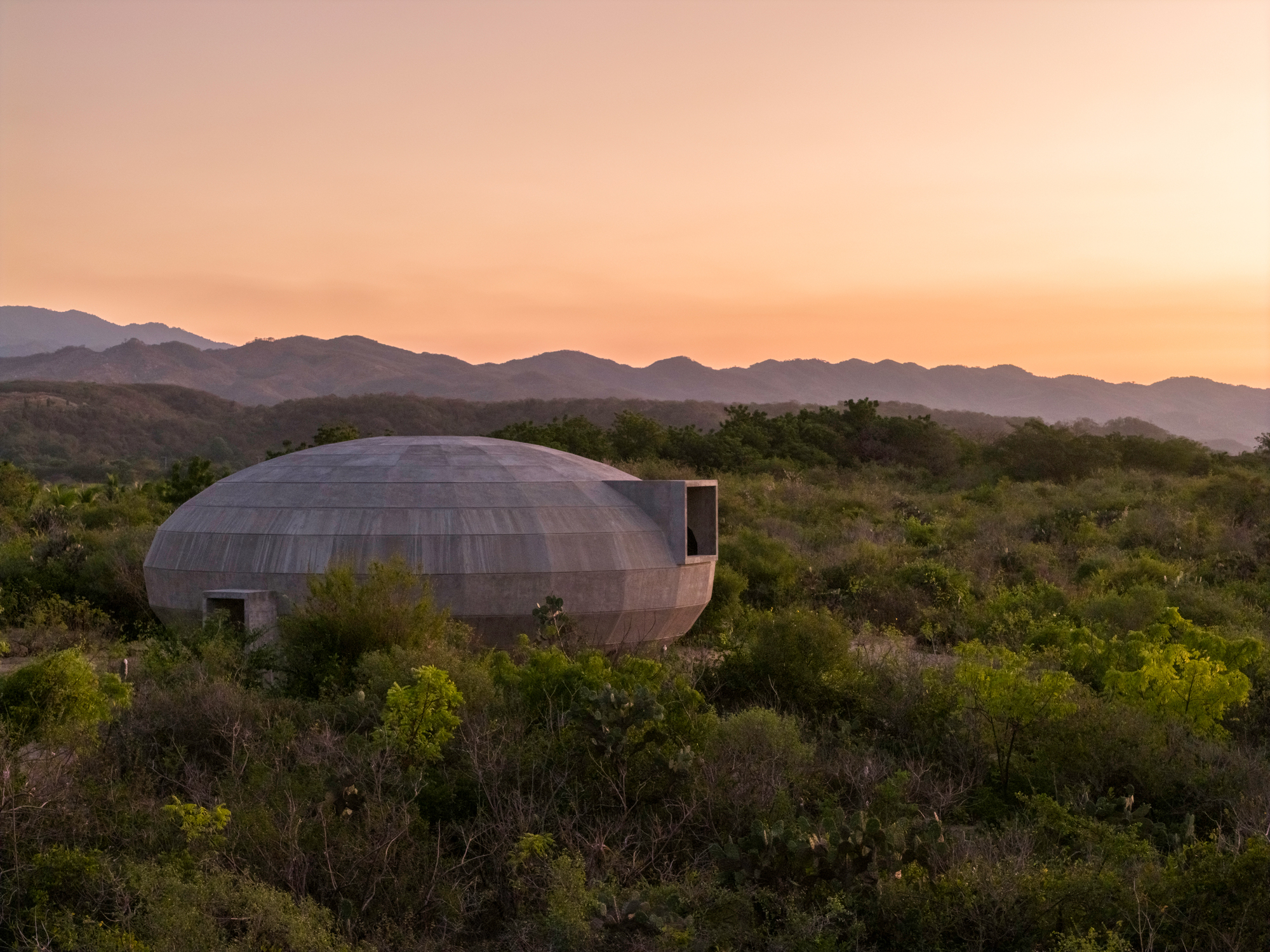
3 weeks agoOMA / Shohei Shigematsu Designs Ellipsoidal Pavilion for Mushroom Cultivation at Casa Wabi in Oaxaca, Mexico
The Mushroom Pavilion was designed by OMA's New York office, led by Shohei Shigematsu, with project architects Shary Tawil and Caroline Corbett. The building opens to the surrounding 65 acres of natural landscape between the mountains and the Oaxacan coast through an oculus that connects the central space to the sky, as well as through openings around the lower perimeter that allow natural ventilation.
Renovation
fromOpen Culture
2 months agoDiscover Ichi-go Ichie, the Japanese Art of Savoring Every Moment
The Bud­dhis­ti­cal­ly inflect­ed " ichi-go ichi‑e" is just one in the vast library of yoji­juku­go, high­ly con­densed apho­ris­tic expres­sions writ­ten with just four char­ac­ters. (Oth­er coun­tries with Chi­nese-influ­enced lan­guages have their ver­sions, includ­ing sajaseon­geo in Korea and chéngyǔ in Chi­na itself.) It descends, as the sto­ry goes, from a slight­ly longer say­ing favored by the six­teenth-cen­tu­ry tea mas­ter Sen no Rikyū, " ichi-go ni ichi-do " (一期に一度).
Mindfulness
fromThe Conversation
2 months agoHow tourism, a booming wellness culture and social media are transforming the age-old Japanese tea ceremony
One of Japan's most recognizable cultural practices - the Japanese tea ceremony, known as chanoyu, or chadō - is being reshaped by tourism, wellness culture and social media. Matcha, the Japanese powdered green tea that is used during the ceremony, has entered the global marketplace. Influencers post highly curated tearoom photos, wellness brands market matcha as a "superfood," and cafés worldwide present whisked green tea as a symbol of mindful living.
Philosophy
Arts
fromdesignboom | architecture & design magazine
2 months agoirregular voids reveal cave-like, geological interior inside japanese residence
An existing house in Kannawa, Beppu, is transformed into a cavernous void resembling geological formations, creating an experience of architecture as perception rather than enclosure.
fromNature
2 months agoHow 'forest bathing' keeps lungs healthy
During the COVID-19 pandemic, Italian scientists documented something interesting: in areas with more trees per capita, the number and severity of COVID-19 cases were lower than in places with fewer trees, even when accounting for differences in human population density. This work is part of a growing body of research around the world investigating whether time spent in forests and nature can provide protection from infections, such as COVID-19 and pneumonia; inflammatory conditions, such as asthma, emphysema and bronchitis; and even cancer.
Public health
fromArchitectural Digest
1 month agoOn a Storied Parcel in Silver Lake, a Bold New House Rises Within a Historic Garden
It once belonged to Julian Eltinge, a vaudeville performer who usually played women-so convincingly that audiences were often shocked when he revealed himself to be a man. Starring in musical comedies like The Fascinating Widow, The Crinoline Girl, and Cousin Lucy (all title roles written for him), Eltinge went on to become one of the highest paid movie stars of the 1920s. One prominent critic cleverly dubbed him "ambisexstrous."
Real estate
Snowboarding
fromSnowBrains
2 months agoNozawa Onsen, Japan, Buried by 1.5 Meter Storm as Historic Snowfall Overwhelms Village - SnowBrains
Nozawa Onsen received about 150 cm of snow in just over 24 hours, producing extreme deep-snow skiing, village disruptions, widespread cleanup, and more snow expected.
fromwww.archdaily.com
1 month agoKItoNOKO NIKKO HOME Group Hiroshima Office / ure LLC
KITONOKO is a community-oriented complex located in a suburban commercial district, conceived as a place where architecture quietly connects people, work, and everyday life. Surrounded by large-scale retail and roadside developments, the project seeks to introduce a more human-scaled, open, and approachable environment within a typically car-oriented context. Rather than operating as a closed commercial facility, the building encourages local residents, visitors, and staff to naturally intersect through spatial openness and continuity.
Design
Travel
fromTravel + Leisure
1 month agoThis Charming City Just an Hour's Train Ride From Tokyo Has a New Hotel With Private Onsens and Sea Views in Every Room
A renovated historic ryokan in Atagawa reopens as a 16-room luxury retreat combining private onsen suites, nostalgic decor, and retro amenities to revive seaside glamour.
fromConde Nast Traveler
4 years agoThe Best Places to Visit in May, From Naoshima to Scotland
The best places to visit in May take advantage of that elusive window of perfect weather as spring turns to summer, when it's not too hot and it's not too cold-all you need is a light jacket. That frees up essential space in our carry-ons (big puffy jackets and thermal leggings can stay home, finally), creating more room for souvenirs from wherever we may go.
Travel
fromArchitectural Digest
5 months ago9 Tokyo Airbnbs as Dynamic as the Capital City Itself
And while the convenience and amenities of a hotel stay may be tempting, renting an Airbnb just off the beaten path is an even better way to experience the city like a local. The bustling capital encompasses a dynamic mix of cultural sights, impressive culinary experiences, and globally-renowned shopping landmarks-from the vibrant Harajuku district to the Edo-era Senso-ji Temple-that make it one of the most bucket-listed travel destinations in the world.
Travel
fromYanko Design - Modern Industrial Design News
1 month agoThis Japanese House Hides From the Street, Opens to the Sea - Yanko Design
Sometimes the best architecture knows when to turn away. UK studio Denizen Works just completed their first project in Japan, and it does exactly that. The House in Onomichi presents an almost entirely blank facade to the street, creating what founder Murray Kerr calls an "enigmatic quality." But this isn't architecture being rude. It's architecture understanding that privacy can be the ultimate luxury.
Design
Design
fromdesignboom | architecture & design magazine
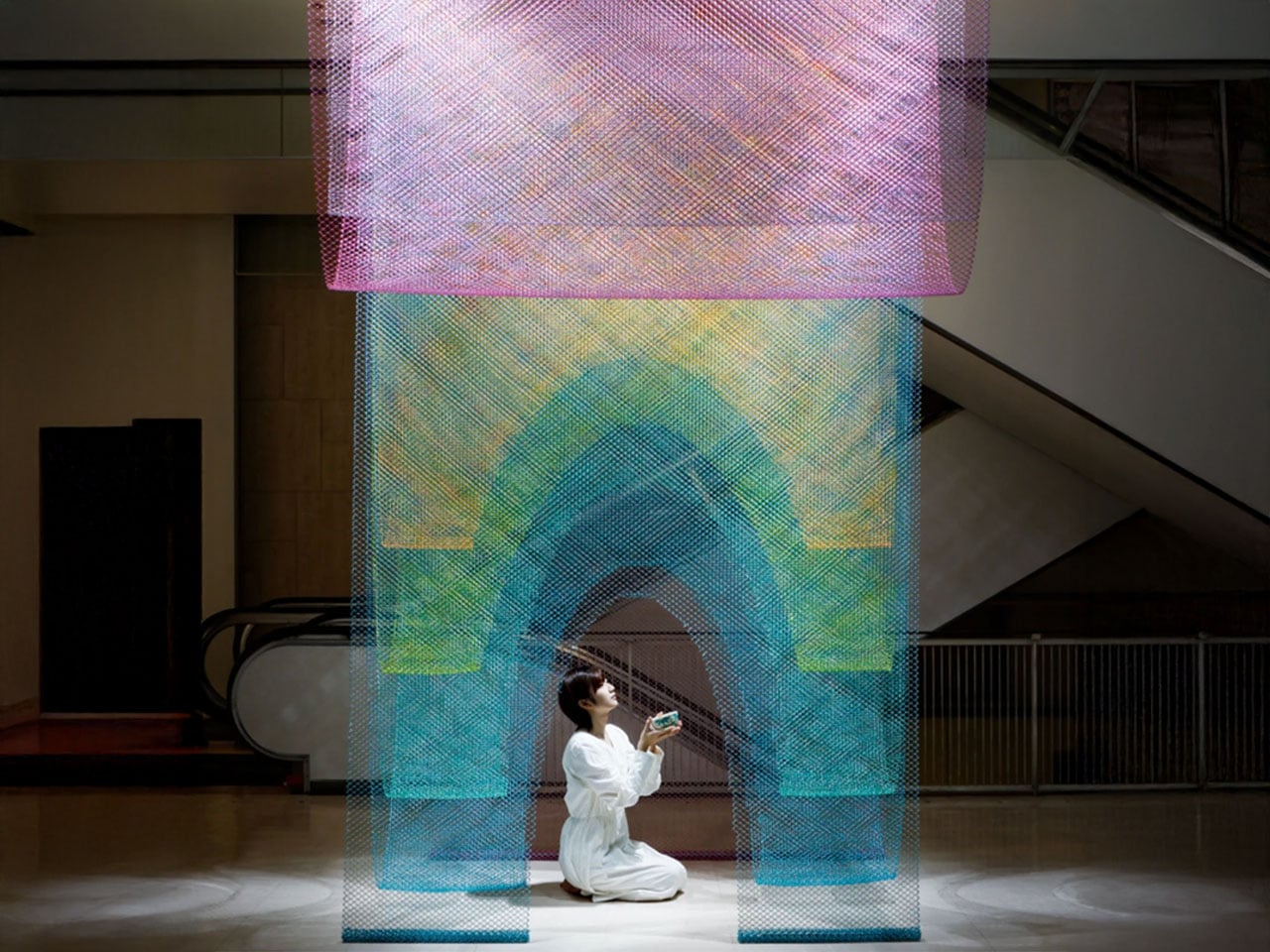
2 months agoluminous layers of colored wire mesh weave tea ceremony house by moriyuki ochiai
Layered wire mesh creates permeable tea house enclosures that modulate light, sightlines, airflow, and spatial perception through material, layering, and moiré effects.
Renovation
fromApartment Therapy
2 months agoThis Cottagecore-Loving Content Creator Spends Her Sundays with Matcha, Yoga, and a Trip to the Greenhouse
A cozy 1930s Denver apartment blends cottagecore decor, DIY projects, and abundant houseplants, with Miracle-Gro products supporting easy indoor plant care and Sunday routines.
fromBusiness Insider
1 month agoI didn't want my family's old house in Japan to sit empty - so I turned it into a cafe
I grew up visiting this house. It originally belonged to my grandfather's older sister, and whenever I traveled down from Iwate, the northern prefecture in Japan where I grew up, this was where the family gathered. Later, I worked as a rehabilitation consultant at hospitals in Osaka and Yokohama. I moved, but this place was always in the back of my mind.
Renovation
[ Load more ]