#hayward-wisconsin
#hayward-wisconsin
[ follow ]
#lake-superior #tamarack-resort #skiing #winter-recreation #ski-resort #idaho-tourism #whitefish-mountain-resort
fromTravel + Leisure
1 week agoThis Remote Midwest Peninsula Has Abundant Outdoor Adventures in Stunning Scenery-and You Can See the Northern Lights
"You don't wind up here by accident; you come here for a reason, and that reason is typically the abundant outdoor adventures and natural resources we have," Nathan Miller, the former executive director of the Copper Harbor Trails Club, told Travel + Leisure.
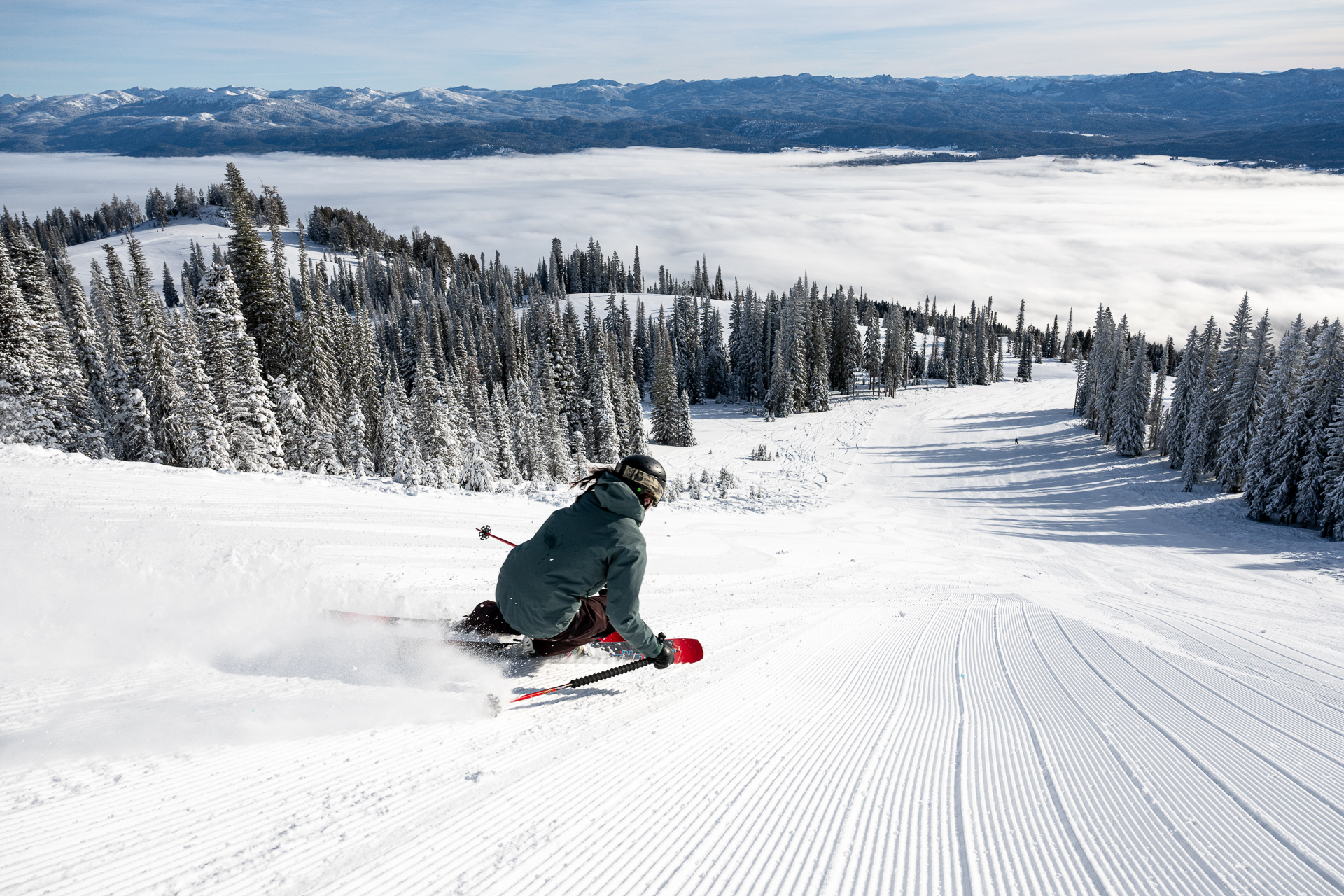
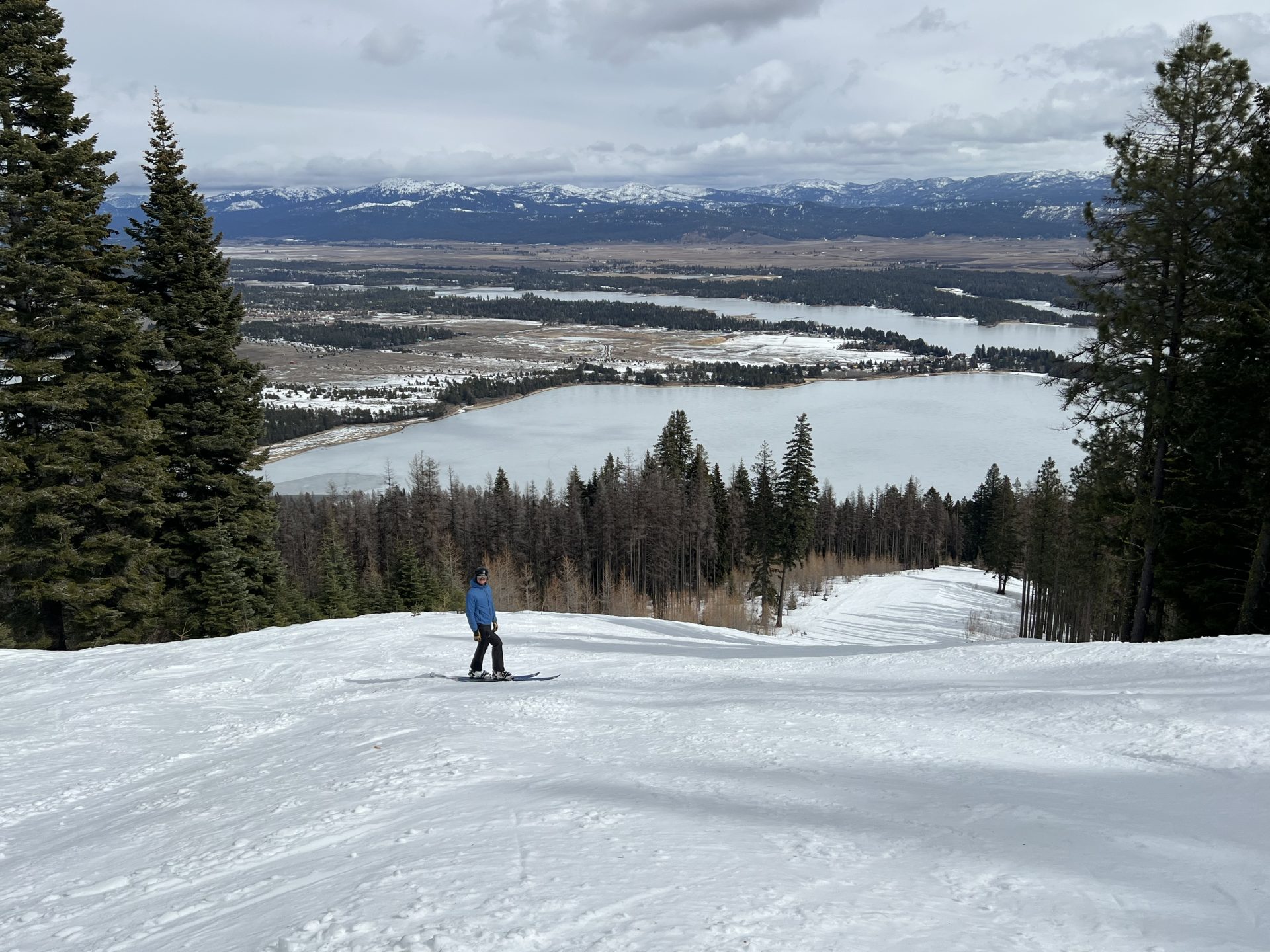
Skiing


fromiRunFar
1 month agoTrail Running in Duluth, Minnesota
Located squarely in the U.S. Midwest, it may be obvious that Duluth, Minnesota, doesn't have mountains, but what it does have is quality trails easily accessible from a larger urban area. Located on the far southwestern tip of Lake Superior and on the border of Minnesota and Wisconsin, what Duluth lacks in alpine terrain, it more than makes up for with accessibility, character, and community.
Running
Travel
fromTravel + Leisure
1 month agoThis Lakefront City Is a Midwestern Hidden Gem-and It Has Some of the Best Skiing in the Region
Duluth, Minnesota offers year-round adventure, cultural attractions, and outdoor recreation on Lake Superior's shore, transforming from a logging and mining town into a premier Upper Midwest destination.
Snowboarding
fromSnowBrains
3 weeks agoPalisades Tahoe, CA, Announces Spring Skiing Deals, Community Days Extension, and Ikon Pass Spring Access - SnowBrains
Palisades Tahoe offers spring skiing with extended Community Days through April 8, new Spring Ticket Trio deals, and the 2026/27 Ikon Pass launching March 12.
fromwww.npr.org
1 month agoThis community festival embraces the joys of a frozen lake while it still has one
When our lakes are frozen, they are truly our greatest asset. There's a long history of ice harvesting in this region, so there was just a lot of commercial activity on these lakes, cutting blocks of ice out of the lakes all winter. Frozen lakes were so important to the city that records of when the ice froze each year go back more than 100 years.
Environment
fromHigh Country News
1 month agoIt's time to rethink how we care for our public lands and waters - High Country News
Wildlife populations are in decline. Recreation sites are crowded and often underfunded. Wildfires are larger, more destructive and harder to control. Climate change is reshaping natural systems, from ocean fisheries to mountain snowpacks, faster than institutions can respond. At the same time, communities are being asked to host new energy projects, transmission lines and mineral development - often without clear processes, adequate resources or trust that decisions are being made in the public interest.
Environment
fromTravel + Leisure
1 month agoThese Midwestern Ice Caves Opened This Week for the First Time Since 2015
Shouldered by sandstone cliffs, these caves in Bayfield, Wisconsin, form when water-and, notably, waves-that would normally flow through the sandstone freezes instead, birthing icicles, columns, and curtains. During the winter of 2015, the caves attracted just shy of 40,000 tourists within a nine-day period, the Associated Press reported at the time.
US news
fromTravel + Leisure
2 months agoThis U.S. State Has More Lakes Than Anywhere Else-With Over 3 Million to Explore
Whenever I'm asked about my recent trip to Alaska-a journey to visit Katmai National Park & Preserve and Kenai Fjords National Park-I nearly always mention the scale. The scale of the glaciers, the mountains, the sunsets, and the utter wilderness; every aspect of the landscape was just so much larger and more grand than anything I'd ever experienced. Magnitude is a continuous theme all across Alaska.
Travel
fromTravel + Leisure
2 months ago12 of the Best Places to Camp in State Parks Across the U.S.
You may dream of seeing the geysers of Yellowstone or the overwhelming greatness of the Grand Canyon, but chances are you have a handful of little wonders in your own backyard. State parks like Goblin Valley in Utah hold their own against the neighboring Arches National Park (or Canyonlands, for that matter), while Maine's Baxter State Park is arguably just as wild as the well-known Acadia National Park (Baxter doesn't even have running water!). Plus, state parks tend to be less crowded and more affordable-two things that bode well for overnight guests.
Travel


fromHigh Country News
2 months agoThe nation's trails are disappearing - High Country News
Many of them were built for purposes that no longer exist - cattle drives, mining prospecting, early U.S. Forest Service fire patrols - while others were packed by the footprints of the Chumash people well before the colonization of North America. Sections of trail cling to steep slopes that seem to barely resist gravity, shedding soil and stone with each winter storm.
Environment
fromSnowBrains
2 months agoBridgeport, CA: A High Sierra Backcountry Base Camp - SnowBrains
This quaint little town, surrounded by green pastures and granite cliffs, is the northern gateway to the High Sierra. Bridgeport always evokes nostalgia and is one of my favorite views of the Eastern Sierra. In my younger years, it was all about the resorts, and Bridgeport was a place to stretch the legs on the way to Mammoth Mountain. Now, I look more to the backcountry trailheads, and Bridgeport has become an alluring area along the 395 corridor.
Snowboarding
Snowboarding
fromSnowBrains
2 months agoSnowboarder Lost Out-of-Bounds at Whitefish Mountain, MT, Found Alive in Backcountry Survival Cabin - SnowBrains
An 18-year-old lost snowboarder survived by using a publicly maintained survival hut stocked with firewood and supplies and was rescued after search teams found him.
[ Load more ]