#health-announcement
#health-announcement
[ follow ]
#public-health #global-health #hiv #vaccination #healthcare #hivaids #who #vaccine-hesitancy #measles #health-equity


fromenglish.elpais.com
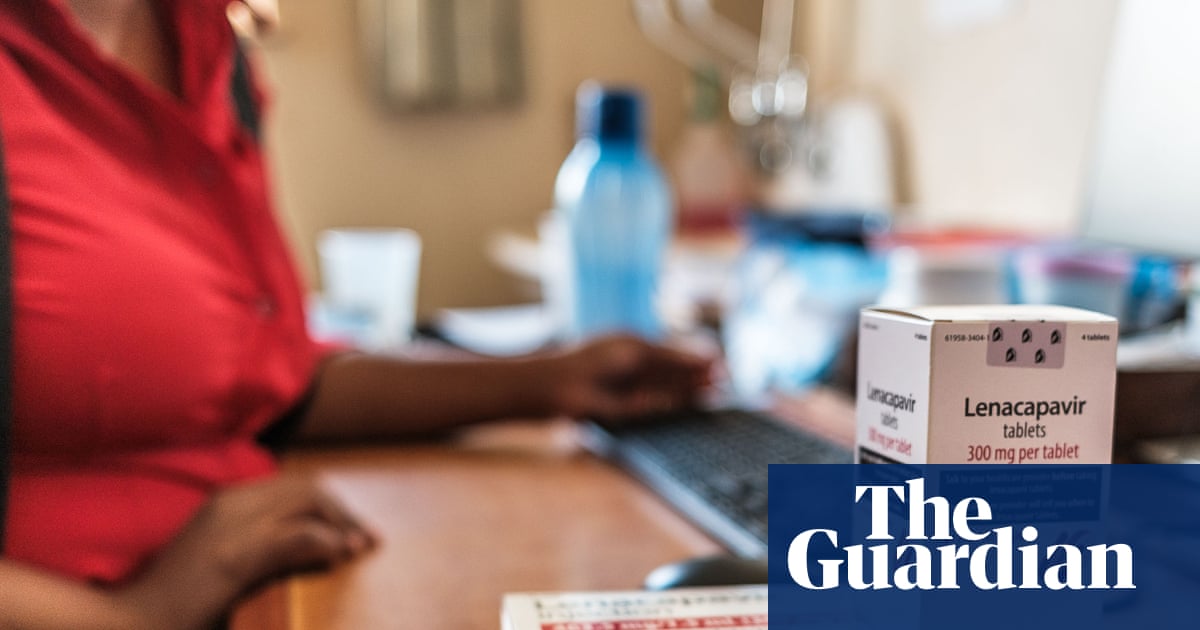
2 days agoFollowing the initial trials in Africa of the groundbreaking drug that could put an end to AIDS
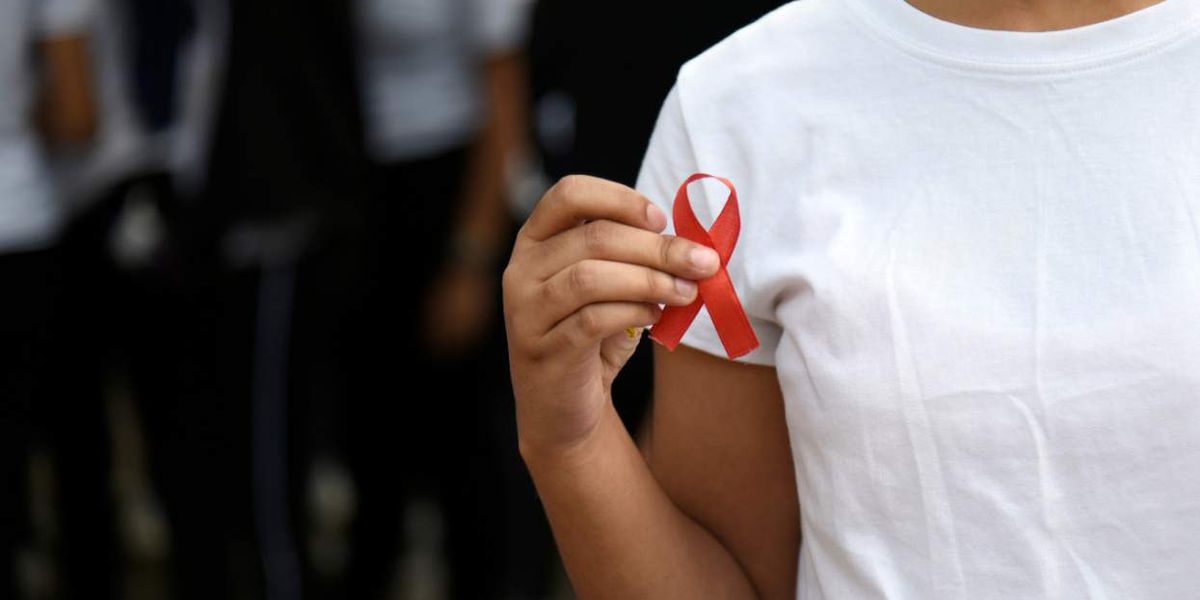
On that sunny March morning, in a small health center in Lobamba, a rural area of Eswatini, this 32-year-old sex worker has just become one of the first people in the world to receive lenacapavir, a drug that, administered twice a year, offers nearly 100% protection against HIV.
Medicine



fromNews Center
2 days agoPolicy Intervention Linked to Increase in Kidney Transplants in Black Patients - News Center
"This argues for the need to sustain such policies and shows that it is possible to right the wrongs retroactively, which is a powerful idea," said Kenneth Michelson, MD, MPH, associate professor of Pediatrics in the Division of Emergency Medicine and a co-author of the study.
Medicine


US politics
fromThe Atlantic
2 weeks agoWho's In Charge of Vaccines Now?
A federal judge ruled the Trump administration likely violated the law by dismissing the CDC's vaccine advisory panel and replacing it with vaccine-skeptical members, then altering childhood immunization schedules without proper input.
fromThe Atlantic
2 weeks agoI Remember a World Without Vaccines
I am open-minded; I believe in integrative practices, and I agree that the medical establishment can be arrogant and unduly influenced by the pharmaceutical industry, which now funds so much of medical research. But I fully understand Scherer's frustration with his interminable discussions with Kennedy about scientific articles.
Coronavirus
fromAdvocate.com
4 days agoDoctors' group says American Medical Association didn't retreat on gender-affirming care for minors
"We knew right away that any shift in policy that was being reported was a grave exaggeration," Sheldon said, pointing to GLMA's role within the AMA's House of Delegates, where it has a voting seat and direct visibility into policymaking.
Healthcare



US news
fromTruthout
3 weeks agoGlobal Health Workers Describe Impact a Year After Trump Admin Shut Down USAID
USAID's dissolution in 2025 has caused avoidable deaths and increased suffering among vulnerable populations globally, with malaria spikes, food assistance cuts, and disrupted medical supply chains already documented.
Coronavirus
fromArs Technica
3 weeks agoWe study pandemics, and the resurgence of measles is a grim sign of what's coming
Measles outbreaks impose substantial economic costs through containment, medical expenses, and productivity losses, while declining vaccination coverage threatens control of multiple infectious diseases.
fromNextgov.com
5 days agoHHS reverses Biden-era restructuring of its IT and tech operations
HHS Chief Information Officer Clark Minor stated that consolidating the CTO, CDO, and CAIO roles within his office allows the department to move faster on shared platforms and protect systems more effectively.
Healthcare
#public-health-policy
Public health
fromNebraska Examiner
3 weeks ago3 states and New York City join global disease response network * Nebraska Examiner
State and local public health departments in California, Illinois, New York, and New York City independently joined WHO's Global Outbreak Alert and Response Network after the U.S. federal government withdrew from the WHO.
Public health
fromNebraska Examiner
3 weeks ago3 states and New York City join global disease response network * Nebraska Examiner
State and local public health departments in California, Illinois, New York, and New York City independently joined WHO's Global Outbreak Alert and Response Network after the U.S. federal government withdrew from the WHO.

Public health
fromwww.theguardian.com
3 weeks agoTrump policies set to increase rates of lung disease and death, study finds
Trump administration policies across healthcare, environment, workplace, and vaccines are projected to significantly increase lung disease rates and premature deaths among Americans.
Public health
fromwww.theguardian.com
3 weeks agoUK government axes flagship global health project
UK aid cuts are forcing closure of the Global Health Workforce Programme, ending healthcare worker training and development across six African countries despite ministers previously emphasizing its role in pandemic preparedness.
fromNature
3 weeks agoPrevent pandemics through One Health commitments
Risks of outbreaks with pandemic potential rise with increasing land-use change, biodiversity loss and climate change. The Pandemic Agreement adopted by the World Health Assembly in 2025 marks a historic shift that establishes the One Health approach as a legally binding obligation for pandemic prevention.
Public health
Public health
fromAdvocate.com
1 month agoBudget cuts and ignorance of history are racing us towards another HIV & AIDS epidemic
The Trump administration is cutting HIV/AIDS funding across CDC, research, state grants, and global programs, threatening decades of progress against a disease that devastated communities in the 1980s.
Public health
fromwww.theguardian.com
1 month agoTrump administration is failing to address spread of measles, experts say
The Trump administration has inadequately responded to accelerating measles spread exceeding 1,000 cases, with CDC leadership dismissing the outbreak as routine business costs while messaging confusion undermines vaccine confidence.
fromLos Angeles Times
1 month agoThere were 13 full-service public health clinics in L.A. County. Now there are 6
Because of budget cuts, the Los Angeles County Department of Public Health has ended clinical services at seven of its public health clinic sites. As of Feb. 27, the county is no longer providing services such as vaccinations, sexually transmitted infection testing and treatment, or tuberculosis diagnosis and specialty TB care at the affected locations, according to county officials and a department fact sheet.
Public health
fromwww.theguardian.com
1 month agoViruses don't know borders': US anti-vaccine rhetoric could impact global measles crisis
The World Health Organization announced in late January that six European countries: the United Kingdom, Spain, Austria, Armenia, Azerbaijan and Uzbekistan had all officially lost their measles elimination status, which means the virus has been circulating continuously in those countries for more than 12 months.
Public health
Public health
fromTruthout
1 month agoPublic Health Agencies Struggle to Keep Up With Rising Tuberculosis Cases
Tuberculosis cases and containment costs are rising nationwide, with Johnson County, Iowa experiencing a tripling of latent infections and costs surging from $17,000 to $65,000 annually, while state funding for contact tracing has been withdrawn.
fromwww.npr.org
1 month agoWhy it's a bit surprising that the U.S. is attending a key global flu meeting
Each day, they pore over reams of data about how the virus is evolving worldwide, how well last year's shot performed, and which strains might be easiest to mass produce for a vaccine. The meeting, convened by the World Health Organization twice a year, is a critical moment for the WHO's Global Influenza Surveillance and Response System.
Public health
fromHarvard Gazette
1 month agoAmerican heart health worsening - Harvard Gazette
Many other higher-income countries are grappling with rising obesity and diabetes, but the U.S. stands out for how consistently those risks translate into worse cardiovascular outcomes, and how wide the gaps are by income, race, ethnicity, and geography.
Public health


fromwww.aljazeera.com
2 months agoGlobal health's defining test
Perhaps the most significant milestone was the adoption by WHO Member States of the Pandemic Agreement, a landmark step towards making the world safer from future pandemics. Alongside this, amendments to the International Health Regulations came into force, including a new pandemic emergency alert level designed to trigger stronger global cooperation. And to sustainably finance the WHO's work, governments in a historic show of support increased their contributions to our core budget.
Public health
fromwww.scientificamerican.com
1 month agoInfectious diseases may be more dangerous to people who are overweight. Experts explain why
Being overweight doesn't just make people more susceptible to chronic illnesses such as heart disease and diabetesit might also increase their risk of severe influenza and other infections, a new study confirms. The study, published today in the Lancet, suggests that people with obesity may be more susceptible to death and hospitalization from a variety of infections caused by viruses, fungi, parasites and bacteria.
Public health
fromInsideHook
1 month agoWhat Happens When the CDC Issues Fewer Alerts?
If you're based in the United States, you've probably gotten used to government bodies issuing nationwide alerts - including ones that relate to public health. These have, historically, been good ways for health-conscious people to know what to look out for and for regional public health experts to develop strategies to help keep potential outbreaks contained.Unfortunately, now both individuals and institutions are reckoning with a big question: what to do when those warnings are much smaller in number?
Public health





[ Load more ]