Non-profit organizations
fromwww.npr.org
5 hours agoCongress gave money for global HIV work. The Trump administration isn't spending it
U.S. funding delays threaten vital HIV/AIDS programs in Africa, undermining efforts to combat the epidemic.
'Never ever use these three things in a hotel room,' she warned in a video. Her first tip was to avoid using the 'wall-mounted refillable containers with soap and shampoo' now commonly found in hotel bathrooms.
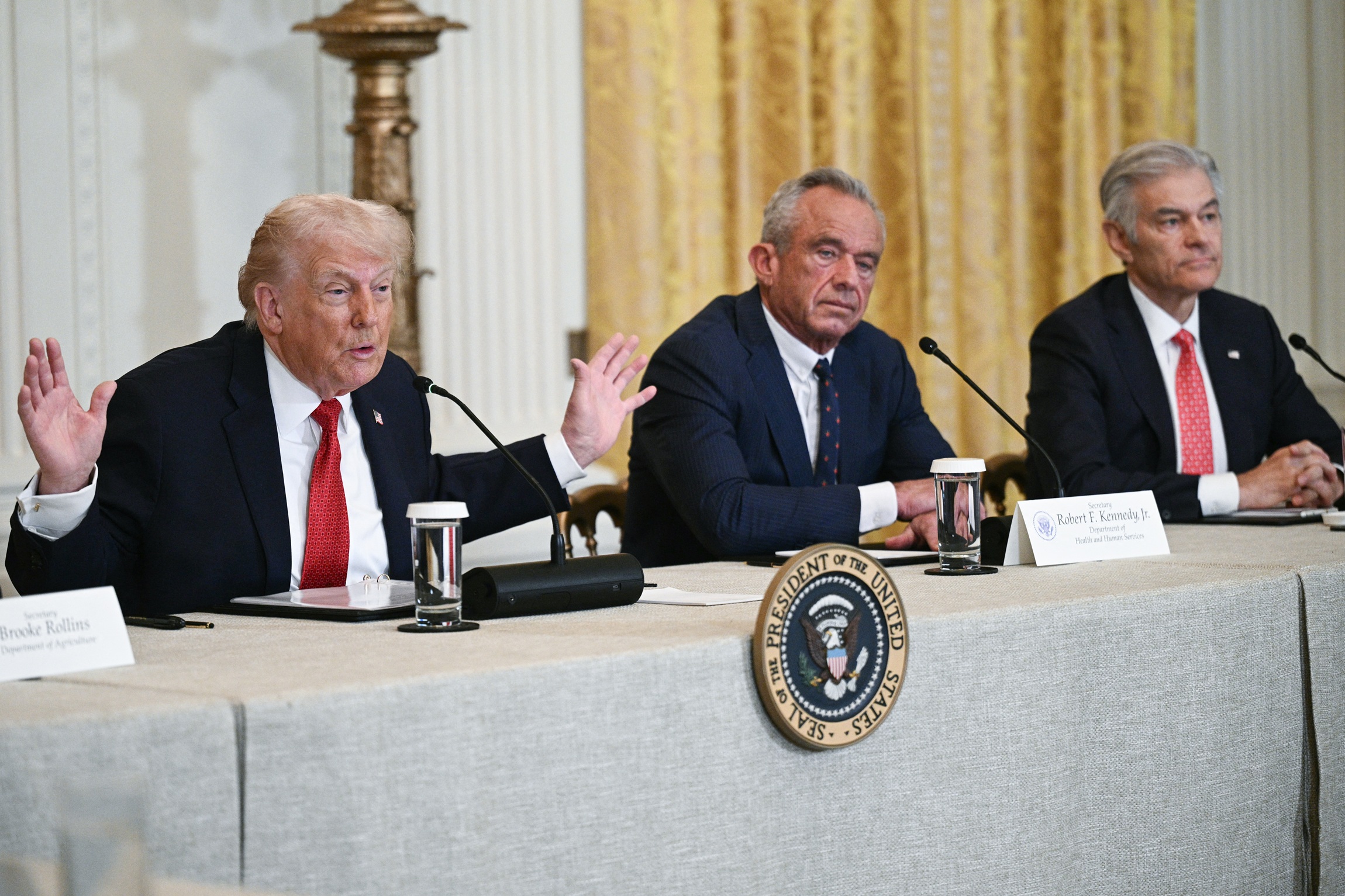
I am open-minded; I believe in integrative practices, and I agree that the medical establishment can be arrogant and unduly influenced by the pharmaceutical industry, which now funds so much of medical research. But I fully understand Scherer's frustration with his interminable discussions with Kennedy about scientific articles.
Risks of outbreaks with pandemic potential rise with increasing land-use change, biodiversity loss and climate change. The Pandemic Agreement adopted by the World Health Assembly in 2025 marks a historic shift that establishes the One Health approach as a legally binding obligation for pandemic prevention.
Speaking from working right now in the middle of our flu season, where we haven't been able to handle a surge in acute care need anywhere in Canada it seems, I would be concerned going forward about having a surge in need for hospital resources, said Varner, CMAJ's deputy editor and an emergency doctor in downtown Toronto, in an interview with CBC News.
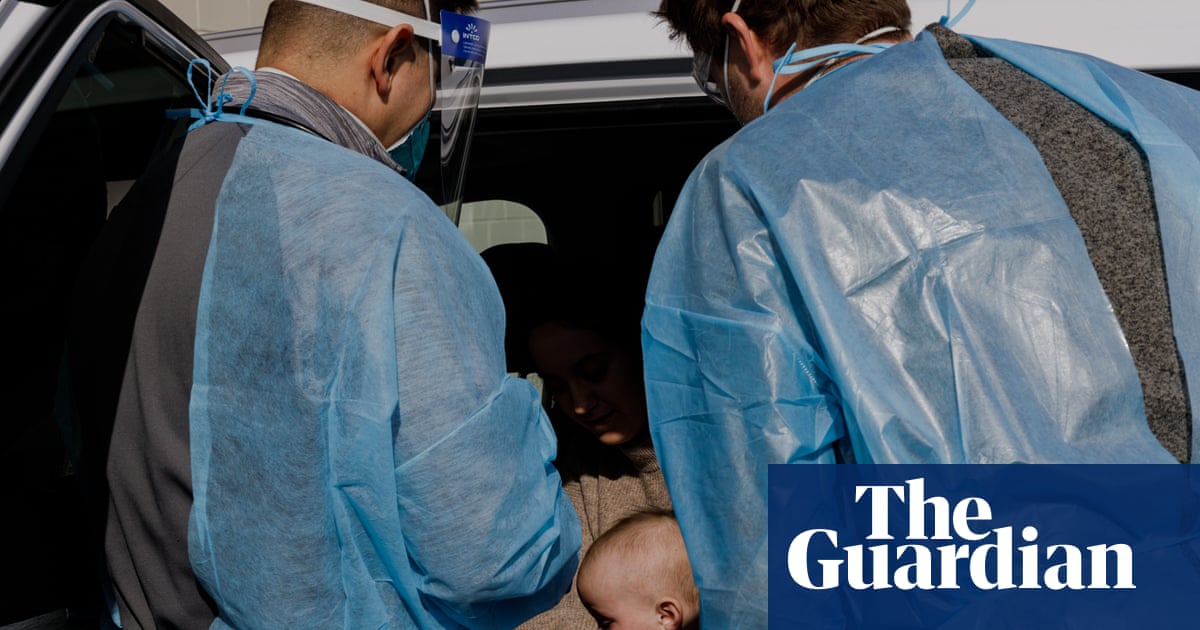
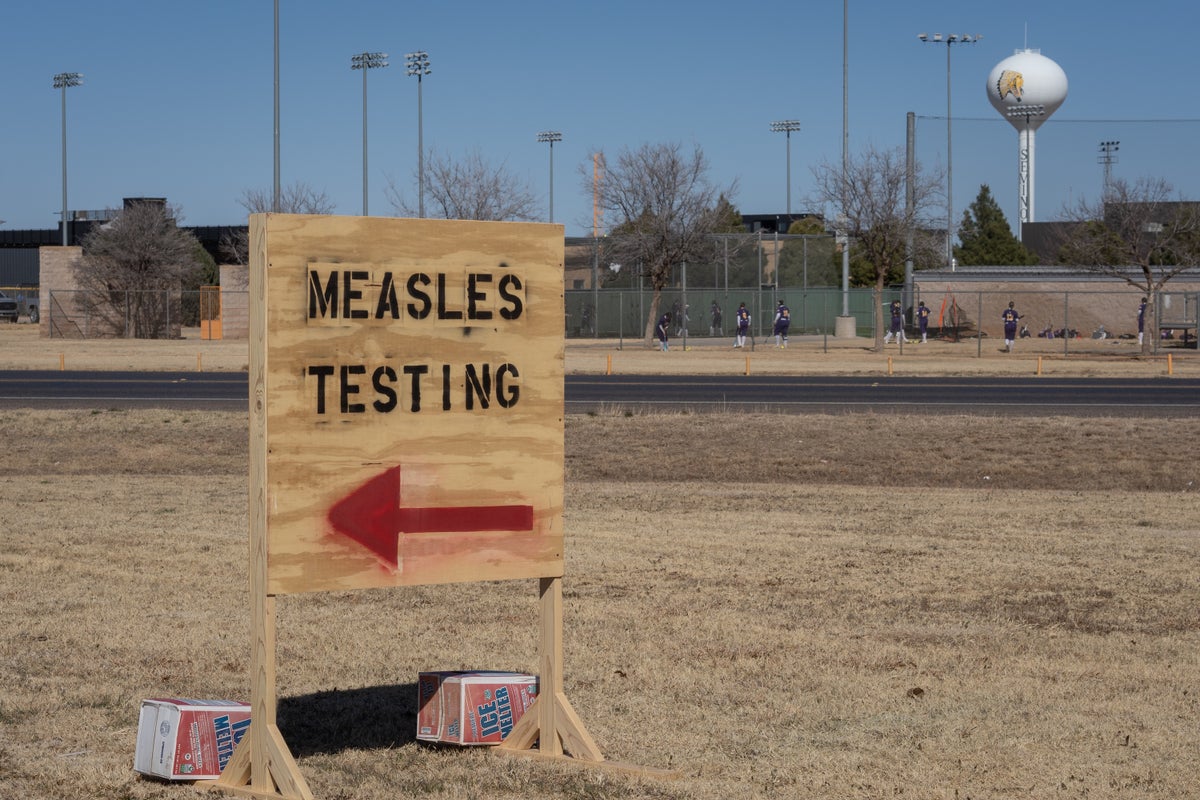
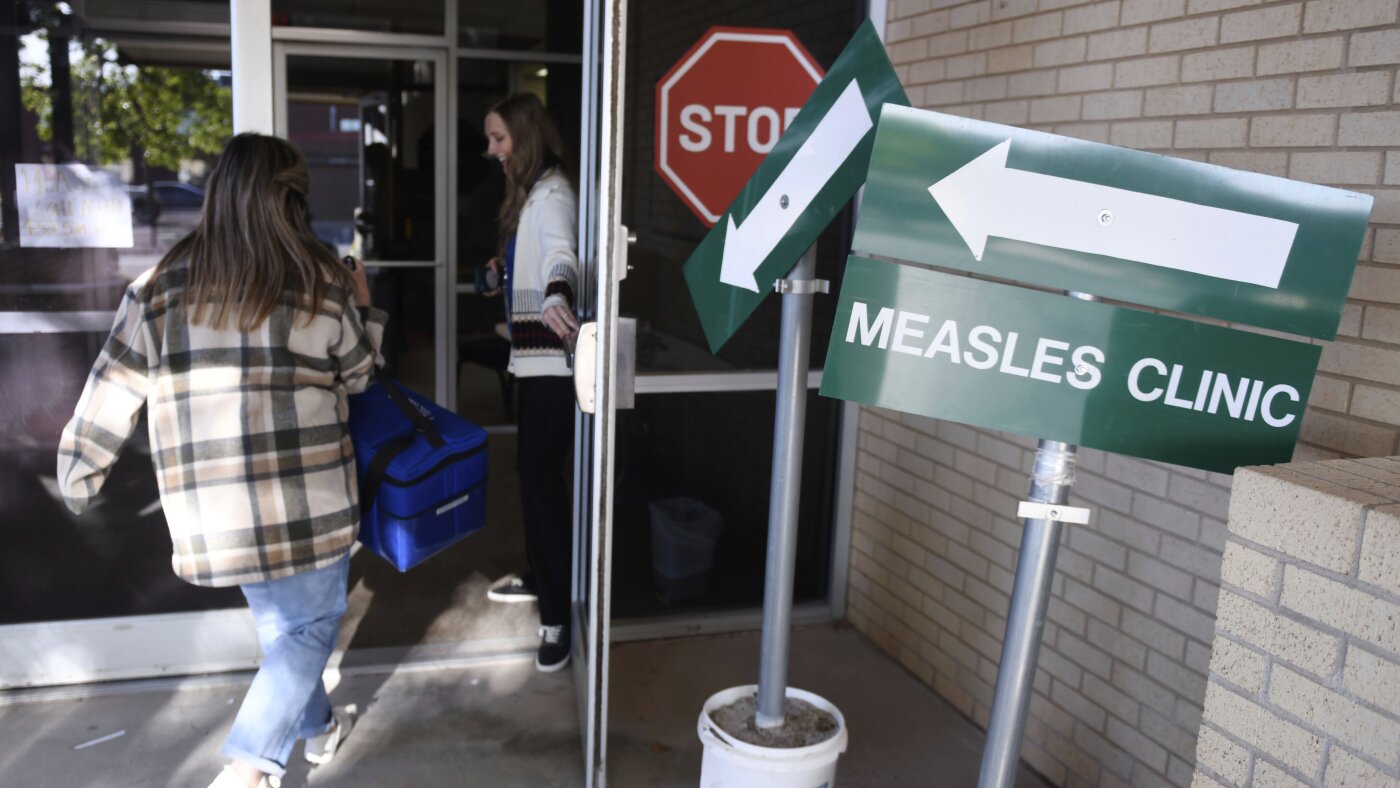
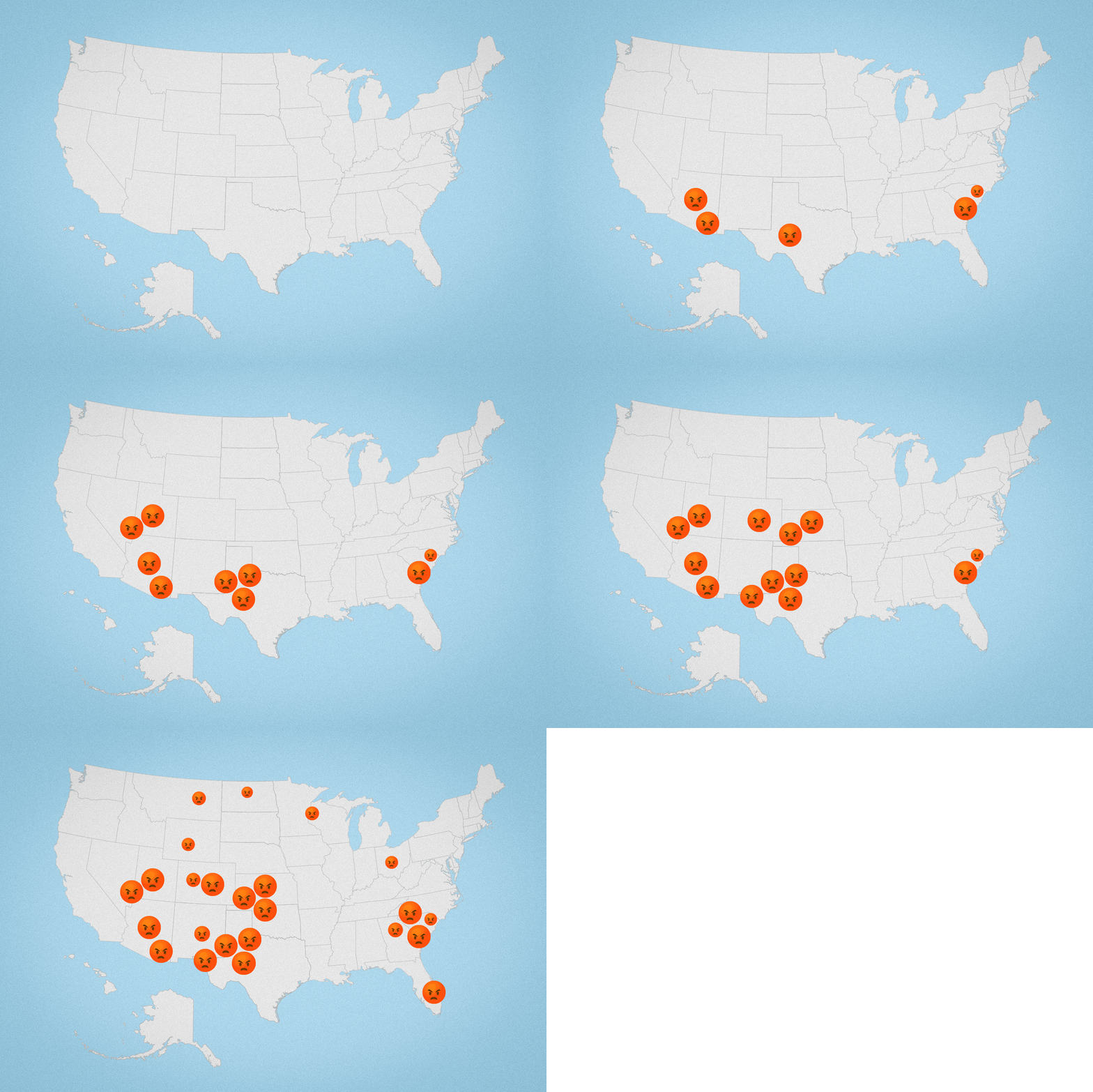
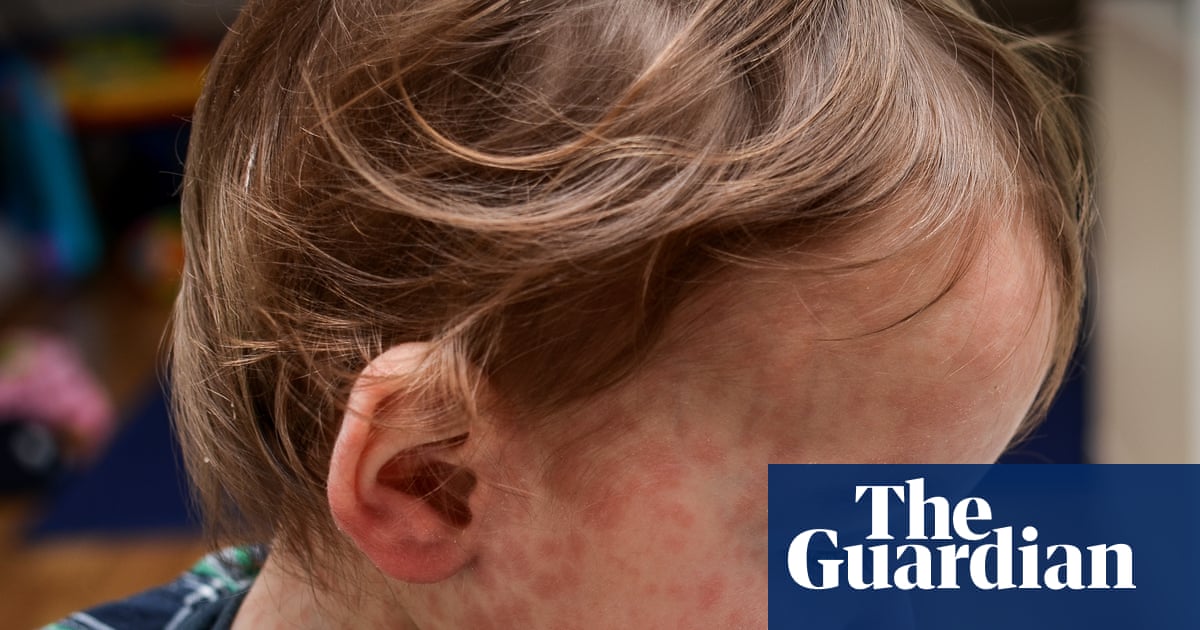
We now have our first confirmed measles case of 2026 in the Bay Area and the first of 2026 in California as an unvaccinated international traveler apparently brought some back home to San Mateo County. Though first of 2026 may not be that distinct of a deal, considering we saw another new measles case in Contra Costa County when there was still two more days in 2025. [KQED]
The World Health Organization announced in late January that six European countries: the United Kingdom, Spain, Austria, Armenia, Azerbaijan and Uzbekistan had all officially lost their measles elimination status, which means the virus has been circulating continuously in those countries for more than 12 months.
Each day, they pore over reams of data about how the virus is evolving worldwide, how well last year's shot performed, and which strains might be easiest to mass produce for a vaccine. The meeting, convened by the World Health Organization twice a year, is a critical moment for the WHO's Global Influenza Surveillance and Response System.
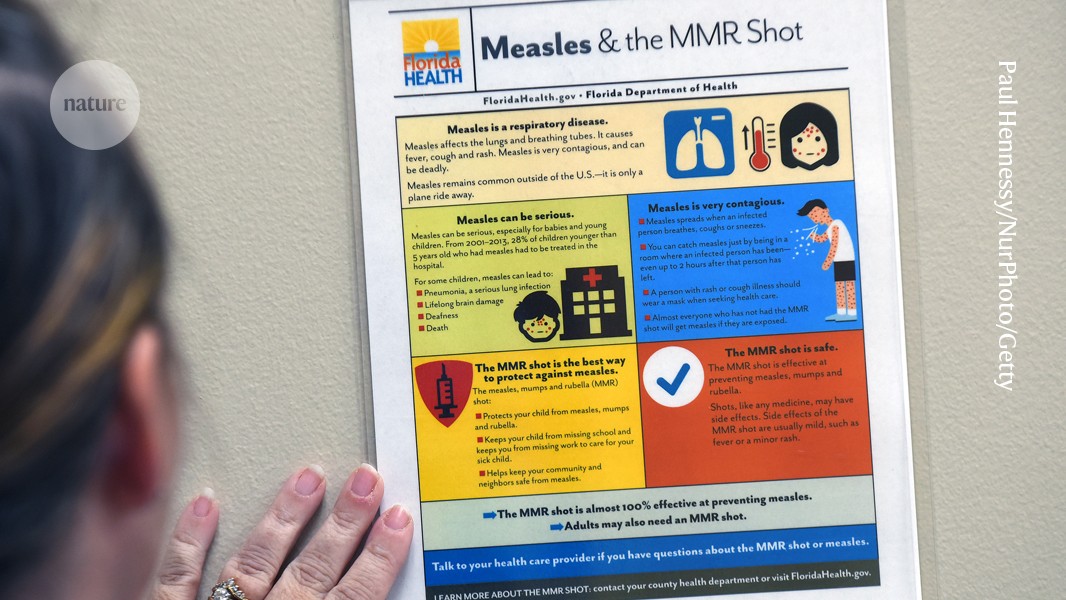
Under the new guidelines, the U.S. still recommends that all children be vaccinated against measles, mumps, rubella, polio, pertussis, tetanus, diphtheria, Haemophilus influenzae type B (Hib), pneumococcal disease, human papillomavirus (HPV) and varicella, better known as chickenpox. Vaccines for all other diseases will now fall into one of two categories: recommended only for specific high-risk groups, or available through "shared clinical decision-making" - the administration's preferred term for "optional."
If you're based in the United States, you've probably gotten used to government bodies issuing nationwide alerts - including ones that relate to public health. These have, historically, been good ways for health-conscious people to know what to look out for and for regional public health experts to develop strategies to help keep potential outbreaks contained.Unfortunately, now both individuals and institutions are reckoning with a big question: what to do when those warnings are much smaller in number?
Perhaps the most significant milestone was the adoption by WHO Member States of the Pandemic Agreement, a landmark step towards making the world safer from future pandemics. Alongside this, amendments to the International Health Regulations came into force, including a new pandemic emergency alert level designed to trigger stronger global cooperation. And to sustainably finance the WHO's work, governments in a historic show of support increased their contributions to our core budget.
CITYWIDE- NYC HEALTH + HOSPITALS/BELLEVUE, IN PREPARING FOR THE U.S. HOSTING THE WORLD CUP SOCCER CHAMPIONSHIPS THIS YEAR, has trained close to 500 health care and public health professionals to respond to high-consequence infectious disease threats. The city's public hospital system announced on Tuesday, Jan. 27, that during 2025, the health care professionals were trained across four jurisdictions encompassing New York, New Jersey, Puerto Rico and the U.S. Virgin Islands.
Half a world away, specialists in Japan say they have some hard-won wisdom to offer. They watched flu and pneumonia deaths spike after the Japanese government stopped pushing parents to have their children vaccinated against influenza. They witnessed rubella outbreaks driven by shifting vaccine guidance that left a segment of the population vulnerable. And they saw an unfounded media scare turn the public away from immunizations against human papillomavirus (HPV), which is responsible for nearly all cases of cervical cancer.
Being overweight doesn't just make people more susceptible to chronic illnesses such as heart disease and diabetesit might also increase their risk of severe influenza and other infections, a new study confirms. The study, published today in the Lancet, suggests that people with obesity may be more susceptible to death and hospitalization from a variety of infections caused by viruses, fungi, parasites and bacteria.