#health-department-reforms
#health-department-reforms
[ follow ]
#public-health #healthcare #global-health #hiv #trump-administration #hivaids #healthcare-access #health-policy


fromNews Center
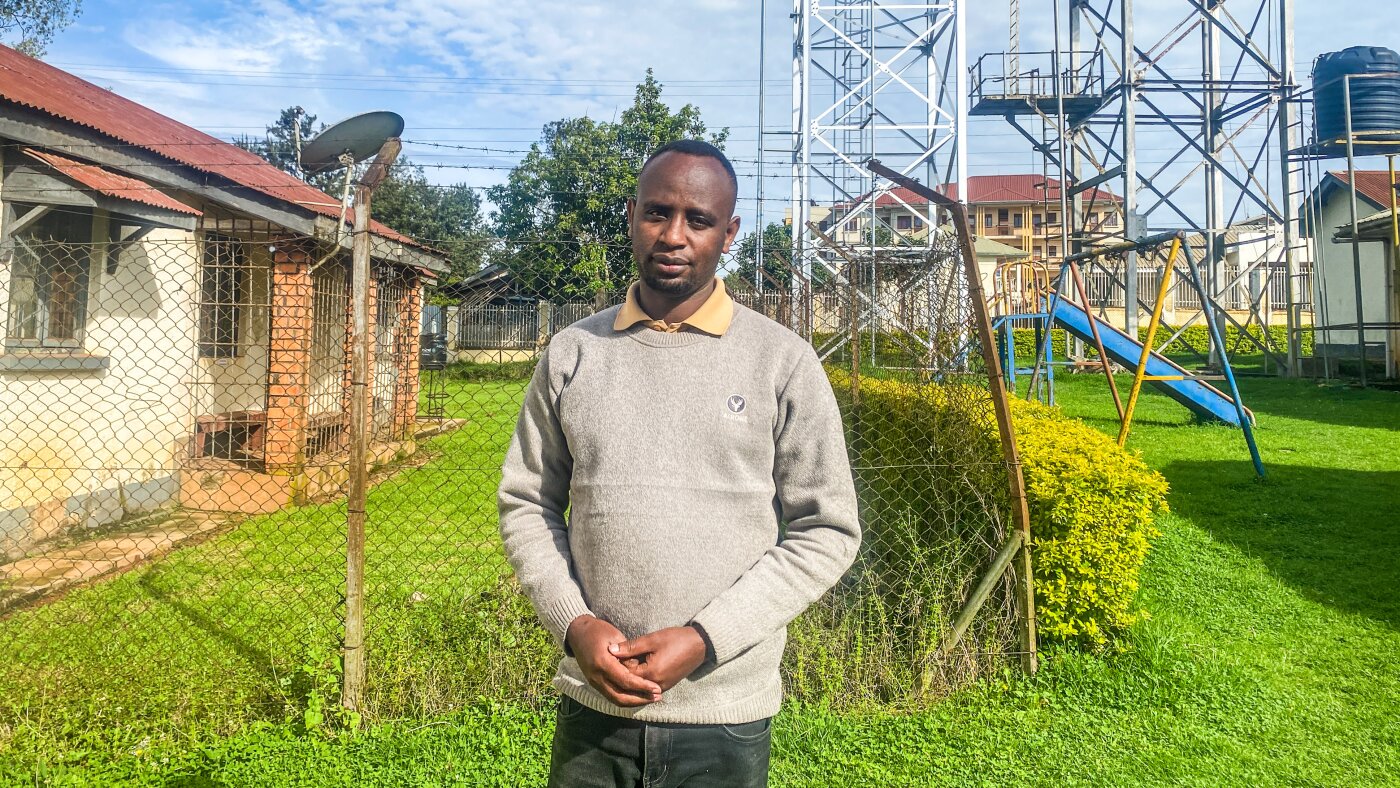
2 days agoPolicy Intervention Linked to Increase in Kidney Transplants in Black Patients - News Center
"This argues for the need to sustain such policies and shows that it is possible to right the wrongs retroactively, which is a powerful idea," said Kenneth Michelson, MD, MPH, associate professor of Pediatrics in the Division of Emergency Medicine and a co-author of the study.
Medicine

US politics
fromThe Atlantic
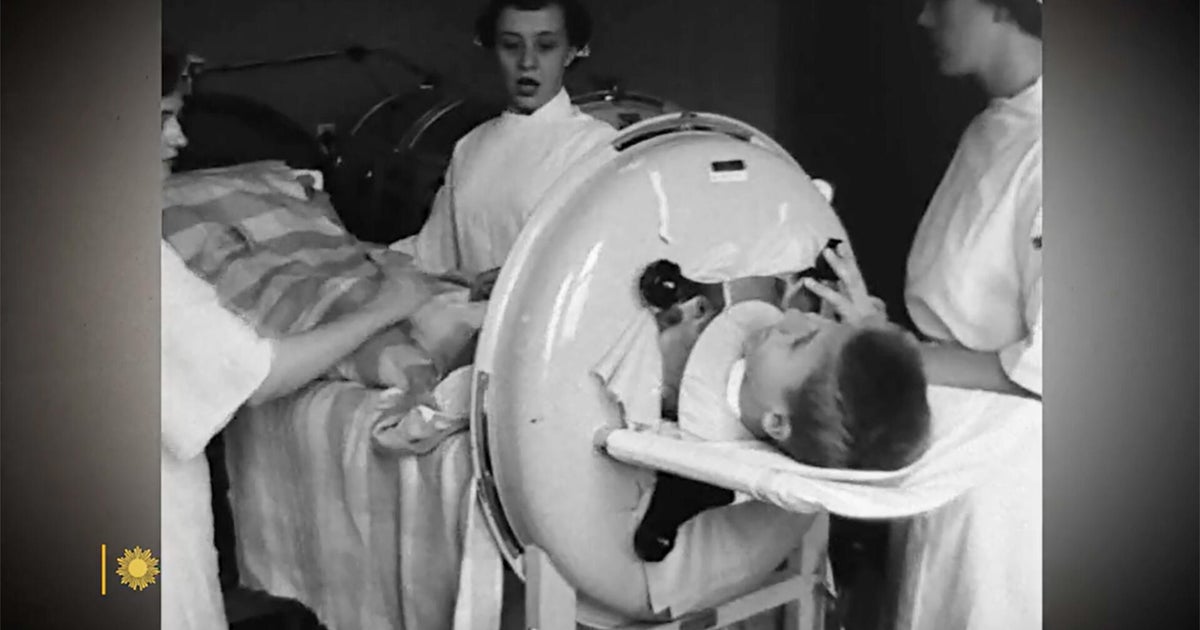
2 weeks agoWho's In Charge of Vaccines Now?
A federal judge ruled the Trump administration likely violated the law by dismissing the CDC's vaccine advisory panel and replacing it with vaccine-skeptical members, then altering childhood immunization schedules without proper input.


fromAdvocate.com
4 days agoDoctors' group says American Medical Association didn't retreat on gender-affirming care for minors
"We knew right away that any shift in policy that was being reported was a grave exaggeration," Sheldon said, pointing to GLMA's role within the AMA's House of Delegates, where it has a voting seat and direct visibility into policymaking.
Healthcare
fromNebraska Examiner
2 weeks ago3 states and New York City join global disease response network * Nebraska Examiner
GOARN, which includes more than 310 national public health agencies, United Nations agencies, academic institutions, and nongovernmental groups, helps identify and manage infectious disease outbreaks worldwide. Since it was established in 2000, GOARN says it has helped manage more than 175 global health emergencies across 114 countries.
Public health
fromThe Nation
3 weeks agoA Motto for All Health Workers: Resist, Resist, Resist
What are scientists, clinicians, and public health practitioners supposed to do in this moment? What use is research when our patients might be deported tomorrow? Why try to stem the tide of outbreaks when the world has fallen apart? This is why: because even in these times, enlarging the scope of human knowledge matters. The search for cures still matters. The fate of individual patients still matters.
Public health
fromwww.theguardian.com
5 days agoSome medicines could run out in weeks or even days, NHS England head warns
Jim Mackey stated, 'We are really worried about this. We've already had a couple of supply shocks in the last 12 to 18 months of key supplies.' He emphasized the importance of contingency planning due to the UK's reliance on imported medicines.
Healthcare
fromNature
3 weeks agoPrevent pandemics through One Health commitments
Risks of outbreaks with pandemic potential rise with increasing land-use change, biodiversity loss and climate change. The Pandemic Agreement adopted by the World Health Assembly in 2025 marks a historic shift that establishes the One Health approach as a legally binding obligation for pandemic prevention.
Public health
Public health
fromAdvocate.com
1 month agoBudget cuts and ignorance of history are racing us towards another HIV & AIDS epidemic
The Trump administration is cutting HIV/AIDS funding across CDC, research, state grants, and global programs, threatening decades of progress against a disease that devastated communities in the 1980s.
Public health
fromwww.theguardian.com
1 month agoTrump administration is failing to address spread of measles, experts say
The Trump administration has inadequately responded to accelerating measles spread exceeding 1,000 cases, with CDC leadership dismissing the outbreak as routine business costs while messaging confusion undermines vaccine confidence.
Mental health
fromBusiness Matters
1 month agoWhat Capitol City Residential Health Care Learned from Preventable Crises
Prevention-first, operations-focused residential care stabilizes high-acuity individuals by detecting missed signals, using consistent staffing, frequent plan reviews, and measured, person-centred adjustments.
fromLos Angeles Times
1 month agoThere were 13 full-service public health clinics in L.A. County. Now there are 6
Because of budget cuts, the Los Angeles County Department of Public Health has ended clinical services at seven of its public health clinic sites. As of Feb. 27, the county is no longer providing services such as vaccinations, sexually transmitted infection testing and treatment, or tuberculosis diagnosis and specialty TB care at the affected locations, according to county officials and a department fact sheet.
Public health
fromThe Nation
1 month agoThe Red State-Blue State Healthcare Divide Is Dangerous for Everyone
In light of the systemic dismantling of America's public health agencies, these moves essentially create a shadow infrastructure to maintain some of what is being lost. While this is a promising development, it does nothing to stop a troubling trend that has been emerging for some time: The country is quickly becoming fragmented along partisan lines when it comes to public health.
Public health
US politics
fromFortune
2 months agoTrump's former surgeon general: One year in, the war on vaccination is undoing the Trump administration's health agenda | Fortune
RFK Jr.’s health policies improved food safety but undermined vaccine confidence by replacing experts, rescinding recommendations, and canceling mRNA contracts.
Healthcare
fromBusiness Insider
1 month agoWaiting for Medicare and skipping prescriptions: Meet the Americans on the brink of losing health insurance
Expiration of enhanced ACA subsidies on December 31 caused monthly premiums to spike hundreds of dollars, forcing over 1 million Americans to cancel marketplace plans between early 2025 and 2026.


from48 hills
2 months agoThe US fails again to fix the real causes underlying poor health - 48 hills
If you're smoking three packs of cigarettes a day, should you expect society to pay when you get sick?" He added that while Americans would always have the right to "eat donuts all day," nevertheless, "should you then expect society to care for you when you predictably get very sick at the same level as somebody who was born with a congenital illness?
Public health
fromAdvocate.com
1 month agoBlack Americans are disproportionately criminalized for living with HIV. Here's how
Black people in the U.S. aren't just more likely to have HIV - they're more likely to be criminalized for it. Black Americans accounted for about 38 percent of new HIV diagnoses and 39 percent of people living with HIV in 2023, according to a report from the Williams Institute, despite making up around 12 percent of the population. Black women had the highest HIV diagnosis rate at 19.6 per 100,000, which is about 11 times the rate for white women at 1.8 per 100,000.
Public health
fromNature
1 month agoAfrican countries must take control of health policy
There is little doubt that this is what African countries need if they are serious about universal health coverage - ensuring that every member of their populations has access to this fundamental human right. But such an approach has never been implemented in Africa. Some of the reasons for this are outlined in a report on health financing by the Africa Centres for Disease Control and Prevention (Africa CDC), the continent's public-health agency based in Addis Ababa, published last week (see go.nature.com/3o9wxfc).
Public health
fromwww.aljazeera.com
2 months agoGlobal health's defining test
Perhaps the most significant milestone was the adoption by WHO Member States of the Pandemic Agreement, a landmark step towards making the world safer from future pandemics. Alongside this, amendments to the International Health Regulations came into force, including a new pandemic emergency alert level designed to trigger stronger global cooperation. And to sustainably finance the WHO's work, governments in a historic show of support increased their contributions to our core budget.
Public health
fromBusiness Insider
2 months agoWe want to hear your story about healthcare access
In 2026, the US healthcare system is changing. Enhanced Affordable Care Act subsidies have expired, causing premiums for marketplace plans to spike - and pricing some families out of health insurance entirely. President Donald Trump's One Big Beautiful Bill Act will reduce coverage for some patients with Medicaid and funding for hospitals, especially those in rural areas. Costs for Medicare and private insurance are also rising: Employer-based healthcare premiums have increased by 9%, the largest rise in more than a decade.
Healthcare
fromFuturism
2 months agoTrump's HHS Trashes Top African Health Organization as "Fake" and "Powerless"
the research would have followed 14,000 infants in the West African nation of Guinea-Bissau. The problem? Only 7,000 of those newborns would have received an urgently needed hepatitis B vaccine, in order to compare the two groups. On top of the flagrant ethics violations, the total cost of the research would have exceeded the cost to pay for "over a decade's worth of Hepatitis B vaccine birth doses [for everyone] in Guinea-Bissau."
Public health
[ Load more ]