#healthcare-insurance
#healthcare-insurance
[ follow ]
#affordable-care-act #healthcare #health-insurance #healthcare-costs #healthcare-access #medical-billing
fromwww.npr.org
1 week agoHow to navigate the maze of drug discounts to get the best price
Many of the medicines on TrumpRx include brand-name drugs that patients can find cheaper elsewhere as generics. For instance, Protonix for heartburn is available for $200 on TrumpRx, but the generic version, pantoprazole, costs less than $30 with a GoodRx coupon.
US news



#healthcare



Healthcare
fromwww.amny.com
1 day agoUnions push NewYork-Presbyterian to reach an agreement on city healthcare contract before thousands are booted out of network | amNewYork
NewYork-Presbyterian Hospital's contract negotiations could impact 40,000 city workers and retirees, risking their in-network access to care.
fromTravel + Leisure
3 weeks agoYou Can Use Your Costco Membership to Get a Travel Vaccine-and It Saved Me More Than $100
On Costco.com, you can pay $40 for a travel service consultation through a company called SafeGard. The process was fairly simple. I paid my fee, and later that day, I received an email with my log-in information for the website. I filled out an online form, detailing my travel plans and vaccine history, and in less than 24 hours, I was sent a personalized PDF suggesting a host of immunizations and medications.
Travel
Retirement
from24/7 Wall St.
2 weeks agoThe $2,000 Drug Cap Is Saving Medicare Retirees Over $1,500 a Year Right Now
Medicare premiums in 2026 are based on 2024 income, creating unexpected surcharges for those with one-time income spikes, while Part B premiums exceed $200 monthly and a new rule allows tax-free distributions for long-term care insurance.



Public health
fromwww.npr.org
2 months agoAre you on a high-deductible health plan? What do you wish you knew?
Rising marketplace premiums pushed many consumers into high-deductible bronze or catastrophic plans that qualify for health savings accounts, creating navigation challenges and HSA uncertainties.
fromEntrepreneur
1 month agoHow to Keep Your Health Plan Costs Manageable - Without Shortchanging Your Team
If you run a business, there's a familiar email you probably opened this fall: the one from your benefits broker with your 2026 health insurance renewal. You scroll. You see a double-digit increase, and your stomach drops. You want to do right by your team. You also have a P&L to protect. And the three standard options you're handed - pay the increase, raise deductibles or push more cost onto employees - all feel bad in different ways.
Business


Public health
fromkffhealthnews.org
2 months agoMedical bills can be vexing and perplexing. Here's important advice for patients
High and confusing medical bills affect insured and uninsured due to coverage gaps, unexpected plan restrictions, billing practices, and complex retroactive policies like COBRA.


fromArs Technica
2 months agoHaving that high-deductible health plan might kill you, literally
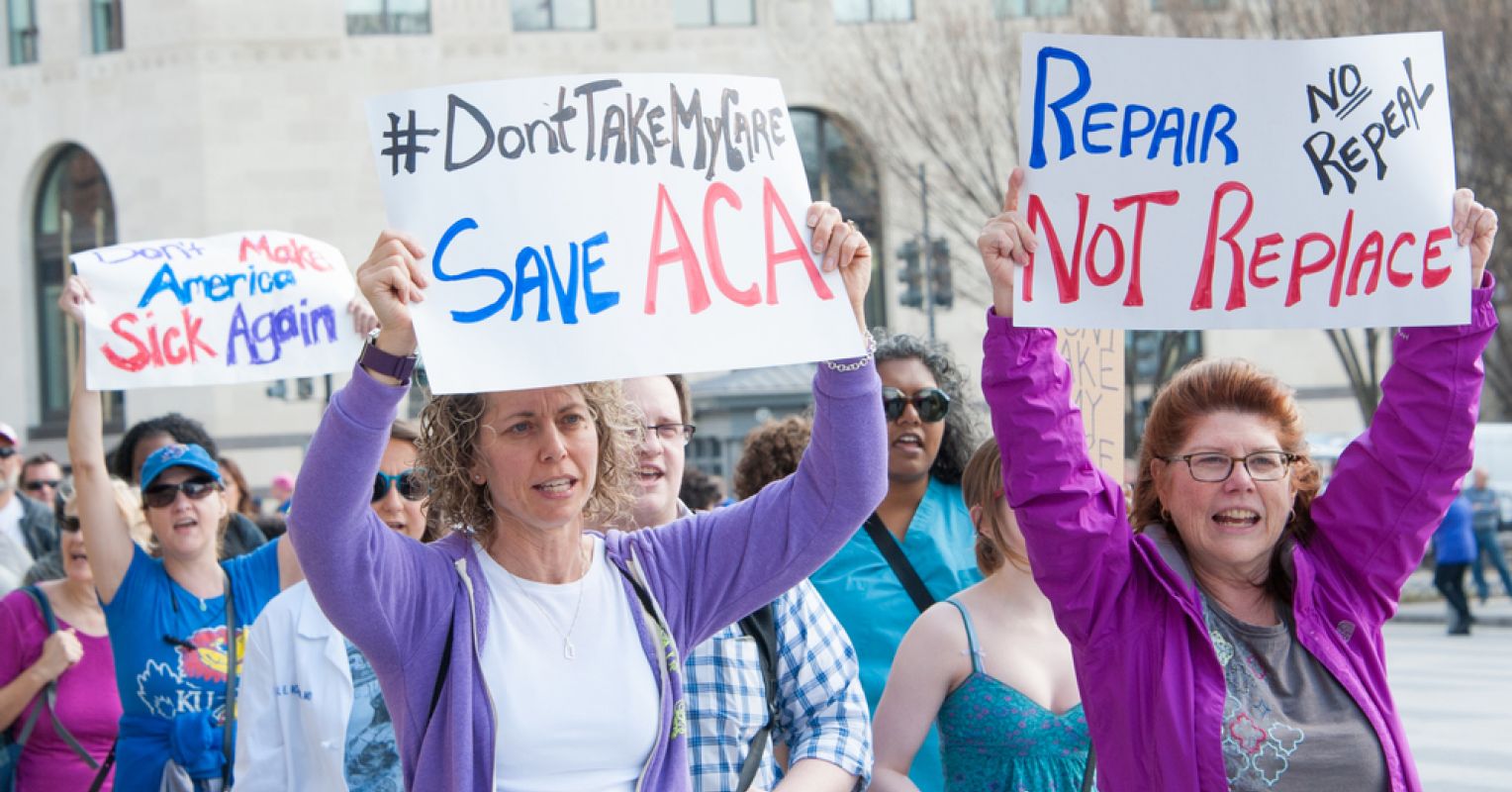
The issue is particularly critical right now for people who have insurance plans through the Affordable Care Act marketplace. Prices for those plans have skyrocketed this year after Congress failed to extend critical tax credits. Without those credits, monthly premiums for ACA plans have, on average, more than doubled. Early data on ACA enrollments for 2026 not only suggests that fewer people are signing up for the plans, but also that those who are enrolling are often choosing bronze plans, which are high-deductible plans.
Public health
fromClassic Yoga
7 months agoThe New Rule For Health Insurance Coverage - Classic Yoga
Health insurance plays a vital role in safeguarding Indians from mounting healthcare costs. With medical inflation rising and hospital bills becoming unaffordable, having robust individual health insurance is no longer an option but a necessity. Recognising this, the Indian insurance regulator made a crucial change in April 2024. Now, health insurance and individual health insurance plans must cover hospitalisation cases where the patient is admitted for as little as two hours.
Yoga

Healthcare
fromMedCity News
3 weeks agoIt Took Years for Congress to Enact PBM Transparency, Delinking. What About Vertical Integration? - MedCity News
Congress passed initial PBM reforms in February 2026, but advocates seek stronger action against vertical integration between PBMs, insurers, and pharmacies through proposed legislation like the Break Up Big Medicine bill.
Healthcare
from24/7 Wall St.
1 month agoWhy Many Retirees Are Underestimating Healthcare Usage, Not Just Costs
Retirees underestimate healthcare costs by focusing on total spending figures rather than accelerating usage patterns driven by chronic conditions and age-related increases in doctor visits and hospitalizations.
fromMedCity News
1 month agoWhy HHS Scrapping Its 340B Rebate Program Is a Win For Providers - MedCity News
The 340B program allows hospitals to buy outpatient drugs at steep discounts, with the purported purpose of helping them fund care for low-income and uninsured patients. The now-axed rebate model would have invited drugmakers to participate voluntarily in a rebate-based discount system. Basically, instead of the provider receiving a discount upfront at purchase, the 340B discount would be applied after purchase via rebate - and subject to tedious data submission requirements.
Public health
Healthcare
fromBusiness Insider
1 month agoWaiting for Medicare and skipping prescriptions: Meet the Americans on the brink of losing health insurance
Expiration of enhanced ACA subsidies on December 31 caused monthly premiums to spike hundreds of dollars, forcing over 1 million Americans to cancel marketplace plans between early 2025 and 2026.


fromBusiness Insider
2 months agoWe want to hear your story about healthcare access
In 2026, the US healthcare system is changing. Enhanced Affordable Care Act subsidies have expired, causing premiums for marketplace plans to spike - and pricing some families out of health insurance entirely. President Donald Trump's One Big Beautiful Bill Act will reduce coverage for some patients with Medicaid and funding for hospitals, especially those in rural areas. Costs for Medicare and private insurance are also rising: Employer-based healthcare premiums have increased by 9%, the largest rise in more than a decade.
Healthcare
fromThe Motley Fool
1 month agoMedicare Just Got Rid of a Big Benefit. Here's How It Could Affect You. | The Motley Fool
The COVID-19 pandemic changed society in 2020. Schools closed down. Employees were told to work from home. And going to the doctor for routine visits suddenly became a risky prospect. In response to the circumstances at hand, Medicare expanded enrollees' access to telehealth services in early 2020 to ensure that seniors could safely tend to their medical needs from home. And for several years that followed, the waivers enacted in 2020 remained in place, allowing Medicare enrollees to continue using telehealth services.
Healthcare
[ Load more ]