#healthcare-nationalization
#healthcare-nationalization
[ follow ]
#nhs #healthcare #healthcare-costs #bma #patient-care #reproductive-rights #healthcare-access #germany #journalism



#reproductive-rights
UK politics
fromwww.independent.co.uk
6 hours agoUniversal credit health benefit reform sees cut for new claimants this week
The Independent provides accessible journalism on critical issues like reproductive rights and welfare reforms, emphasizing the importance of unbiased reporting.

Intellectual property law
fromIPWatchdog.com | Patents & Intellectual Property Law
4 years agoMossoff Policy Memo for Hudson Institute Calls for Transparency from I-MAK on Data Used in Drug Pricing Debate
Discrepancies exist between patent data reported by I-MAK and official sources, raising concerns about the reliability of data in pharmaceutical patent debates.
fromwww.bbc.com
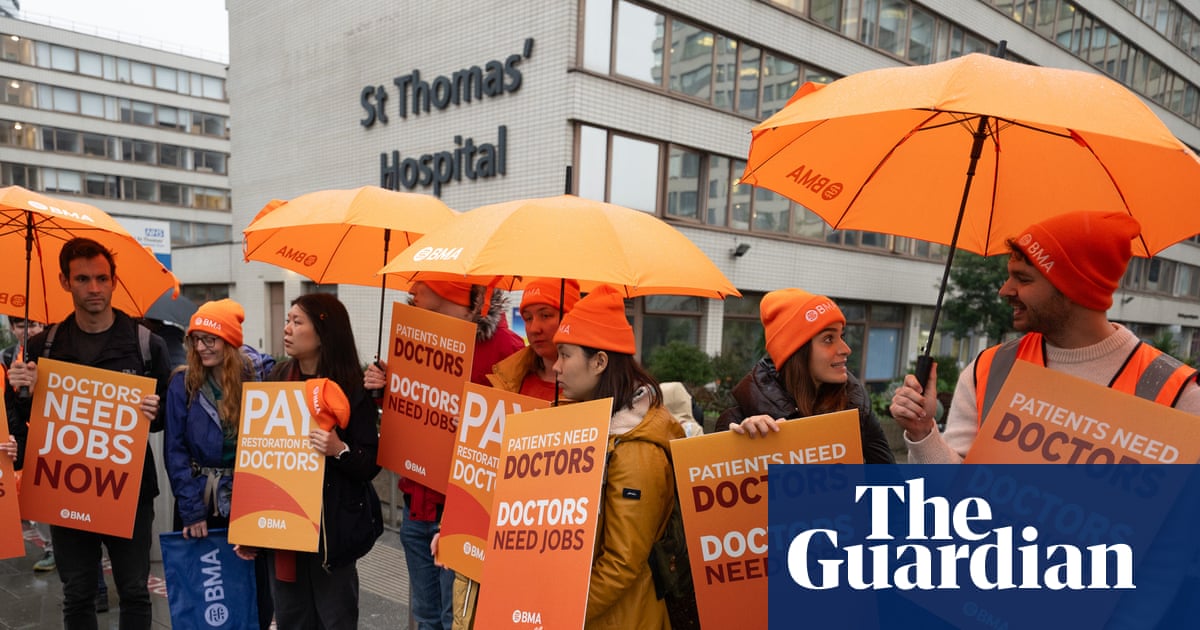
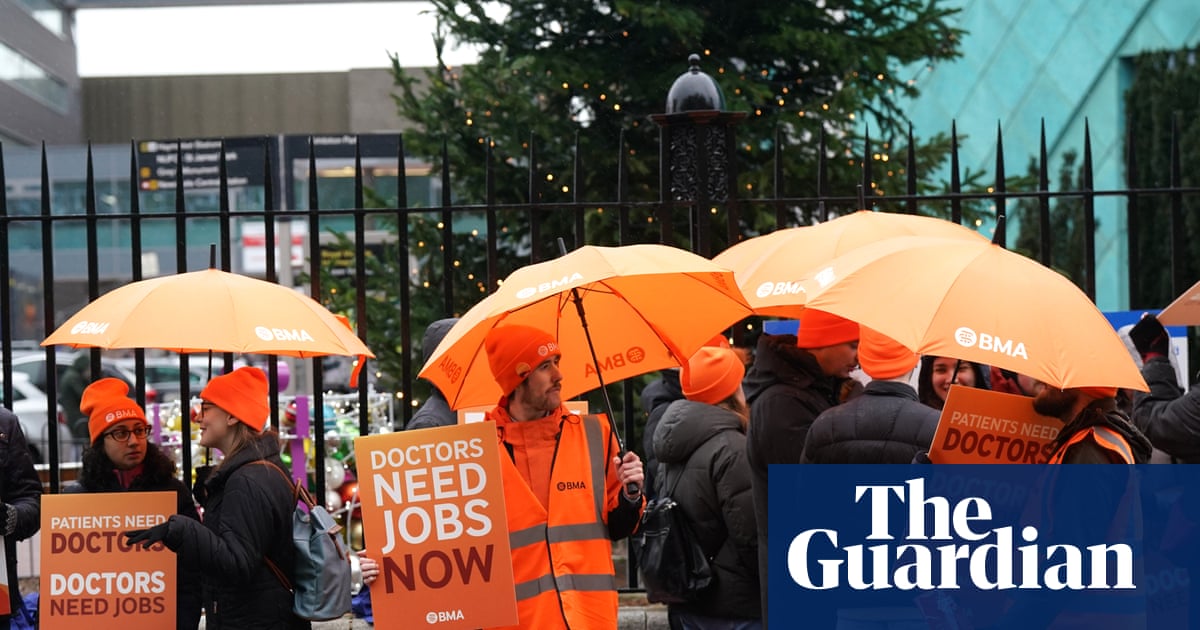
3 days agoDoctors lose new jobs package as strike to go ahead
The government has withdrawn an offer of creating 1,000 more doctor training posts in England after the British Medical Association (BMA) refused to call off a six-day strike next week. The extra posts were part of a wider package of measures put forward by ministers earlier this year to resolve the long-running dispute with resident doctors.
UK politics
Public health
fromwww.theguardian.com
3 weeks agoUK government axes flagship global health project
UK aid cuts are forcing closure of the Global Health Workforce Programme, ending healthcare worker training and development across six African countries despite ministers previously emphasizing its role in pandemic preparedness.



fromwww.theguardian.com
1 month agoThis is a life and death story for the UK so why is it being brushed under the carpet?
A child born this morning in Britain can expect to be in good health only until they are 61. The last 20 years of their life will be blighted by illness: dodgy hearts, painful joints, an inability to get about. Our healthy life expectancy has been dropping for years; it is now the lowest since 2011, when records began.
Public health
fromThe Nation
1 month agoThe Red State-Blue State Healthcare Divide Is Dangerous for Everyone
In light of the systemic dismantling of America's public health agencies, these moves essentially create a shadow infrastructure to maintain some of what is being lost. While this is a promising development, it does nothing to stop a troubling trend that has been emerging for some time: The country is quickly becoming fragmented along partisan lines when it comes to public health.
Public health
fromwww.cbc.ca
2 months agoProvince on track to connect all Ontarians to primary care provider by 2029: health minister | CBC News
Health Minister Sylvia Jones says about 275,000 people have been attached to primary care so far in the first year of the government's plan. More than half of that progress is due to moving people off the Health Care Connect wait list.
Canada news
New York Islanders
fromwww.amny.com
2 months agoOp-Ed | As healthcare costs surge, lawmakers should focus on reforming rather than expanding costly government programs amNewYork
Expanding 340B program and rising healthcare costs are exacerbating unaffordability, harming minority-owned businesses, and lacking transparency and oversight.


fromwww.theguardian.com
2 weeks agoPlans to cut NHS international workforce appear overambitious, say MPs
Thirty-six per cent of UK doctors and 24% of nurses and midwives were trained elsewhere in the world. The number of visas granted to healthcare professionals has fallen sharply in recent years. But overseas staff would be needed for the foreseeable future, the APPG said.
Healthcare
Healthcare
fromBusiness Matters
3 weeks agoBuilding Better Systems: A Conversation with Healthcare Leader Daniel Tuffy
Daniel Tuffy is a healthcare leader who progressed from clinical physical therapy to executive roles, focusing on operational excellence, workforce engagement, and reducing provider burnout through trust-based leadership.


Healthcare
fromHarvard Gazette
3 weeks agoFederal drug price reforms are working, finds study - Harvard Gazette
Medicare beneficiaries reported skipping fewer medications due to cost after the Inflation Reduction Act's prescription drug provisions took effect in January 2024, with greatest improvements among those with multiple chronic conditions.
Public health
fromwww.bbc.com
2 months agoThe 'vicious cycle' that means the NHS still wastes billions on patients who don't need to be in hospital
Thousands of hospital beds are occupied by patients who no longer need inpatient care, causing cancellations, longer emergency waits, staff strain, and large financial losses.
Public health
fromLondon Business News | Londonlovesbusiness.com
2 months agoAssessing the Government's 10-year health plan: Enhancing support for prevention and recovery in England - London Business News | Londonlovesbusiness.com
The UK's ten-year health plan must accelerate prevention, digital transformation, and accessible addiction treatment to curb rising drug-related harms and reduce NHS strain.
Healthcare
fromSan Jose Inside
1 month agoMahan, Swalwell, Porter Differ from Steyer and Other Governor Candidates on Single-Payer Health Care
California Democratic gubernatorial candidates diverge on single-payer healthcare, with some supporting it while others prioritize fixing existing systems and addressing feasibility concerns.
UK politics
fromwww.theguardian.com
1 month agoThe Guardian view on student loans: a graduate levy by stealth is no way to fund the NHS | Editorial
Freezing the student loan repayment threshold effectively imposes a tax increase on graduates by raising marginal tax rates and reducing disposable income when wages rise.
Healthcare
fromBusiness Insider
1 month agoWaiting for Medicare and skipping prescriptions: Meet the Americans on the brink of losing health insurance
Expiration of enhanced ACA subsidies on December 31 caused monthly premiums to spike hundreds of dollars, forcing over 1 million Americans to cancel marketplace plans between early 2025 and 2026.
from48 hills
2 months agoThe US fails again to fix the real causes underlying poor health - 48 hills
If you're smoking three packs of cigarettes a day, should you expect society to pay when you get sick?" He added that while Americans would always have the right to "eat donuts all day," nevertheless, "should you then expect society to care for you when you predictably get very sick at the same level as somebody who was born with a congenital illness?
Public health
Public health
fromkffhealthnews.org
2 months agoMedical bills can be vexing and perplexing. Here's important advice for patients
High and confusing medical bills affect insured and uninsured due to coverage gaps, unexpected plan restrictions, billing practices, and complex retroactive policies like COBRA.
fromBusiness Insider
2 months agoWe want to hear your story about healthcare access
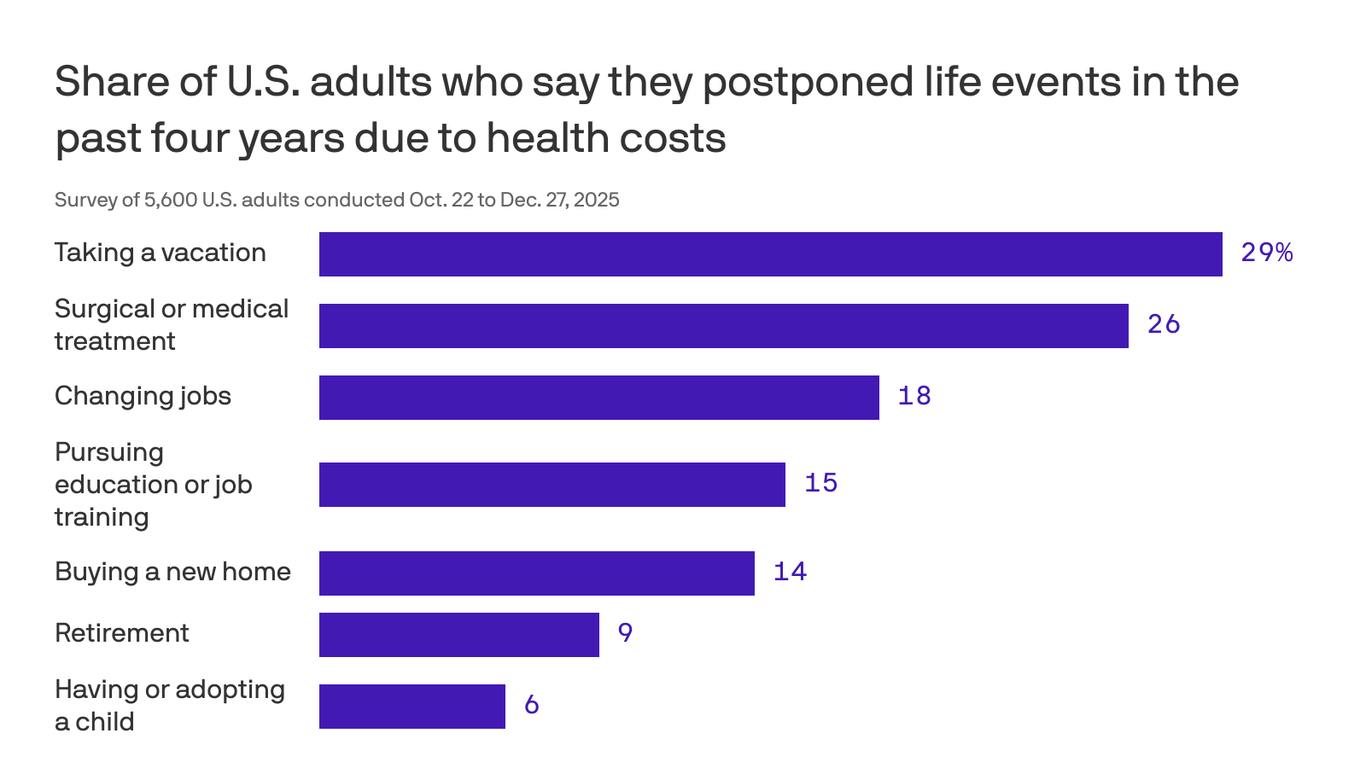
In 2026, the US healthcare system is changing. Enhanced Affordable Care Act subsidies have expired, causing premiums for marketplace plans to spike - and pricing some families out of health insurance entirely. President Donald Trump's One Big Beautiful Bill Act will reduce coverage for some patients with Medicaid and funding for hospitals, especially those in rural areas. Costs for Medicare and private insurance are also rising: Employer-based healthcare premiums have increased by 9%, the largest rise in more than a decade.
Healthcare
[ Load more ]