#healthcare-violence
#healthcare-violence
[ follow ]
#healthcare #nhs #patient-care #mental-health #data-breach #cybersecurity #bma #health-policy #healthcare-access




fromwww.bbc.com
2 days agoDoctors lose new jobs package as strike to go ahead
The government has withdrawn an offer of creating 1,000 more doctor training posts in England after the British Medical Association (BMA) refused to call off a six-day strike next week. The extra posts were part of a wider package of measures put forward by ministers earlier this year to resolve the long-running dispute with resident doctors.
UK politics
fromPsychology Today
2 days agoPeople With Bipolar and BPD Struggle in Mental Healthcare
There is a unique kind of pain in losing your mind, not just once, but over and over. Losing your perception of reality, of your emotions, of your closest relationships-both across months and multiple times a day. Knowing deep down that something is wrong but being unable to stop it.
Mental health

#nhs
UK politics
fromLondon Business News | Londonlovesbusiness.com
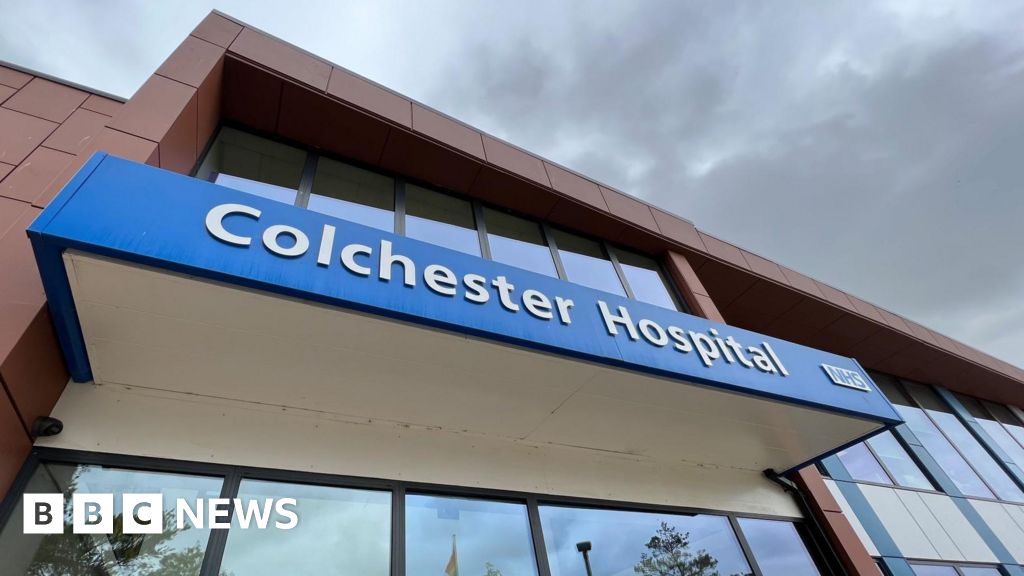
4 days agoStarmer accuses doctors of 'reckless' walkout as strike deadline looms - London Business News | Londonlovesbusiness.com
Keir Starmer criticized resident doctors for rejecting a pay deal without a vote, warning it could harm the NHS and patients.
UK politics
fromLondon Business News | Londonlovesbusiness.com
4 days agoStarmer accuses doctors of 'reckless' walkout as strike deadline looms - London Business News | Londonlovesbusiness.com
Keir Starmer criticized resident doctors for rejecting a pay deal without a vote, warning it could harm the NHS and patients.
fromwww.cbc.ca
2 days agoOffice space for emergency care: East-end Toronto hospital says patient demand is more than double capacity | CBC News
The emergency department at Michael Garron Hospital was built to care for about 150 patients a day, but now sees more than 300 patients daily, amounting to about 107,000 patients last year in a space designed for 50,000 annually.
Healthcare
fromThe Nation
3 weeks agoA Motto for All Health Workers: Resist, Resist, Resist
What are scientists, clinicians, and public health practitioners supposed to do in this moment? What use is research when our patients might be deported tomorrow? Why try to stem the tide of outbreaks when the world has fallen apart? This is why: because even in these times, enlarging the scope of human knowledge matters. The search for cures still matters. The fate of individual patients still matters.
Public health
#workplace-safety
Public health
fromABC7 San Francisco
4 weeks agoSocial workers demand UCSF improves safety after worker fatally stabbed by patient
UCSF social workers demand stronger workplace safety measures and increased staffing following a colleague's fatal stabbing, citing unaddressed safety concerns and lack of leadership response.
#gender-affirming-care
Healthcare
fromPinkNews | Latest lesbian, gay, bi and trans news | LGBTQ+ news
2 weeks agoFamilies sue SoCal hospital system after gender-affirming care for trans youth halted
Families in California have filed a lawsuit against Rady Children's Health for stopping gender-affirming care for patients under 19, citing discrimination.
Brooklyn
fromBrooklyn Paper
3 weeks agoOp-Ed | The Brooklyn Hospital Center is abandoning nurses and patients * Brooklyn Paper
Nurses at The Brooklyn Hospital Center have lost health coverage for 40 days after management refused to contribute to health funds despite a signed contract, while executive leadership remains unaffected.
Public health
fromwww.bbc.com
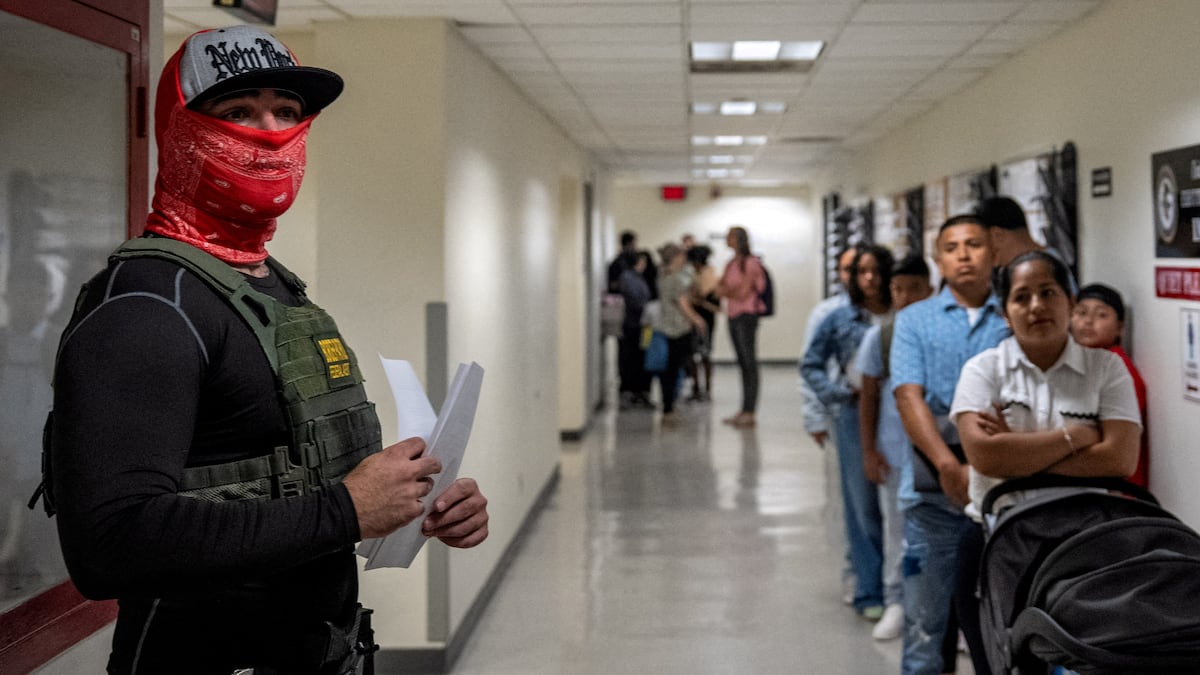
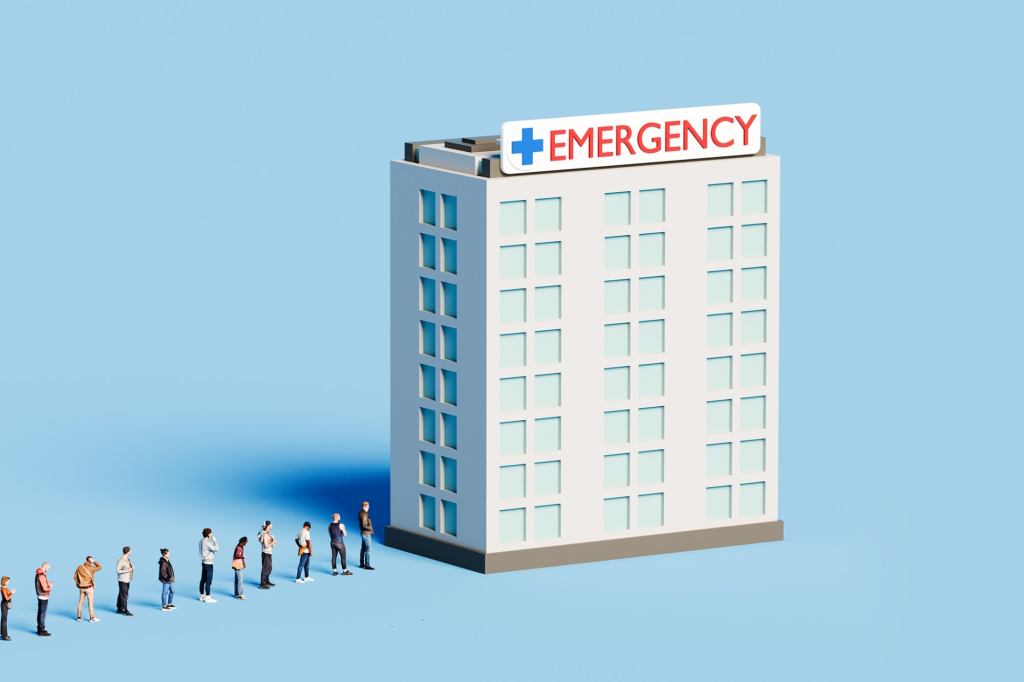
3 weeks agoHundreds of GPs tell BBC they have never refused a sick note over mental health concerns
Most GPs have never refused to sign mental health-related sick notes, though the rising volume of fit notes and lack of specified reasons raises concerns about the system's effectiveness and GP workload.



Public health
fromKqed
4 weeks agoHospital Security Debate Swirls After San Francisco Social Worker Stabbing | KQED
Healthcare workers at UCSF face widespread violence, with 90% experiencing threats or assault and 20% violently assaulted on the job, prompting safety demands following a social worker's fatal stabbing.
fromTruthout
1 month agoStriking Nurses From Coast to Coast Stood Up to Corporate Forces and Won
Members of the New York State Nurses Association (NYSNA), affiliated with National Nurses United, AFL-CIO, went out on a strike to protect their health insurance and pension benefits. Dania Muñoz, a nurse practitioner at Mount Sinai Hospital in New York City, explained that the private hospitals she and others were taking on are 'some of the top paid hospital systems in the country.'
Public health
Information security
fromSecuritymagazine
1 month agoHealthcare Cybersecurity Is in Crisis - These Proven Controls Could Be the Cure
Healthcare cybersecurity crisis: breaches doubled in 2025, average losses exceeded $2M; prioritize anti-fraud training, regulatory compliance, and targeted investments to reduce material risk.
fromwww.bbc.com
2 months ago'Hospital's neglect in my son's death has ripped our hearts out'
Peter Dervin had spent all day by his son's side in Broomfield Hospital before he decided to get dinner. He pleaded with staff at the Essex facility not to leave his eldest child, Greg, alone in his absence. "They almost laughed at me and said, 'This is what we do. We're nurses and we look after patients'," Dervin recalls. Greg had been given lorazepam, an anxiety drug flagged by clinicians as leaving him prone to becoming unsteady and agitated.
UK news
New York City
fromwww.amny.com
2 months agoEditorial | Why involuntary hospitalization is a last, necessary resort for NYC amNewYork
Prevent deaths from street exposure by expanding outreach, involuntary hospitalization for those with severe mental illness, and increasing shelter and warming capacity during extreme cold.
Healthcare
fromwww.theguardian.com
3 weeks agoThis doctor treated migrants' severe injuries at the US-Mexico wall: Political decisions made it as violent as possible'
Dr. Brian Elmore established a mobile clinic in Ciudad Juarez to provide emergency medical care to migrants facing severe injuries and limited healthcare access near the US-Mexico border.
Public health
fromSecuritymagazine
1 month ago55% Healthcare Workers Faced Increases in Violence - How Is Security Adapting to Protect Them?
Hospitals face rising physical and verbal assaults on staff, prompting modernization of security systems, SOC data sharing, and cross-system integration to improve safety and operations.
Mental health
fromBusiness Matters
1 month agoWhat Capitol City Residential Health Care Learned from Preventable Crises
Prevention-first, operations-focused residential care stabilizes high-acuity individuals by detecting missed signals, using consistent staffing, frequent plan reviews, and measured, person-centred adjustments.
fromThe Nation
2 months agoHealthcare Workers Must Continue Alex Pretti's Fight
One might ask why an epidemiologist like me would be interested in Latin American history at this moment. What drew me to that era was the key role that clinicians and public health workers played in the resistance against the dictatorship; their simultaneous push for a national healthcare program; and the ways in which this sector organized, even as more conservative physicians sided with the putschists, happy to see their more progressive colleagues jailed and persecuted.
Public health
fromBuzzFeed
1 month agoDoctors, Nurses, And EMTs Are Sharing Body Facts They Wish Everyone Knew Sooner
You get sick from staying inside, breathing the same germ-filled air. Open your windows, even for five minutes, to circulate the old air out and let in fresh air. Also, if you're taking your child to the doctor, don't wait to treat their fever because you want 'the provider to see the fever.' Your child might wait two hours to be seen, meanwhile their temperature goes up, and they might have a seizure. If you say they've been having fevers, we believe you.
Public health
fromBusiness Insider
2 months agoWe want to hear your story about healthcare access
In 2026, the US healthcare system is changing. Enhanced Affordable Care Act subsidies have expired, causing premiums for marketplace plans to spike - and pricing some families out of health insurance entirely. President Donald Trump's One Big Beautiful Bill Act will reduce coverage for some patients with Medicaid and funding for hospitals, especially those in rural areas. Costs for Medicare and private insurance are also rising: Employer-based healthcare premiums have increased by 9%, the largest rise in more than a decade.
Healthcare
Healthcare
fromwww.theguardian.com
2 months agoThe Guardian view on protecting NHS staff: ministers must take a lead in reducing attacks on the health workforce | Editorial
Violence against NHS staff in England has risen sharply to an average of 285 reported attacks per day in 2024-25, constituting an emergency.
[ Load more ]