Agriculture
fromTasting Table
7 hours ago13 Plants You Should Grow In A Laundry Basket Vegetable Garden - Tasting Table
Food insecurity drives people to grow their own food, even in small spaces like laundry baskets.
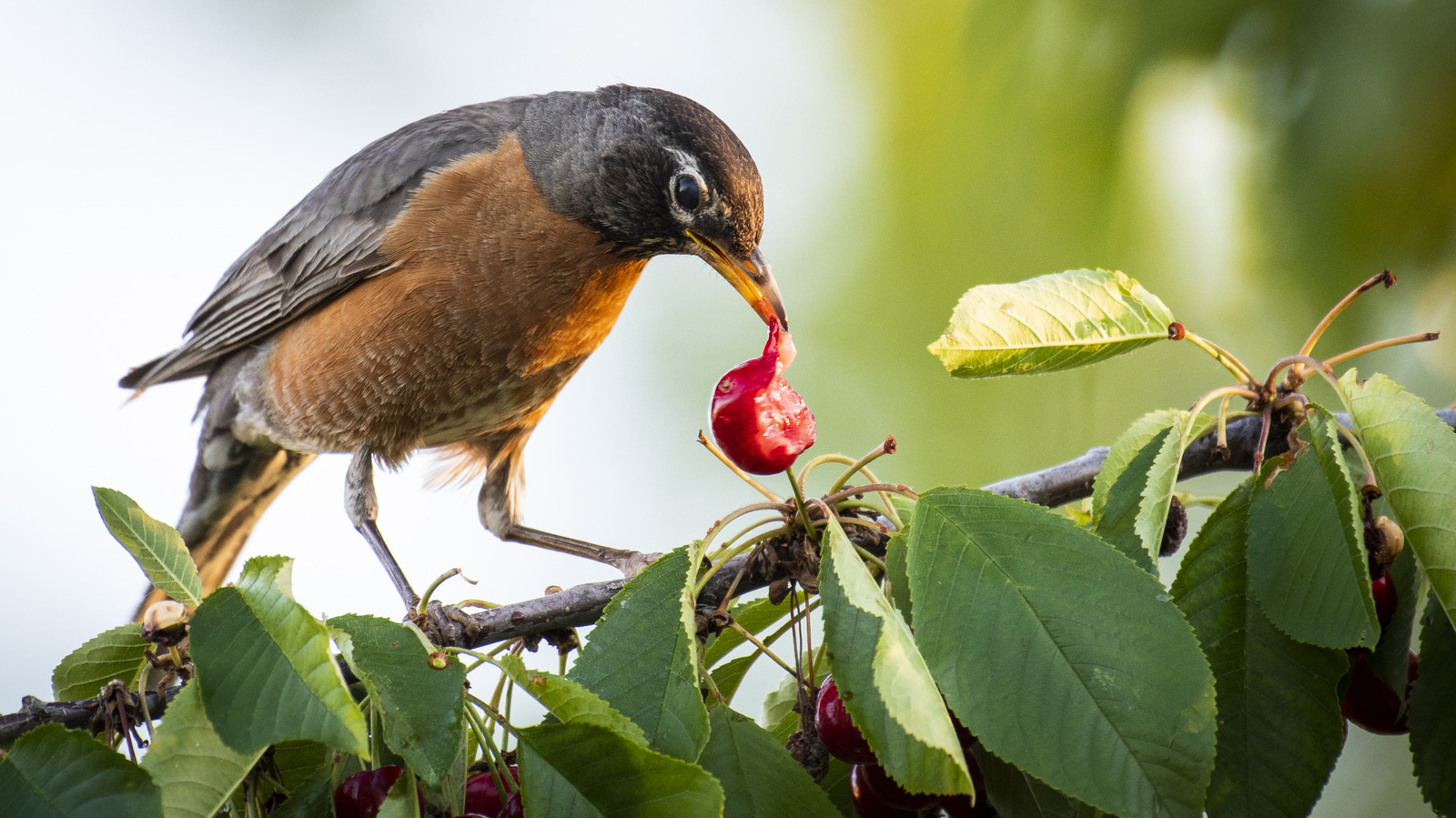
Around a third of UK gardeners use pesticides, and our studies found that house sparrow numbers, for example, were nearly 40% lower in gardens where the pesticide metaldehyde was used. By reducing pesticide use, you can actively encourage birds back into your outdoor spaces, as they rely on invertebrates such as slugs and snails as natural prey.
Where multi-story apartment buildings are now being constructed once stood the Butcher family orchard. The farm had been in the family since 1881, when Rolla and Emma Butcher bought 160 acres of land. After Rolla's early death, Emma ran the farm by herself, planting fruit trees while raising her young children.
Long before they became destination stops, farm shops were practical lifelines in Cornwall; places where farming families sold what they reared, grew or made, and where local communities stocked their pantries. In a county shaped by smallholdings, dairy herds and mixed farms, the connection between land and table has always been close - and still, today, hyper-local food is something Cornwall does exceptionally well.
Herbicide layering strategies involve combining multiple herbicide modes of action to target weeds effectively and prevent resistance development. This approach requires careful planning to apply different chemical classes at appropriate growth stages, ensuring comprehensive weed control while reducing selection pressure for resistant populations.
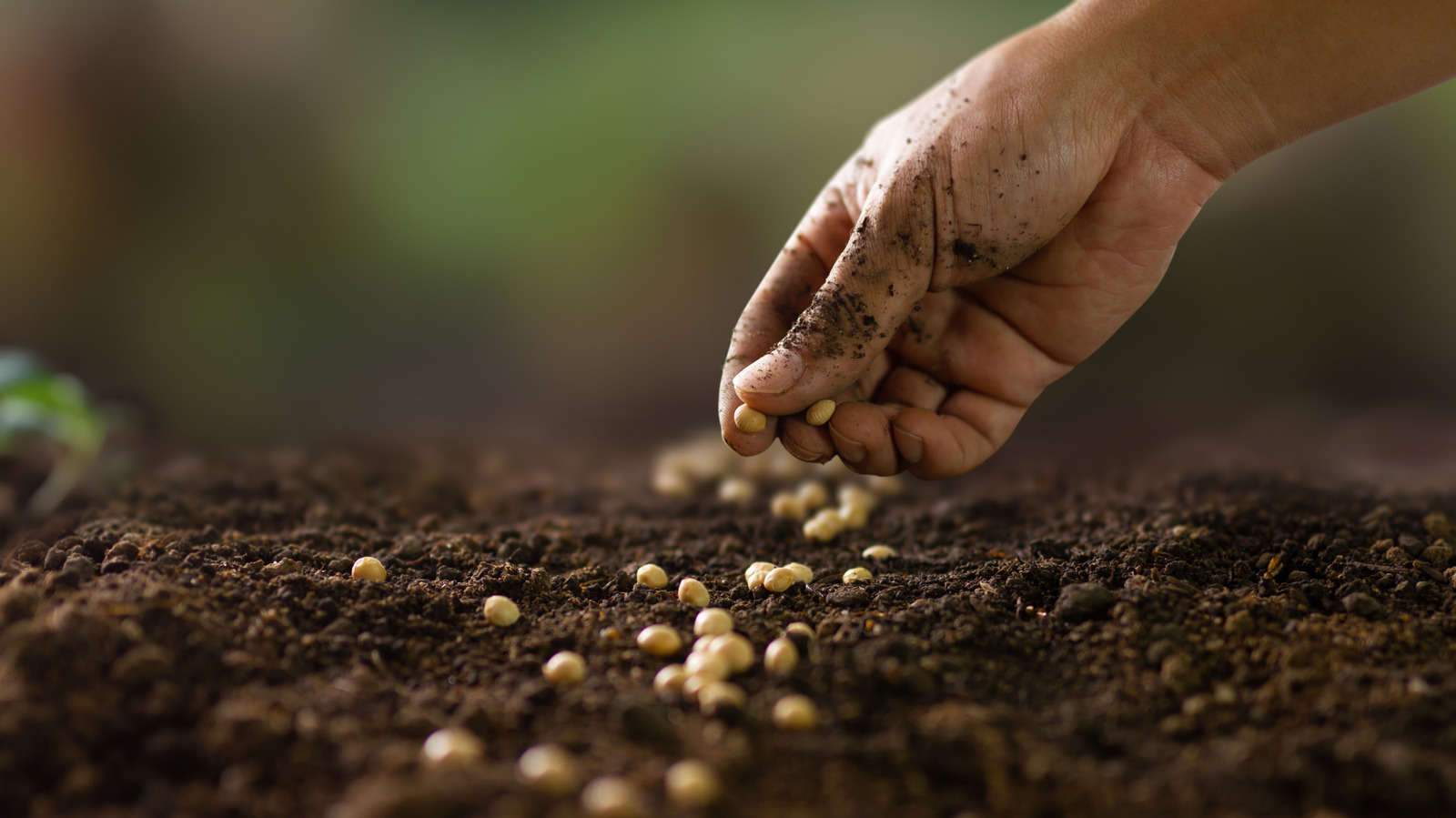
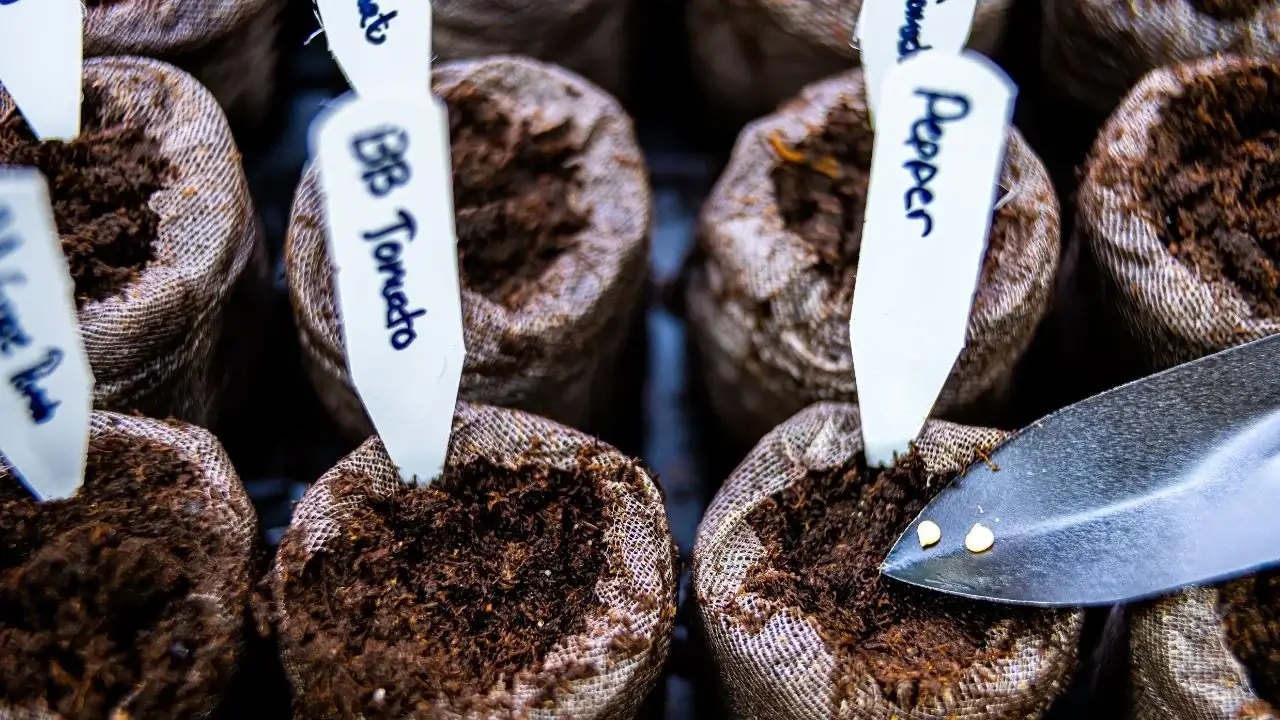
To an unimaginable eye, a seed looks inert. Yet they are packed with genetic information and biological processes poised to unfold. All it takes is the right configuration of signals and stimuli from the environment to let them know it's time to dare to grow.
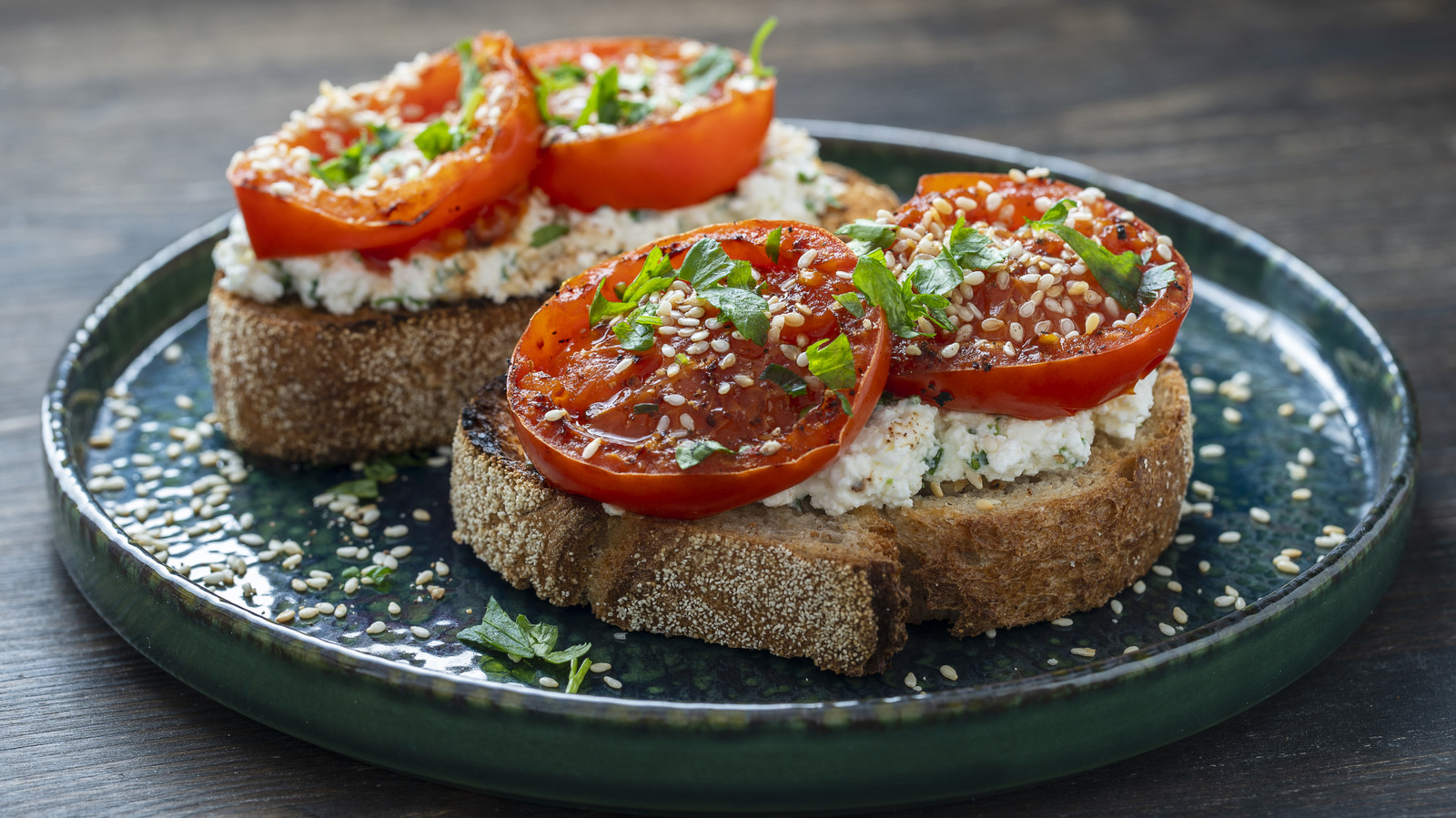
Tomatoes have a reputation for being a temperamental garden crop. They're thirsty, both fragile and heavy, and can be prone to disease. Cherry tomatoes, on the other hand, are widely considered among the easiest tomato variety to grow because of how efficiently (and abundantly) they go from flower to fruit. They ripen within about two months of planting and replenish themselves constantly.
As concepts such as "regenerative" and "biodynamic" continue to enter the mainstream coffee lexicon, scientists continue to literally dig into the soil to give them meaning. A recent peer-reviewed study from India's Western Ghats argues that one of the clearest signals of healthy, sustainable coffee farms lies in the ground itself, with organic coffee soils performing better than soils from conventional farms treated with synthetic inputs.
Late winter is when keen gardeners can get a little restless. The weather is still cold, and spring still feels far away. Thankfully, you don't need to wait until the weather warms to start your growing season. There are plenty of fruits and vegetables that can be started in the late winter, ready for a bountiful harvest in the coming months. Each of these plants needs unique care in order to thrive, but thankfully, I can guide you through exactly the right steps.
People grow asparagus from crowns because it shortens the long wait times for harvesting. From seed, you'll need to wait three years before harvesting asparagus. Some people consider that a waste of time. The tradeoff is that you can keep harvesting every spring for up to 15 years or more. If you plant crowns, you get a one-year jump on things. However, those crowns may have soil-borne diseases you don't know about, so there is a risk involved. Seeds remove that problem.
The more than 220-year-old tree was grown from a pip planted by Mary Anne Brailsford between 1809 and 1815. Its apples were discovered nearly 50 years later by local gardener Henry Merryweather in a garden owned by Matthew Bramley. Merryweather was given permission to take cuttings from the Bramley seedling as long as the apples he sold bore Bramley's name. Steven said her great-grandfather, Merryweather, believed in that apple, he commercialised it, he marketed it, he promoted it he called it the King of Covent Garden'.
Growing your own vegetables is a fun and rewarding activity. Not only will you ensure they are at their freshest when you eat them, but you will also know how they are grown, especially if you care about pesticides and other harmful chemicals found in commercially grown produce. If you don't have an outdoor garden space, you can still grow some tasty veggies indoors - and some of the simplest (and fastest-growing) are radishes.