#henry-taylor
#henry-taylor
[ follow ]
#photography
Photography
fromwww.theguardian.com
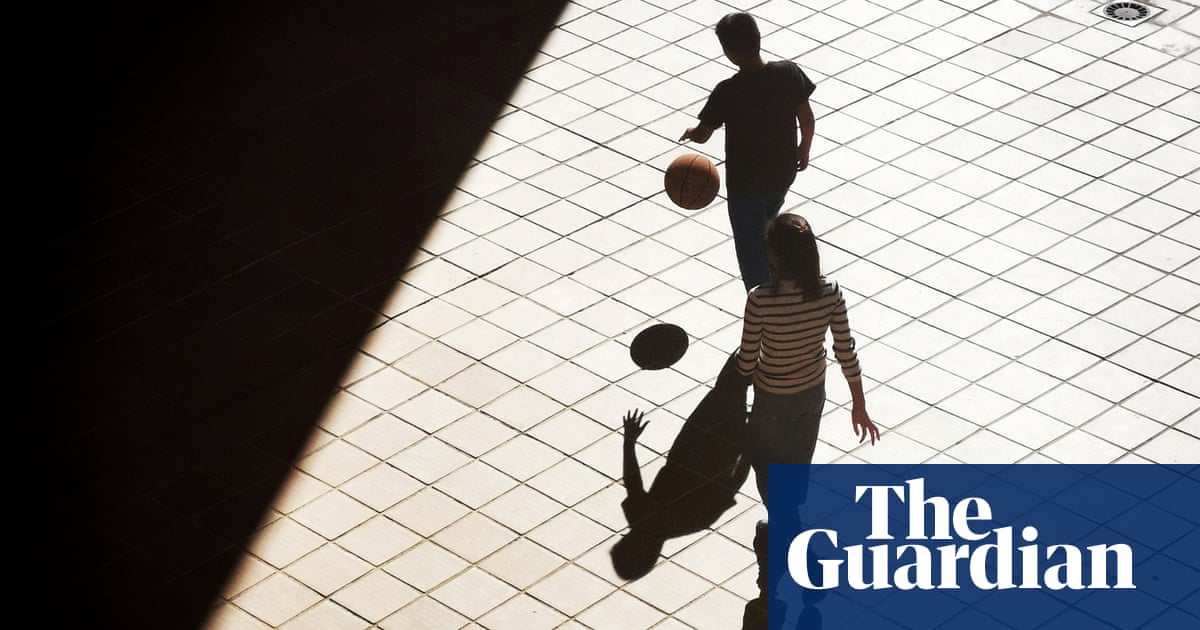
1 day agoThe shadows, the figures playing basketball I waited for the magic to appear then it did': Jose Luis Morales Martin's best phone picture
Jose Luis Morales Martin captures the interplay of architecture and photography, emphasizing the emotional connection and artistry in both fields.
fromHi-Fructose Magazine - The New Contemporary Art Magazine
3 days agoKyle Cobban Draws From The Unknown - Hi-Fructose Magazine
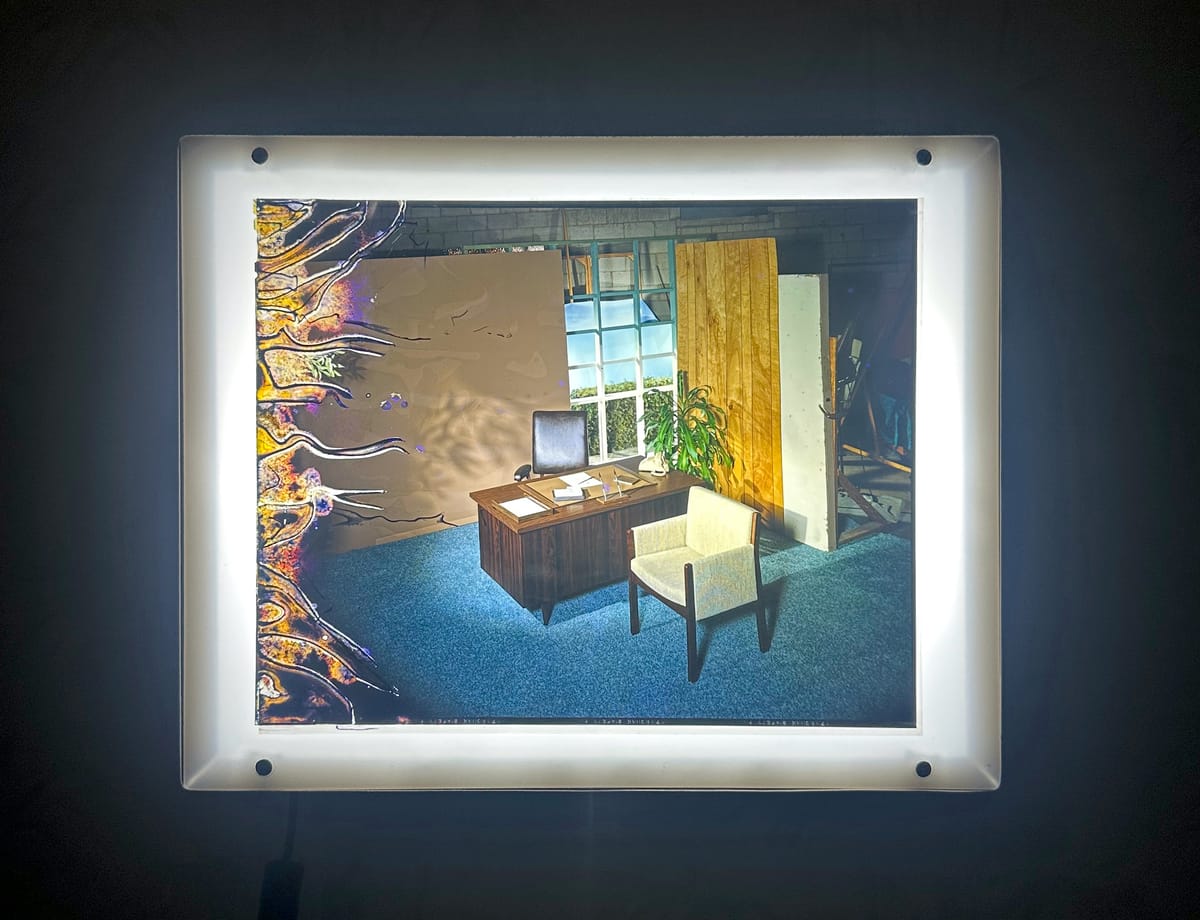
"It's an amalgamation of the Chicago neighborhood aesthetic with a Bulls fan, quite literally. It's kind of on the nose, but that's how I juxtapose the elements of my work, with the structure of a home and then a figure who is around or in the home."
Chicago Bulls

Berlin music
fromdesignboom | architecture & design magazine
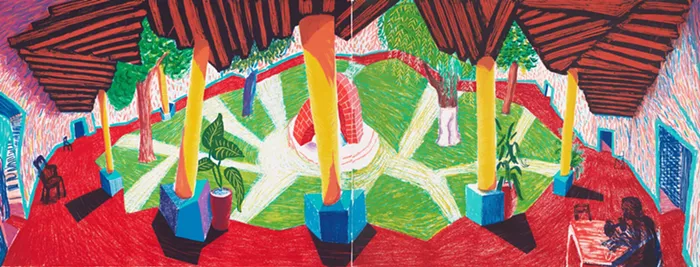
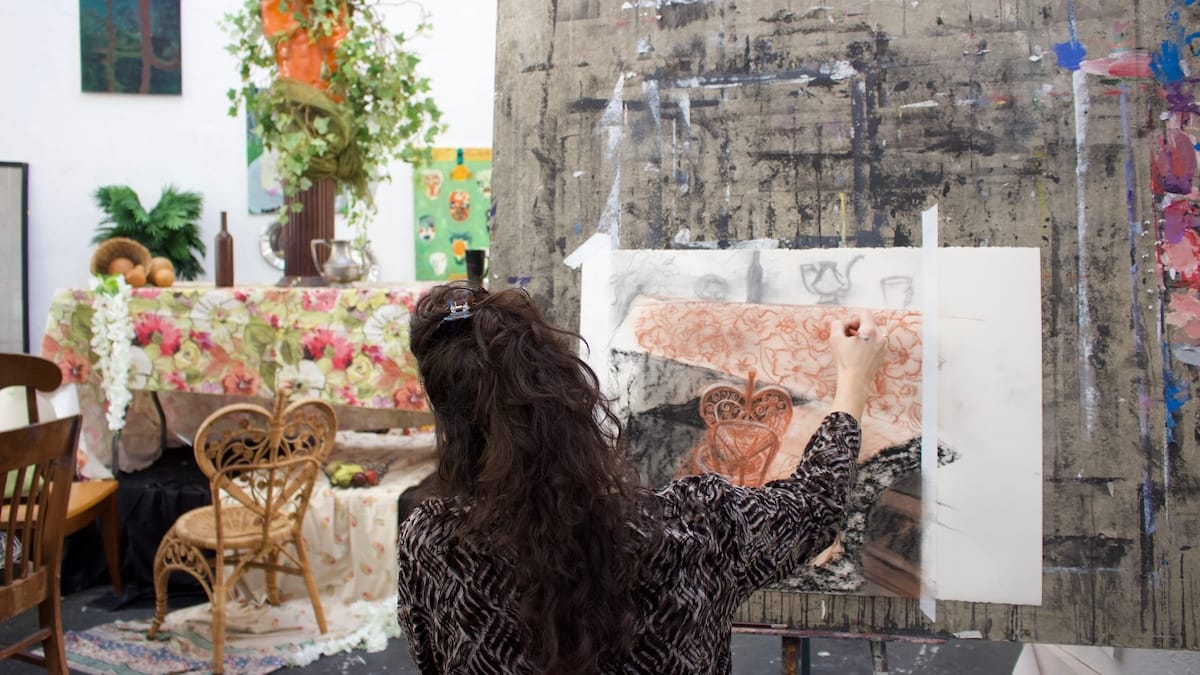
2 weeks agowalk through the fantastical world of david hockney's immersive opera stage designs
David Hockney has designed complete immersive opera stage environments since the 1970s, transforming stages into architectural artworks where actors perform within his painted worlds of vibrant colors and forced perspective.

fromwww.theguardian.com
2 weeks agoPrince laughed like a kid as I painted Free on his stomach': Steve Parke's best photograph
Around the Sign o' the Times album he called to say he was joining Prince's band, and said: I'm gonna take you with me. He showed Prince some of my artwork, which he apparently liked. I was asked to paint a stage for him that was the first job I did, and one day he asked: Have you ever taken photos? I was in the right place at the right time.
Photography
Graphic design
fromHi-Fructose Magazine - The New Contemporary Art Magazine
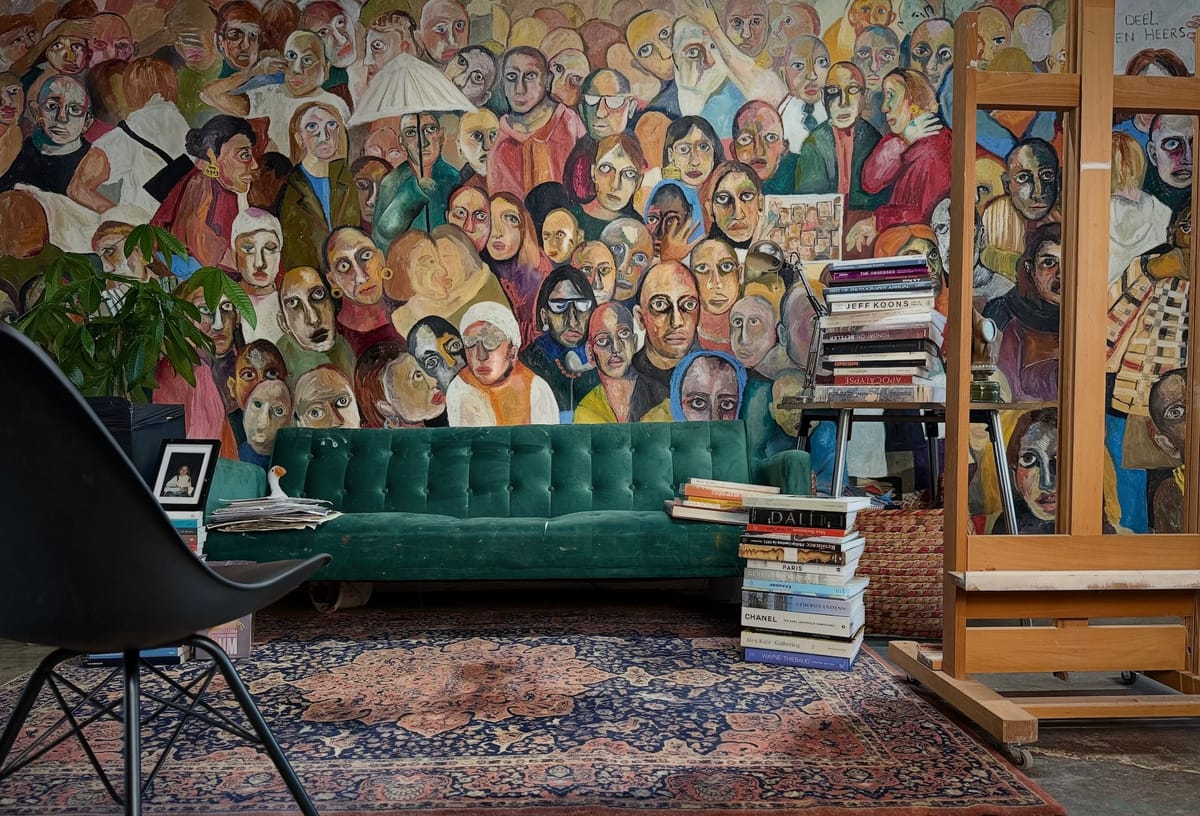
3 weeks agoIn Blob We Trust: The Art of KRK Ryden - Hi-Fructose Magazine
KRK Ryden's vibrant, chaotic home studio and colorful paintings reflect his artistic philosophy of controlled chaos organized by color, pattern, and theme.
London music
fromPinkNews | Latest lesbian, gay, bi and trans news | LGBTQ+ news
3 weeks agoCatherine Opie on why new exhibition still feels 'radical' for a 'butch d***'
Catherine Opie's photography centers queer bodies and identities through portraiture, making subjects visible and renegotiating the dynamics of seeing and being seen.
Photography
fromenglish.elpais.com
3 weeks agoWriting, watching, photographing: the heart of the matter according to Larry Sultan
Larry Sultan's writings reveal that writing was integral to his artistic practice, documenting his reflections on seeing, family memory, and photography's limits through correspondence, notebooks, diaries, and essays.
fromThe Art Newspaper - International art news and events
2 weeks agoNext edition of Getty's PST Art initiative will focus on Los Angeles's connections around the Pacific Rim
The next PST Art will highlight exchange around the Pacific across several centuries, from the arrival of Chinese porcelain in the Spanish missions to the influence of Japanese visual culture on the city's architecture and design, to the ongoing impact of contemporary Korean pop culture.
Arts
Photography
fromwww.theguardian.com
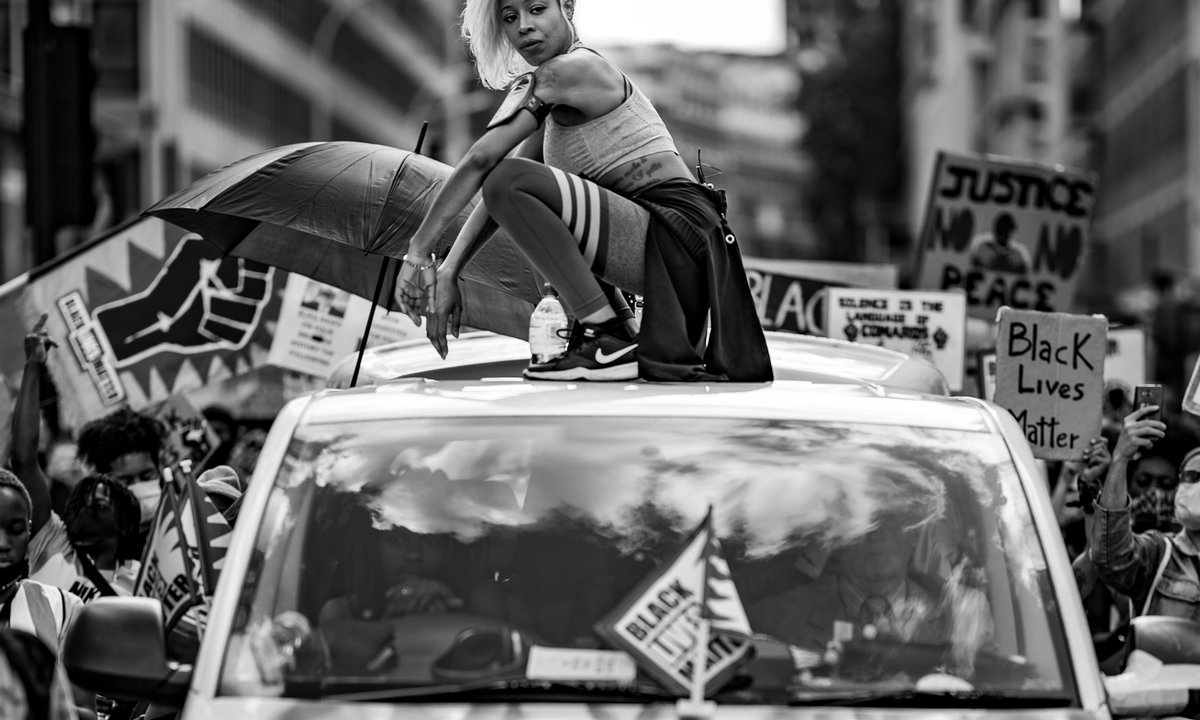
1 month agoThe camera is my weapon of choice': Gordon Parks' era-defining shots of segregation and those who defied it
Gordon Parks' 1956 photographs of racial segregation in Alabama document Jim Crow South injustices and remain relevant amid contemporary historical revisionism and censorship.
Photography
fromwww.theguardian.com
1 month agoFrom bustling Venice Beach to gas station shrines: Alex Frayne's photographic exploration of America
South Australian photographer Alex Frayne documents America's fractured psyche through three years of analogue photography across nine states, focusing on western, southern, and Bible belt regions.
fromColossal
3 weeks ago'The Language We Share' Traces a Photographic Lineage Between Gordon Parks and Beverly Price
I saw that the camera could be a weapon against poverty, against racism, against all sorts of social wrongs. I knew at that point I had to have a camera. Parks recognized photography's potential as a tool for social change and advocacy, viewing the medium not merely as documentation but as an active means of confronting systemic injustices and giving visibility to marginalized communities.
Arts
fromwww.theguardian.com
3 weeks agoAct Black: posters of Black Americans on stage and screen in pictures
Many of these posters are the only surviving proof of certain shows, with no recordings of plays, and certain films, having been lost over time. They offer a history of Black Americans trying to counter harmful stereotypes and provide vital and humanizing contributions to a growing Black culture.
Arts
fromJuxtapoz
1 month agoJuxtapoz Magazine - Robert Williams: Fearless Depictions @ Long Beach Museum of Art, Long Beach
The Long Beach Museum of Art is pleased to present Jux founder Robert Williams: Fearless Depictions, a survey exhibition featuring 57 paintings spanning from 2001 to the present, along with two large-scale sculptures by the iconic Southern California artist. Robert Williams ' epic, cartoon-inspired history paintings draw deeply from American vernacular culture and its visual slang, using concrete, relatable, and often absurd imagery to deliver sharp social commentary.
California


Design
fromwww.amny.com
2 months agoBetween Worlds': Musah Swallah art exhibit in Chelsea shows the transformation of surface into message amNewYork
Musah Swallah uses canvas, wood, and cork to foreground material history while making saturated color the structural, inheriting and advancing modern and African painting lineages.
fromTravel + Leisure
1 month ago19 of the Best Museums in Los Angeles for Every Interest, According to Local Experts
Los Angeles has so much more to offer culture-wise beyond movies and music-it actually has more museums per capita than any other city in the United States, including Washington, D.C., and New York City. Part of the magic of L.A. is its stunning diversity, which equates to an exciting mix of subjects and art forms. From Miracle Mile's Museum Row to Downtown and beyond, there are museums in L.A. showcasing everything from cutting-edge art and contemporary craft to classic cars and Hollywood history.
Los Angeles
Film
fromThe Art Newspaper - International art news and events
2 months agoUS National Portrait Gallery reveals winner of its triennial portraiture award
Brooklyn-based artist Kameron Neal won the 2025 Outwin Boochever Portrait Competition for his two-channel video installation Down the Barrel (of a Lens).
Fashion & style
fromJuxtapoz
2 months agoJuxtapoz Magazine - Glenn Hardy Jr. "Building Identities Through Style" @ Charlie James Gallery, Los Angeles
Style and presentation function as social shorthand that both enables belonging and exposes conditional acceptance, especially for Black bodies navigating judgment and aspiration.
fromLos Angeles Times
3 weeks agoHis portrait of MLK in a hoodie went viral. Now he shares a message in his Downtown Disney art
They had to learn how to read drawings upside down, because they weren't allowed to sit next to the white clients. So I was incorporating things like the half doorway to symbolize their struggle. The tower is a nod to five Black architects, trailblazers whose creations sometimes went unnoticed or overlooked.
Arts
Arts
fromdesignboom | architecture & design magazine
3 weeks ago'horizons' at perrotin LA to show JR's california works from prison yards to border wall
JR's 'Horizons' exhibition at Perrotin Los Angeles showcases large-scale photographic artworks created across California, transforming public spaces by placing enlarged portraits of individuals and communities onto architectural and landscape surfaces.
Graphic design
fromBerlin Art Link
2 months agoReview Jaune Quick-to-See Smith at Fruitmarket | Berlin Art Link
Jaune Quick-to-See Smith advanced Indigenous rights and environmental justice through four decades of art, activism, curation, and teaching, blending language, collage, and Indigenous knowledge.
Arts
fromHi-Fructose Magazine - The New Contemporary Art Magazine
4 weeks agoF. Scott Hess: Art History & The Dreams of a Reluctant Realist - Hi-Fructose Magazine
Artist F. Scott Hess transformed a 40-year-old fever dream about art history into a detailed 54" x 96" painting that explores his complex relationship with artistic legacy and fame.
fromHyperallergic
1 month agoIn Conversation: Will Wilson
Wilson's work reexamines how Native peoples have been photographed and represented over time. Using modern photographic techniques and digital media, he responds to Curtis's influential project The North American Indian (1907-1930), inviting viewers to reflect on questions of identity, visibility, and who has the power to shape the images we see.
Arts
Arts
fromThe Art Newspaper - International art news and events
1 month agoAt Frieze Los Angeles, Greg Ito's bright baggage carries hope
Greg Ito's installation at Frieze Los Angeles uses suitcases and trunks inspired by his family's Japanese American internment camp history to explore universal themes of displacement, uncertainty, and resilience.
fromThe Art Newspaper - International art news and events
1 month ago'I rely heavily on instinct': entertainment mogul Hassan Smith on the art he collects and why
I'm looking forward to fellowshipping with fellow art enthusiasts and seeing ambitious work from galleries around the world. I'm especially excited for the Collector X Dinner, which always brings together some of the most thoughtful voices in the art and business community.
Arts
fromHyperallergic
1 month agoDavid Driskell's Gifts to Black Art
Driskell started collecting in 1955 after taking a position as an art professor at Talladega College. As he explained in a 2017 lecture at the Whitney Museum of American Art, he put aside a small budget for art each year from his beginning salary of $3,000.
Arts
fromThe Art Newspaper - International art news and events
1 month agoWhy Robert Therrien is a big deal
He's an artist that was a major presence in Los Angeles art for almost 50 years, one of the best sculptors to emerge in this town. But he hides in plain sight. Not enough people know about what makes him the artist that he is. When we look closer at Bob's work, he was an artist that was a part of the discussion here in Los Angeles for a very long time.
Arts

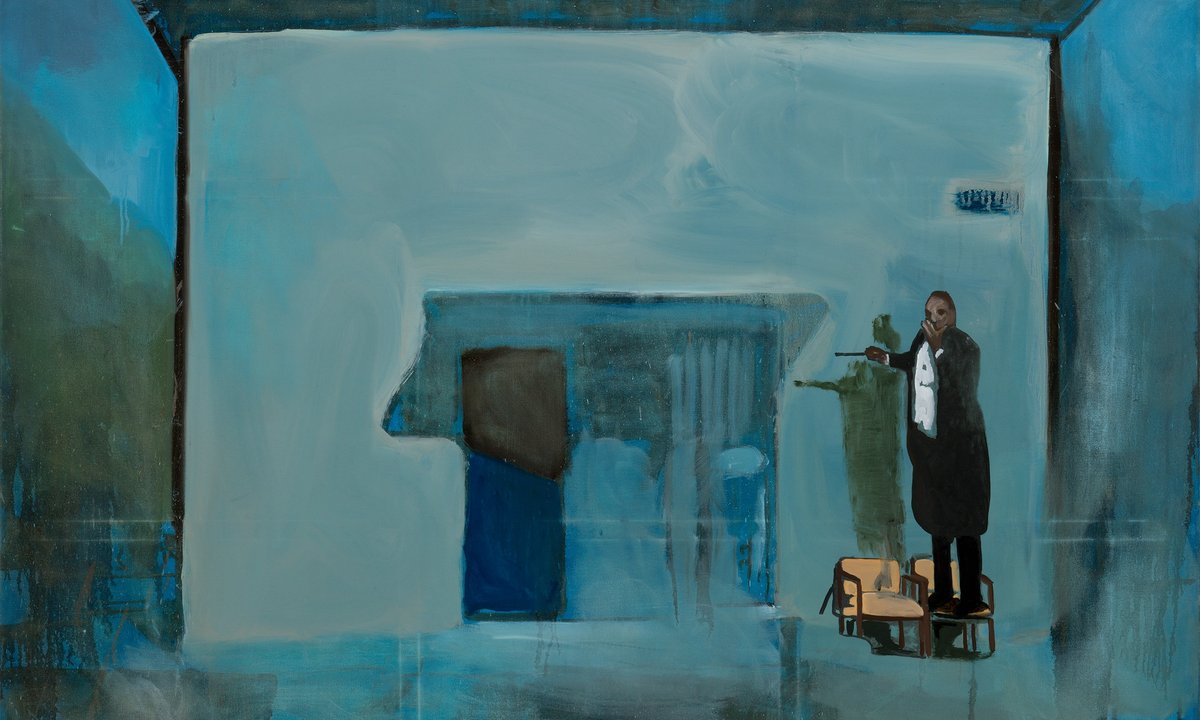
fromHyperallergic
1 month agoThis Is Not My LA Art World
We're just a week away from Frieze LA, when East Coast dealers and local artists alike descend upon the Santa Monica Airport, but this isn't Renée Reizman's first rodeo. Since the critic and artist moved to the area almost 15 years ago, she's witnessed blue-chip New York galleries set up shop and sideline the irreverent, DIY spaces that shape the local art scene. Without these spaces, Reizman writes, she would not have discovered what art can be outside of the white cube.
Arts
fromJuxtapoz
1 month agoJuxtapoz Magazine - Hayv Kahraman: Libations @ Vielmetter, Los Angeles
the artist's newest body of work responds to an urgent question precipitated by the catastrophic events of the past year: What does one do when the world collapses? The works attempt to make sense of her experience of the fire and its enduring aftermath, while continuing her exploration of the poetics of loss, displacement, and migration. Kahraman views these works as an offering, a libation, to a burning world.
Arts
fromColossal
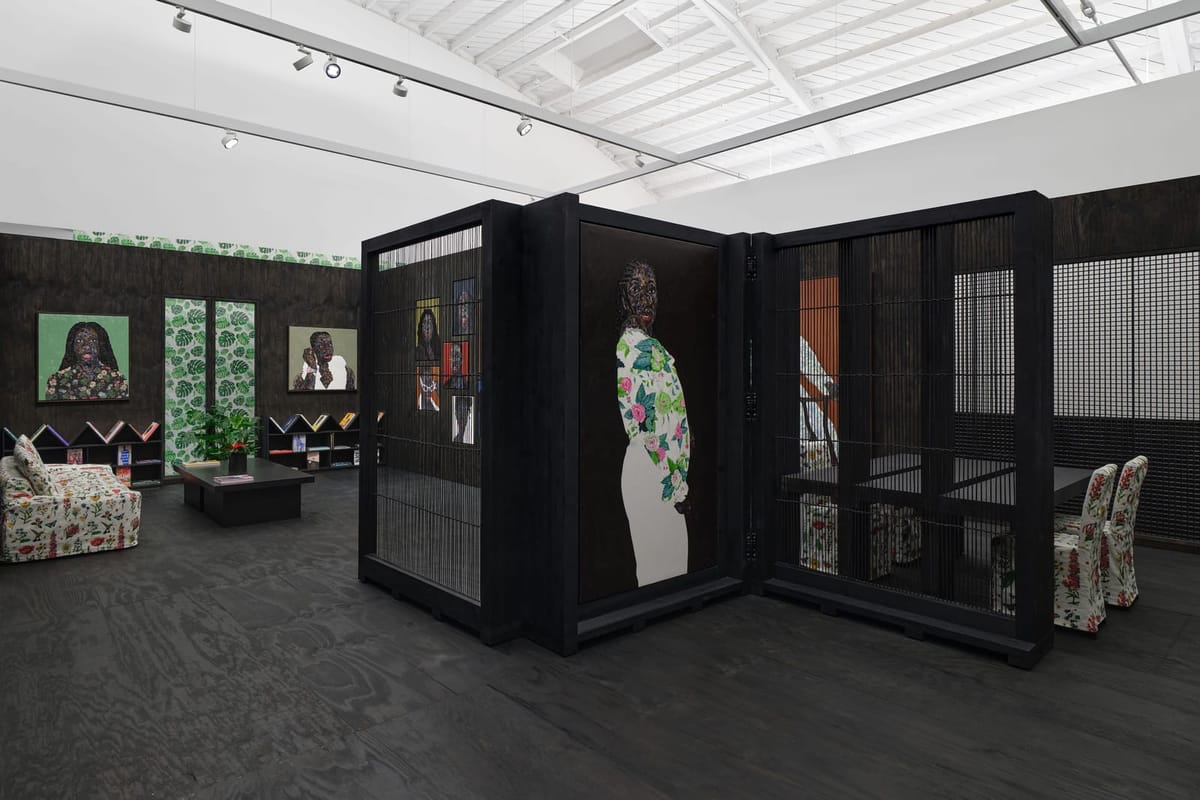
1 month agoAmoako Boafo Weaves His Portraiture into an Architectural Replica of His Accra Studio
Although this truism is typically offered as a negative, it can also be read as a positive that provides comfort and stability amid new environments. In I Bring Home with Me, Ghanaian artist Amoako Boafo recreates his Accra studio in an architectural reproduction within Roberts Projects ' Los Angeles gallery. Boafo is known for his stylized portraiture of Black people, whose skin the artist renders in swirling gestures made with his fingers.
Arts
fromHi-Fructose Magazine - The New Contemporary Art Magazine
2 months agoPedro Pedro transforms The Everyday into Vibrant Inanimate Portraits - Hi-Fructose Magazine
One of the great things about making art is discovering something that sprang from seemingly nowhere. In retrospect it looks logical but in the moment it's an epiphany and suddenly it's exciting to explore it. My studio is across the street from Creative Woodworking and they have a box where they put scrap wood for anyone who wants it and it's irresistible to me.
Arts
fromJuxtapoz
2 months agoJuxtapoz Magazine - Israel Campos "Echoes" @ Charlie James Gallery, Los Angeles
These paintings reveal the layers of history that undergird modern Los Angeles. Yaanga Lies Under the 101 imagines the city's earliest Tongva inhabitants as they made their home on the land that, in the modern day, runs beneath the Hollywood Freeway. Campos's process mimics this archaeological layering: each canvas begins with a screenprinted underlayer that is then painted over in acrylic, and then once again layered with screenprinted details.
Arts
Arts
fromHi-Fructose Magazine - The New Contemporary Art Magazine
2 months agoPainting From The Inside Out With Christian Van Minnen - Hi-Fructose Magazine
Paintings juxtapose bruised, tumorous flesh with forbidden fruits and gummy forms to create disorienting, alluring yet repulsive surrealist imagery.
fromJuxtapoz
1 month agoJuxtapoz Magazine - Left Open: Lily Taylor @ Monya Rowe Gallery, NYC
The paintings are charged with potential discomfort- from middle school angst to family dynamics. The work wrestles with the nebulous nature of memory and piecing together the past. Taylor embraces the power of sentimentality and nostalgia, but also confronts the complexity of misunderstood communication. Even shared experiences can be perceived vastly differently. By looking to the past we can begin to better understand ourselves, and those around us.
Arts
fromHyperallergic
2 months agoHere's Why the LA Art Show Is Worth Your While
The 31st edition of the LA Art Show is back this week at the downtown Convention Center, more than a month before Frieze, Felix, and Post-Fair roll into town. Although it is LA's longest-running art fair, the show is somewhat of an outcast, snubbed as pedestrian, too commercial, and out of touch with the cutting edge of the global art world. But at the rear of the cavernous exhibition hall, a pair of projects organized by curator Marisa Caichiolo gives visitors a sense of the fair's cultural and political relevance.
Arts
Arts
fromHi-Fructose Magazine - The New Contemporary Art Magazine
2 months agoPop Surrealist Todd Schorr Paints the Unusual & The Arcane - Hi-Fructose Magazine
A surreal, exuberant collage mixes apes, hot rod and surfer culture, cartoons, monsters, and nuclear-age symbols to celebrate unconscious imagination and playful daydreaming.
fromThe New Yorker
2 months agoPeter Doig's Histories of Ink
One recent weekday morning, the British painter Peter Doig arrived at a bonded warehouse-a cavernous brick building-about a mile south of the River Thames, but not subject to the import taxes of the United Kingdom. He buzzed through security and entered a windowless white room, where he settled in for a long day. Awaiting him were a series of etching prints that had been brought over from the United States to be signed by Doig before being put up for sale.
Arts
[ Load more ]