#hezbollah-affiliated-institutions
#hezbollah-affiliated-institutions
[ follow ]
#iran #hezbollah #lebanon #israel #middle-east-conflict #military-conflict #iraq #conflict #military-strategy




#iran


World news
fromLondon Business News | Londonlovesbusiness.com
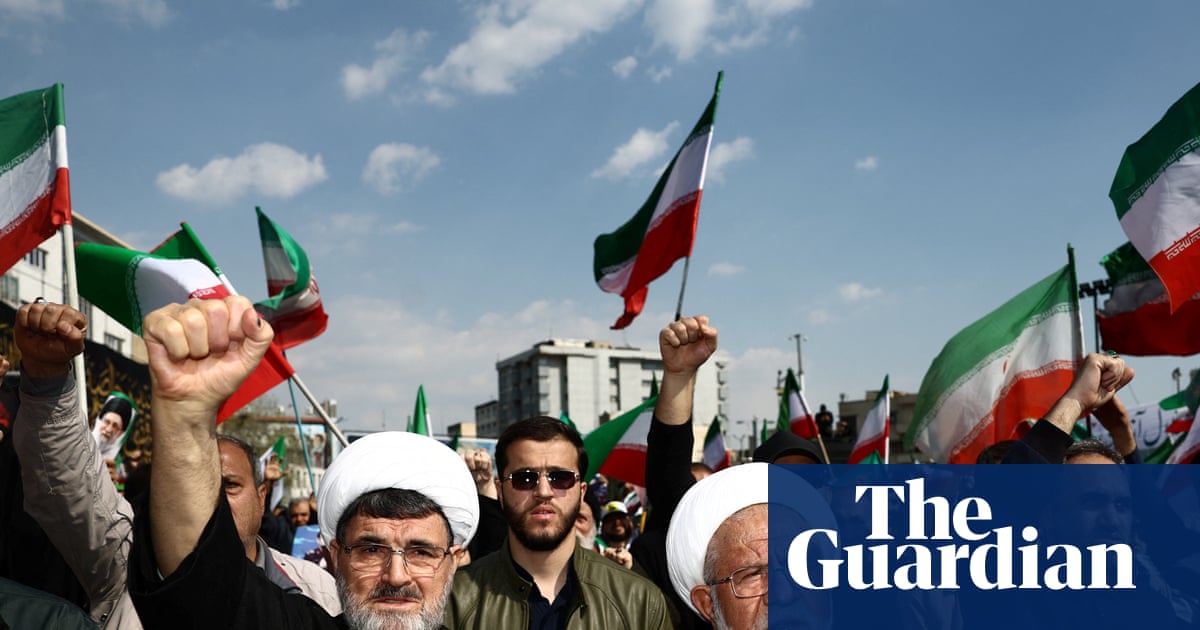
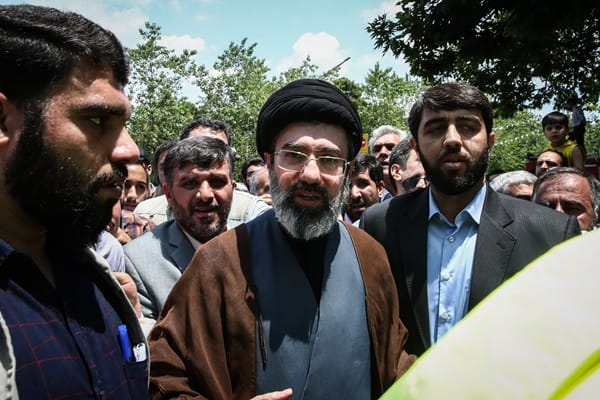
14 hours agoIran has no leadership as Mojtaba Khamenei likely suffered amputations and brain injuries - London Business News | Londonlovesbusiness.com
Iran faces a leadership crisis following the Israeli strike that reportedly killed Ali Khamenei, with uncertainty surrounding Mojtaba Khamenei's ability to lead.
fromwww.dw.com
1 week agoIran war: Houthis claim attack on Israel
Trump criticized German Chancellor Friedrich Merz for declining to provide military support to secure the Strait of Hormuz, stating, 'This is not our war.' He misattributed this line to Merz, as it was actually said by Defense Minister Boris Pistorius.
Germany news


fromwww.npr.org
2 weeks agoAs overseas terrorists regroup, is the Iran war increasing danger in the U.S.?
Increasingly we are seeing less indicators of large-scale organized, complex threats or attacks, and instead [have seen] efforts focused on individuals either who have been radicalized by Islamist propaganda and may not have ever had contact with ISIS or al-Qaida, for example; and others who have had contact, of which we are able to have more indications of.
Right-wing politics
#us-iran-conflict


World news
fromwww.theguardian.com
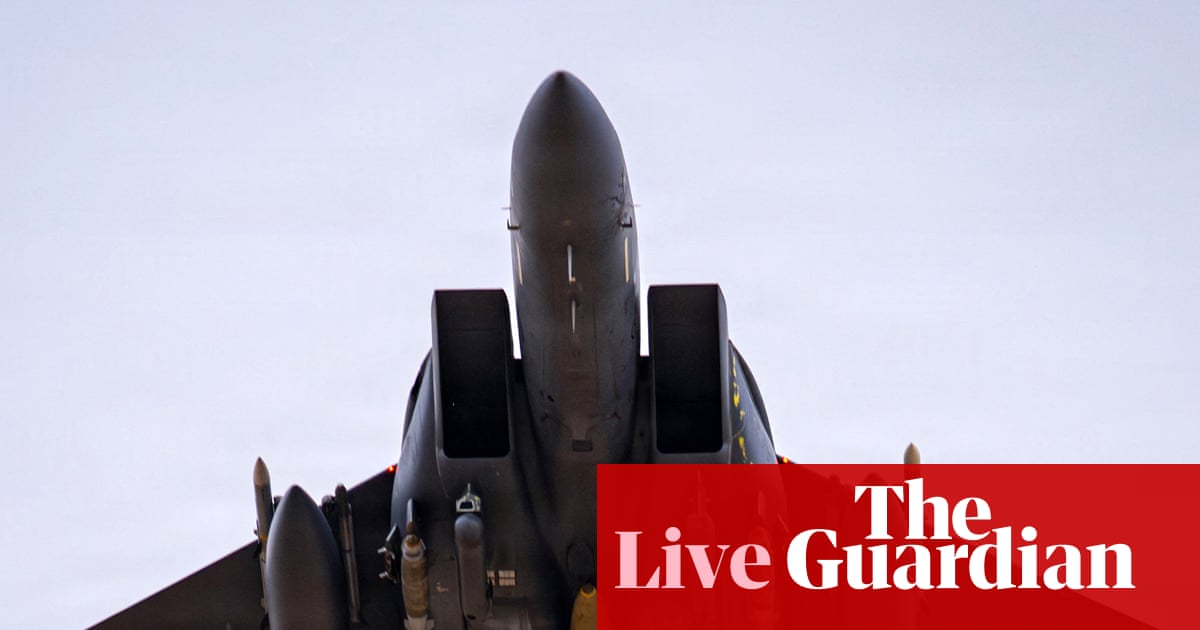
1 day agoMiddle East crisis live: US and Iranian forces race to recover missing pilot from downed jet; Israel bombards Beirut
The US-Iran conflict escalates with military actions, including downed aircraft and strikes on economic sites, impacting global energy supplies.
fromThe Atlantic
1 day agoThe Iranian Opposition's Urgent Task
Pahlavi pledged to lead a transition to a 'free and democratic Iran.' He called on President Trump to continue the American-Israeli military operation against Iran, in the hope of displacing a regime he decried for placing a 'sea of blood' between itself and its people.
World news


fromThe Atlantic
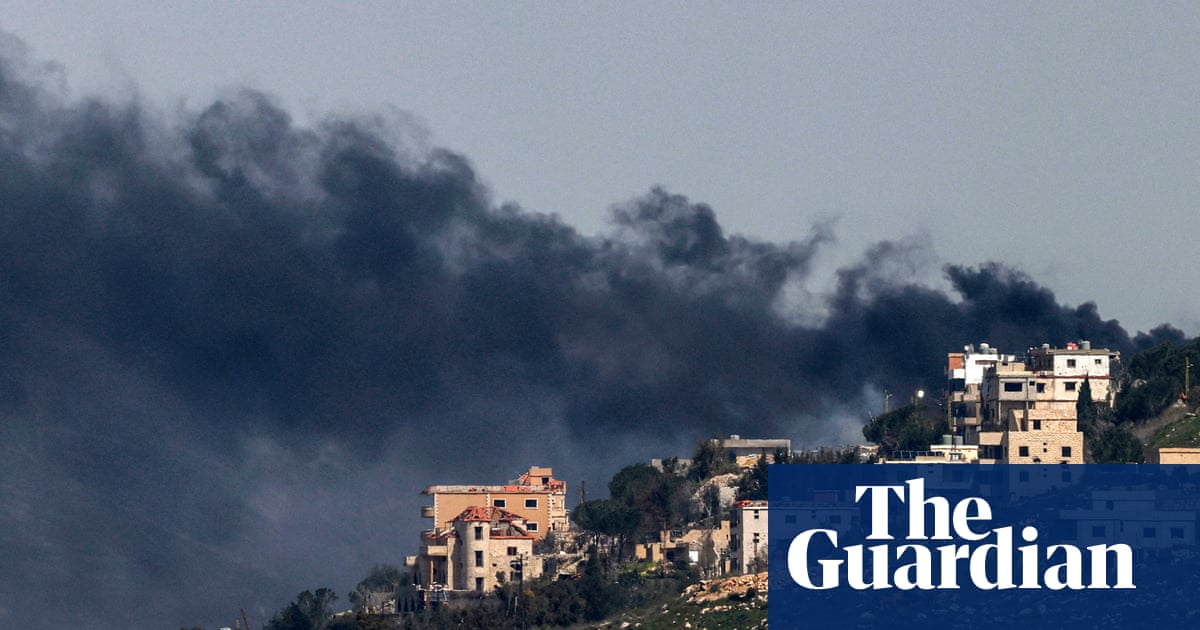
2 weeks agoIran's War Is Not Only With the West
For us who lived under the siege of the Iranian-backed militias, this looks completely different, so our happiness for the death of Khamenei was immense. Western audiences and policy makers naturally take greater interest in Western victims and the threats Iran poses to the West. However, the imbalance of power between Iran and the West means that Iran has caused relatively limited harm to Western interests since its 1979 revolution.
World politics
#lebanon-humanitarian-crisis


France politics
fromThe Washington Post
3 weeks agoWar against Iran expands into Lebanon as Israel battles Hezbollah
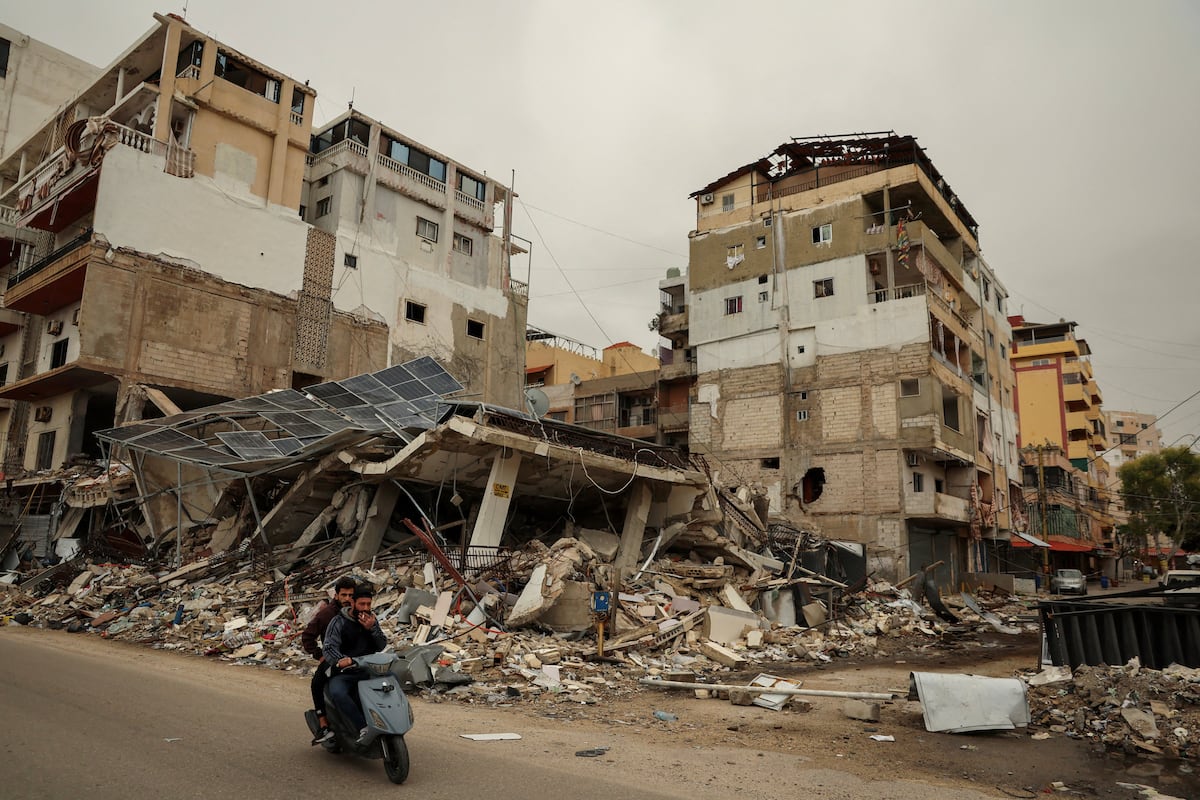
Over 630 people killed in Lebanon within a week as Israeli military operations intensify following Hezbollah rocket attacks, displacing 800,000 residents and prompting desperate diplomatic appeals for ceasefire intervention.
fromwww.aljazeera.com
1 month agoHezbollah's risky return to the battlefield
The ongoing United States-Israel attack on Iran, triggered by the assassination of Iran's supreme leader last Saturday, has rekindled military and political action between Lebanon and Israel, as Hezbollah again takes centre stage while facing the most existential crisis in its history. Every aspect of Hezbollah's political position in Lebanon, its military capabilities, and its war plans against Israel is now under intense scrutiny from regional and domestic actors.
World politics
France politics
fromwww.dw.com
3 weeks agoLebanese brace as Hezbollah-Israel attacks escalate
Israeli strikes on Lebanon following Hezbollah attacks have killed hundreds, displaced over 750,000 people, and created a severe humanitarian crisis affecting civilians including children with medical vulnerabilities.
#israel-lebanon-conflict


France politics
fromwww.aljazeera.com
4 weeks agoIs Israel reshaping Lebanon, trying to separate Hezbollah from its people?
Israel's military operations in Lebanon involve mass displacement, bombardment, and territorial expansion aimed at reshaping the country's demographics and weakening Hezbollah's support base.
World news
fromwww.independent.co.uk
1 month agoIsrael sends troops into southern Lebanon as Hezbollah says it is ready for open war
Israel deployed additional troops into southern Lebanon and ordered evacuations from over 80 villages as Hezbollah declared readiness for open war, following escalating rocket and airstrike exchanges.
France politics
fromwww.aljazeera.com
4 weeks agoHezbollah, Israeli troops clash on the ground in eastern Lebanon's Bekaa
Israeli air raids on Lebanon's Nabi Chit killed at least 16 people and wounded 35, with clashes erupting as Israeli forces attempted a landing operation near the Lebanon-Syria border involving Hezbollah fighters.
World news
fromwww.aljazeera.com
2 weeks agoIran war: What is happening on day 19 of US-Israel attacks?
Iran vows revenge after Israeli strikes kill security chief Ali Larijani and Basij commander Gholamreza Soleimani, with the conflict expanding regionally as Iran and allied groups launch missiles and drones across the Gulf.
#hezbollah-disarmament
France politics
fromwww.aljazeera.com
1 month agoLebanon's ban on Hezbollah activities': bold but difficult to implement
Lebanon's government banned Hezbollah's military activities, but implementation faces significant obstacles as the army shows reluctance to enforce the decision against the Iran-backed group.
France politics
fromwww.aljazeera.com
1 month agoLebanese PM Nawaf Salam announces ban on Hezbollah's military activities
Lebanon's Prime Minister Nawaf Salam banned Hezbollah's military activities and declared all such operations illegal following the group's attacks on Israel and subsequent Israeli air strikes on Beirut.
World news
fromenglish.elpais.com
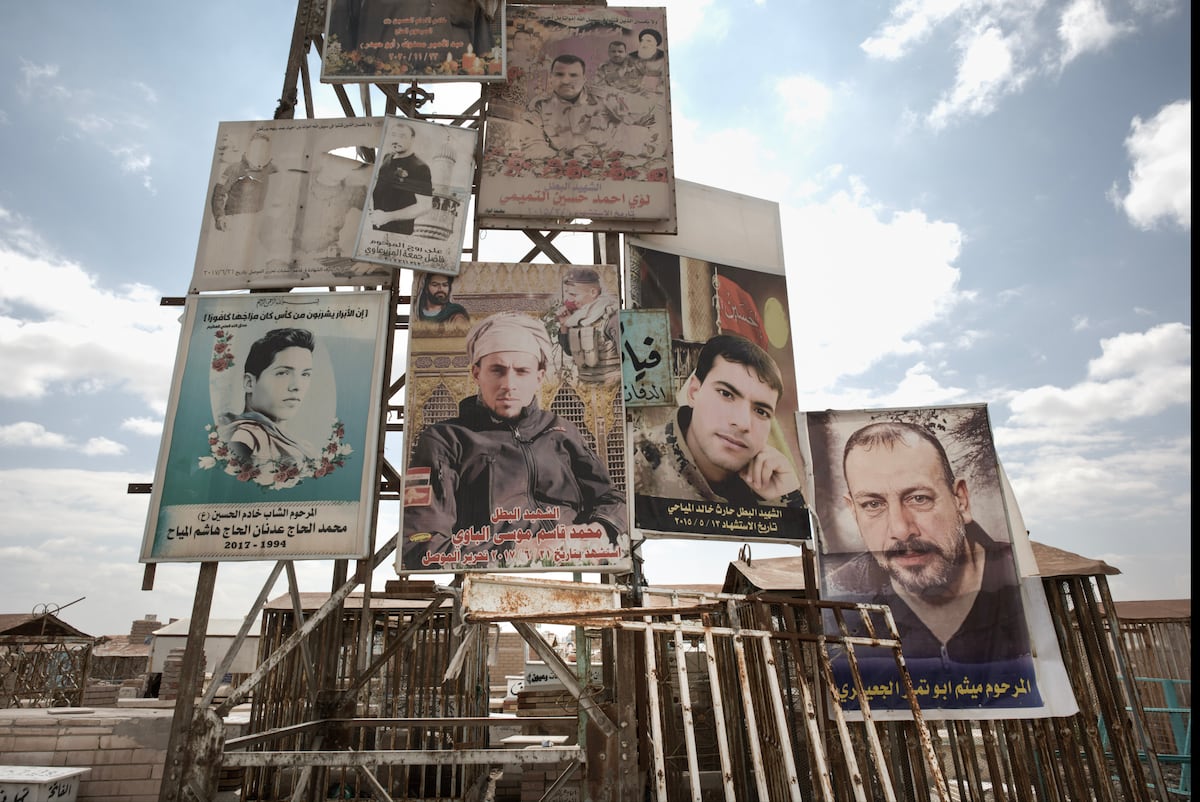
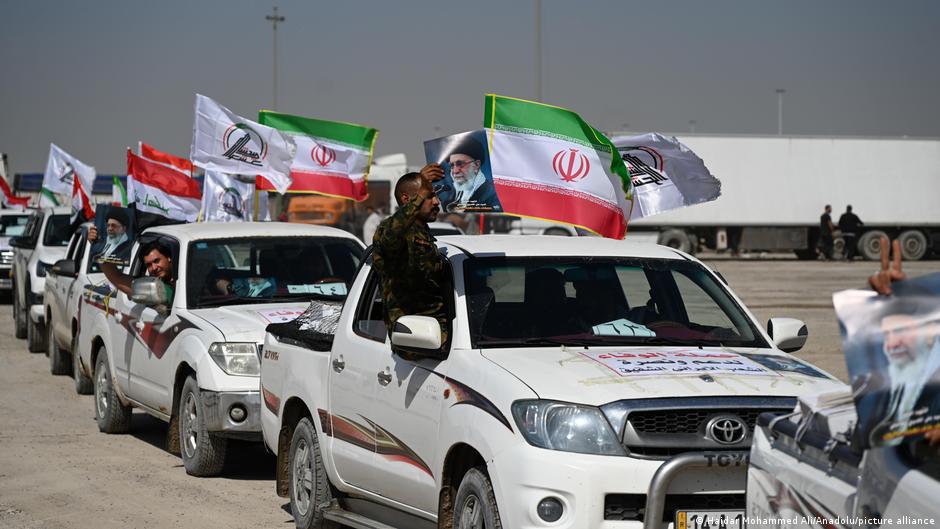
1 month agoThe network of Shiite militias that Iran can activate against the US and Israel
The U.S. and Israel launched major combat operations against Iran, risking regional war through escalating attacks and reprisals, with Tehran considering strikes on U.S. bases, Israel, Gulf allies, or Strait of Hormuz disruption.
[ Load more ]