#hibernationseasonal-thaw
#hibernationseasonal-thaw
[ follow ]
#climate-change #winter-storm #greenland #extreme-weather #human-wildlife-conflict #hibernation #ancient-dna
#climate-change
fromFast Company
2 months agoEnvironment
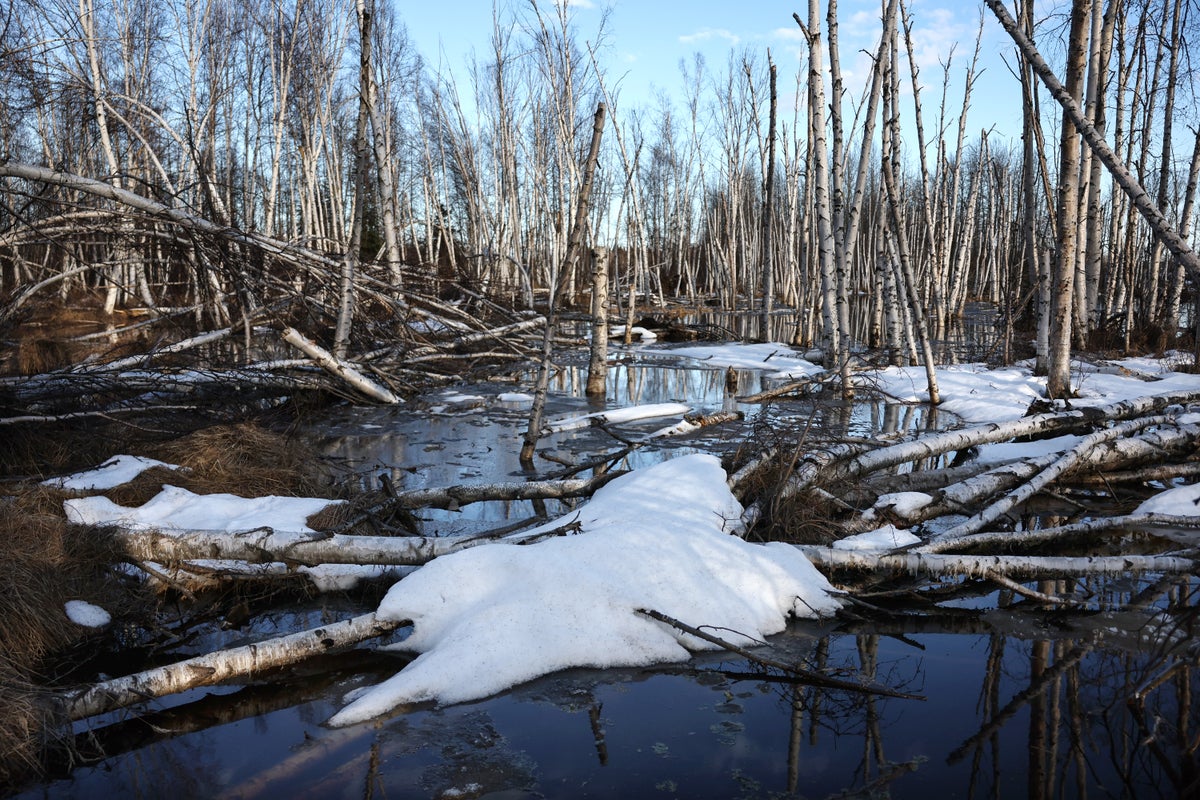
Why is it so cold if there's global warming? Extreme winter weather can deepen misconceptions about climate
Climate change increases global temperatures while also amplifying extreme cold events like Arctic blasts, causing record cold in some regions despite overall warming.

fromThe Walrus
3 weeks agoChurchill's Famous Polar Bears Left to Eat Trash | The Walrus
In April 2024, Churchill's waste management facility-an old military building known as L5-burned to the ground. Spontaneous combustion in the gaseous garbage pile was the likely cause. The warehouse had been capable of storing up to three years' worth of the town's garbage at a time. Overnight, the town's 900 or so residents were left with nothing.
Canada news
fromwww.independent.co.uk
3 weeks agoBees can breathe underwater for a week, scientists discover
This study started from a discussion with my co-author and postdoctoral researcher, Sabrina Rondeau, whose recent findings showed that these queens can survive submersion for over a week, which is extraordinary for a terrestrial insect. We wanted to understand how that's even possible.
Science
OMG science
fromFortune
3 weeks agoKing penguins are a rare species seemingly benefiting from climate change. Here's why | Fortune
King penguins are thriving by breeding 19 days earlier due to climate warming, achieving 40% higher breeding success rates unlike most species experiencing phenological mismatches.
Chicago Bears
fromHigh Country News
1 month agoCan Alaska save caribou by killing bears? - High Country News
Alaska's Mulchatna caribou herd has collapsed from 200,000 animals in the 1990s to 12,000 in 2022, devastating Indigenous subsistence hunting and prompting controversial wildlife management interventions including hunting bans and aerial predator culling.
fromWIRED
1 month agoThe Data Centers Have Arrived at the Edge of the Arctic Circle
The facility once produced paper, the raw material of the newspaper information age. Now, Borlänge will produce the raw material for AI and the next information age. This declaration by EcoDataCenter's CEO Peter Michelson symbolizes the transformation of industrial sites into critical infrastructure for artificial intelligence development and deployment.
European startups
fromwww.scientificamerican.com
4 weeks agoThe surprising science behind why daylight saving time is good for wildlife
Animals' risk of becoming roadkill depends on several factors, including how many vehicles are on the road, how many animals are on the road, and how animals and human drivers behave, explains Tom Langen, a professor of biology at Clarkson University, who studies animal-vehicle collisions. DST can minimize these collisions, however.
Pets
Environment
fromwww.theguardian.com
1 month agoA real dark situation to be in': thousands of starving seabirds stranded in biggest wreck' in a decade
Tens of thousands of seabirds, primarily puffins, have washed ashore across European coastlines due to starvation caused by severe Atlantic storms disrupting their ability to hunt.
fromPsychology Today
2 months agoRethinking Winter
The holiday hustle, bustle, and distractions have come to a halt, and the stillness of winter is starting to set in. The winter season can also be a beautiful time of year for some, with cozying up by the fireplace, enjoying the crisp winter air, and engaging in outdoor activities unique to the season. But for others, the shorter amount of daylight, cold weather, lack of greenery, cabin fever, fewer outdoor activities, and slower pace can begin to wear on them as the season progresses.
Mental health
fromwww.theguardian.com
2 months ago'Long johns for my fingers': what people are wearing in the world's coldest places
If anyone knows exactly what to wear to stay warm in cold weather, it's the people who live in these places. So I asked seven writers who reside in some of the coldest cities on Earth to recommend the gear they swear by. One writer in Mongolia wore a pair of foot warmers on a nine-day dog sledding adventure. Another in Winnipeg, Canada, shared a pair of gloves she's dubbed long johns for your fingers.
Fashion & style
fromThe Atlantic
1 month agoThe Blind Spot at the Top of the World
He had flown in from Mar-a-Lago and, he told me, was there to observe. The next day, he watched as Åsa Rennermalm, a Rutgers University professor who studies polar regions, sat onstage with European foreign ministers and spoke out against cuts to U.S. science funding. "A leading US Arctic scientist is on stage absolutely ripping her country to the delight of the audience," Dans wrote on X. "Embarassing." He punctuated his post with an American-flag emoji.
US politics
US news
fromBusiness Insider
1 month agoI was born and raised in Alaska. People are often surprised to learn about what my life there was really like.
Alaska features both extensive urban life and wilderness, with frequent flying and common small-plane ownership, and persistent misconceptions about daily life.
fromwww.theguardian.com
2 months agoHow to stay warm while exercising outdoors: 16 expert tips for running, hiking and swimming
There's a glorious smugness that can only be experienced by exercising outdoors in winter conditions. The fresh air, the endorphins, the reduced risk of heart disease they're all nice bonuses, but nothing beats that knowing nod from another rain-drenched runner, or the horrified faces of nearby dog walkers as you stride confidently into the sea for a winter dip.
Running

fromApartment Therapy
2 months agoMy "OBW" Method for Getting Outside Works Every Winter (And Makes Me Actually Like the Cold)
There's a particular kind of winter quiet that settles in around January - a soft, heavy stillness that seems to press itself against windows that look out into a muted world of dull skies and bare branches. The idea of stepping outside feels like far more effort than it should. Inside, the air feels warmer, and my home becomes a nest made of cozy blankets, soft lamplight, and familiar corners.
Mental health
fromArs Technica
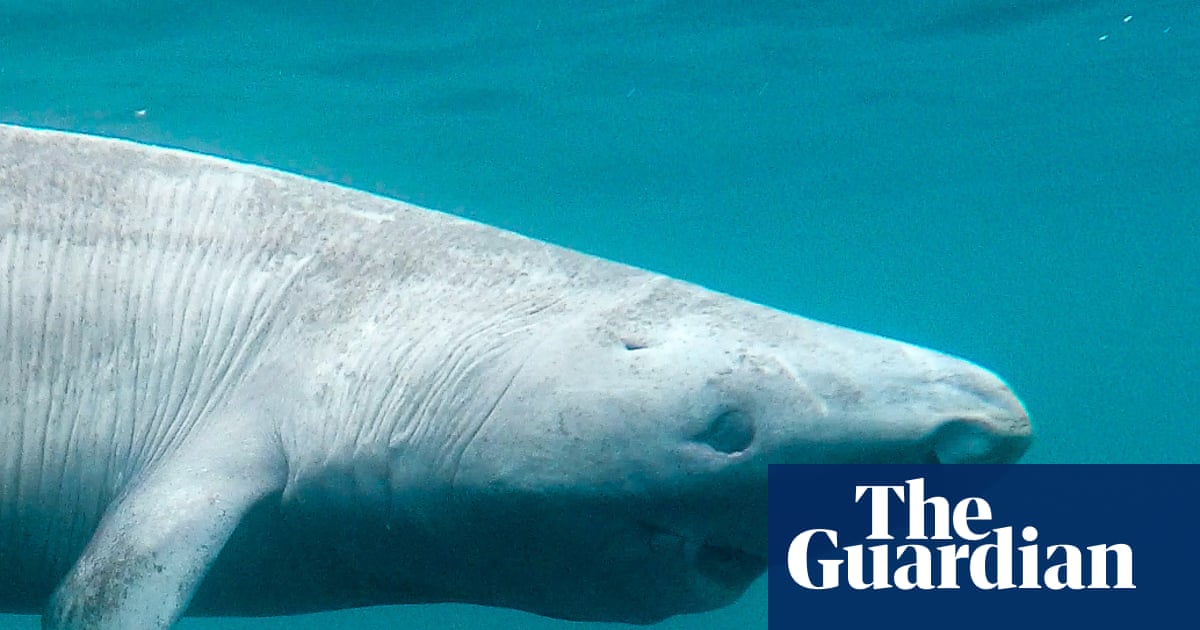
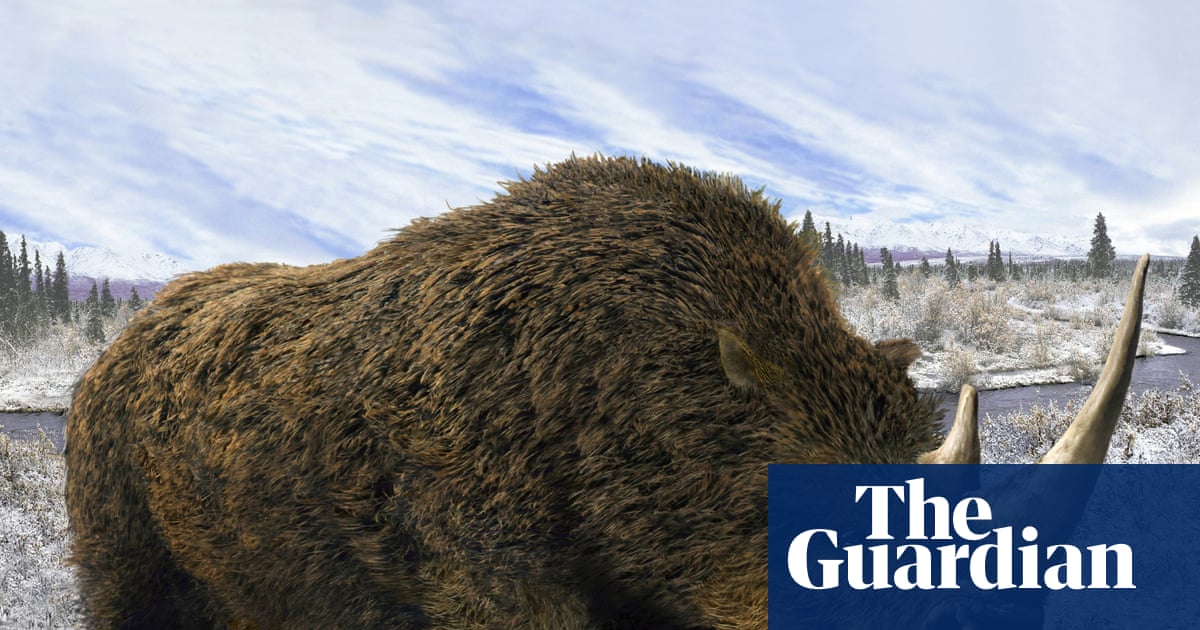
1 month agoScientists hunting mammoth fossils found whales 400 km inland
At first glance, it looked like Wooller and his colleagues might have found evidence that mammoths lived in central Alaska just 2,000 years ago. But ancient DNA revealed that two "mammoth" bones actually belonged to a North Pacific right whale and a minke whale-which raised a whole new set of questions. The team's hunt for Alaska's last mammoth had turned into an epic case of mistaken identity, starring two whale species and a mid-century fossil hunter.
Science
fromThe Walrus
2 months agoWhat a Standoff with a Black Bear Taught Me about Life in Northern Alberta | The Walrus
I was five years old when I had my first encounter with a black bear. In the spring of 1990, my father, a wildlife biologist, brought home an orphaned three-month-old cub in a cardboard box. The cub's mother, having burrowed beneath the roots of an old tree, had been killed in the den by a logging excavator, but the cub, weighing barely more than a bag of apples, survived. Forestry workers caught the young bear and dropped it off at the Fish and Wildlife office in Peace River, Alberta, where my dad worked, and he called my mom with the news.
Miscellaneous
fromwww.scientificamerican.com
2 months agoSvalbard's polar bears are showing remarkable resilience to climate change
Polar bears are the poster children of climate changeand for good reason. These giant bears hunt, mate and spend their days hanging out on Arctic sea ice, which is rapidly disappearing as the climate warms. But some polar bears, it seems, are far more resilient than we realized: new research suggests that in one region, the bears are adapting to the declining sea ice.
Environment
Public health
fromSilicon Canals
1 month agoFebruary freeze alert: why this weekend's temperatures are more dangerous than snow - Silicon Canals
Extreme cold causes silent, life-threatening harm (hypothermia, frostbite, organ failure) and requires more attention than visible snowstorms or supply-focused prepping.
fromSnowBrains
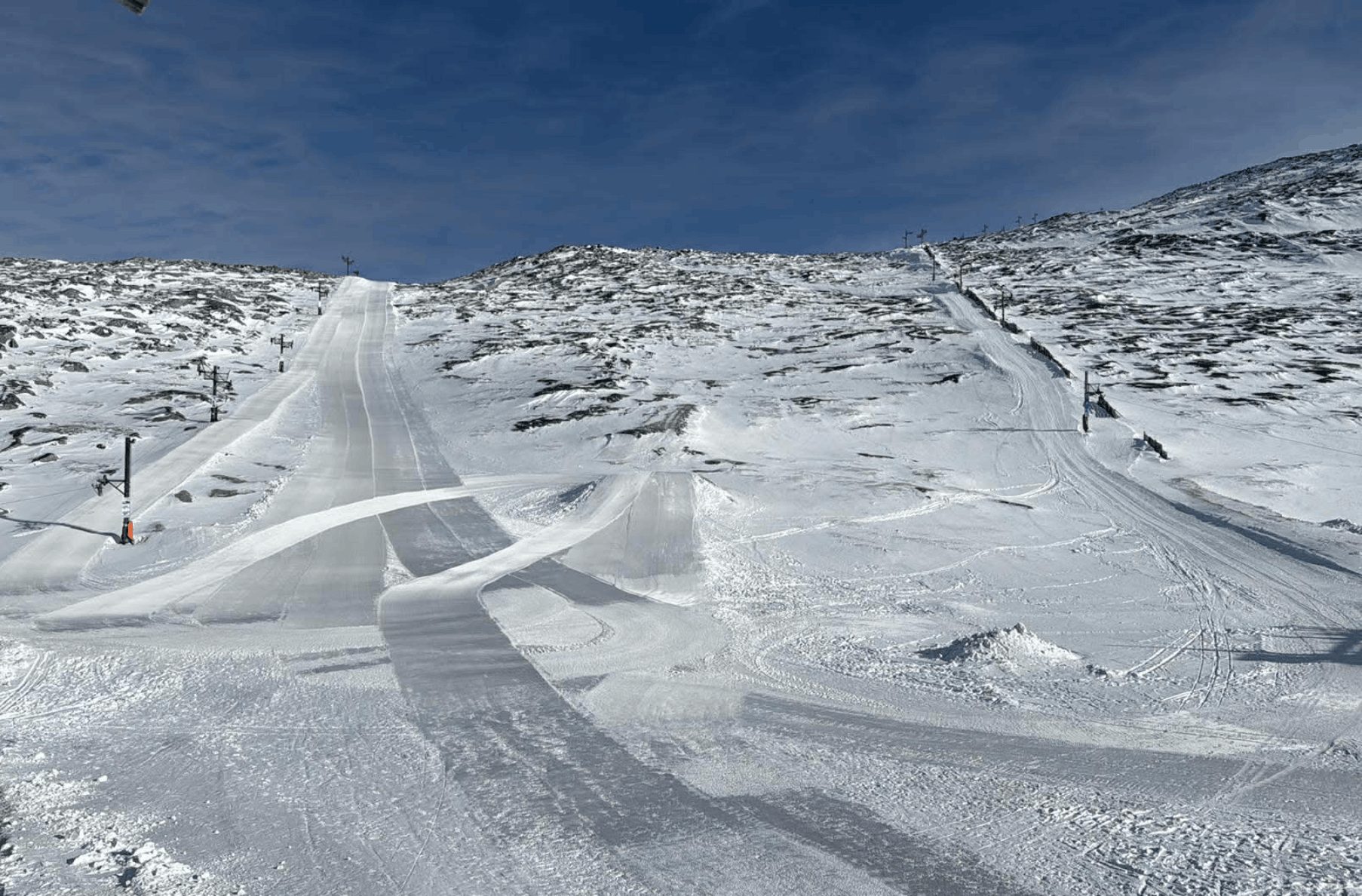
1 month agoAlaska, A Place Known for Massive Snow Totals, Records Snowiest January in Recorded History - SnowBrains
Recently, Anchorage, Alaska's largest city with nearly 400,000 residents, has just recorded its snowiest January on record. Tucked in between the mighty Cook Inlet and pushed right up against the Chugach Mountains, Anchorage sits in prime location for some serious snow totals. Moisture from pacific storms builds up over the inlet, and thanks to orographic lift caused by the mountains, forces that moisture to drop over Anchorage. Thanks to Alaska's northernly location, that moisture often falls in the form of snow.
Snowboarding
fromwww.npr.org
2 months agoFAQ: What is wind chill, and why is it dangerous?
Wind chill is a measure of how quickly bodies lose heat when you combine low temperatures with high winds. And wind chill conditions can be dangerous. "The stronger the winds [and] the colder it is, the more likely you are to develop frostbite in a short amount of time or hypothermia," says Jessica Lee of the National Weather Service's Weather Prediction Center.
Public health


fromwww.dw.com
2 months agoArctic scientists 'feel pretty uncomfortable' on Greenland
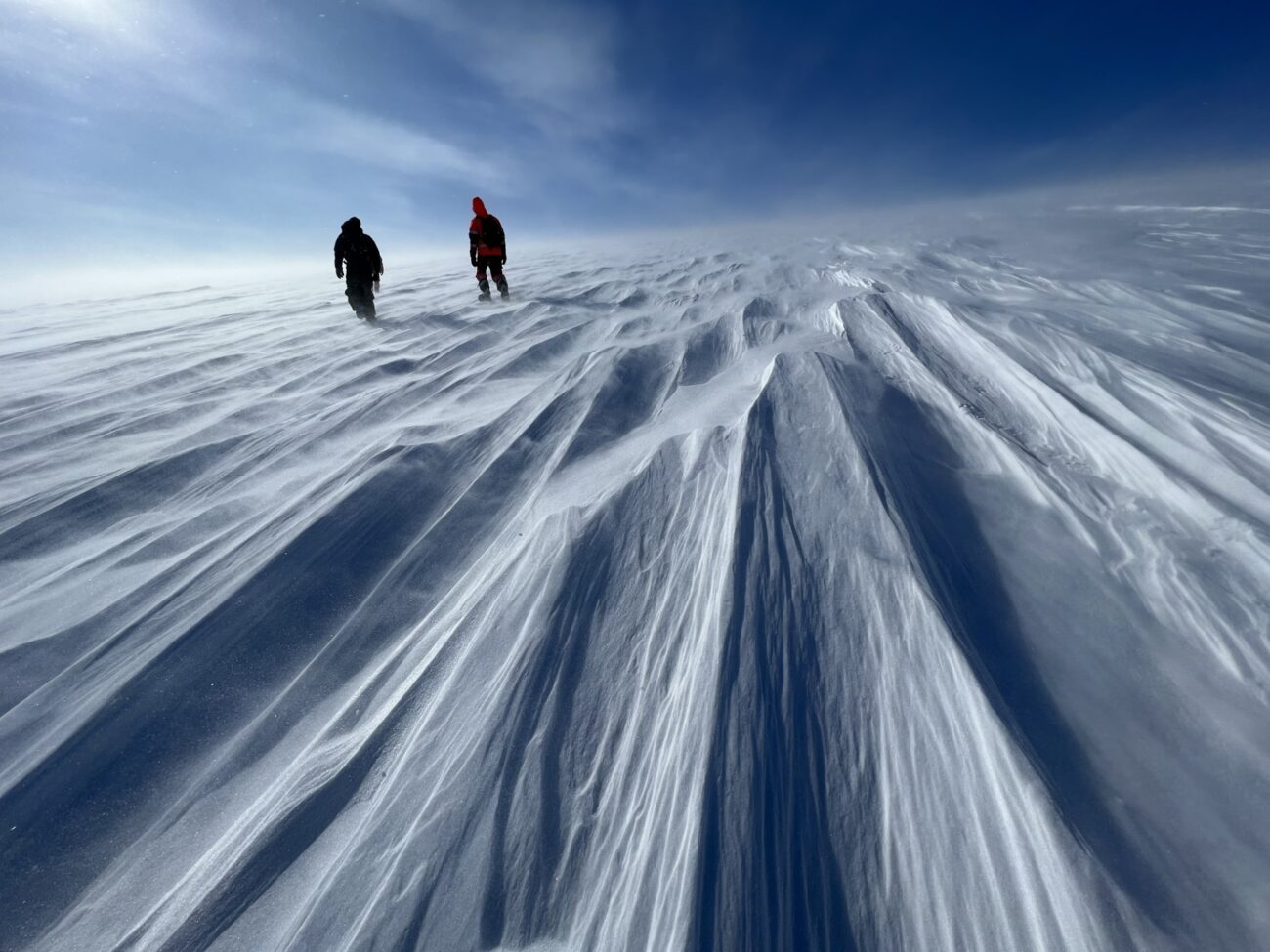
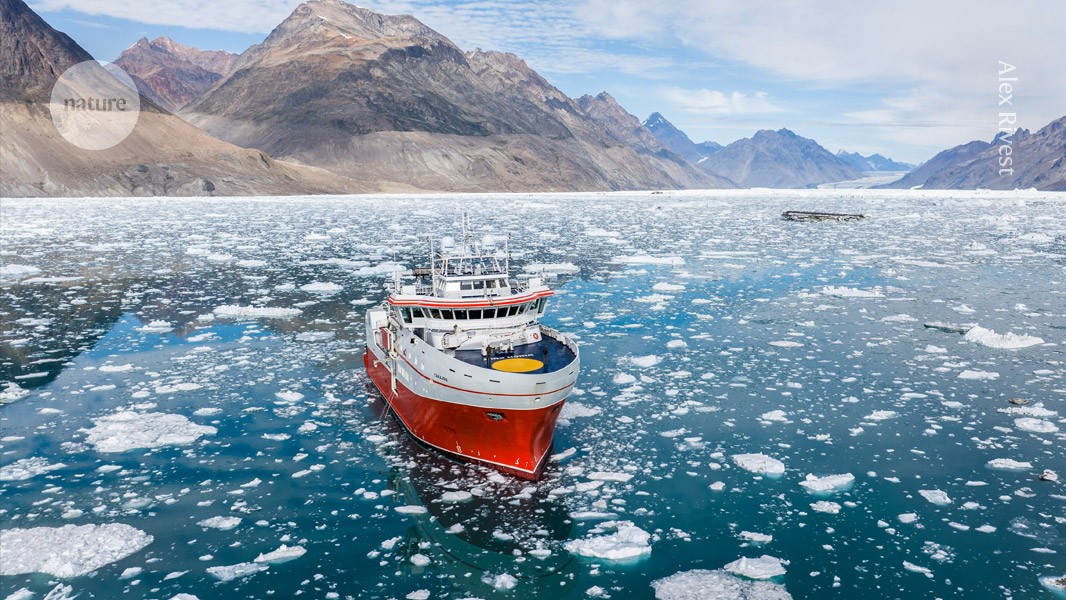
Decades of successful scientific collaboration could be at risk if Europe-US political relations continue to fray over trade and defense issues. For more than 30 years, Arctic nations have worked together across the physical, biological and social sciences to understand one of the world's fastest changing regions. Since the late 1970s, the Arctic has lost around 33,000 square miles of sea ice each year roughly the same area as Czechia.
Science
Environment
fromwww.mercurynews.com
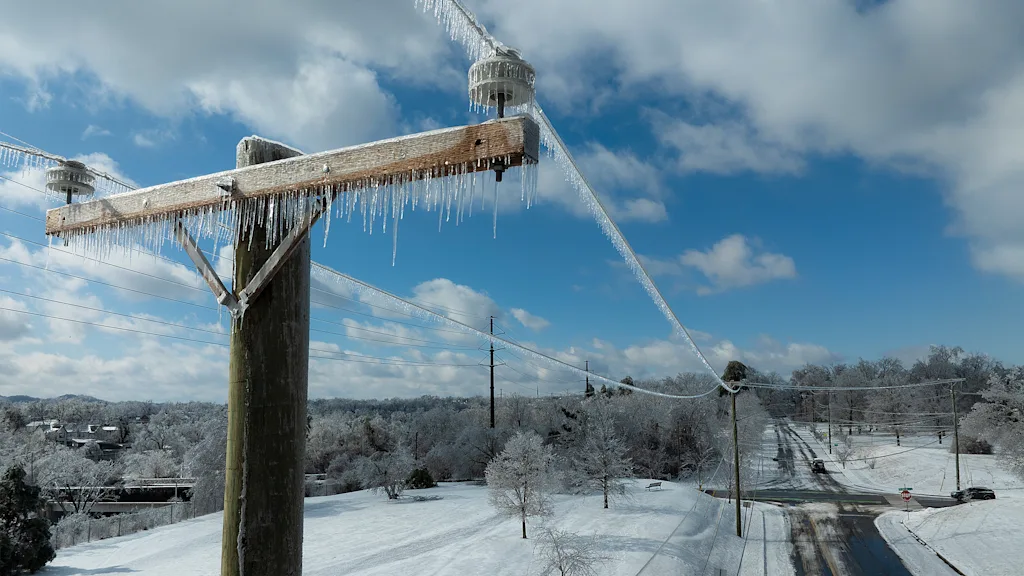
2 months agoMeteorologists blame a stretched polar vortex, moisture, lack of sea ice for dangerous winter blast
Warm Arctic waters and cold land are elongating the polar vortex, bringing subzero temperatures, heavy snow, and crippling ice across much of the United States.
fromwww.scientificamerican.com
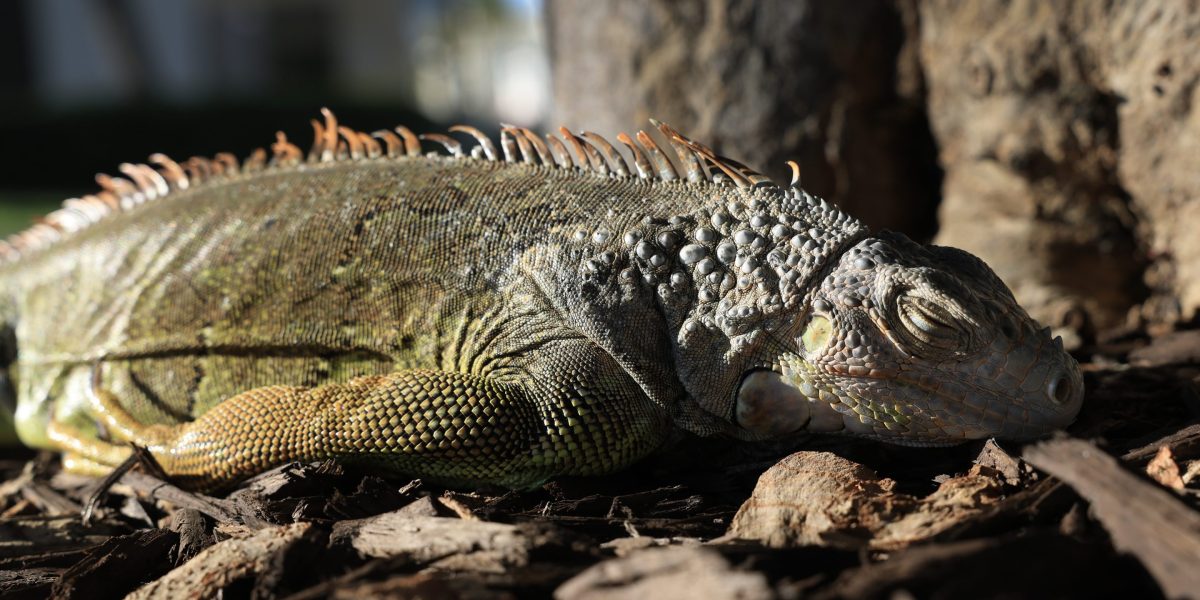
2 months agoIn Florida, the temperatures are plummeting. Iguanas might do so, too
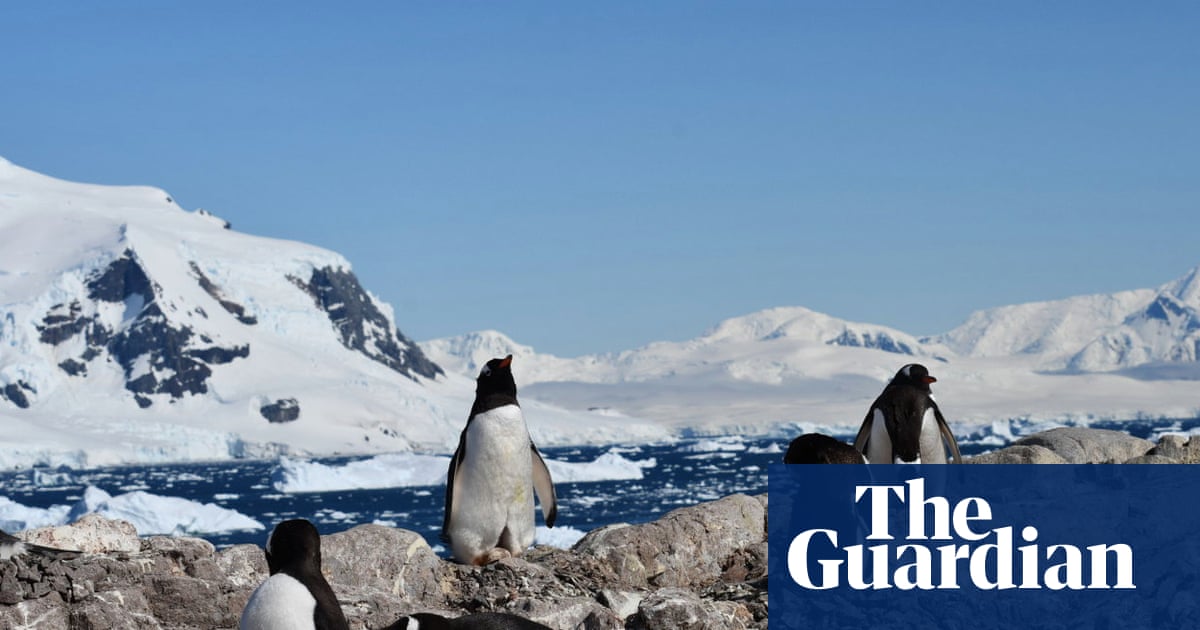
Green iguanas (Iguana iguana) are not native to the U.S. but were brought to Florida in the 1960s, where they have, for the most part, flourishedexcept, that is, when temperatures have dropped below 50 degrees F (10 degrees C). These chilly conditions can cause a cold shock in the lizards. And because the iguanas tend to sleep in trees, getting cold shocked can sometimes cause the animals to fall from the skies in an infamous Florida phenomenon.
Science

fromwww.theguardian.com
2 months agoExperience: a bear moved into my house
The next morning, I checked the critter-cams and saw the bear again, now captured by a camera I'd placed by a little mesh-covered opening near the small basement under my house. I watched as a massive shape emerged from the hole. My brain refused to believe it. The bear looked too large to fit in that tiny gap. I watched it again, shocked. My hands started to sweat.
Environment
fromwww.scientificamerican.com
1 month agoAncient seafarers helped shape Arctic ecosystems
In the pristine High Arctic sits the Kitsissut island cluster, also known as the Carey Islands, nestled between northwest Greenland and northeast Canada. The surrounding seas are perilous, and traveling there is difficult even with modern boats. But new archaeological evidence suggests ancient humans managed to sail to the islands, too. Early settlers lived on the islands between 4,500 and 2,700 years ago.
Science
fromWIRED
2 months agoHow to Use Physics to Escape an Ice Bowl
I don't know who invented this crazy challenge, but the idea is to put someone in a carved-out ice bowl and see if they can get out. Check it out! The bowl is shaped like the inside of a sphere, so the higher up the sides you go, the steeper it gets. If you think an icy sidewalk is slippery, try going uphill on an icy sidewalk. What do you do when faced with a problem like this? You build a physics model, of course.
Science
fromNature
2 months agoTo improve resilience to climate change, track what endures
When the category-5 storm Hurricane Melissa struck Jamaica in October, its path crossed communities that had varying levels of preparedness. Many with maintained coastal protections, upgraded drainage and reliable early-warning systems had power and water restored in days. Others were immobilized for weeks.
Environment
fromFuturism
2 months agoScientists Scramble to Set Up Outpost on Rapidly Melting Glacier
During a rare break in the weather, the NYT says helicopters airlifted the researchers and their equipment 19 miles to their planned outpost site on top of the glacier. The two helicopters involved flew a dozen total loads of cargo from the icebreaker ship to the camp site, while glacial scientists and engineers erected a small tent city, complete with bathrooms, generators, and a mess hall.
Environment
[ Load more ]