#hiking-tips
#hiking-tips
[ follow ]
#hiking #trail-running #safety #outdoor-gear #travel #national-parks #solo-travel #backcountry-skiing #camping
fromTravel + Leisure
5 days agoThis Secluded Waterfall Trail in Oregon Is One of the Most Thrilling (and Dangerous) Hikes in the U.S.-but That's Part of Its Appeal
Abiqua Falls is a stunning 92-foot waterfall that tumbles over a wall of columnar basalt into a wide pool, perfect for swimming. The surrounding area features a pebbled beach that provides breathtaking views of the falls and lush greenery.
Travel

fromTravel + Leisure
1 week agoThis Iconic 2,197-mile Trail Just Made the Top 10 Most Visited National Park Sites for the First Time
"For the first time, we can truly see how popular and meaningful the Appalachian Trail and its landscape are to millions of people," says Cinda Waldbuesser, president and CEO of the Appalachian Trail Conservancy, in an official March 2026 statement.
Travel
Gadgets
fromYanko Design - Modern Industrial Design News
3 weeks ago7 Genius Spring Camping Gadgets & Gear for 2026 That Make the Great Outdoors Feel Like a Five-Star Hotel - Yanko Design
Spring 2026 camping gear solves comfort-weight contradictions through biological modeling and innovative engineering rather than traditional deprivation-based design.
fromWIRED
4 weeks agoNeed One Pair for Hiking, Traveling, and Working Out? Try Gravel Running Shoes
The gravel edition sticks with the same PEBA and EVA hybrid midsole with a transition-smoothing curved rocker, but adds extra grip in the form of a 2.5-mm lugged outsole. There's also some extra reinforcement around the toe box.
Bicycling
fromwww.7x7.com
2 weeks agoFrolic through spring wildflowers on these five Bay Area hikes.
Get up early to drive into the hills and park in the main lot, which opens 30 minutes before sunrise. This will leave you with enough time to make your way to the peak through the wildflower-scattered trails and watch the sunrise over the Bay.
Travel
fromConde Nast Traveler
3 years ago11 Hiking Pants That Won't Quit, From Trails to Summits
The best hiking pants earn their place in our packing list the hard way-through scree scrambles, sweaty switchbacks, and the kind of bushwhacking that tests each and every seam. We've worn them on short hikes and multi-day backpacking trips, in hot and cold weather, through light rain and high-alpine winds.
Fashion & style

fromTravel + Leisure
3 weeks agoHere's How to Get the Most Out of Your National Park Trip, According to Rangers-Plus, The Biggest Mistake Visitors Make
A lot of people really underestimate the sizes of our national parks, as well as the accessibility of certain features. A lot of people come to Death Valley, and they want to see that, but they don't often realize that it's along a pretty crappy, 25-mile dirt road, and it often takes well over an hour and a half to get to.
Travel
fromBusiness Insider
3 weeks agoI've been to all 63 major US national parks. There are 6 I always tell people to visit in the spring.
Longer days, blooming flowers, and increasing temperatures make spring the perfect time for an escape to one of the 63 major US national parks. After traveling solo to all of them, there are a few I think are especially worth seeing between the months of March and June.
Travel
fromHigh Country News
2 months agoThe nation's trails are disappearing - High Country News
Many of them were built for purposes that no longer exist - cattle drives, mining prospecting, early U.S. Forest Service fire patrols - while others were packed by the footprints of the Chumash people well before the colonization of North America. Sections of trail cling to steep slopes that seem to barely resist gravity, shedding soil and stone with each winter storm.
Environment
:max_bytes(150000):strip_icc()/tl-items-every-hiker-should-buy-tout-18a52984e7b749a7ab007d0ad0ba49b7.jpg)
:max_bytes(150000):strip_icc()/TAL-hiking-france-BSTEUROHIKING0126-c46905c2b787402da3be5e129173fa92.jpg)
fromwww.dailybulletin.com
2 months agoMt. Baldy trails reopen following 3 deaths, but dangers persist
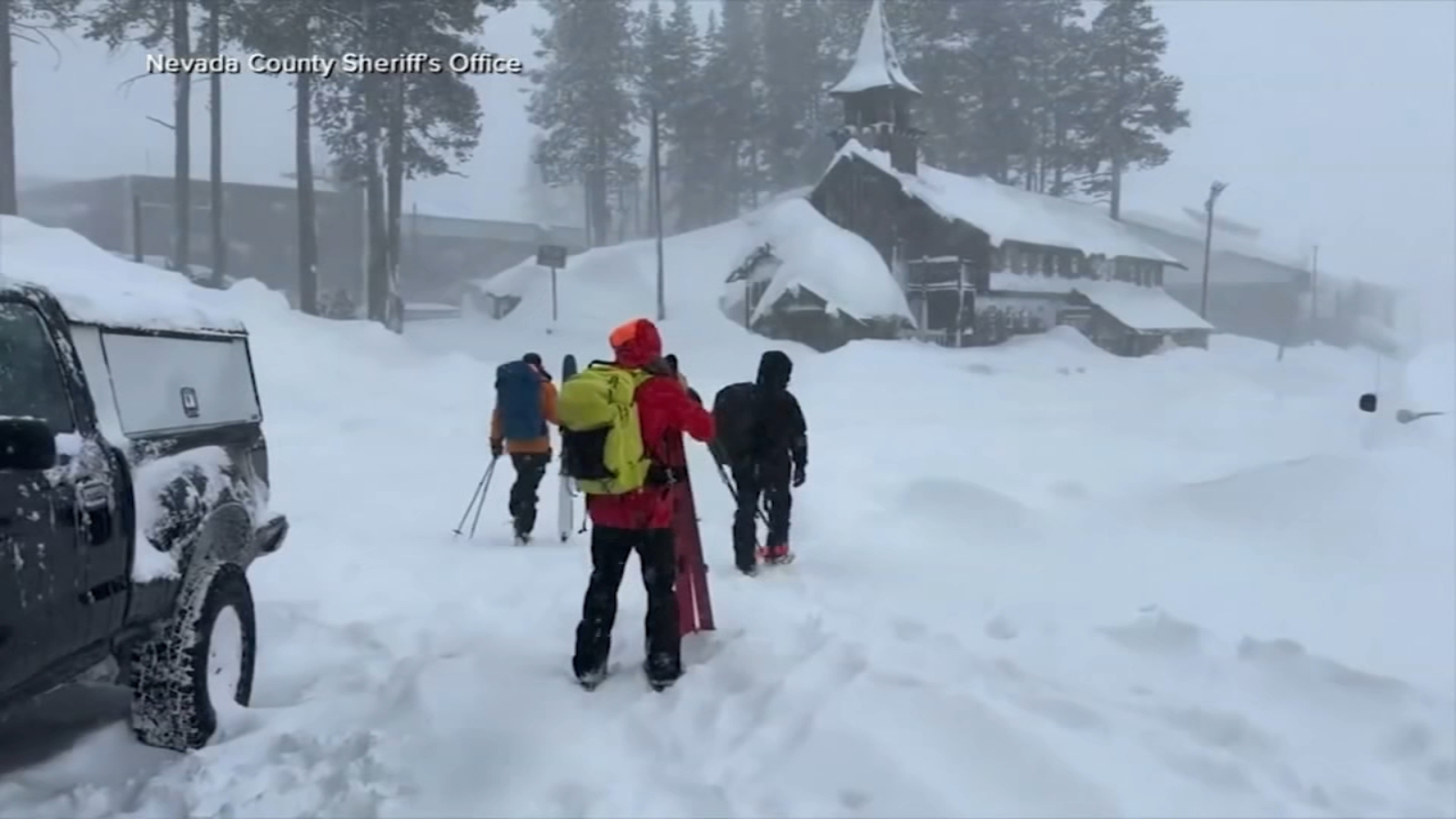
Though trails have reopened, hazardous winter conditions still persist and hikers should come prepared to meet snow-covered trails, icy sections, limited visibility, and the possibility of sudden storms, said the San Bernardino County Sheriff's Department in a news release. That means evaluating weather conditions, carrying appropriate gear, and understanding personal limits.
California
fromBikeMag
2 months agoHow To Plan the Perfect Mountain Bike Ride: 10 Tips for a Better Day on Trail
A sudden weather change, a mechanical, a missed turn, or a momentary lapse in judgment can all turn a "quick ride" into a surprisingly long day. The good news? While some of those problems are big, the solutions are often small. A last-second weather check. An extra granola bar. A quick link and a zip tie that's been living in the bottom of your bag for the last five years. Little things can often be the difference between a perfect ride and a problem ride.
Bicycling
fromBusiness Insider
1 month agoI spent 15 days hiking the Dolomites in Italy. These are 7 biggest mistakes I made during the trip.
Although these attractions are beautiful, the crowds they drew during my trip put a damper on the experience. I preferred sights like the Lagazuoi Tunnels, Monte Civetta, and Cinque Torri, all of which were less touristy but still had equally showstopping views and hikes.
Travel
fromwww.kaltblut-magazine.com
2 months agoTerrain
The body is a shifting landscape transformed by surfaces and sensations. Each look captures a different tactile world: the heat of blood, the cool weight of metal, the yielding drift of water. The result is a sculptural study of how the elements carve, shield, and release the self. The materials we embody become the emotions we carry, and the body becomes a materialised exhibition of our emotions, from the pulse of Blood to the discipline of Metal to the surrender of Water.
Fashion & style
fromEsquire
1 month agoThe Rise of the Paincation
On day five of an eight-day, 500-mile mountain bike race in Africa, Piers Constable found himself sprawled in the dirt for the second time. First he'd crashed on his left side, then on his right, until he was, in his own words, "muddied and bloodied," staring at a bike that was very much broken. He remembered a feed station a couple miles away and realized he had two choices: quit or run. He picked up the bike and ran.
Running
fromTravel + Leisure
2 months ago7 Mistakes to Avoid When Packing for Your Next Ski Trip, According to the Pros-and What to Pack Instead, From $8
Ski trips are some of travel's most gear-heavy getaways-which is exactly why so many travelers get packing wrong. Between bulky jackets, old equipment, and items that never leave the hotel room, overpacking happens often. To help cut through the clutter (and avoid mid-trip emergencies), we asked ski resort pros from the U.S., Canada, Italy, and beyond to share what actually belongs in your suitcase-and what you're better off leaving at home.
Skiing
E-Commerce
fromwww.travelandleisure.com
1 month agoREI and Amazon Are Hiding Outdoor Gear Deals Up to 66% OffOsprey, Merrell, and Patagonia Start at Just $7
Major retailers are offering steep Presidents Day weekend discounts on outdoor gear including packs, clothing, footwear, and camping essentials from well-known brands.
Environment
fromTravel + Leisure
1 month agoThis Scenic Forest Was Just Named the Best U.S. Hiking Destination for 2026
Travelers increasingly seek nature-based, bucket-list trail experiences, and Nantahala National Forest in western North Carolina features several AllTrails-favorite hikes including fire towers and waterfalls.
fromTheoldguybicycleblog
1 month agoWhen a Bicycle Tour Ends Before It Begins - And How I Still Finished the Year Strong
I had trained for a full year to complete a self-supported bicycle tour from San Diego to Las Cruces, New Mexico. It was meant to be the next-to-last chapter in my coast-to-coast cycling journey - one more long stretch of road before the final piece fell into place. Thirty-four miles into the ride, it was over. A microfiber towel caught in my derailleur. A fluke. One of those things you never plan for and still struggle to explain afterward.
Bicycling
fromTravel + Leisure
2 months ago15 Winter Basics You Need to Pack for Any Freezing, Cold Destination-From $10 at Amazon
Packing for a truly freezing destination takes more than tossing a few sweaters into your bag-something I quickly learned in the Arctic Circle during polar night, when "daytime" is pitch-black and the temperatures regularly plunge well below zero. Growing up in New York winters, spending the last few snow seasons in the Rockies, and now logging weeks above the Arctic Circle has taught me one key lesson: staying warm in subzero temps is all about smart layers -not necessarily bulky expedition gear.
Fashion & style
fromBikerumor
1 month agoBikepacking Roots & Old Man Mountain Make Bikepacking More Accessible with Gear Libraries
We are all familiar with the idea of a library. You go, check out a book, read said book, and return the book when you are done. Yes, there is a bit more mixed in there, such as attaining a library card, due dates, and late fees, but I'm sure you get the general idea. We all know how libraries work.
Bicycling
Gadgets
fromYanko Design - Modern Industrial Design News
2 months ago10 Best Camping Gadgets & Essentials to Buy Before Spring 2026 Sells Out - Yanko Design
Solar-powered, modular, compact camping gear—exemplified by a tent with integrated photovoltaic fabric and built-in AC—redefines comfort, portability, and sustainability for modern campers.
fromTravel + Leisure
1 month ago11 Beautiful U.S. Road Trips to Take This Spring
When the weather warms up and the late winter rains turn trees green and fields into wildflower wonderlands, it's the perfect time to take a drive. Whether your preferred landscape is mountains, deserts, forests, plains, or coastal views, there's a spring road trip in the United States for you. Explore historic sites, regional food, wineries, or nature-all from the front seat.
Travel
fromBikeMag
2 months agoThe 5 Most Common MTB Injuries, According to Riders Who Learned the Hard Way
Riding a mountain bike comes with risks, and injuries are common among most riders, from minor cuts and scrapes to broken bones and more severe head trauma. But what are the common injuries from mountain biking, and what is the recovery like for the most common MTB injuries? Well, I've had most of them over the years. From the minor scrapes and bumps to the more severe head trauma, fractured bones, and ligament damage.
Bicycling
fromTravel + Leisure
1 month agoThese 8 Scenic Hikes Around the World Are Worth Planning a Trip For, According to AllTrails
AllTrails, a hiking app with trail maps and reviews, dug into insights from their 90 million-plus members and team of trail experts to spotlight lesser-known places where the trail alone is worth planning a trip around. Their guide, Travel-Worthy Trails for 2026, spotlights eight unexpected destinations around the world where the trail is the destination.
Travel
fromTravel + Leisure
2 months agoI've Visited 30 National Parks-This Is the Best Hike I've Taken
I trekked it in December 2023 with plans and a permit to camp at Bright Angel Campground, a scenic cottonwood-shaded hideaway just near the famed Phantom Ranch (the only lodging on the world wonder's floor). Then, two days before my trip, a miracle happened: One last-minute reservation became available for Phantom Ranch. The ranch digs typically book out over a year in advance, but if you're lucky, you can either get in via the lottery or a last-minute opening. This made the grueling but gorgeous hike down and up the steep South Kaibab Trail even more memorable.
Travel
:max_bytes(150000):strip_icc()/header-goblin-valley-campground-goblin-valley-state-park-ut-CAMPUS0322-91cc594e806346d89bcd3c0fc2daafb5.jpg)
:max_bytes(150000):strip_icc()/valley-of-fire-state-park-nevada-STATEPARTS0521-d4c97901aa95441caf4f92f184021811.jpg)
Travel
fromwww.theguardian.com
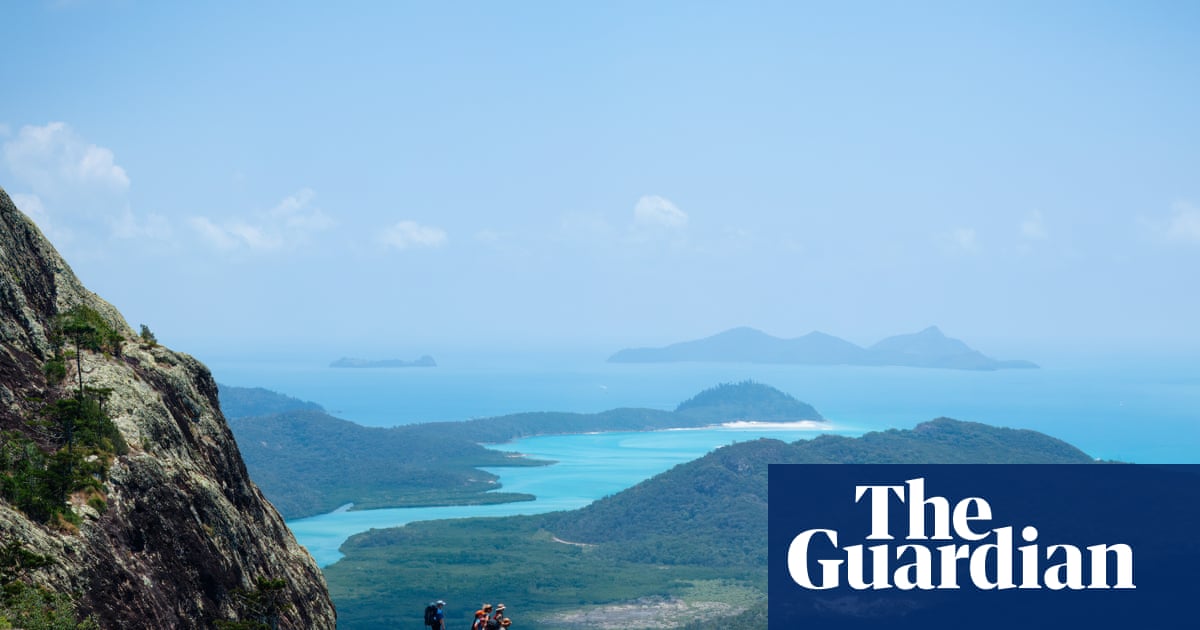
1 month agoLeave things better than you find them': the volunteer army cleaning New Zealand's remote hiking huts
New Zealand's extensive public network of over 950 backcountry huts, ranging from two-person shelters to 54-bunk lodges, relies on volunteers to clean and maintain them.
fromThe New Yorker
2 months agoThe Backcountry Rescue Squad at America's Busiest National Park
The terrain is choked with rhododendron and dog hobble, ground cover that makes it easy to get lost and hard to be found. There are eight hundred and forty-eight miles of trail, and countless manways, which masquerade as trails. The many waterfalls are fed by rain on par with that of the Pacific Northwest. The rivers rise and boil with astonishing speed. There's little to no cell service.
Travel
fromTravel + Leisure
1 month agoThis Is One of the West Coast's Best-kept Biking Secrets-and It Has Ceviche, Stargazing, and Stunning Natural Beauty
Make no mistake: tackling Mexico's Baja Divide trail isn't for everyone. It's a strenuous, lengthy journey along graded dirt backroads and rough, sandy tracks. Covering more than 1,700 miles, the route starts in San Diego, California, and ends in La Paz, Mexico, connecting the Pacific Ocean with the Sea of Cortez. If you're familiar with the Baja California peninsula, though, you're well aware that this part of the country is rich in natural beauty.
Travel
[ Load more ]