#house-of-dead-memories
#house-of-dead-memories
[ follow ]
#horror #film-adaptation #wuthering-heights #silent-hill #thriller #literature #character-development


fromwww.theguardian.com
1 week agoDaunting, inspiring, comforting, terrifying: the writers who can make silence as eloquent as words
A vision lay before him: Fleet Street blanketed with snow, silent, empty, pure white, and, at the end of it, the huge and majestic form of Saint Paul's Cathedral. It was a spellbinding moment: the great thoroughfare temporarily devoid of carts and carriages, the cathedral looming blurrily out of the still-falling snowflakes a real-life snow globe.
London
fromPsychology Today
4 weeks agoThe Black Dahlia Murder and the Power of Storytelling
The myth is that the murdered woman was 'a sex worker, a gangster's moll, or a movie extra yearning to become Lana Turner.' In fact, Elizabeth Short was a young woman who wanted to see more of the world than her hometown offered. She had suffered abuse from her father and dreamed of making a new life for herself in Los Angeles.
Los Angeles
Board games
fromKotaku
1 month agoOur Dark Lord Cthulhu Awakens In This Lovecraftian Adventure
The Dark Rites of Arkham is a point-and-click adventure game set in Lovecraft's fictional city of Arkham, where Detective Jack Foster investigates ritualistic murders linked to mystical cults and ancient gods.
Video games
fromInverse
3 weeks ago10 Years Later, A Legendary Horror Franchise Could Help Save Survival Games
Horror movie video game adaptations evolved from 1980s licensed tie-ins to modern asymmetric multiplayer games, with Hellraiser: Revival breaking the predictable Dead by Daylight template by returning to classic first-person survival horror gameplay.
fromInverse
3 weeks ago'Undertone' Is Scariest With What It Doesn't Show
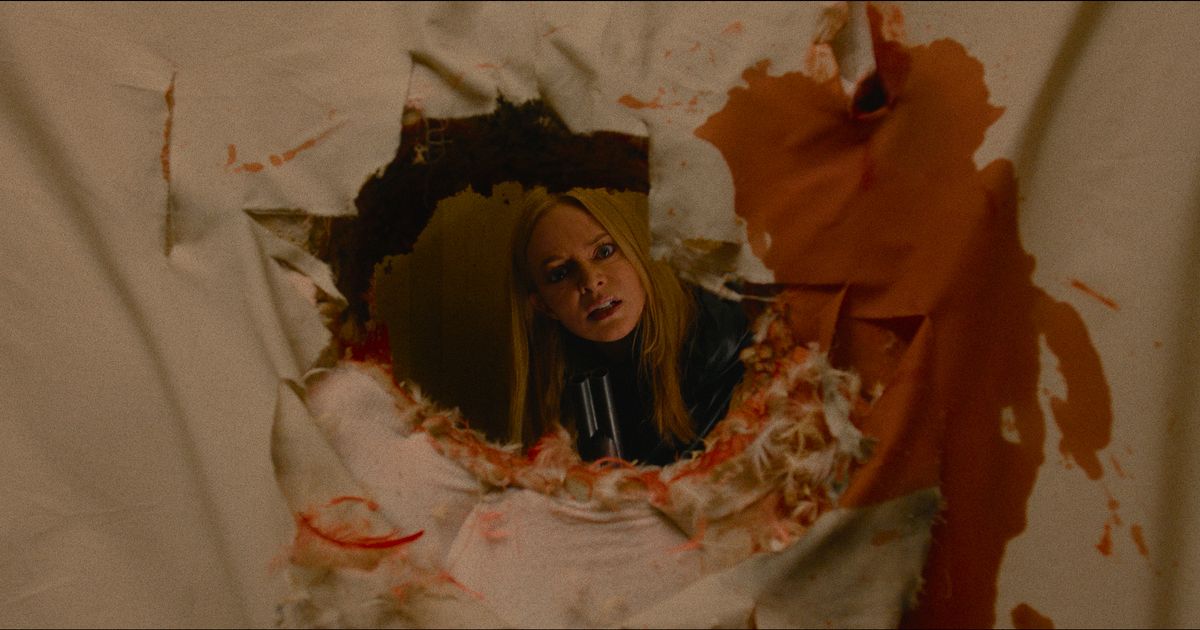
The first thing you notice about undertone is how quiet it is; not just in its audio mix, but in how it's shot - primarily steady wide shots that slowly pan across empty rooms, allowing your eyes to frantically scan for something amiss. It's an understated form of filmmaking that allows for the movie's scares to hit all that much harder.
Film

Books
fromwww.theguardian.com
4 weeks agoAntonio Lobo Antunes's exhilarating novels forced Portugal to confront its darkest moments
Portuguese novelist Antonio Lobo Antunes created a distinctive modernist style exploring Portugal's fascist past and colonial conflicts through grammatically unconventional, metaphor-rich prose that combined nihilism, farce, and surrealism.
#film-adaptation
Film
fromThe Nation
1 month agoThe Bad Vibes of "Wuthering Heights"
Emerald Fennell's Wuthering Heights prioritizes contemporary aesthetic over literary faithfulness, reducing Brontë's complex novel to a shallow love story that reflects modern short attention spans rather than engaging with the source material's depth.




fromwww.theguardian.com
1 month agoI'll Be the Monster by Sean Gilbert review are they fantasists or psychopaths?
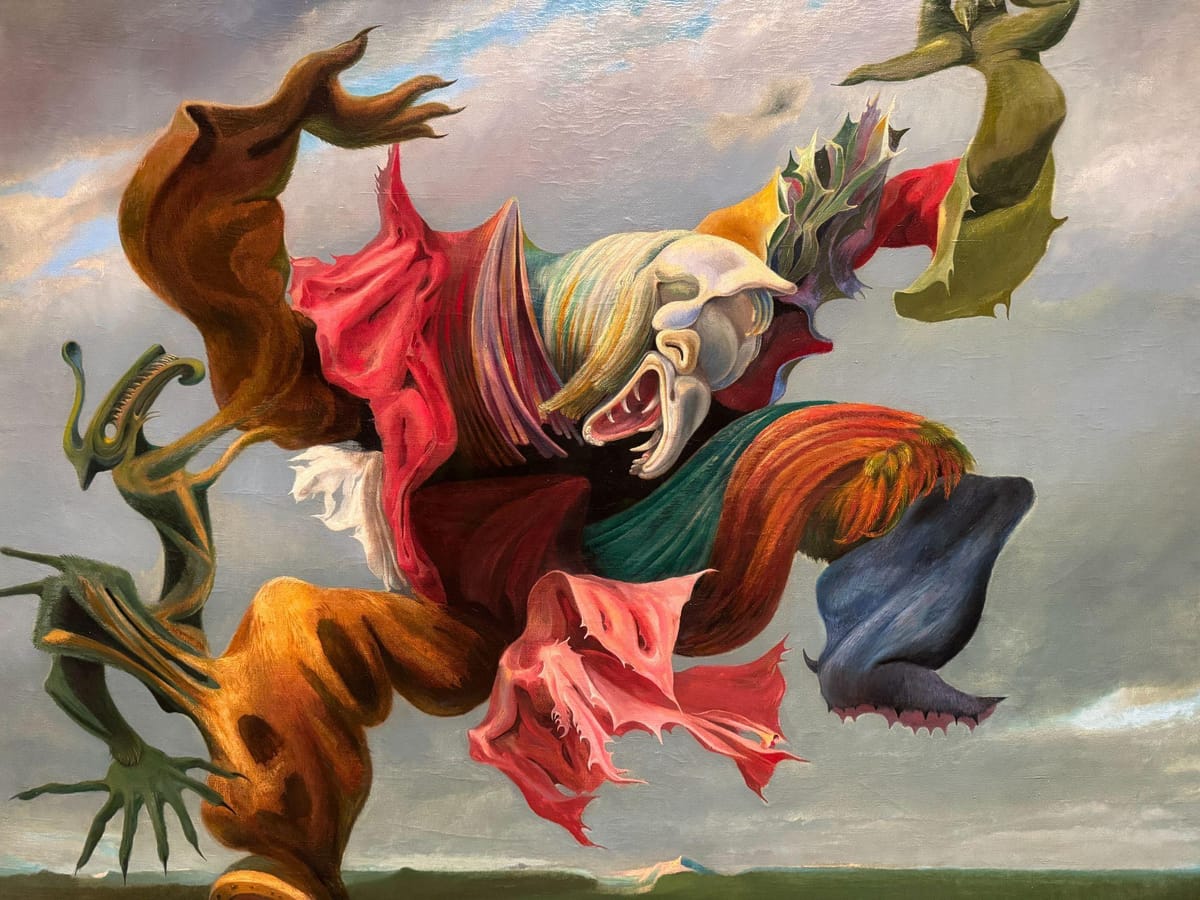
Glimpse them chatting in a restaurant or posing on Instagram, and you might think they have it all. The pair live in London but often travel, drawing the eyes of other guests, their skin glowing, their limbs artfully at ease. She writes affirmations on hotel stationery; he claims to taste notes of bark and tobacco in his chianti. As Sean Gilbert's dark, observant debut opens in Istanbul, this apparently perfect couple bicker and sweat, for secrets lurk behind their facade and one of them might be murder.
Books
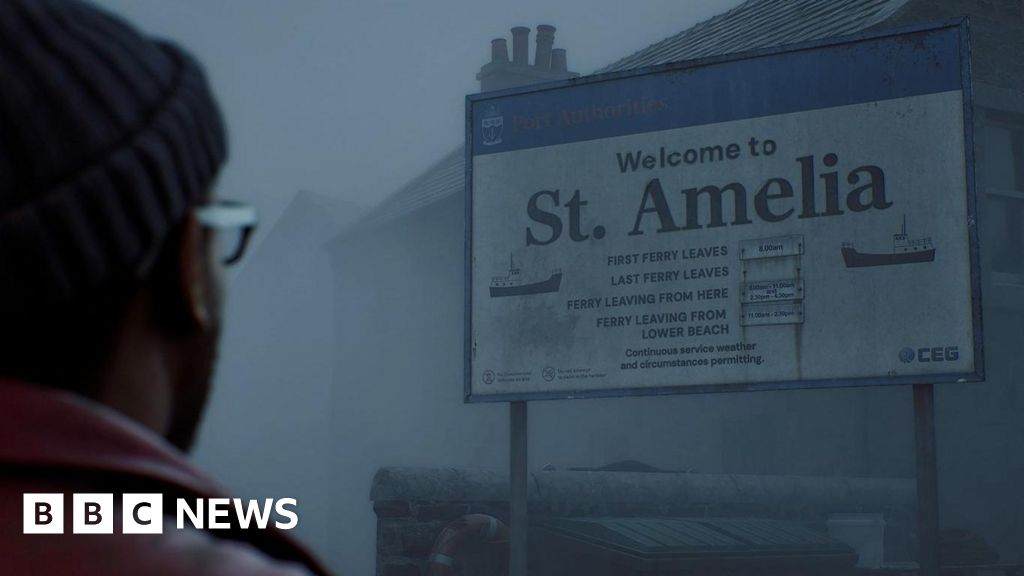


fromKotaku
2 months agoKojima Tries To Describe The Nightmare Fuel Haunting His Sleep
Hideo Kojima dropped a new bit of lore over the weekend: the renowned designer has "always" suffered from nightmares. As he on Twitter, Kojima stumbled upon old dream logs in his phone's notes while preparing to deliver the first keynote address in five years at the upcoming GDC Festival of Gaming 2026. Suggested to him as a remedy, jotting down his dreams proved to be ineffective in relieving Kojima of his nightmares.
Video games
fromPortland Mercury
1 month agoBook Review: For Human Use Isn't Really About Dating Corpses
Pierce launches us into this notion via a chaotic text conversation between the story's anxious antihero Tom Williamson and another senior partner at the equity firm where he works. "Your autocorrect keeps typing 'dead bodies,'" Tom writes, incredulously. But it isn't a typo. The service's slimy founder Auden White is pitching Tom's boss for investment. Wearing a black t-shirt and charcoal washed jeans, Auden spouts empty platitudes, like "spending time alone with a person who's dead is a profound emotional event."
Books
fromRoger Ebert
2 months agoThe Archaic Mother's Embrace: How "If I Had Legs I'd Kick You" and "Die My Love" Reframe the Monstrous | Features | Roger Ebert
Protagonist Edna Pontellier, heartbroken and hopeless, swims out into the Gulf of Mexico until her body tires and the water swallows her up. The act is impossibly sad, but it also feels as if it's not about itself. Or rather, it expresses something about the act, choice, of suicide that so often remains out of focus: how hard our world is to live in.
Books
fromwww.theguardian.com
2 months agoThe Puma by Daniel Wiles review a visceral tale of cyclical violence
After finding this seam of gold, miner Michael dreams that his son will be able to go to school, rather than join the other children who work in the mine, like blind, bald rodents unearthing themselves in search of scraps of candlelight. In the novel, which won the 2023 Betty Trask prize, everything closes in on Michael: lungs clog, tunnels collapse, horse-drawn narrowboats are attacked by robbers in the sooty dusk. It's a vivid reminder of the cost, in bodily suffering, of resource extraction.
Books
fromPolygon
8 months agoTime Flies when you're thinking about dying
So long as I manage to avoid lightbulbs or stay out of wine glasses, the buzzing will inevitably give way to silence. My wings will abruptly stop flapping and I'll careen towards the ground like an asteroid. I'll become a speck on a rug, a bit of debris absent-mindedly vacuumed up by someone who has no idea what adventures I've been on in the past minute.
Video games
fromGameSpot
2 months agoThe Best Games Like Omori
If you're wondering what to play after you finish Omori, this list is for you. When you're looking for games like Omori, you might also be looking for incredible games with multiple endings, indie horror titles with moments that put your heart in your mouth, or emotionally-led RPGs with strong story beats throughout. Whether you enjoyed the turn-based combat gameplay, the twisty-turny narrative, or the complex characters--you'll find it all in this list.
Video games
fromwww.theguardian.com
2 months agoWitchboard review New Orleans couple channel dead French witch in fun occult thriller
Jamie Campbell Bower gave the standout performance as the big bad in the otherwise ho-hum fourth season of Stranger Things, and in this tawdry but fun occult-themed thriller, like Satan himself, he's back to his same old scene-stealing tricks. Once again, he's not the protagonist but a sinister figure first met literally in the shadows, making ominous pronouncements in that posh-boy accent. When finally revealed, he is dipping his chin and looking up with those uncannily blue eyes like a vogue dancer catching the spotlight. If he keeps at it with roles like this, he could be the Peter Cushing of modern horror, but with catwalk-queen hair, or the goth equivalent of the young Ralph Fiennes in his rent-a-villain era. What's not to love?
Film
[ Load more ]