#hunger-issues
#hunger-issues
[ follow ]
#food-insecurity #food-security #humanitarian-crisis #famine #food-assistance #global-health #hunger-crisis
fromThe Oaklandside
3 days agoThousands in Alameda County will lose CalFresh this week. Here's what to know
"There are people who have come here after escaping violence and persecution and torture. These are communities that we have historically said, 'You are welcome here. We have the support for you. We're going to help you get established in our country.' And now, the federal government is abandoning them."
East Bay (California)
fromTruthout
5 days agoLow-Income Moms Struggle to Keep Their Families Afloat Amid Gas Price Increases
Luna Rosado, a single mother, has seen her gas expenses rise by $40 weekly due to a 30 percent increase in prices after the war in Iran. This has resulted in $160 less for groceries and other necessities each month, forcing her to constantly adjust her budget.
Washington DC
fromwww.aljazeera.com
4 days agoMinerals for aid: Are new US health deals exploiting' African countries?
In late 2025, the United States shocked the world by suspending global health aid, leading experts to predict 700,000 additional deaths annually, primarily among children. This prompted the US to propose unusual bilateral health agreements with developing countries, which have drawn criticism for being exploitative.
Public health
#food-insecurity




Women in technology
fromwww.amny.com
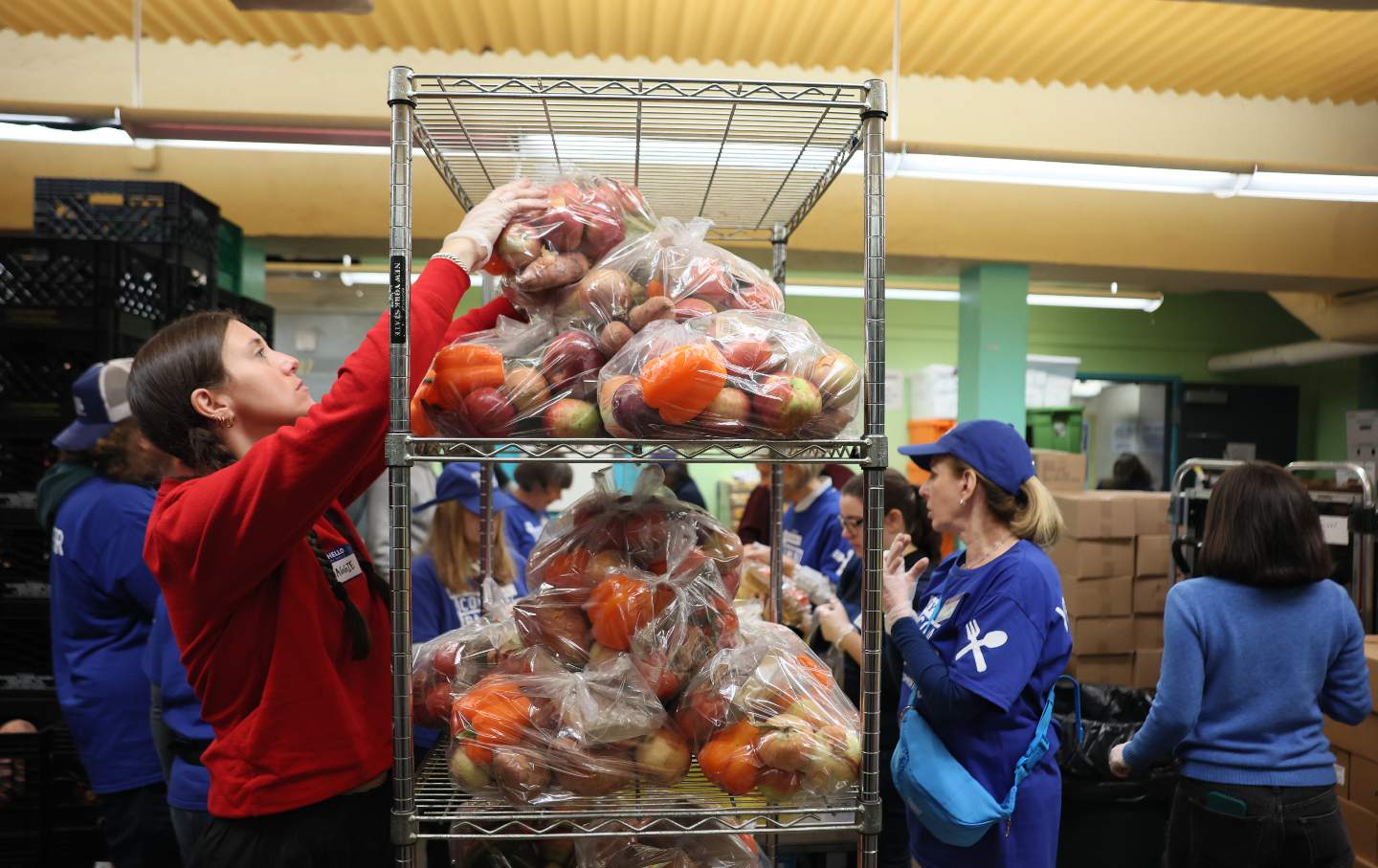
1 week agoFood Bank for New York City President & CEO Leslie Gordan on giving back and empowering New Yorkers | amNewYork
Leslie Gordan leads the Food Bank for New York City, significantly increasing food distribution during the COVID-19 pandemic while empowering women.
Online Community Development
fromStreetsblog
1 month agoHow the 'Little Free Pantry' Can Help Feed the Hungry Without Requiring Them to Drive - Streetsblog USA
Micro-pantries are small, community-maintained food compartments addressing food insecurity for people without reliable transportation to traditional food banks.
fromwww.theguardian.com
2 weeks agoWomen and girls bearing brunt of water shortages globally, UN warns
Women are responsible for collecting water in more than 70% of rural households that do not have access to mains water across the developing world. Women and girls collectively spend 250m hours a day collecting water globally. The climate crisis is exacerbating the problem, according to a new report from the UN.
Women
Berlin food
fromwww.aljazeera.com
2 weeks agoUN warns of record hunger, 45 million more at risk, if Iran war continues
Continued Middle East conflict through June could push 45 million additional people into acute hunger, reaching a record 319 million globally, due to shipping cost increases and humanitarian aid route disruptions.
#food-security
Europe politics
fromwww.theguardian.com
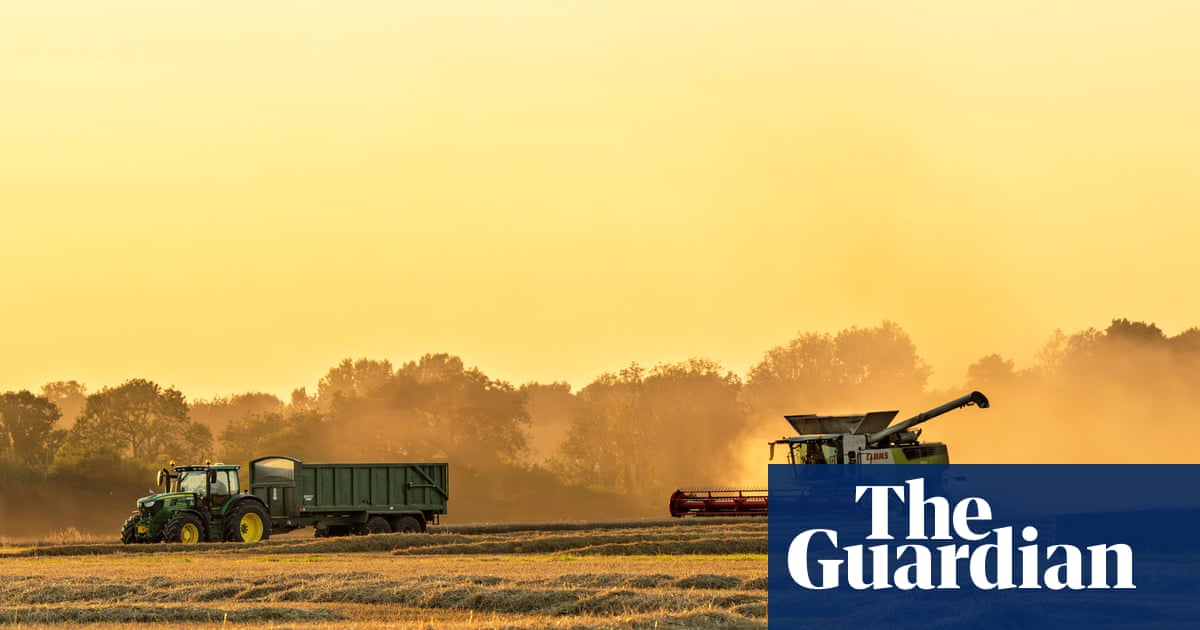
4 weeks agoUK must stockpile food in readiness for climate shocks or war, expert warns
The UK should stockpile food due to low self-sufficiency at 54%, making it vulnerable to climate shocks and wars, unlike other wealthy nations that maintain emergency reserves.
UK politics
fromwww.independent.co.uk
4 weeks agoUN agency says UK push to modernise' aid spending risks ignoring immediate crises'
Britain's aid programme modernization plan risks worsening humanitarian crises and destabilizing fragile regions by masking deep cuts to essential grant funding during escalating global need.
World news
fromwww.aljazeera.com
3 weeks agoHunger is looming over Yemen, urgent action is needed
Yemen faces its worst food security crisis since 2022, with 18 million people projected to face worsening food insecurity in early 2026, and famine conditions expected to emerge in four districts within two months.
fromwww.theguardian.com
1 week agoIt helped me feed my six children': how Africa's first water fund supports farmers to protect Kenya's biggest river
The avocado seedlings enabled him to grow his farm income to close to 2m Kenyan shillings, with each mature avocado tree yielding 70kg annually. Improving farming methods and conserving the watershed has helped me to feed and educate my six children.
Agriculture
Food & drink
fromwww.theguardian.com
1 month agoWhy food justice isn't being served in America
Food justice advocates often misrepresent South Central Los Angeles as a resource-depleted food desert lacking grocery stores and knowledgeable residents, contradicting anthropological research documenting abundant food retail and community food practices.
US politics
fromwww.theguardian.com
1 month agoRising anger over lop-sided' and immoral' US health funding pacts with African countries
African countries are rejecting US bilateral health agreements as exploitative, with demands for biological resources, data sharing, and mineral access violating national sovereignty.
fromwww.aljazeera.com
2 weeks agoHow do I survive?' Drought plagues Kenya's Turkana amid surplus elsewhere
In Turkana, the land is rugged, roads disappear into dust, and villages are scattered across vast distances in a county of just more than a million people. Despite it being the rainy season, weather experts warn that Turkana and other arid regions may receive little relief. Authorities say drought is once again taking place, with 23 of Kenya's 47 counties affected.
Agriculture
Agriculture
fromRealagriculture
2 weeks agoAg Policy Connection: Innovation at the heart of food security and resilience, says Alison Sunstrum
Canada must treat agriculture as critical national security infrastructure rather than solely an economic sector, requiring systemic innovation across processing, supply chains, and digital infrastructure.
fromThe Atlantic
1 month agoFour Conditions Make Cash Transfers Save Lives
Cash transforms health when four particular conditions are met. Most U.S. cash-transfer pilots have lacked them. But one major American policy does come close: the federal food-assistance program SNAP. Its success offers a road map for what effective cash assistance can look like in this country, if we choose to build on it.
Public health
#agricultural-policy
Agriculture
fromRealagriculture
3 weeks agoAg Policy Exchange: Finding common ag policy ground among countries in a divided world
Global agriculture faces interconnected geopolitical, economic, and environmental challenges requiring sustainable, resilient, and affordable food systems through coordinated international policy approaches.


fromNature
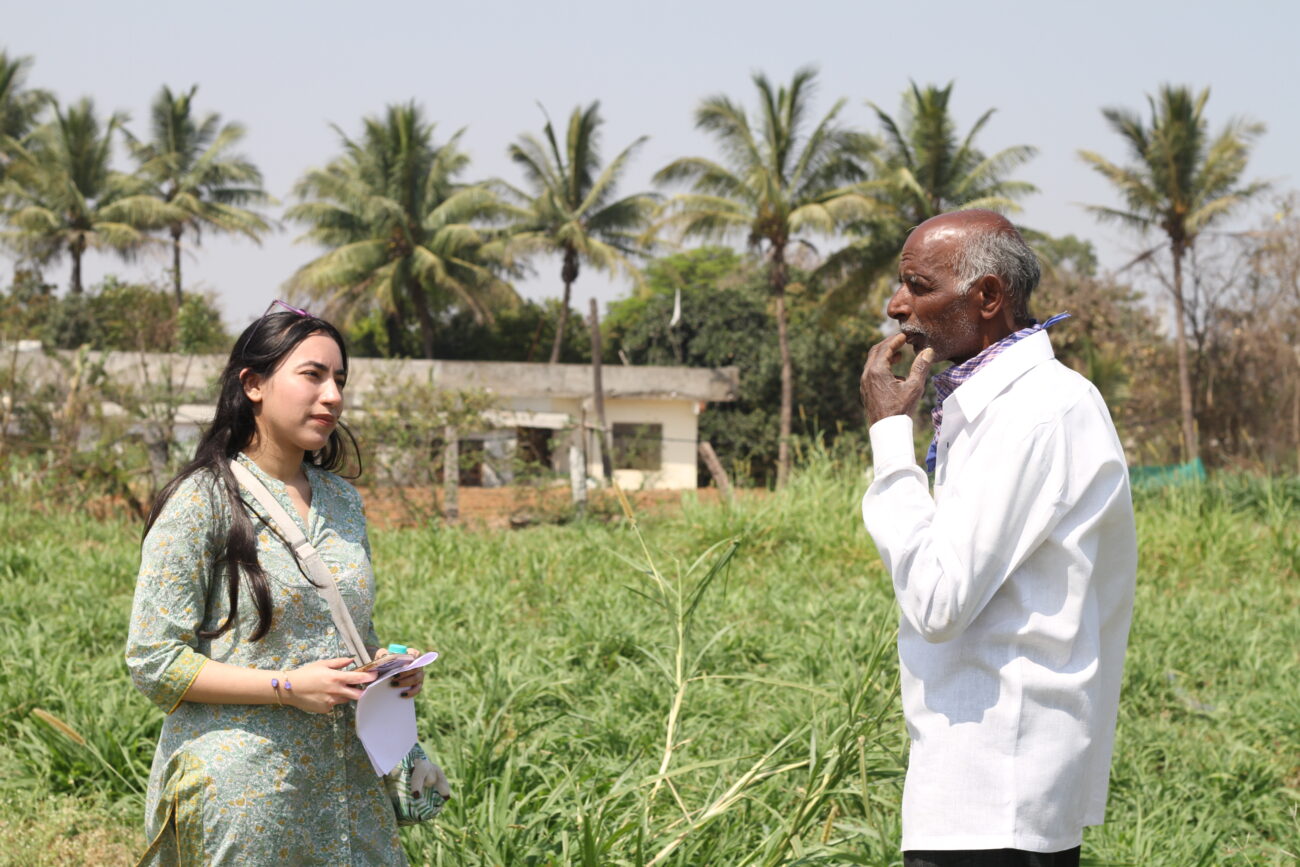
2 months agoDeveloping super-tortillas to address malnutrition in Latin America
The humble tortilla is an iconic food staple in Mexico. Everyone eats them, regardless of age or income. The ingredients for the tortilla I was frying in this photo have been fermented to include probiotics and prebiotics for gut health. My research focuses on developing such fermented nutraceuticals - nutritious products with pharmaceutical benefits - to help improve people's metabolic health and combat the malnutrition prevalent in some of Mexico's poorest communities.
Food & drink


fromwww.npr.org
2 months agoAbout Us: Global Health and Development
NPR's global health and development team tells stories about life in our changing world, focusing on low- and middle-income countries also referred to as the Global South. And we keep in mind that we're all neighbors in this global village. NPR receives financial support for this team from the Gates Foundation. NPR is solely responsible for all content. Find more about NPR's standards and practices at NPR.org/ethics, as well as a list of our philanthropic supporters in our annual report.
Public health
fromFortune
2 months agoHow to fight child hunger in a time of foreign aid cuts | Fortune
Already, 2026 is proving to be a challenging year for global hunger. Last year, the global development sector faced enormous upheavals, with the United States and other donor countries slashing aid budgets even as low-income countries struggled with debt burdens. Steep aid cuts have exacerbated existing food security crises-whether from Russia's war with Ukraine disrupting international food supplies or farmers losing tens of billions of dollars due to climate change.
World news
fromTruthout
2 months agoIn Gaza, We're Struggling to Reintroduce Foods to Bodies Adjusted to Starvation
Since October's ceasefire, which meant Israel would allow some - but not nearly enough - aid trucks to enter our besieged Strip, people in Gaza have desperately been eating, whenever possible, what they had been deprived of previously. Yet, as a result, many have developed " refeeding syndrome," which is a serious medical condition. Refeeding syndrome occurs when food is suddenly reintroduced after a prolonged period of starvation - and Israel has subjected those of us in Gaza to such periods on multiple occasions.
World news
fromwww.theguardian.com
2 months agoAid cuts could cause 22m avoidable deaths by 2030, study finds
Aid cuts could lead to more than 22 million avoidable deaths by 2030, including 5.4 million children under five, according to the most comprehensive modelling to date. In the past two decades there have been dramatic falls in the number of young children dying from infectious diseases, driven by aid directed to the developing world, researchers wrote in the Lancet Global Health. But that progress was at risk of reversal because of abrupt budget cuts by donor countries, including the US and the UK.
Public health


fromwww.aljazeera.com
1 month agoThe cold, hungry reality of displacement in war-torn Sudan's Tawila
Montaha Omer Mustafa, 18, was among many people who managed to get out of el-Fasher before the city's seizure by the Rapid Support Forces (RSF) paramilitary group, but only after paying for passage and going days on foot with little water, moving through villages and scrubland. As fighting closed in on the last big city held by the government-aligned Sudanese Armed Forces (SAF) in North Darfur state, tens of thousands of residents fled westwards, abandoning homes, possessions, and even family members.
World news
fromNature
1 month agoHow to rescue the aid industry: focus on conflict prevention, not just relief
In 2025, the administration of US President Donald Trump ordered the US Agency for International Development to be closed; this year, it withdrew the country from 66 international organizations. Other Western nations that are plagued with high levels of debt and pressure to prioritize domestic challenges have slashed their foreign aid, too. According to projections, official development assistance dropped by 9-17% in 2025, amounting to some US$55 billion.
World news
[ Load more ]