#hydrogen-fuel-leak
#hydrogen-fuel-leak
[ follow ]
#renewable-energy #electric-vehicles #middle-east-conflict #natural-gas #data-centers #energy-transition
fromFortune
2 days agoCountries are turning to 'structurally more resilient' energy sources as oil and gas crisis deepens, UN renewables chief says | Fortune
"A more decentralized energy system, with a growing share of renewables and more market players, is structurally more resilient. Countries that invested in the energy transition are weathering this crisis with less economic damage, as they boost energy security, resilience and competitiveness."
Environment
fromTNW | Startups-Technology
3 days agoMetafuels wins 1.92M Dutch grant to advance its Rotterdam e-SAF plant
Metafuels' aerobrew technology converts renewable methanol into drop-in jet fuel, delivering up to 90% lower lifecycle emissions than conventional kerosene, with no modifications needed for existing aircraft.
European startups
#meta
Venture
fromFortune
1 week agoMeta orders 10 gas-fired power plants for its Hyperion AI campus in rural Louisiana-more than triple the initial plans | Fortune
Meta is building 10 gas-fired power plants in Louisiana to support its AI data center complex, Hyperion, increasing the state's grid capacity significantly.
Venture
fromFortune
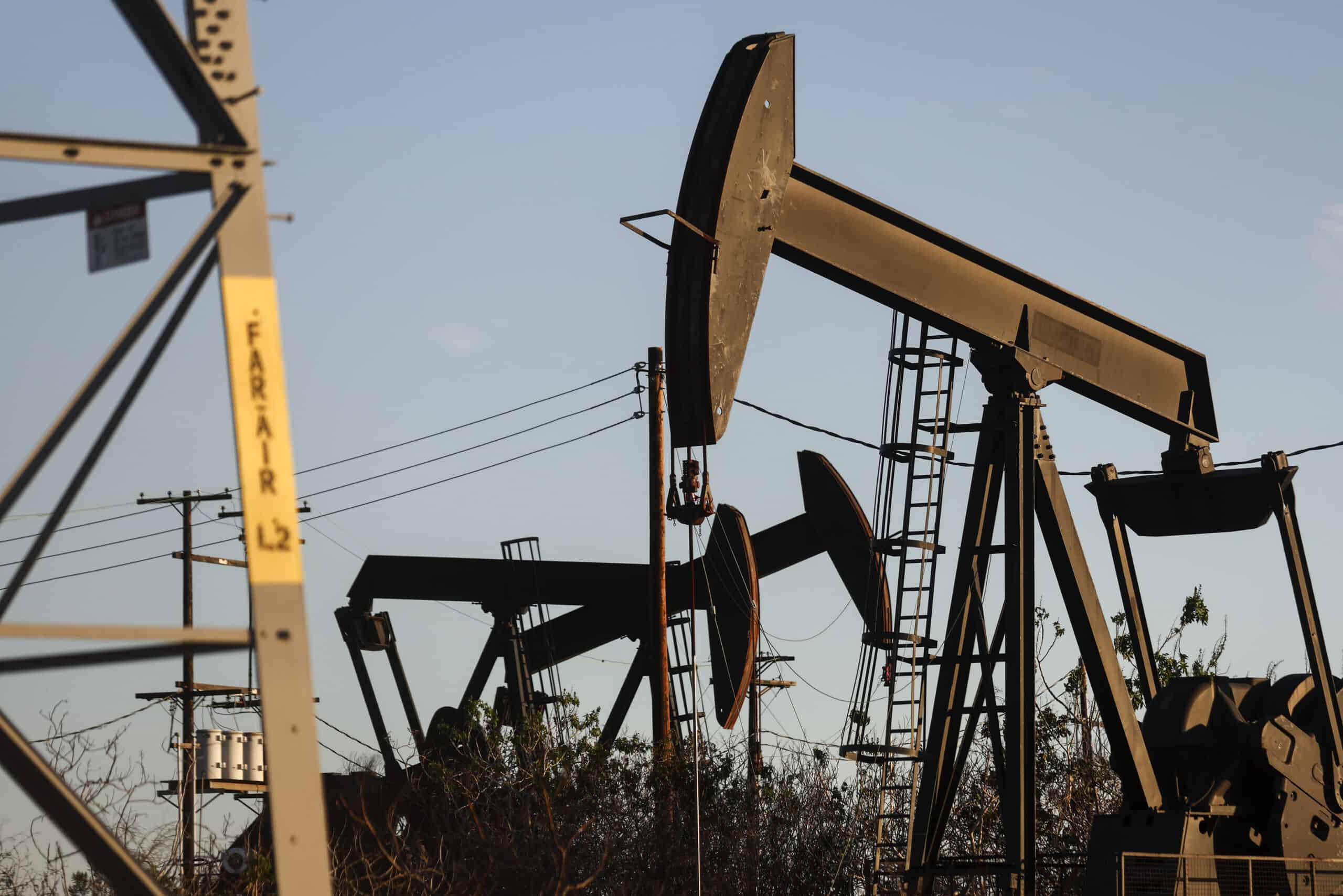
1 week agoMeta orders 10 gas-fired power plants for its Hyperion AI campus in rural Louisiana-more than triple the initial plans | Fortune
Meta is building 10 gas-fired power plants in Louisiana to support its AI data center complex, Hyperion, increasing the state's grid capacity significantly.



fromTechCrunch
2 weeks agoHow fusion power works and the startups pursuing it | TechCrunch
Fusion power seeks to use the energy released from the fusing of atoms to generate electricity. Humans have known how to fuse atoms for decades, from the hydrogen bomb to various fusion devices built in labs.
Science

fromFortune
2 weeks agoThe next energy superpower will make its own fuel | Fortune
The Strait of Hormuz - a narrow waterway through which roughly a fifth of the world's oil supply passes - has effectively closed to tanker traffic amid the escalating U.S.-Israeli strikes on Iran. Once again, the global economy is discovering the same uncomfortable truth: Modern energy security depends on supply chains that can break overnight.
World politics
Alternative transportation
fromSustainable Bus
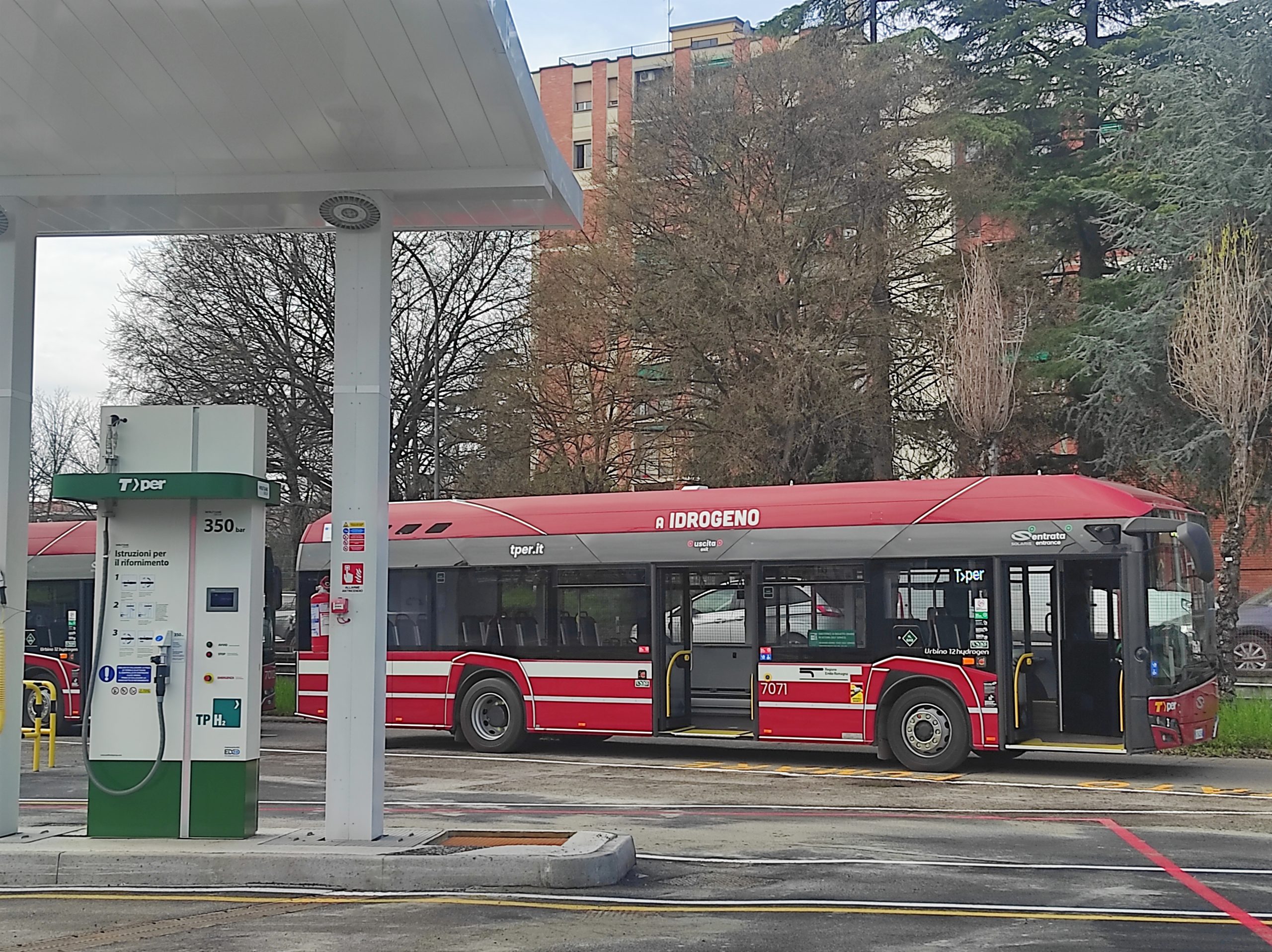
3 weeks agoBosch launches C100 fuel cell module at Mobility Move Berlin, extending portfolio to city buses - Sustainable Bus
Bosch launched the FCPM C100, a compact hydrogen fuel-cell module designed for city buses, featuring a flat 40-centimeter architecture for roof installation and targeting the European market where fuel cells represent 5 percent of electric bus sales.
US news
fromwww.npr.org
3 weeks agoEasy-to-use solar panels are coming, but utilities are trying to delay them
Plug-in solar panels that connect to standard outlets are gaining traction in the U.S. as a cost-effective alternative to traditional rooftop solar, though utility opposition based on safety concerns is slowing legislative adoption.
Toronto startup
fromThe Atlantic
1 month agoTesla's Secret Weapon Is a Giant Metal Box
Tesla is pivoting from selling cars to manufacturing robots and robotaxis, with the Cybercab driverless vehicle and Optimus humanoid robot as centerpieces, though both face significant legal, technical, and safety challenges.
Artificial intelligence
fromFortune
4 weeks agoI help manage one of the world's most constrained supply chains, up close to the defining energy bottleneck of the decade | Fortune
Power transformer shortages are the critical bottleneck limiting AI infrastructure expansion and corporate electrification globally.
Business
from24/7 Wall St.
1 month agoBloom Energy vs Plug Power: 2 Fuel Cell Stocks, 2 Completely Different Fates
Bloom Energy thrives on AI data center demand with record profitability, while Plug Power achieves its first positive gross margin after years of losses, revealing divergent trajectories in the fuel cell industry.
Environment
fromwww.theguardian.com
2 weeks agoRevealed: the world's worst mega-leaks of methane driving global heating
Satellite analysis reveals dozens of massive methane leaks from oil, gas, and landfill facilities worldwide in 2025, primarily in Turkmenistan, with most leaks preventable through simple maintenance or fixable at no cost since captured methane can be sold.
fromwww.dw.com
1 month agoThe real economic impact of clean energy
At a meeting at the Paris headquarters of the intergovernmental body dedicated to global energy security, Wright referred to the "destructive illusion" of the IEA's commitment to massively reducing greenhouse gas emissions sourced from fossil fuels. The US, one of 45 member and associate countries of the IEA that represent 75% of the world's energy demand, is threatening to withdraw from the body if it does not quit its energy transition goals in the next year.
Miscellaneous
Alternative transportation
fromSustainable Bus
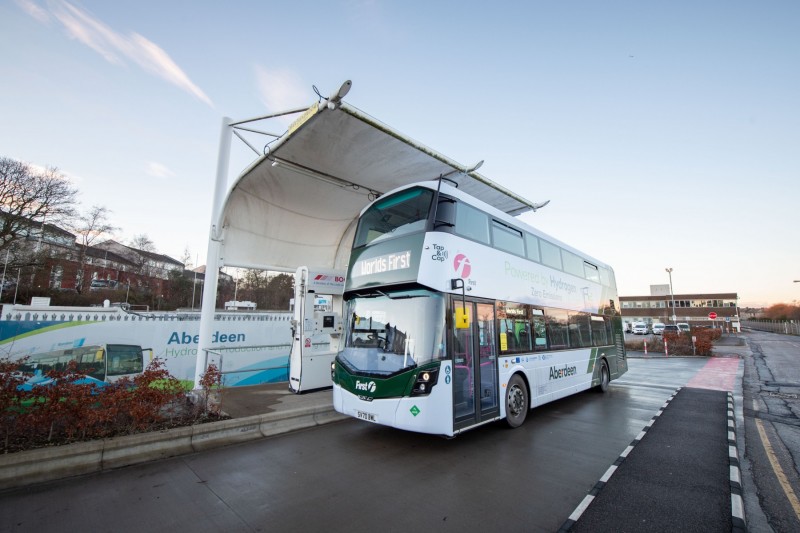
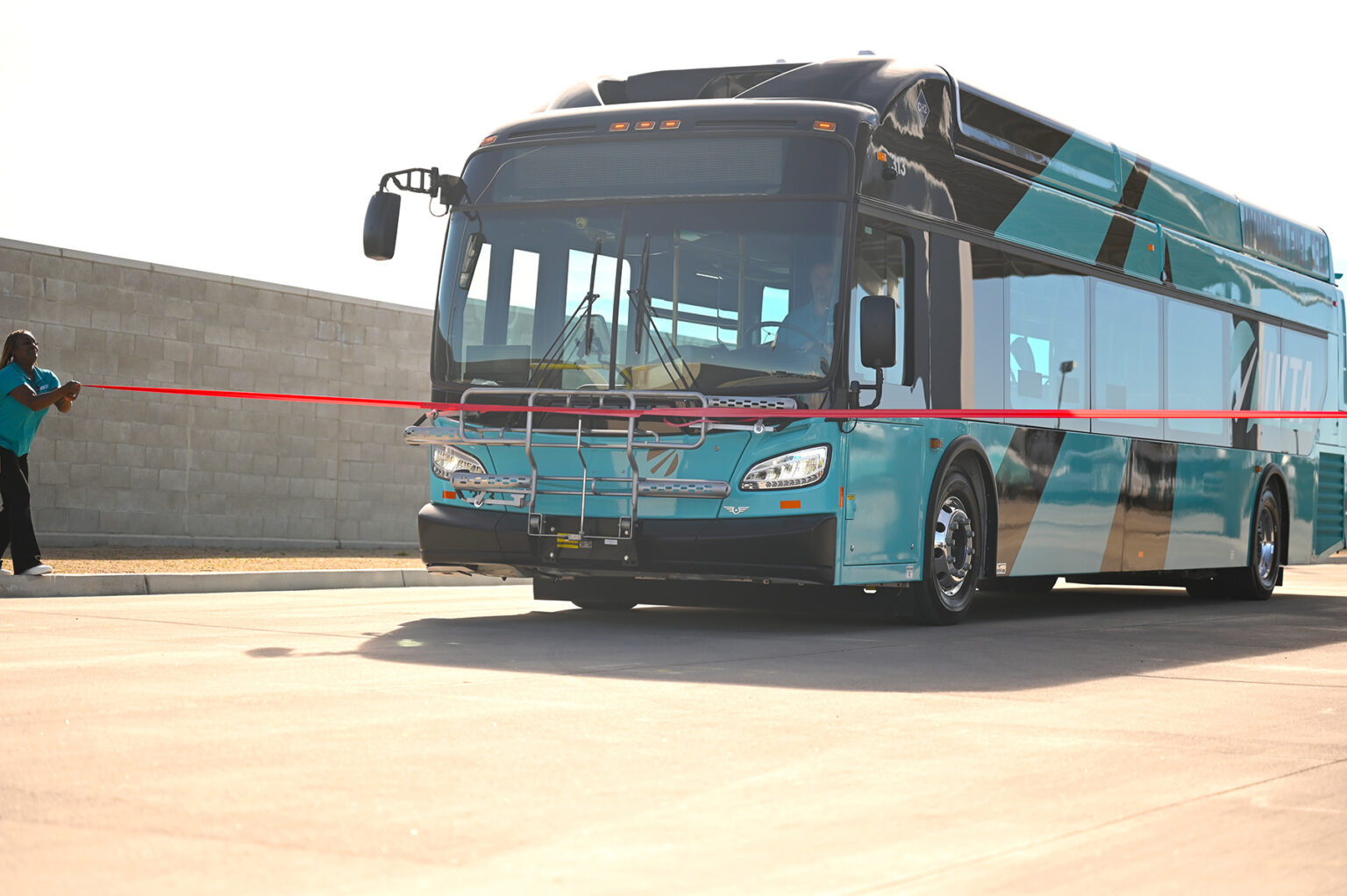
3 weeks agoZero-emission buses grow by 16% in the United States. Hydrogen sees strong momentum: +49%. The CALSTART report
Zero-emission buses in the United States reached 8,116 units in 2025, a 16% increase from 2024, with projections exceeding 15,000 by 2030.
from24/7 Wall St.
1 month agoThe Hidden Decay Eating BOIL Alive Even When Natural Gas Prices Stay Flat
January 2026 showed just how violent this relationship can get: Henry Hub spiked to $30.72/MMBtu on January 23 - a near-tenfold surge - before collapsing to $3.13/MMBtu by February 23. Extreme winter heating demand and supply constraints drove that move - exactly what BOIL is built to capture on the upside, and what devastates holders on the way back down.
Business
.jpg)
fromBusiness Matters
3 weeks agoGreen hydrogen plant to be built in Milford Haven with government backing
This project represents one of the UK's first commercial-scale low-carbon hydrogen production plants. The facility will produce around 2,000 tonnes of hydrogen annually using electrolysis, a process that splits water into hydrogen and oxygen using electricity generated from renewable sources, primarily wind energy.
Environment
Alternative transportation
fromSustainable Bus
1 month agoPorto launches hydrogen BRT corridor with CaetanoBus-led consortium - Sustainable Bus
CaetanoBus led the deployment of Porto's first hydrogen-powered Bus Rapid Transit system, coordinating an integrated zero-emission mobility ecosystem with twelve hydrogen fuel cell buses and supporting infrastructure.
fromwww.cbc.ca
2 months agoWhy Hyundai wants to work with the Canadian hydrogen energy sector | CBC Accessibility
Hyundai is exploring a "potential collaboration" with the Canadian hydrogen energy sector, it told CBC News on Thursday, as the South Korean automaker bets on natural gas-fuelled cars to be the future of the automotive industry. The revelation came a few days after Canada and South Korea signed a memorandum of understanding that will see the two co-operate in several key industries, including auto and battery manufacturing.
Canada news
fromTheregister
1 month agoSingapore eyes barge-based hydrogen power for datacenters
A barge-based configuration offers advantages over land-based facilities, according to BDC, including optimization of scarce land resources through offshore or nearshore deployment, vital in a country that is smaller than many cities, including London. This arrangement also offers segregation between hydrogen handling infrastructure and the core datacenter operations, the firm says, plus greater flexibility in hydrogen transport and storage, making use of Singapore's maritime ecosystem.
Environment
fromTheregister
2 months agoUS wants states to host nuclear sites as safety rules shrink
The DOE issued a Request for Information (RFI) on Wednesday, seeking responses from states that may be interested in hosting the campuses, which will operate a "full‑cycle nuclear ecosystem." In practice, this means these sites will be expected to provide facilities for atomic waste reprocessing and disposal, in addition to fuel fabrication and enrichment. They may also serve as locations for nuclear reactors and co‑located datacenters powered by them.
US politics
fromZDNET
2 months agoI discovered a little-known way to power your home during an outage - here's how
While the abrupt end to your home chef experience is inconvenient, the bigger issue is that your gas furnace still needs electricity to run, and it's supposed to drop into the 20s overnight. Now imagine that while everyone else is rifling through their junk drawer for flashlights and batteries,
Gadgets
fromNature
1 month agoEU leaders should not rush to revamp green-hydrogen rules
Many planned projects have been delayed or scrapped. Adrian Odenweller and Falko Ueckerdt at the Potsdam Institute for Climate Impact Research in Germany tracked 190 projects globally that were due to begin operating in 2023. The researchers found that only 7% of these had begun operations as scheduled.
Environment
US news
fromBoston.com
1 month agoEPA ends credits for automatic start-stop vehicle ignition, a feature Zeldin says 'everyone hates'
EPA ended credits for automakers installing automatic start-stop ignition systems, eliminating incentives for the fuel-saving technology while officials criticized the systems.


fromTechCrunch
1 month agoFusion startup Helion hits blistering temps as it races toward 2028 deadline | TechCrunch
The Everett, Washington-based fusion energy startup Helion announced Friday that it has hit a key milestone in its quest for fusion power. Plasmas inside the company's Polaris prototype reactor have reached 150 million degrees Celsius, three-quarters of the way toward what the company thinks it will need to operate a commercial fusion power plant. "We're obviously really excited to be able to get to this place," David Kirtley, Helion's co-founder and CEO, told TechCrunch.
Science


fromFast Company
1 month agoHow to meet the surging energy demand without needing as much new electricity
When Specian dug into the data, he discovered that implementing energy-efficiency measures and shifting electricity usage to lower-demand times are two of the fastest and cheapest ways of meeting growing thirst for electricity. These moves could help meet much, if not all, of the nation's projected load growth. Moreover, they would cost only half-or less-what building out new infrastructure would, while avoiding the emissions those operations would bring.
Environment
fromwww.dw.com
2 months agoHow clean energy could save us trillions DW 01/07/2026
In the rolling hills of southeast Queensland, Australia, farmer and businessman Brent Finlay stands beneath turbines so tall they rival skyscrapers. "There's a lift inside that takes about 12 minutes to go from the bottom to the top," he said, pointing skyward. Forty-five of the giant turbines that now dot his property are part of the massive MacIntyre Wind Farm which will soon generate enough electricity to power 700,000 homes.
Environment
[ Load more ]