#ile-flottante
#ile-flottante
[ follow ]
Travel
fromTravel + Leisure
5 days agoThis Scenic Lakeside Town Was Named the Most Welcoming Destination in South America-and It Has Andes Views and Year-round Outdoor Adventure
San Martín de los Andes is recognized as the most welcoming destination in South America and ranks third worldwide according to Booking.com's Traveller Review Awards.
Social justice
fromdesignboom | architecture & design magazine
1 week ago'we have to respect history': freddy mamani on constructing utopia through radical repair
Freddy Mamani's architecture integrates indigenous heritage and modernity, reshaping El Alto's skyline into a vibrant expression of cultural identity.
#architecture
fromdesignboom | architecture & design magazine
1 month agoDesign
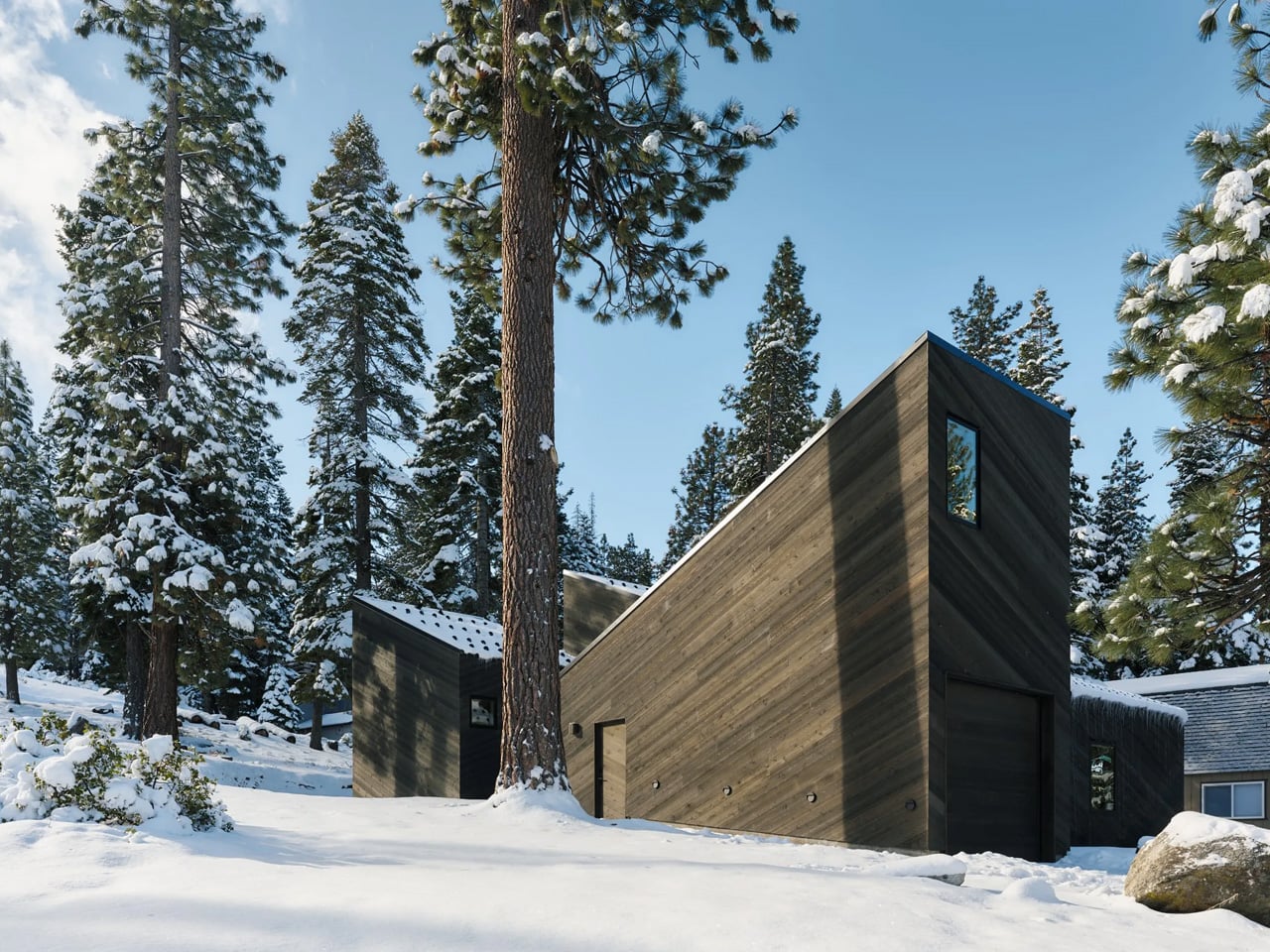
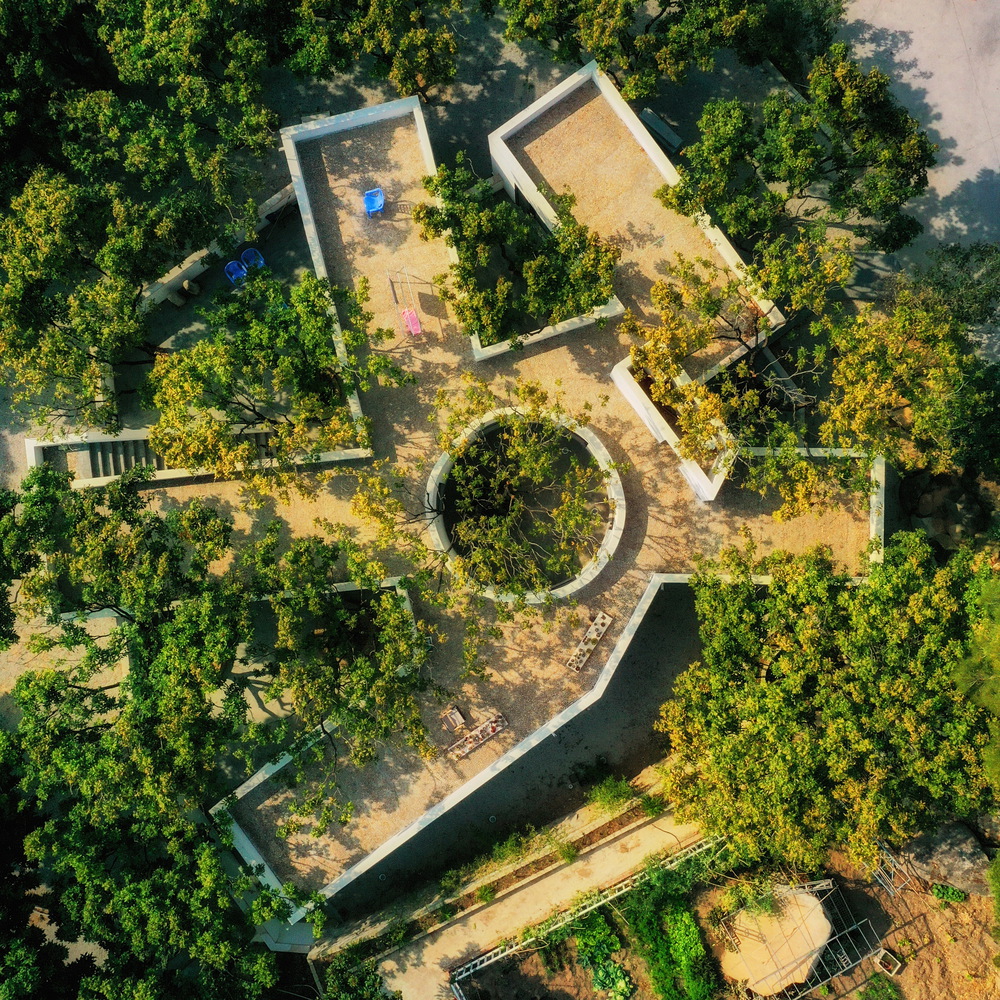
at the edge of lake como, casa punta spartivento frames views through exposed concrete
Casa Punta Spartivento is a stepped exposed-concrete house at Lake Como's rocky tip, using deep porticos and framed openings to connect interior and lake.
Design
fromYanko Design - Modern Industrial Design News
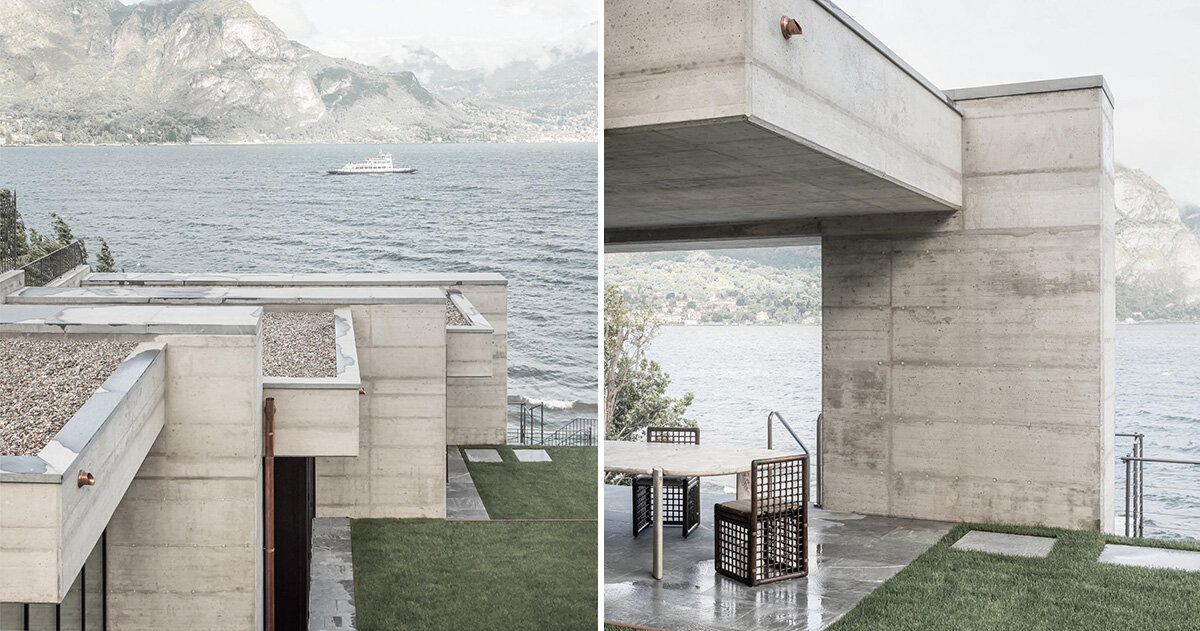
2 days agoFour Dark Cedar Volumes Stepping Down a Tahoe Slope - This Is What a Smart Cabin Looks Like - Yanko Design
Mork-Ulnes Architects' Staggered Cabin integrates with the landscape, preserving natural features and creating usable outdoor spaces.
Design
fromYanko Design - Modern Industrial Design News
3 days agoBiomimetic Architecture Reaches New Heights With This Bird-of-Paradise Yoga Space - Yanko Design
Thilina Liyanage's architecture translates animal gestures into functional designs, exemplified by the Rifle Bird Yogashala inspired by the Victoria's riflebird's courtship display.
fromdesignboom | architecture & design magazine
2 weeks agocircular timber pavilion anchors wildlife and wetland restoration park in mexico
The pavilion is recognized as the first building in Mexico constructed using cross-laminated timber (CLT). This system replaces conventional concrete and steel structures with mass timber, reducing the carbon footprint of the construction process. CLT panels are composed of layered wood elements arranged in alternating directions, creating structural stability while enabling prefabrication and efficient assembly.
Environment
Design
fromdesignboom | architecture & design magazine
4 days agoartwork uses floating fabric corridor and bodily movement to visualize climate change
Ryo Yamada's Perception Corridor is an immersive installation in Edinburgh that explores perception and environmental awareness through a 40-meter fabric corridor.
fromwww.archdaily.com
3 weeks agoRural Housing and Lodging Dormis Donata / Taller MACAA (Mision de Arquitectura, Construccion y Arte en los Andes)
The Dormis Donata form the connecting axis of KUSKA, a rural complex located at 3,100 meters above sea level in the agricultural landscape of the Sacred Valley of the Incas. Nestled between mountains and terraces, they offer a context in which architecture engages in dialogue with memory, topography, and the cyclical rhythms of the environment.
SOMA, SF
fromYanko Design - Modern Industrial Design News
3 weeks agoA Cluster of Volcanic Cabins Rises From Inner Mongolia's Fragile Steppe - Yanko Design
Rather than imposing itself on this remote terrain, the resort scatters a constellation of compact, sphere-fronted cabins across the landscape, each one placed with surgical intention over patches of degraded sand where vegetation has long struggled to take root. By positioning guest suites directly atop eroding sand depressions, the architects aim to arrest soil loss and give the steppe a chance to regenerate beneath and around the structures.
Berlin
Environment
fromArchDaily
2 weeks agoAdaptive Cabins in Costa Rica: Designing for Humidity and Ventilation in the Jungle
Remote residential cabins in Costa Rica require design strategies prioritizing structural durability and low maintenance through resilience to extreme precipitation and high humidity rather than relying solely on conventional tropical design approaches.
fromThe Art Newspaper - International art news and events
3 weeks agoTomas Saraceno and Indigenous communities build art complex in Argentine salt flats
We don't eat batteries. They take away the water; they take away life. This pronouncement, in Spanish, appears in a photograph that the artist Tomás Saraceno sent via WhatsApp last month from Salinas Grandes, a high-altitude salt flat in northern Argentina. There, in one of the world's largest lithium reserves, the artist is working alongside 11 Indigenous communities to build El Santuario del Agua (The Water Sanctuary), a monumental work about the global energy transition.
SOMA, SF
fromConde Nast Traveler
3 weeks agoExploring the Peruvian Amazon, One Riverbend at a Time, on Abercrombie & Kent's Debut Voyage
The 12-cabin cruiser Pure Amazon is Abercrombie & Kent's first voyage on these waters and is part of the brand's Sanctuary collection, which will also include the soon-to-launch riverboat After 25 years in Peru, the company is setting out to not just join a tradition but redefine smart river travel with design-led interiors that evoke a boutique hotel and with five-course dinners paired with Peruvian small-batch wines.
Travel
fromTravel + Leisure
1 month ago10 of the Greenest Places to Visit on Earth for a Lush Getaway in Nature
According to color psychology, this soothing shade helps decrease stress and improve focus-and travelers can reap these much-deserved benefits in lush landscapes around the world. Here are 10 of the greenest places on earth, which combine serenity with unforgettable adventures.
Miscellaneous
fromArchDaily
2 weeks agoCarlo Ratti Associati Designs Buzzi Heritage Cultural Center in Italy With the New Digital Construction System
The project examines the integration of digital fabrication processes into reinforced concrete construction, highlighting that while materials such as steel and timber have undergone significant transformation through digital production methods, reinforced concrete has largely retained conventional casting techniques. The proposal aims to address this condition by incorporating digitally fabricated components into the construction system.
Renovation
fromwww.theguardian.com
1 month agoRiding the wave: can surf tourism save Peru's ancient reed-boat fishing culture?
Archaeologists estimate that fishers in Peru have been using the reed boats for approximately 3,500 years. Elaborate ceramics dating back to the sophisticated Moche culture (AD100-800) and the later Chimu civilisation (900-1470), depict figures astride the craft, which was called a tup in the now-extinct Mochica language. They are believed to be among the first crafts to be used for riding waves, possibly predating Polynesian proto-surfing in Hawaii.
Food & drink
fromNature
3 weeks agoThe world's salt lakes are drying up, but solutions are hard to come by
Over time, the water evaporated to form the smaller, brinier Owens Lake. Indigenous Paiute people call the Owens Valley Payahuunadü, 'the land of the flowing water'. Today, Owens Lake is a 'Dusty Vestige of the Old West', as NASA described a photograph of the lake taken from space.
Environment
fromDesign Milk
1 month agoMatteo Thun Embeds BASIN Glacial Waters into Lake Landscape
BASIN Glacial Waters to function as both architectural frame and sensory mediator, a space where the physiological effects of thermotherapy meet the raw power of protected wilderness. With an opening last September at Fairmont Chateau Lake Louise, this marks the first thermal bathing facility in North America to fully integrate European sweat culture traditions with glacial-fed hydrotherapy at this scale.
Wellness
Design
fromdesignboom | architecture & design magazine
2 weeks agowittgenstein's cabin: amphibious dwellings in the norwegian fjords by dionisio gonzalez
Artist Dionisio González creates speculative amphibious dwellings in Norwegian fjords inspired by Wittgenstein's 1914 cabin, exploring architecture as philosophical refuge and experimental habitat in extreme landscapes.
Renovation
fromYanko Design - Modern Industrial Design News
3 weeks agoA House In Ecuador That Climbs the Land Instead of Changing It - Yanko Design
La Miradora in Ecuador's highlands uses natural terrain to shape its design, with wooden ribs as the primary structural system that adapts to the slope while providing shelter and framing views.
#sustainable-architecture
Renovation
fromColossal
3 weeks agoIn Paraguay, Architecture Doesn't Come at the Expense of Nature at 'Un Bosque en La Casa'
A contemporary home in Paraguay integrates existing trees as design guides rather than obstacles, creating a harmonious blend of modern architecture and natural forest environment.
Renovation
fromdesignboom | architecture & design magazine
4 weeks agoOMA completes a domed pavilion for both artists and mushrooms at casa wabi
OMA designed an elliptical Mushroom Pavilion at Casa Wabi in Mexico that combines mushroom cultivation with a social gathering space, featuring three functional chambers around a central amphitheater.
Renovation
fromColossal
3 weeks agoIn Paraguay, Architecture Doesn't Come at the Expense of Nature at 'Un Bosque en La Casa'
A contemporary home in Paraguay integrates existing trees as design guides rather than obstacles, creating a harmonious blend of modern architecture and natural forest environment.
Renovation
fromdesignboom | architecture & design magazine
4 weeks agoOMA completes a domed pavilion for both artists and mushrooms at casa wabi
OMA designed an elliptical Mushroom Pavilion at Casa Wabi in Mexico that combines mushroom cultivation with a social gathering space, featuring three functional chambers around a central amphitheater.
Miscellaneous
fromwww.theguardian.com
1 month agoAncient stepwells brought back to life as India begins to run out of water
A 17th-century stepwell in Hyderabad was restored after 18 months of clearing 3,000 tonnes of rubbish, providing clean drinking water to the community for the first time in four decades.
fromianVisits
1 month agoRoyal Docks plans would add floating parkland and residential boat berths
The plans would affect an area known as Royal Victoria Dock West, which is the end closest to London City Hall and the Cable Car. If carried out, the two biggest changes will be a range of floating walkways reaching into the dock, lined with water plants. The other change will be the introduction of walkways on the south side of the dock for long-term residential boat moorings.
Real estate
fromArchDaily
3 weeks agoFloating Pavilion / Studio RE+N
A slender white form hovers above the fields on minimal supports, as if a thin wing had just been lifted by the wind. "Floating" describes both a structural condition - a thin roof suspended above the ground - and a quality of time in this place, where mist drifts, light shifts, and one pauses briefly on the mountain, as in a fleeting moment of respite.
Design
fromBusiness Insider
1 month agoAfter living in South America for 7 years, there's just one region I always recommend to first-time visitors
The Andes Cordillera is full of incredible sights, unique ecosystems, and unforgettable experiences. I believe there's something here for everyone, from vibrant cities to towering volcanic peaks.
Travel
fromHigh Country News
1 month agoThe Colorado River rift abides - High Country News
Western water law is based on the prior appropriation doctrine, which gives the first entity to make "beneficial use" of water the right to keep on using that amount, even if that means that upstream "junior" users' spigots will get shut off. By the early 1900s, a rapidly growing California was enthusiastically diverting the Colorado River, with huge irrigation districts gobbling up the senior water rights.
Environment
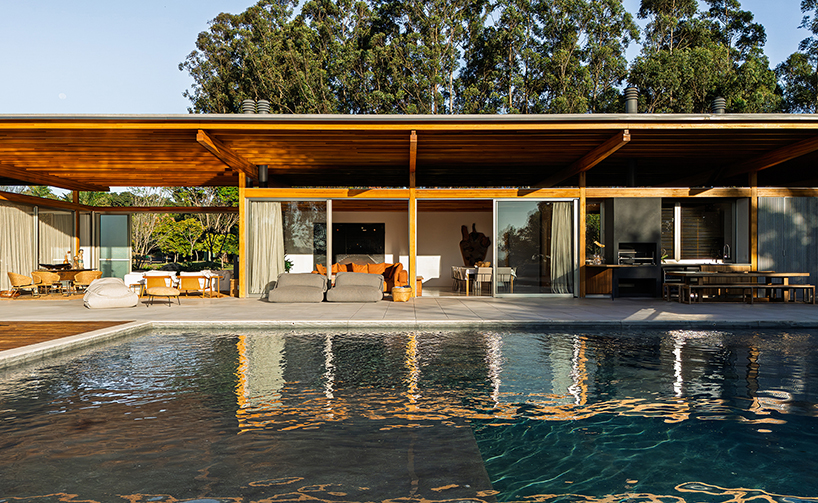
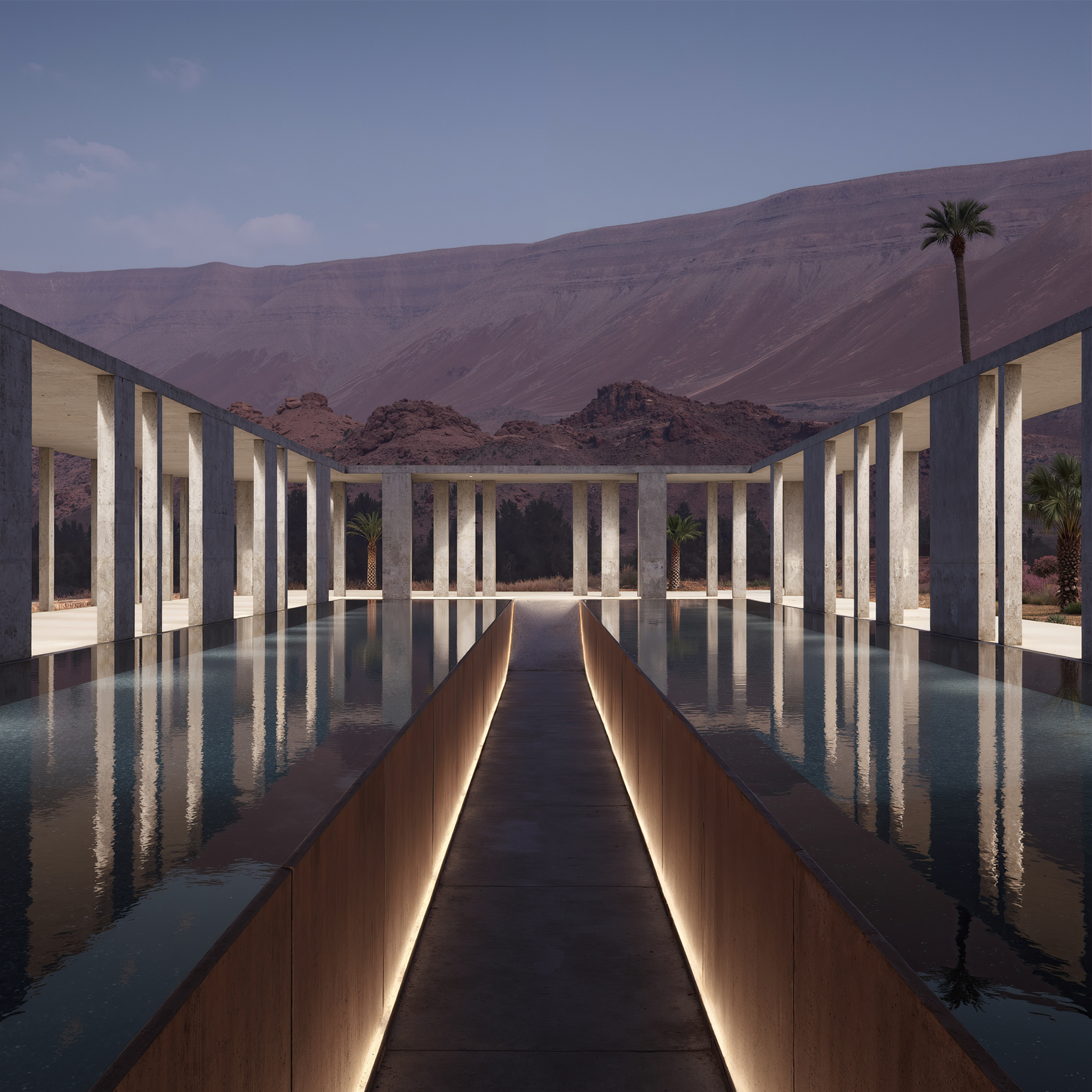
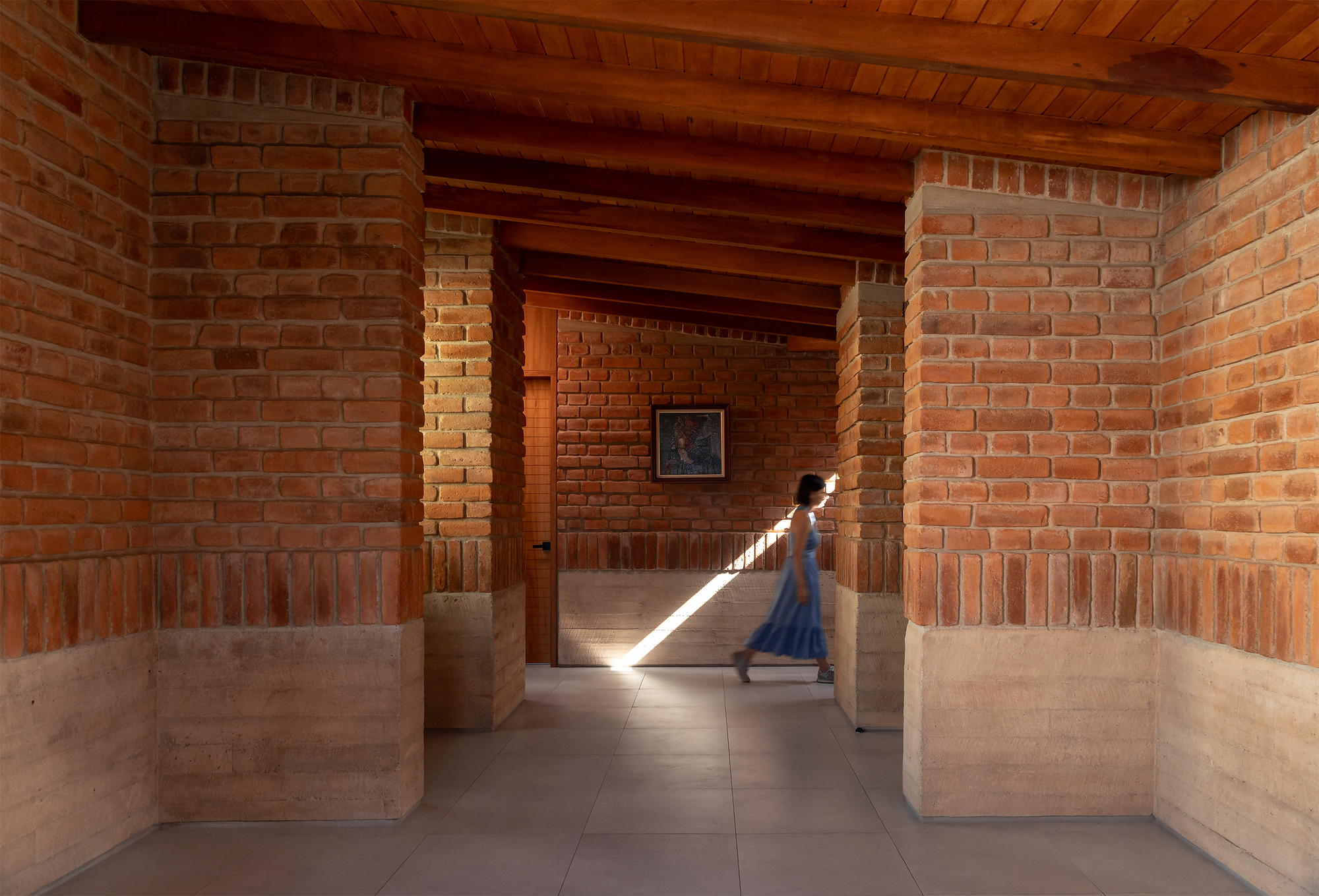
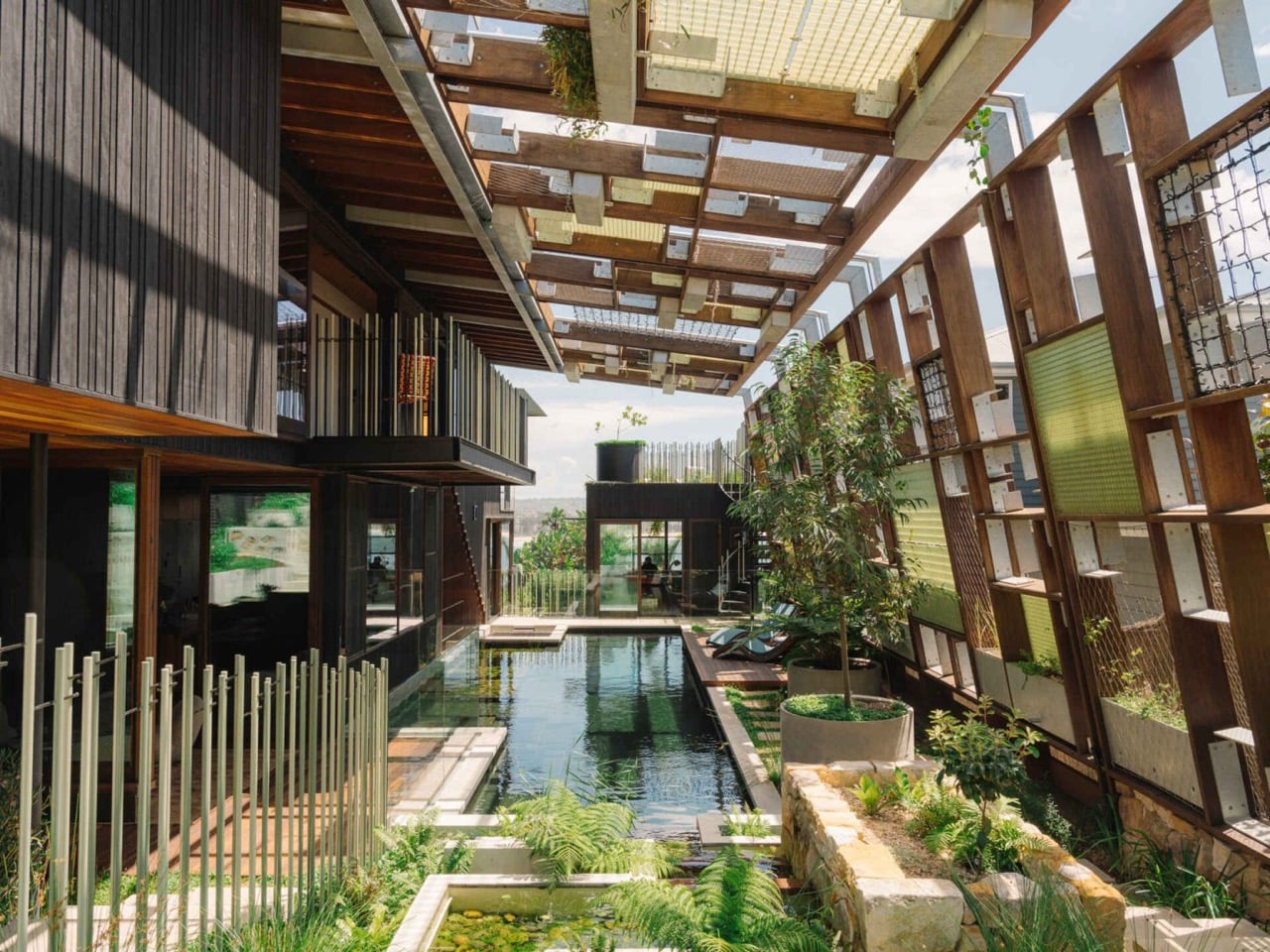
fromDesign Milk
4 weeks agoThe Fountain Celebrates Craft, Connection, and Lime Green
To drink, to bathe, to swim, water has been integral to every society, at every point in our relatively short history here on earth. We connect, drink, and extend ourselves over water, a lifegiving force whose polarity explains much of human behavior. Fostering this sense of community is vital to our health and happiness as well.
Design
Design
fromdesignboom | architecture & design magazine
1 month agovilla sensorium reimagines japan's mountain forests as living architectural landscape
Villa Sensorium integrates architecture into Yakushima's primeval forest by using water as an organizing element and mimicking natural mountain ridge forms to create inhabitable topography.
fromwww.theguardian.com
2 months agoWe're in danger of extinction': can Bolivia's water people' survive a rising tide of salt and migration?
In the small town of Chipaya, everything is dry. Only a few people walk along the sandy streets, and many houses look abandoned some secured with a padlock. The wind is so strong that it forces you to close your eyes. Chipaya lies on Bolivia's Altiplano, 35 miles from the Chilean border. The vast plateau, nearly 4,000 metres above sea level, feels almost empty of people and animals, its solitude framed by snow-capped volcanoes. It raises the question: can anybody possibly live here?
Environment
Environment
fromdesignboom | architecture & design magazine
2 months agofiji living system proposal uses kinetic concave mirrors for energy and water autonomy
Buildings can function as integrated energy, water, and environmental infrastructure using a dual-axis concave mirror system that concentrates solar energy and harvests water.
Environment
fromdesignboom | architecture & design magazine
2 months agoelevated linear park reclaims canal runing along brazilian city center
Doca Linear Park restores Belém’s waterfront by converting a 1.2 km buried canal into a continuous linear park integrating water, green infrastructure, and flood-resilient design.
Environment
fromElite Traveler
1 month agoWhat Does the Future of Ultra-Luxury Travel Look Like in the World's Most Fragile Destinations?
Ultra-luxury travel is shifting toward responsibility, with destinations using visitor levies and access controls to protect fragile ecosystems and manage overtourism.
fromwww.archdaily.com
1 month agoWaterfrom Design's Office / Waterfront Design
Studio Millspace Text description provided by the architects. Throughout eight months of design and on-site work, we realized that what truly matters is not the completeness of drawings, but the intuition shaped by being present. Around 70% of the layout was defined early on, while the remaining 30% was deliberately left without a set functionallowing light, behaviors, and moods to participate in forming the space.
Design
Design
fromdesignboom | architecture & design magazine
2 months agopermeable microhome proposal integrates groundwater recycling system in india
A prefabricated off-grid microhome captures, treats, and returns water to the aquifer, enabling hydro-positive habitation while minimizing ground disturbance.
Design
fromdesignboom | architecture & design magazine
2 months agoovoid landscape tower by gad hovers above chongqing mingyue lake in china
A slender, moon-inspired viewing tower on a Chongqing lakeshore provides a staged ascent delivering panoramic views and landmark presence within the forested park.
Design
fromdesignboom | architecture & design magazine
2 months agoreflective glass surfaces mirror the rocky terrain across andean cabin by rtresarquitectos
Faceted, reflective, elevated cabin in the Andes minimizes visual and physical impact while translating geological conditions into architectural form and improving thermal performance.
Design
fromdesignboom | architecture & design magazine
2 months agocircular bamboo roof collects rainwater at balinese restaurant by pablo luna studio
Juna Restaurant uses bamboo arches, an A-frame, and a stepped roof in a circular plan to combine passive climate strategies, vernacular craft, and river views.
Design
fromdesignboom | architecture & design magazine
1 month agocedar-clad 'staggered cabin' by mork-ulnes steps down a forested slope above lake tahoe
Four staggered cedar volumes step along a forested Tahoe slope, creating compact shed-roofed cabins that preserve boulders and trees and form sheltered outdoor courts.
Design
fromArchDaily
1 month agoZaha Hadid Architects Designs Cultural District Along the Qiantang Bay Central Water Axis in Hangzhou, China
Qiantang Bay Central Water Axis transforms former industrial waterfront into a landscaped green corridor with cultural buildings, public spaces, bridges, and sponge-city flood mitigation.
fromdesignboom | architecture & design magazine
2 months agostepped residence embedded into the hillside maximizes views and privacy in india
Designed by Habitat Architects, the Solan Hill House is a private residence embedded into a sloping site in Himachal Pradesh, conceived as an architecture that grows out of its terrain rather than resting on it. Completed as a response to complex gradients, access conditions, and visual exposure, the project uses the landscape itself as a generator of form, structure, and spatial sequence.
Design
[ Load more ]