#indoor-fruit-trees
#indoor-fruit-trees
[ follow ]
#gardening #indoor-gardening #plant-care #sustainability #pest-control #spring-gardening #container-gardening



Online marketing
fromSocial Media Explorer
3 weeks agoScrolling for Shade: What Homeowners are Actually Searching for Regarding Tree Care - Social Media Explorer
Social media tree-trimming trends prioritize aesthetics over proper arboriculture; professional pruning serves biological functions like wind resistance, not just visual appeal.
London food
fromwww.theguardian.com
3 weeks agoPlant a blossom tree in your garden and feel its magic for years to come
Blossom trees provide year-round garden interest with spring flowers and autumn foliage color, requiring minimal maintenance while offering enduring beauty and seasonal celebration opportunities.
Miscellaneous
fromwww.theguardian.com
3 weeks agoThe best places to buy plants online, according to top gardeners and landscape designers
Online plant nurseries offer wider plant selections and specialized varieties, making them ideal alternatives to local garden centers, especially for those without nearby options or preferring car-free shopping.
fromYanko Design - Modern Industrial Design News
3 weeks agoThis Planter Fits the One Balcony Spot Every Other Pot Ignores - Yanko Design
The Eckling is designed specifically for balcony corners, addressing a gap that rectangular window boxes and round hanging pots have never managed to fill. Most railing planters sit along a straight stretch of rail, so corners get skipped entirely. An L-shaped recess cut into the base of the hemispherical bowl allows it to rest squarely on two railing legs at a corner junction, no extra hardware required.
Design
Mental health
fromTasting Table
4 weeks agoCould Your Kitchen Use Some Houseplants? They May Help Beat Cabin Fever, According To Research - Tasting Table
Houseplants alleviate seasonal affective disorder and cabin fever symptoms, with low-maintenance options like peace lilies, snake plants, and pothos thriving in kitchens with limited light and space.

Everyday cooking
fromTasting Table
3 weeks agoHow To Grow Eggplant Indoors For A Faster And More Foolproof Harvest - Tasting Table
Starting eggplant seeds indoors two months before the final frost provides a significant head start, with seeds germinating in five days and requiring 100 days to maturity.
fromTasting Table
1 week agoStop Starting Your Indoor Vegetable Seeds Too Early: Here's The Timing Rule Of Thumb To Go By - Tasting Table
Seedlings are ambitious and will germinate and start growing once pressed into damp soil, shooting toward the nearest light source. However, if they remain in small containers without natural light, they can become root-bound and leggy, eventually collapsing under their own weight.
Agriculture
fromTasting Table
3 weeks agoUsing Rice Water To Fertilize Houseplants? Avoid This Mistake That Could Cost You Your Plant - Tasting Table
Rice water doesn't have any additional nutrients that plants need to grow - for example, the nitrogen, potassium, and phosphorus found in conventional fertilizers - and the starchy residue doesn't necessarily "fertilize" your plant. However, it is still water that would otherwise just be dumped down the sink, so if you're not saving your rice water for cooking, you might as well use it to hydrate your plants.
Everyday cooking
fromGardenista
1 month agoSnowscape Visit: The Max Family Garden in Brooklyn - Gardenista
There is a strong temptation to stay indoors when the world freezes. But out there in the cold, and especially after snowfall, the brown bones of gardens are suddenly emphasized, outlined in white. Visiting gardens in winter, when leaves and flowers belong to dreams of spring, allows us the thrill of anticipation, the pure pleasure of comparison, and an appreciation of structure, adding layers of understanding to our experience. It also tests our plant identification skills.
Brooklyn
fromwww.theguardian.com
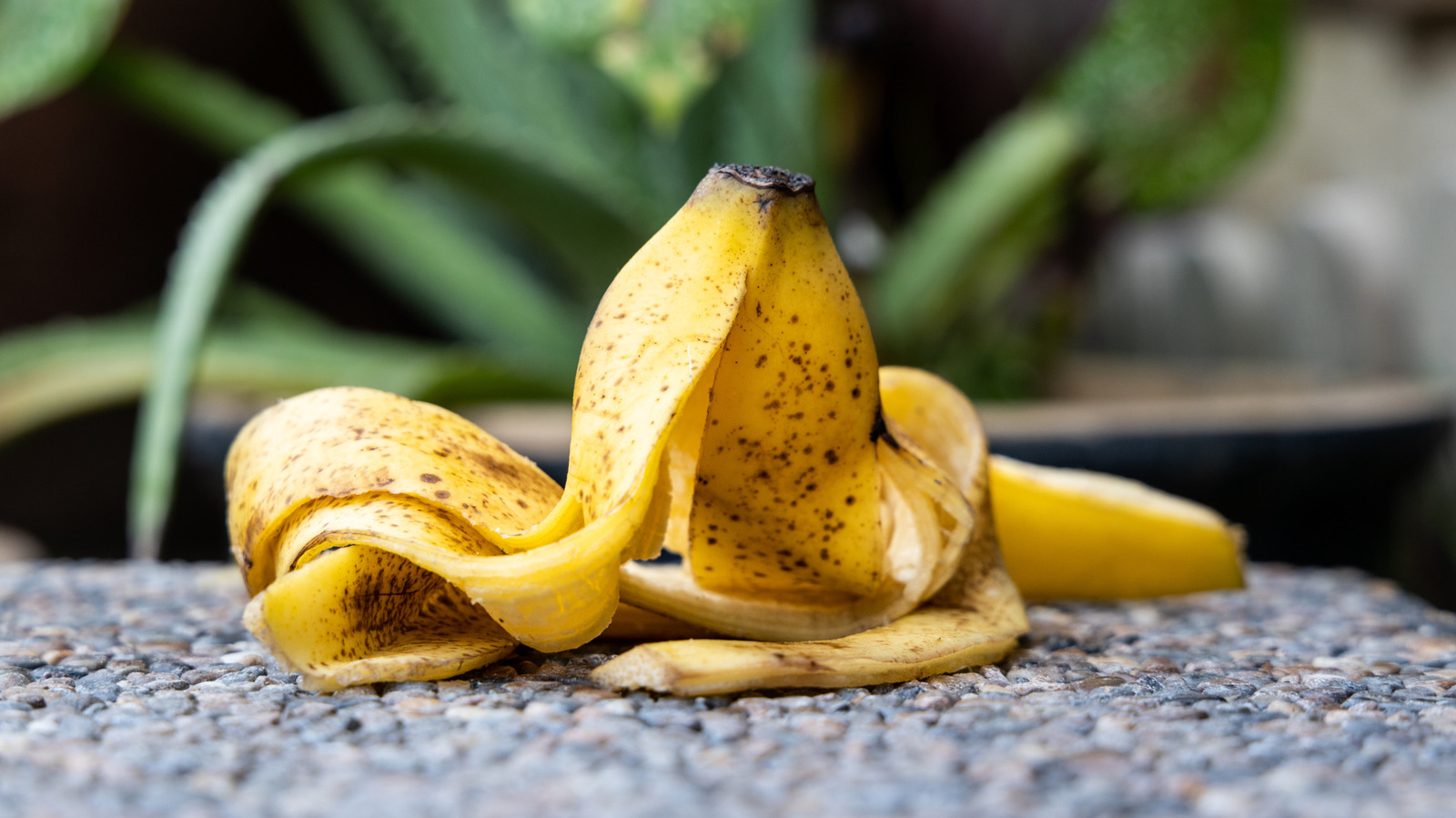
2 months agoHouseplant hacks: can you really use banana water as a fertiliser?
You are not alone: social media is full of claims that soaking banana skins in water makes a fertiliser that will give you bigger leaves and better blooms. The hack Put banana peels in a jar of water, leave them to sit, then pour the liquid on your plants. Bananas do contain potassium and small amounts of other nutrients. The snag is you have no idea how strong it is or what's missing.
Environment
fromSilicon Canals
1 month agoThe houseplant that thrives on neglect and actually prefers when you forget to water it - Silicon Canals
I killed seven houseplants before I discovered the secret: I was literally loving them to death. Every morning, I'd check on them with my watering can in hand, convinced that more water meant more love. Turns out, some plants thrive when you basically ignore them. In fact, there's one particular plant that actually prefers when you forget it exists for weeks at a time.
Science
Agriculture
fromYanko Design - Modern Industrial Design News
2 weeks agoThis Wood Greenhouse Solves the Biggest Problem Backyard Gardeners Face - Yanko Design
The Miracle-Gro Wood Greenhouse by ShelterLogic extends growing seasons and protects plants from frost and weather using double-wall polycarbonate insulation and strategic ventilation systems.
Agriculture
fromArchitectural Digest
3 years agoWe Asked Experts About the Gardening Mistakes to Avoid This Spring-These Are Their 12 Top Tips
Gardening mistakes are common and costly, but beginners can avoid major pitfalls by starting small, choosing correct locations with adequate sunlight, and understanding plant-specific requirements.
Agriculture
fromTasting Table
2 weeks agoCan You Grow A Garden From Grocery Store Produce Seeds? - Tasting Table
Growing vegetables from store-bought seeds is possible but results vary based on produce type, growing method, and post-harvest treatment, with hybrid plants producing different crops than their parent plants.
fromTasting Table
2 weeks agoThis Self-Seeding Herb Practically Grows Itself Once Established In Your Garden - Tasting Table
Garden angelica, Angelica archangelica, belongs to the Apiaceae family, the same botanical group as carrots, celery, fennel, and parsley. Like its relatives, it produces a large, distinctively umbrella-shaped inflorescence, or flower cluster, called umbels. In its first year, the plant forms a lower mound of bright green leaves. In the second, a thick, hollow stem shoots upward and unfurls the broad green flower heads that resemble wild carrot or Queen Anne's Lace.
Agriculture
fromDesign Milk
2 months agoLeafyPod Is a Self-Watering Smart Planter That Saves Your Sanity
Enter the LeafyPod, a self-watering smart planter that utilizes AI to understand your leafy companions, and keep them well cared for. The system is simple: a connected app monitors hydration and nutrient levels, noting what's best for that specific type of plant. Recently named one of TIME's Best Inventions of 2025, the hydroponic system allows users to grow herbs, greens, or flowers all year long. LeafyPod is adaptive, responding to plant health and to changes in environment.
Gadgets
Food & drink
fromTasting Table
2 months agoKeep Fruit Off Your Countertops With This Cheap And Trendy Solution - Tasting Table
Fruit hammocks free countertop space, improve airflow to reduce spoilage, and offer inexpensive, space-saving storage with design trade-offs in capacity and vertical requirements.
Agriculture
fromRedfin | Real Estate Tips for Home Buying, Selling & More
3 weeks ago13 Lawn Care Tips to Fix Everyday Landscaping Problems
Practical lawn care strategies including early weed removal, pre-emergent treatments, and proper fertilization can solve most common lawn problems and maintain healthy, thick grass.
fromTasting Table
2 months agoDon't Throw Out Those Plastic Fruit Containers - Use Them To Start An Herb Garden Instead - Tasting Table
Instead of running to the store every time you need a handful of fresh basil (and inevitably letting the rest go to waste in your fridge), having an herb garden of your own allows you to only take what you need. While this in itself is a great sustainable practice, try taking it a step further by starting an herb garden in old plastic fruit containers.
Environment
fromwww.theguardian.com
2 months agoHouseplant hacks: do moisture meters prevent overwatering?
The method Moisture meters measure electrical conductivity in the soil, which roughly correlates with moisture. Push the probe into the pot, around the root ball, read the dial and water only if it dips into the dry zone. Cross-check with the old tests: feel the soil, lift the pot to gauge the weight, and look at the plant itself. If the meter says dry but the soil feels cool and damp, trust your senses.
Gadgets
Environment
fromEarth911
1 month agoGuest Idea: Late Winter Pruning Optimizes Tree Health for Backyard Carbon Sequestration
Prune backyard trees in late winter to reveal structure, improve health, and increase long-term carbon sequestration by removing nonproductive limbs and promoting stronger growth.
Agriculture
fromTasting Table
4 weeks agoGrowing Strawberries? This Brilliant Backyard Method Is So Easy - Tasting Table
Growing strawberries in gutters is an accessible beginner-friendly method requiring minimal space, drainage holes, soil, and eight hours of daily sunlight for successful vertical gardening.
Agriculture
fromArchitectural Digest
1 year ago13 Raised Garden Bed Ideas to Elevate Your Backyard This Spring
Raised beds allow gardeners to engineer ideal soil conditions, improve ergonomics, protect crops from pests, and enable faster soil warming and easier watering compared to ground-level gardening.
fromTasting Table
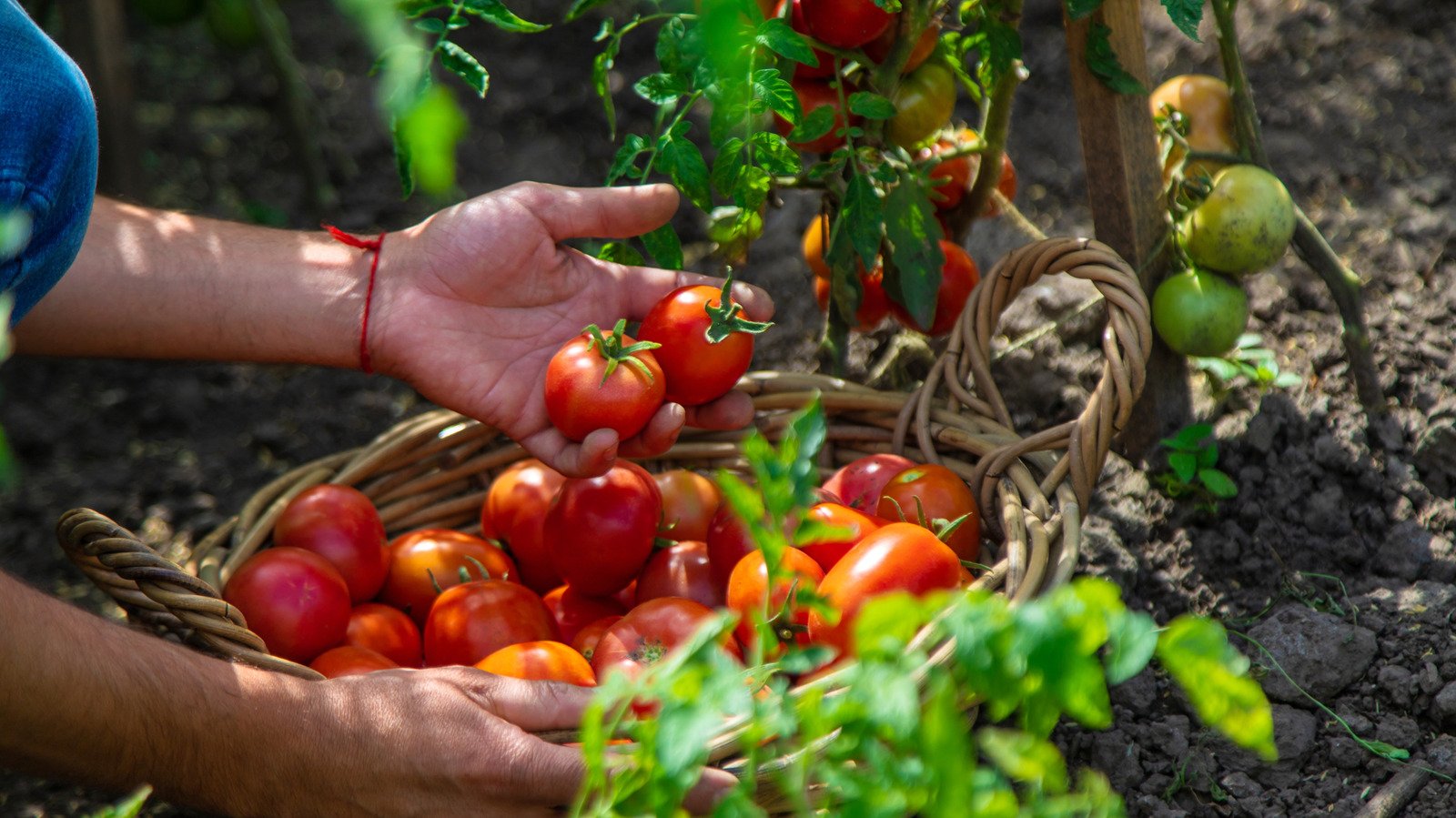
2 months ago15 Fruits And Vegetables You Can Start Growing In Late Winter - Tasting Table
Late winter is when keen gardeners can get a little restless. The weather is still cold, and spring still feels far away. Thankfully, you don't need to wait until the weather warms to start your growing season. There are plenty of fruits and vegetables that can be started in the late winter, ready for a bountiful harvest in the coming months. Each of these plants needs unique care in order to thrive, but thankfully, I can guide you through exactly the right steps.
fromTasting Table
2 months agoRadishes Actually Grow Faster Indoors During The Winter Than You'd Expect - Tasting Table
Growing your own vegetables is a fun and rewarding activity. Not only will you ensure they are at their freshest when you eat them, but you will also know how they are grown, especially if you care about pesticides and other harmful chemicals found in commercially grown produce. If you don't have an outdoor garden space, you can still grow some tasty veggies indoors - and some of the simplest (and fastest-growing) are radishes.
Agriculture
[ Load more ]