#iran-maritime-policy
#iran-maritime-policy
[ follow ]
#strait-of-hormuz #iran #trump #oil-prices #us-military #middle-east #geopolitics #maritime-security
#iran


World news
fromLondon Business News | Londonlovesbusiness.com
18 hours agoIran vows to retain control of Strait of Hormuz as tensions escalate - London Business News | Londonlovesbusiness.com
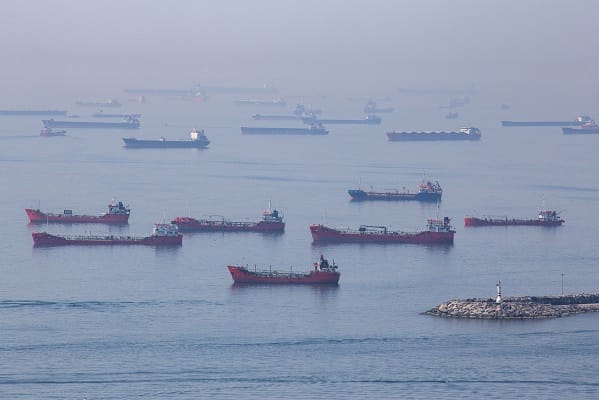
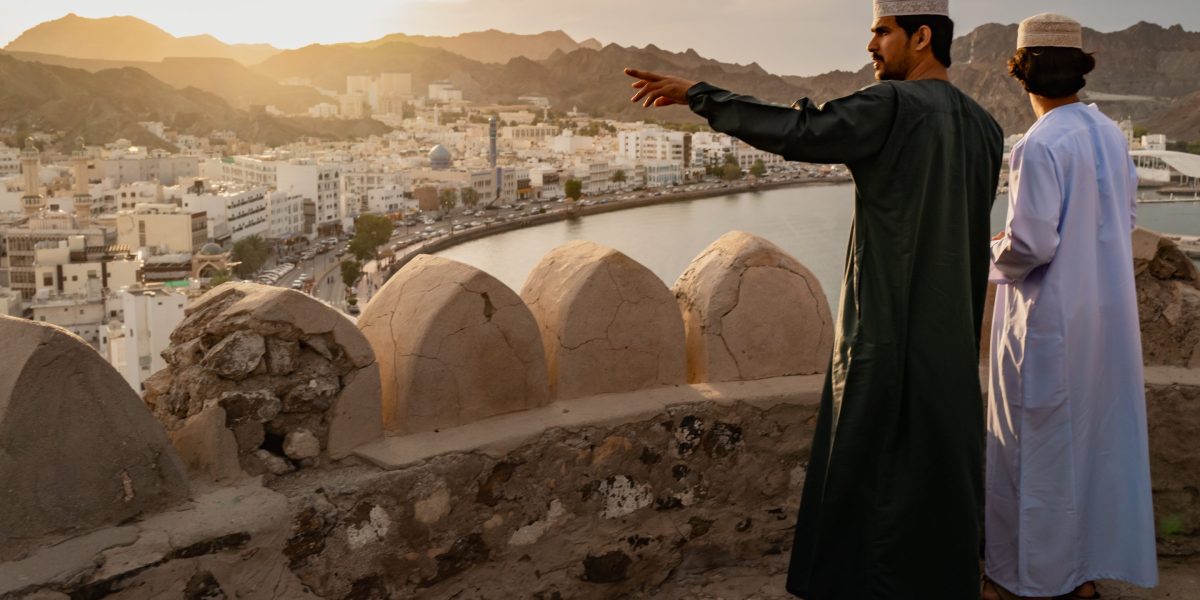
Iran intends to maintain control over the Strait of Hormuz, asserting its military capabilities and rejecting any compromise regarding its strategic position.





World news
fromIrish Independent
18 hours agoTrump gives Tehran 48 hours to open Hormuz Strait or 'all hell' will rain down as Iran urges public to search for downed US F-15 pilot
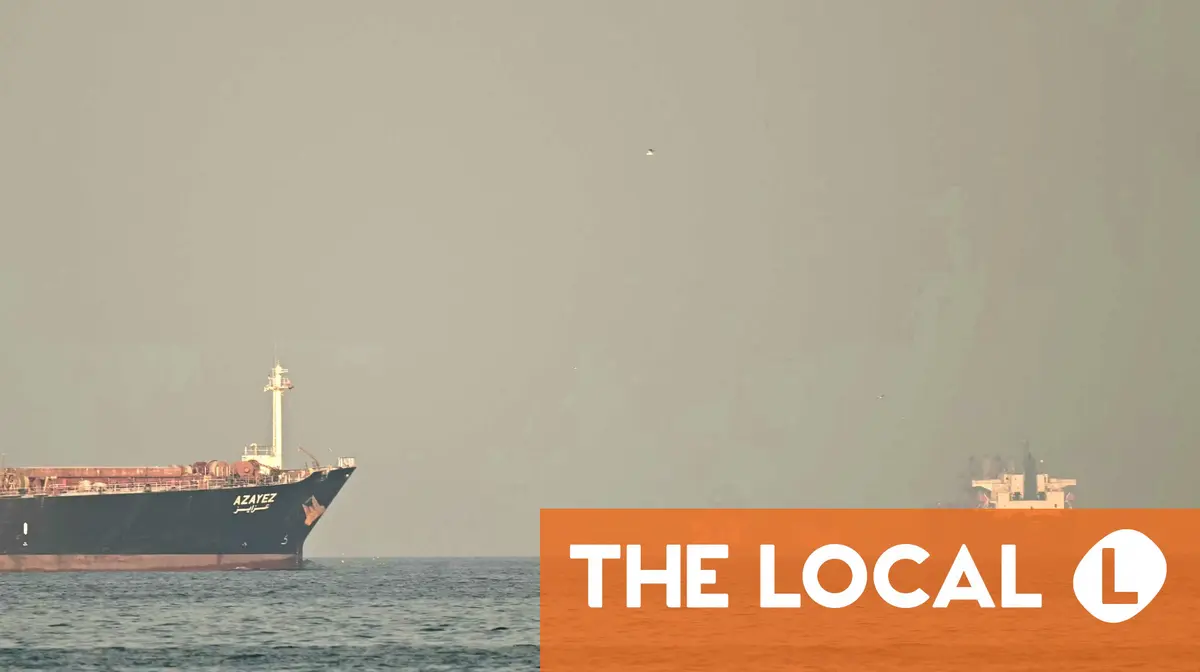
The US military conducted a rescue operation after an aircraft went down in Iran, marking a significant escalation in the conflict.
#trump



World news
fromLondon Business News | Londonlovesbusiness.com
5 days agoTrump threatens 'blow up' Iran's Kharg Island oil facilities over Strait of Hormuz blockade - London Business News | Londonlovesbusiness.com
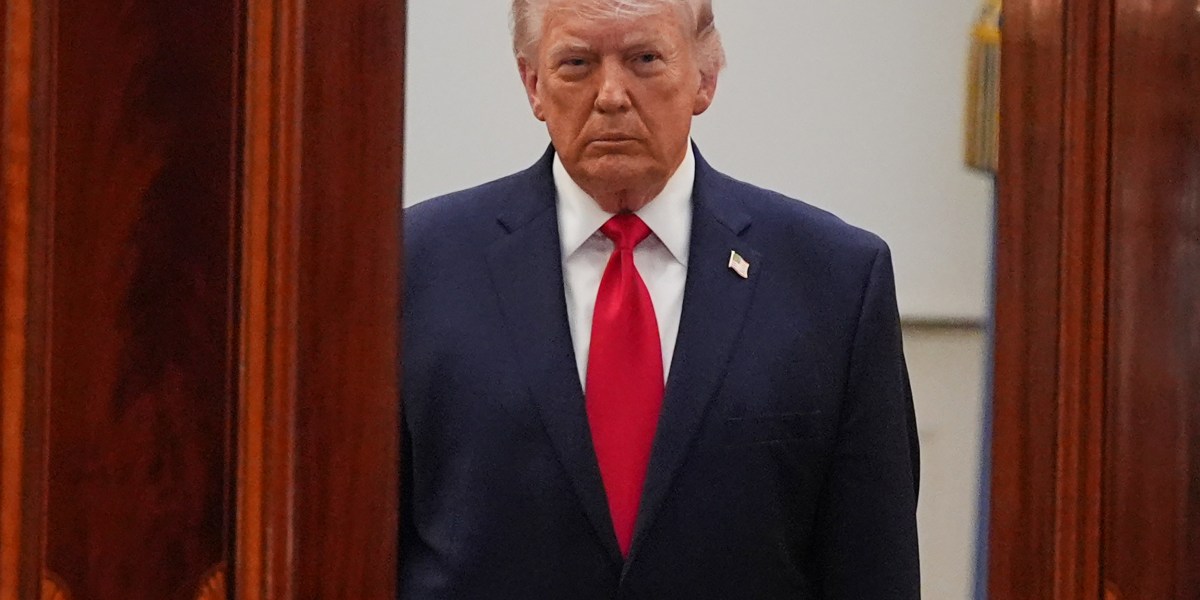
Trump threatens to destroy Iran's oil infrastructure if the Strait of Hormuz is not opened immediately.
World news
fromLondon Business News | Londonlovesbusiness.com
5 days agoTrump signals he may seize Iran's Kharg Island in bid for oil - London Business News | Londonlovesbusiness.com
Donald Trump suggested the U.S. could seize Kharg Island, Iran's main oil export hub, raising tensions and fears of a regional confrontation.
World news
fromIrish Independent
5 days agoTrump vows to 'obliterate' all of Iran's oil wells and energy plants unless Strait of Hormuz is 'immediately' opened; UN peacekeeper killed in Lebanon
Trump threatens to obliterate Iran's energy infrastructure if the Strait of Hormuz is not opened and a deal is not reached.
World news
fromLondon Business News | Londonlovesbusiness.com
5 days agoTrump threatens 'blow up' Iran's Kharg Island oil facilities over Strait of Hormuz blockade - London Business News | Londonlovesbusiness.com
Trump threatens to destroy Iran's oil infrastructure if the Strait of Hormuz is not opened immediately.
World news
fromLondon Business News | Londonlovesbusiness.com
5 days agoTrump signals he may seize Iran's Kharg Island in bid for oil - London Business News | Londonlovesbusiness.com
Donald Trump suggested the U.S. could seize Kharg Island, Iran's main oil export hub, raising tensions and fears of a regional confrontation.
fromWIRED
4 days agoThe Broken System That Keeps Shipping Crews Stranded in the Strait of Hormuz
When the war broke out, we put a Warlike Operations Area Committee in place to address the protection of seafarers in the region. The organization has identified certain maritime routes in the region, including the Arabian Gulf, the Strait of Hormuz, and some parts of the Gulf of Oman as high-risk areas, encouraging ship owners to allow seafarers to terminate contracts if they choose not to operate in those zones.
World politics
#middle-east
World news
fromLondon Business News | Londonlovesbusiness.com
1 week agoIran threatens to blockade the crucial chokepoint that connects Asia to Europe via the Suez Canal - London Business News | Londonlovesbusiness.com
Iran's threats to target vessels in the Bab al-Mandab Strait raise concerns about a potential global energy crisis.
fromwww.dw.com
5 days agoAfter the Iran war, how fast could global trade recover?
The longer this conflict goes on, the more devastating its impact will be on the world's energy supplies, inflation and economic stability. Every extra week of disruption raises costs for consumers and businesses while growth slows.
World news
World news
fromRadioFreeEurope/RadioLiberty
1 week agoHouthis Strike Israel Again, While Iran Allows 'Nonhostile' Pakistani Ships Through Strait
Houthi rebels launched missiles at Israel, escalating regional conflict and raising concerns over oil shipping routes amid ongoing military actions involving Iran and Israel.
fromLondon Business News | Londonlovesbusiness.com
1 week agoUAE ready to join maritime multinational force to reopen Strait of Hormuz
The UAE is advocating for a broad international coalition and is working with Bahrain on a proposed United Nations Security Council resolution to provide legal backing for the force.
World news
fromwww.aljazeera.com
2 weeks agoIran says it will allow Japanese ships to transit the Strait of Hormuz
Iran has stated that the Strait of Hormuz is open for ships from countries that are not considered enemies, indicating a selective blockade. Iranian Foreign Minister Abbas Araghchi emphasized that they are ready to provide safe passage to Japanese vessels, urging them to contact Iran for discussions on transit.
World news
fromwww.aljazeera.com
2 weeks agoIran allowing more ships through Strait of Hormuz, data show
Eight vessels, not including ships flying the Iranian flag, were detected in the critical waterway via the vessels' automatic identification systems on Monday, maritime intelligence company Windward said on Tuesday. The number of transits was nearly double the numbers seen in recent days, according to Windward.
World news
fromIntelligencer
3 weeks agoThe Strait of Hormuz Crisis Is Still Getting Worse
Two projectiles reportedly struck the Thai-flagged Mayuree Naree off the coast of Oman, setting the ship ablaze and forcing at least 20 crewmembers to evacuate. Three crewmembers were reported missing by a Thai maritime official. Iran's IRGC Navy later confirmed that it had fired on the ship after it ignored warnings not to traverse the strait.
World news
World news
fromwww.aljazeera.com
1 month agoIran says will attack any ship trying to pass through Strait of Hormuz
Iran's IRGC threatens to close the Strait of Hormuz and attack vessels attempting passage, targeting global oil supplies in retaliation for Israeli-US strikes that killed Iranian leadership.
World news
fromBusiness Insider
1 month agoFighting with Iran has spread to tankers at sea. Ships are coming under fire around the busy Strait of Hormuz.
Multiple vessels near the Strait of Hormuz have been attacked, with at least one tanker evacuated and shipping companies avoiding the route due to escalating US-Israel-Iran conflict.
[ Load more ]