#iraq-2003-invasion
#iraq-2003-invasion
[ follow ]
#iran #iraq #us-military #middle-east-conflict #nouri-al-maliki #iran-backed-militias #us-foreign-policy



#iraq


World news
fromenglish.elpais.com
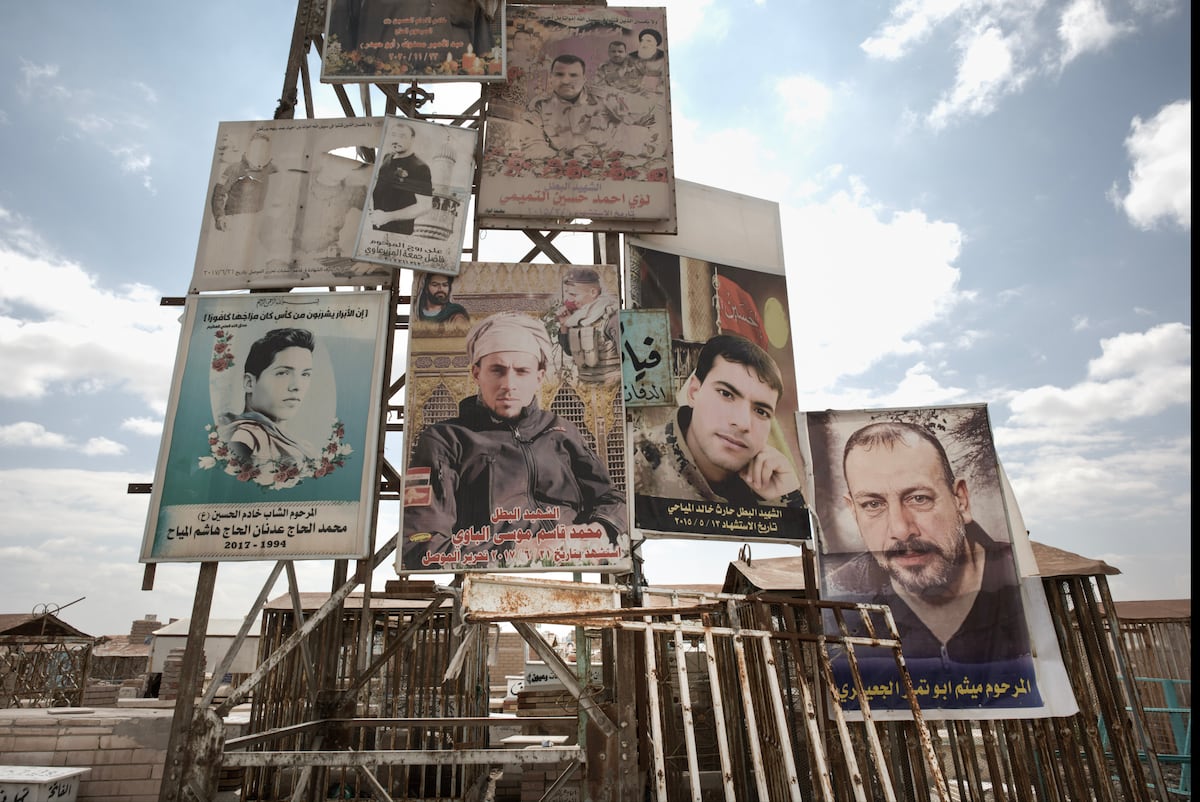
1 week agoIraq mourns its dead after worst strike against its army since the start of the war: Why did the Americans attack us?'
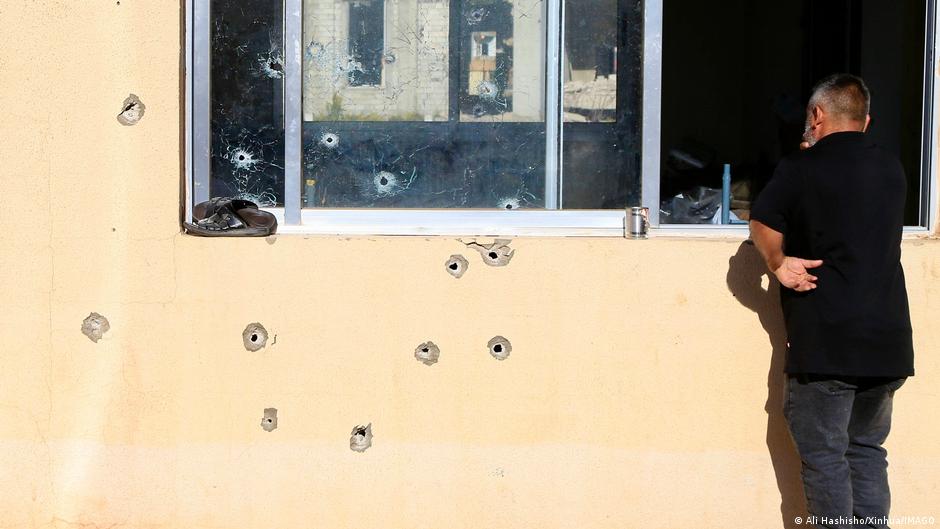
A U.S. airstrike on an Iraqi army base in Habbaniyah resulted in seven deaths and numerous injuries, raising tensions between Iraq and the U.S.
World news
fromenglish.elpais.com
1 week agoIraq mourns its dead after worst strike against its army since the start of the war: Why did the Americans attack us?'
A U.S. airstrike on an Iraqi army base in Habbaniyah resulted in seven deaths and numerous injuries, raising tensions between Iraq and the U.S.
fromLondon Business News | Londonlovesbusiness.com
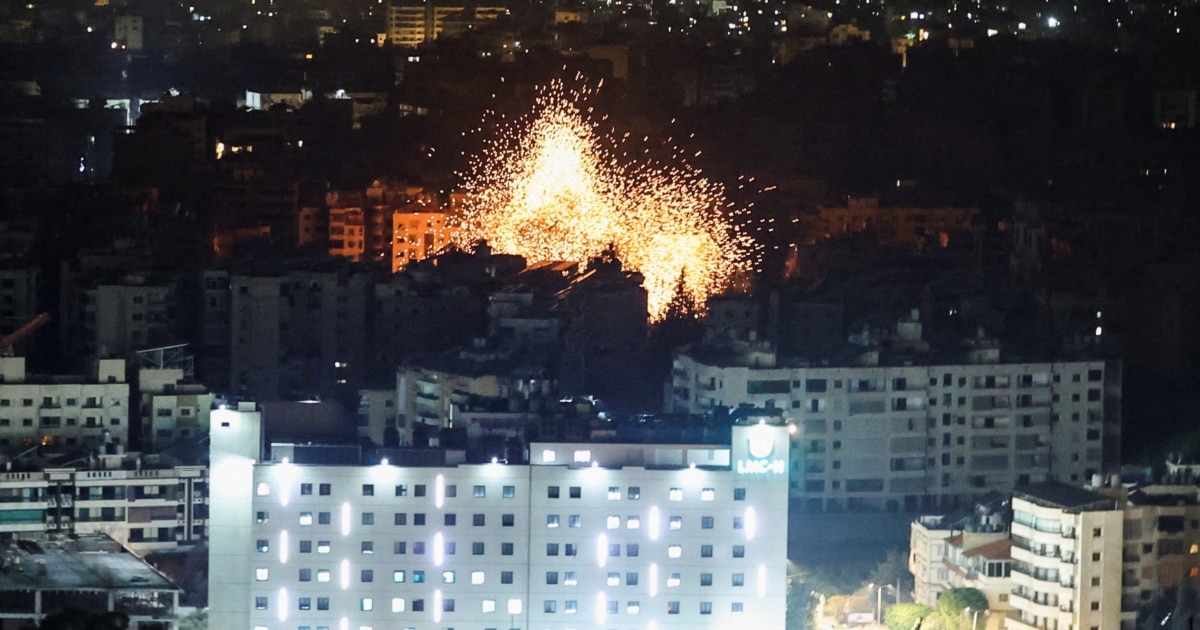
6 days agoIsrael to widen the ground invasion in southern Lebanon - London Business News | Londonlovesbusiness.com
I have just instructed the military to expand the existing security buffer zone further. We are determined to change the situation in the north fundamentally.
France politics

World news
fromLondon Business News | Londonlovesbusiness.com
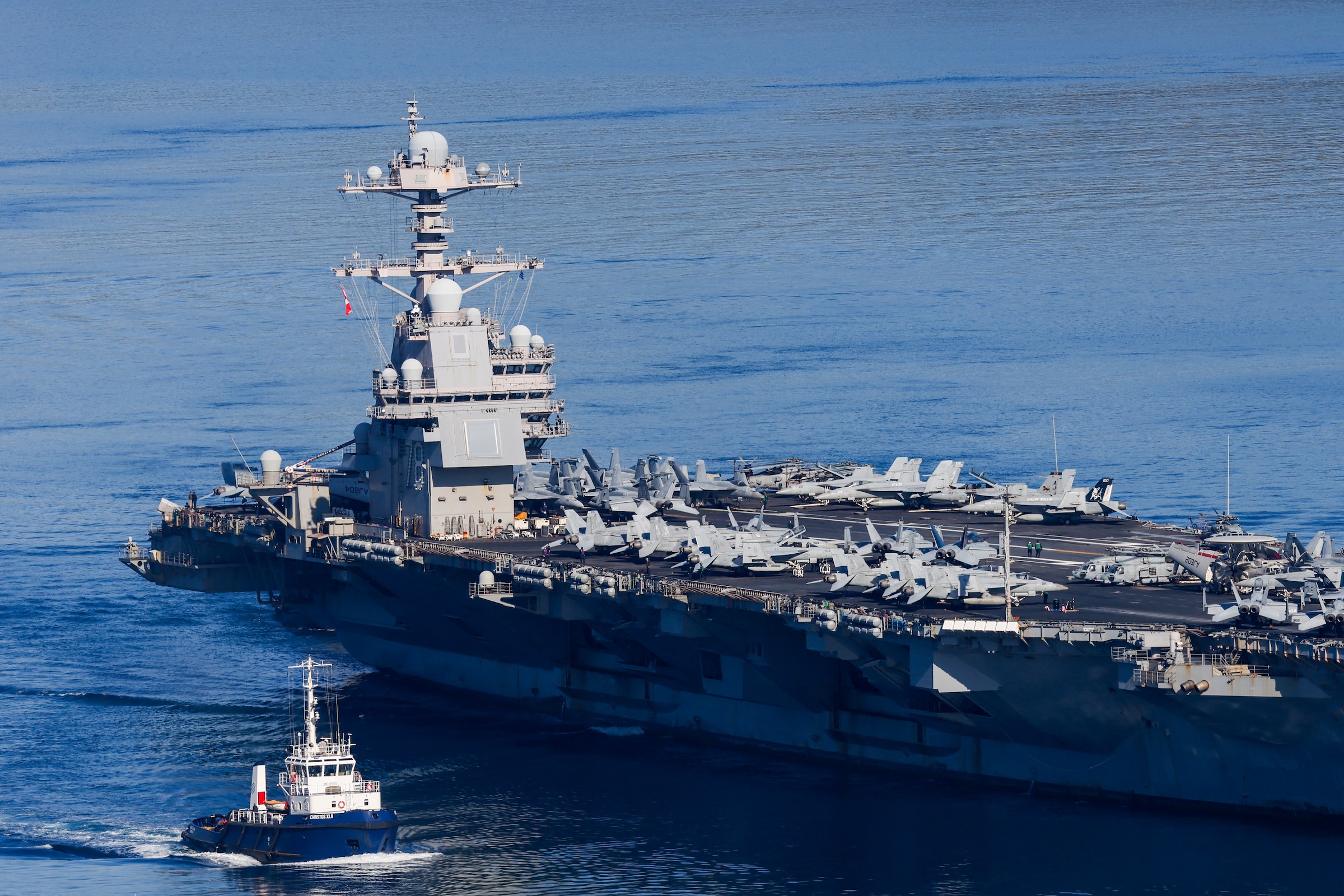
4 days agoBritish troops deployed to Middle East to bolster allies against Iranian attacks - London Business News | Londonlovesbusiness.com
The UK is deploying additional troops and advanced defense systems to the Middle East to enhance regional security and support allies against threats.
#us-israel-military-operations
France politics
fromRadioFreeEurope/RadioLiberty
3 weeks agoUS Warplane Down, French Soldier Killed In Iraq As Iran War Effects Spread
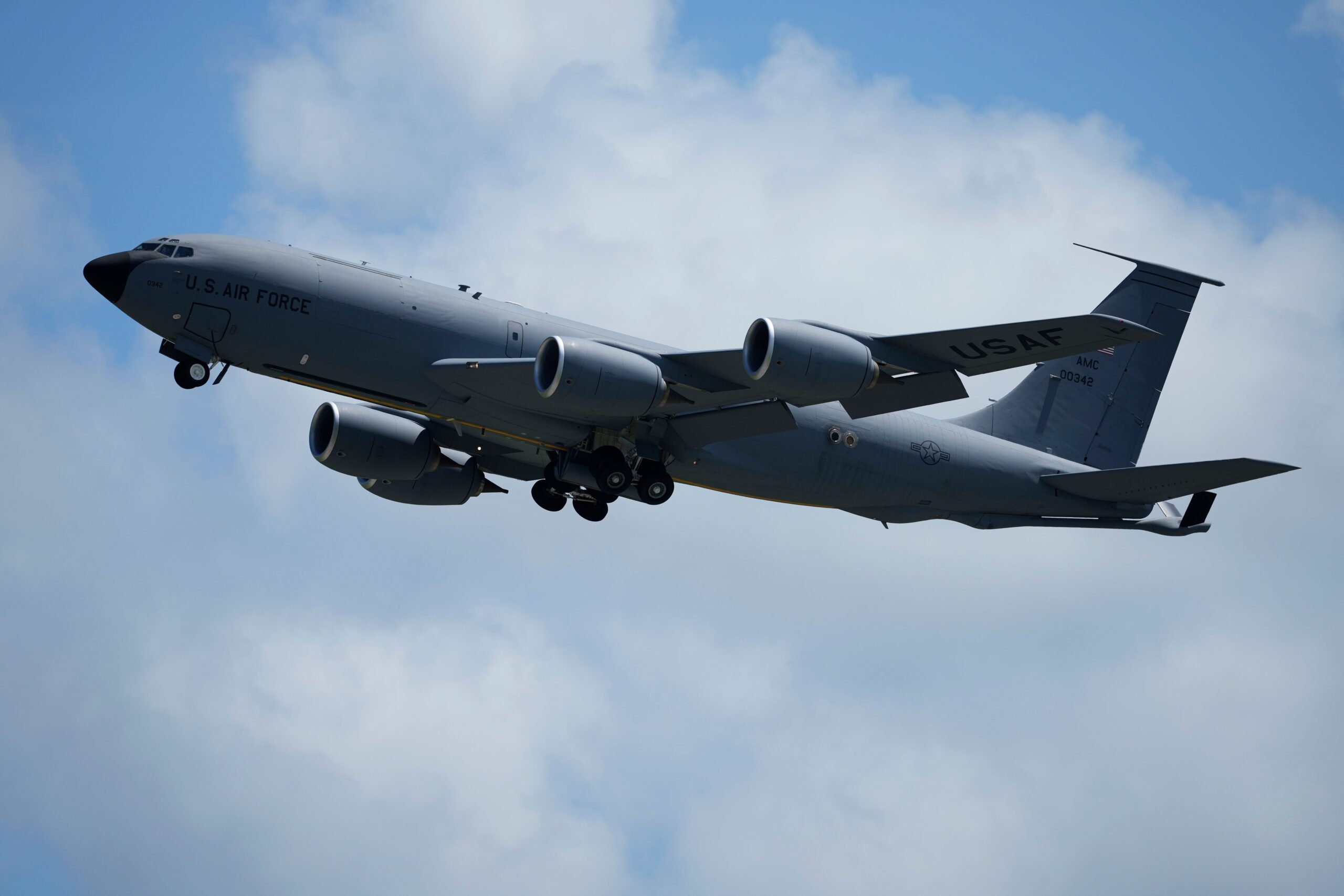
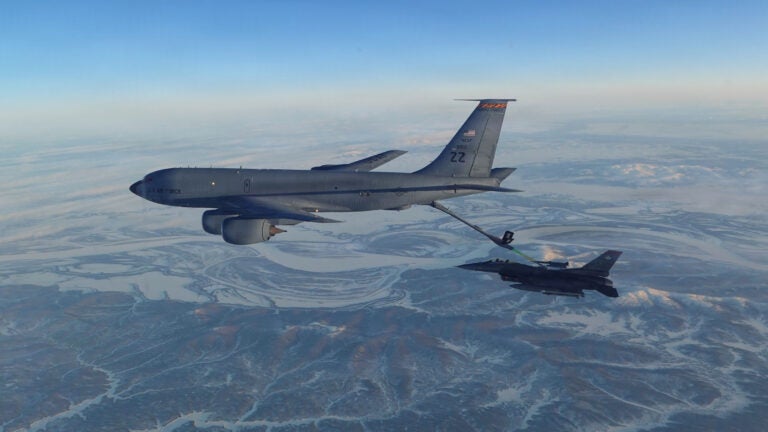
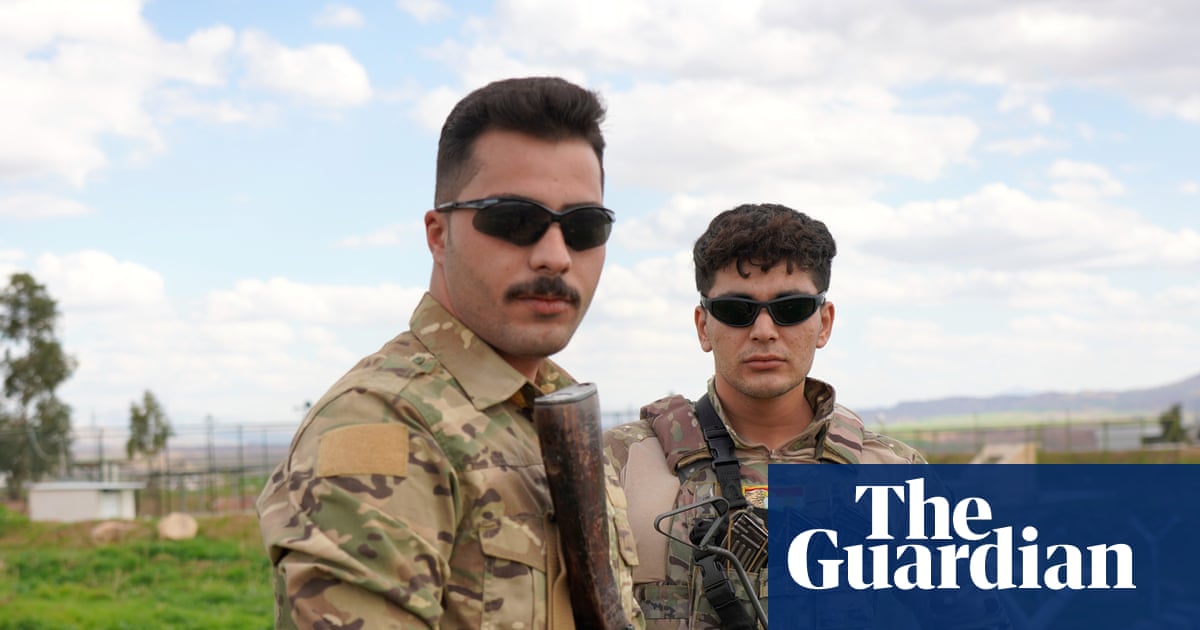
A US KC-135 refueling plane crashed in Iraq after a midair collision with another refueling aircraft during Operation Epic Fury, while a French soldier was killed in a drone attack in Iraqi Kurdistan as regional tensions escalate.
World news
fromwww.theguardian.com
1 month agoAirstrikes hit Iran-Iraq border as US and Israeli plan to mobilise Kurds gathers pace
US and Israeli airstrikes target Iranian military positions along Iraq border while supporting Kurdish and Baloch militant groups for potential cross-border operations against Iran.
fromThe Atlantic
2 weeks agoIran's War Is Not Only With the West
For us who lived under the siege of the Iranian-backed militias, this looks completely different, so our happiness for the death of Khamenei was immense. Western audiences and policy makers naturally take greater interest in Western victims and the threats Iran poses to the West. However, the imbalance of power between Iran and the West means that Iran has caused relatively limited harm to Western interests since its 1979 revolution.
World politics
fromwww.theguardian.com
1 month agoAmerica lied about the Iraq war. Then they weren't believed about Ukraine | Moustafa Bayoumi
Both the CIA and MI6 had amassed troves of deep intelligence about the impending war and were issuing dire notices to their allies about the inevitability of an invasion by Putin. Those warnings were all but ignored in key European capitals. Why? In large part because US and British intelligence were considered untrustworthy after the extraordinary intelligence debacle in the run-up to the 2003 invasion of Iraq.
Russo-Ukrainian War
fromThe New Yorker
3 weeks agoWhy Iran's Allies Have Yet to Join the War Effort
The Houthis, a Zaydi Shiite Islamist rebel group, which the U.S. has designated as a foreign terrorist organization, are among Iran's most powerful and resilient allies. They are a key part of the so-called Axis of Resistance, an informal Iran-led military coalition in the Middle East. During his speech, al-Houthi suggested that the Houthis were ready to lend military support to Iran: 'We are fully prepared for any necessary developments,' he said.
World politics
fromThe Atlantic
6 days agoThe Kurdish Ground Force Preparing to Fight in Iran
We are on the trigger finger. After 22 years in the movement, we have never been this busy. The American-Israeli effort to bring down the Iranian regime is not likely to succeed without the help of PJAK and other Kurdish armed groups.
World news
World politics
fromFortune
3 weeks agoHow the Iran War is related to the real winner of the Iraq War 20 years ago | Fortune
Destroying state institutions creates power vacuums filled by the most organized force present, not by better alternatives, as demonstrated by Iran's influence in post-invasion Iraq.
World politics
fromwww.theguardian.com
3 weeks agoFrom Bush Sr to Trump: the risks, lessons and legacy of US interference in the Middle East
The United States has repeatedly intervened in Middle East conflicts since the Cold War, consistently producing unintended consequences and regional instability despite declarations of ending interference.
World news
fromenglish.elpais.com
1 week agoThe dilemma of Iraqi Kurds in the face of their Western allies' offensive against Iran: It's not our war'
Iraqi Kurdistan faces danger from ongoing U.S.-Israeli operations against Iran, with increased missile attacks and a tense atmosphere during Nowruz celebrations.
#middle-east-conflict

World news
fromFortune
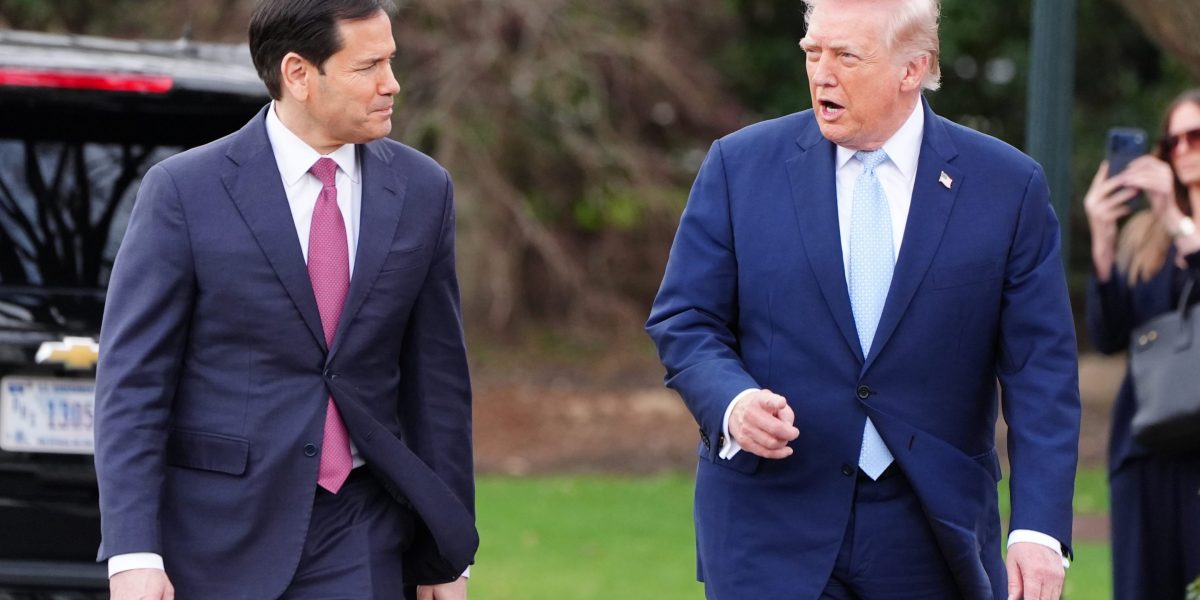
2 weeks agoThe U.S. is deploying 3 more amphibious assault ships and 2,500 additional Marines to the Mideast, joining more than 50,000 troops already there | Fortune
Iran threatened to expand attacks globally as U.S. increases military presence amid escalating Middle East conflict.

fromwww.aljazeera.com
2 weeks agoUS weighs sending thousands of troops to region as Iran war rages: Report
The deployments could help provide Trump with additional options as he weighs expanding US operations, with the Iran war well into its third week, Reuters reported on Thursday, at the same time further entrenching the US in a foreign war, the like of which he had repeatedly promised never to do.
World news


fromwww.aljazeera.com
3 weeks agoUS Embassy in Baghdad, Iraq targeted with missile, hits helipad
A missile struck a helipad inside the US Embassy in Baghdad, two security officials told the Associated Press news agency. The projectile landed within the embassy's boundaries after the Green Zone, the heavily fortified district in central Baghdad that houses Iraqi government institutions and foreign embassies, added the security officials, who spoke on the condition of anonymity as they are not authorised to speak with the press.
World news
fromwww.aljazeera.com
3 weeks agoAttacks from all sides: Why Iraq was dragged into US-Israel war on Iran
Within hours of the United States-Israeli attacks on Iran, US assets in Iraq's Kurdistan region came under retaliatory attacks from Tehran-backed groups, dragging the country into the conflict that has since expanded across the Middle East and beyond. Since then, US assets located in Iraq have come under multiple attacks from pro-Iran groups and Iran's powerful Revolutionary Guard Corps (IGRC).
World news
World news
fromLondon Business News | Londonlovesbusiness.com
3 weeks agoFour US airmen killed after refuelling aircraft crashes in Iraq - London Business News | Londonlovesbusiness.com
Four US service members died in a KC-135 Stratotanker crash in western Iraq; two crew members remain missing and rescue operations continue.
fromwww.theguardian.com
3 weeks agoRescue effort under way as US military refueling plane crashes in Iraq
A US military refueling aircraft crashed in western Iraq on Thursday, in an incident US Central Command said involved another aircraft but was not the result of hostile or friendly fire. The United States has surged a large number of aircraft into the Middle East to take part in operations against Iran.
World news
World news
fromwww.aljazeera.com
3 weeks agoIran war live: Oil tankers hit in Iraq, Tehran sets 3 conditions for peace
Iranian President Pezeshkian demands recognition of Tehran's rights, war reparations, and international guarantees against future aggression to end the conflict, while regional tensions escalate with attacks on oil tankers and interception of Iranian missiles and drones.
fromFortune
3 weeks agoInvestors priced in a 6-week Iraq War but it lasted 8 years and cost $3 trillion. They're doing it again | Fortune
When the U.S. invaded Iraq in March 2003, Defense Secretary Donald Rumsfeld famously predicted the conflict would last "six days, six weeks-I doubt six months." It lasted eight years, injured nearly 40,000 Americans, killed 4,500, and drained what Brown University's Costs of War project calculates as nearly $2 trillion in direct spending-with veterans' medical and disability payments projected to add $1 trillion more over 40 years.
World news
World news
fromwww.aljazeera.com
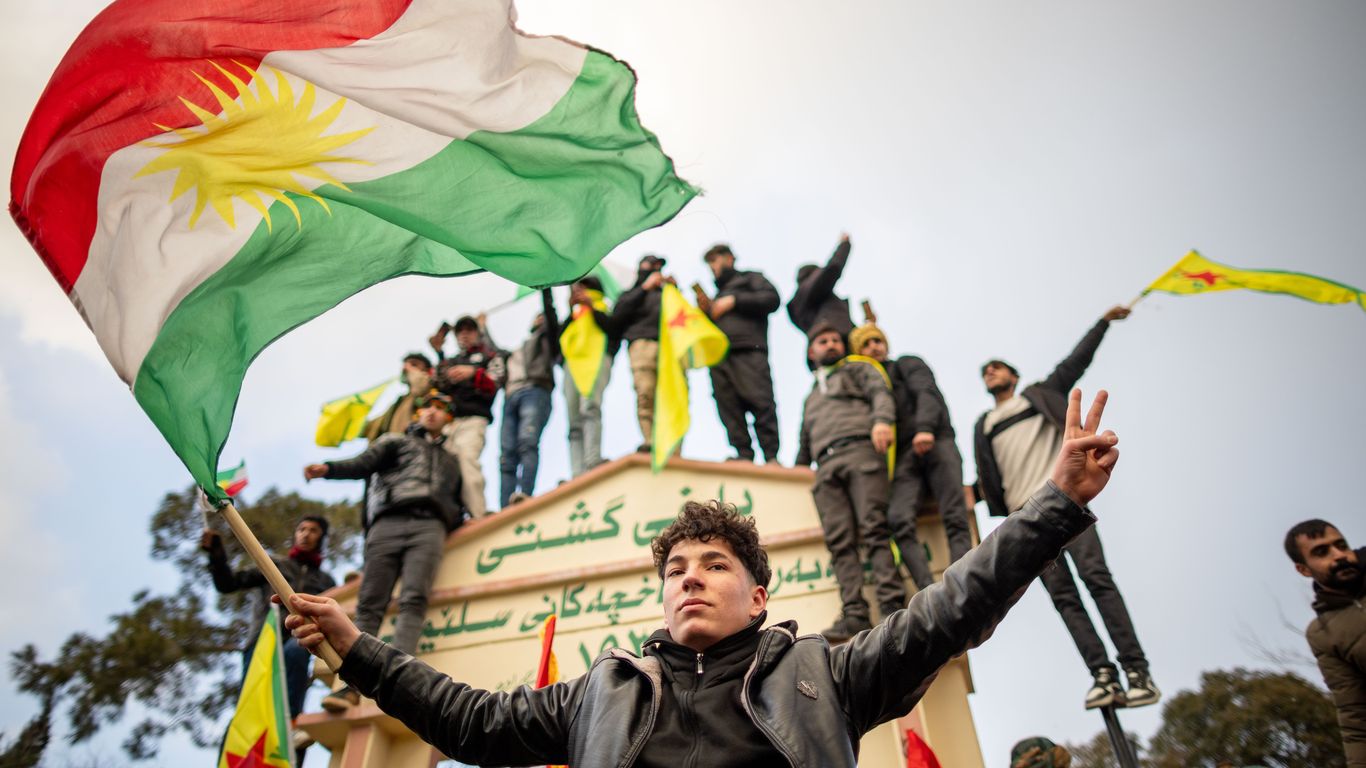
4 weeks agoIranian Kurd leader in Iraq says ground operation into Iran highly likely'
Iranian Kurdish nationalist groups based in Iraq are considering cross-border ground operations into Iran, with US contact reported, while Iran's IRGC strikes separatist targets in Iraqi Kurdistan.
#kurdish-militias

World news
fromAxios
1 month agoKurds backed by Mossad, CIA could lead next phase of war in Iran
Five Kurdish Iranian dissident groups formed a coalition backed by Mossad and CIA to conduct ground operations against Iran from Iraqi territory, with Israeli officials promising political support for Kurdish autonomy if the regime collapses.
World news
fromwww.mediaite.com
1 month agoFox News Reports Thousands of Iraqi Kurds Have Launched a Ground Offensive Into Iran'
Iraqi Kurds launched a ground offensive into Iran, reportedly coordinated by the Trump administration to destabilize the Iranian regime, though concerns exist about supporting designated terrorist organizations.
fromwww.mediaite.com
1 month agoWe've Already Won': The Iran War's Mission Accomplished' Moment Has Quickly Arrived
On May 1, 2003, George W. Bush landed on the USS Abraham Lincoln in a flight suit, stood before a banner reading Mission Accomplished, and declared that major combat operations in Iraq were over. But the mission had not been accomplished. The war would continue for another eight years, cost nearly 4,500 American lives, and reshape the Middle East in ways no one in that administration anticipated or fully acknowledged.
World news
World news
fromwww.theguardian.com
1 month agoMiddle East in flames': what the papers say about the war on Iran
US and Israeli attacks on Iran and Ayatollah Ali Khamenei's death dominated global media with divided international reactions ranging from criticism of recklessness to support for bold action.
fromwww.theguardian.com
2 months agoShock, awe, death, joy and looting: how the Guardian covered the outbreak of the Iraq war
The ground war began in Iraq last night as British and American marines stormed beaches on the Gulf coast in an assault on the south-eastern city of Basra, while explosions lit up Baghdad under a heavy bombardment by cruise missiles. The first British fatalities came shortly afterwards when a US helicopter crashed in Kuwait, killing all on board. Suzanne Goldenberg's front-page report from Baghdad revealed that only two hours after the decapitation effort, Saddam Hussein himself had made a defiant appearance on television.
World news
World news
fromwww.theguardian.com
2 months agoIraq's former prime minister denounces blatant American interference' in election
Donald Trump threatened to withdraw US support if Nouri al-Maliki returned to power; Maliki called the threat blatant American interference and a violation of Iraqi sovereignty.


fromThe Cipher Brief
2 months agoIran at the Breaking Point: How Afghanistan and Iraq Still Inform U.S. Strategy
EXPERT PERSPECTIVE - Iran is experiencing its most consequential period of internal in years. Nationwide demonstrations driven by economic collapse, social grievance, and political frustration have been met with force, mass arrests, and near-total information control. The scale and coordination of the response suggest a regime that feels threatened but not unmoored, confident in its ability to absorb pressure while preventing fragmentation.
World news
fromwww.aljazeera.com
2 months agoIraq's Kataib Hezbollah warns of total war' if Iran is attacked
Kataib Hezbollah is one of the largest groups within the Popular Mobilisation Forces (PMF), founded in 2014 to stop lightning advances by ISIL (ISIS) at the time. In a phone call with Iraqi Prime Minister Mohammed Shia al-Sudani on Sunday, US Secretary of State Marco Rubio urged Baghdad to keep a distance from Iran. Rubio said, Iraq can fully realise its potential as a force for stability, prosperity and security in the Middle East
World news
[ Load more ]