#irs-liens
#irs-liens
[ follow ]
#tax-refunds #irs #hmrc #tax-filing #tax-deductions #tax-law-changes #irs-staffing #housing-affordability
#tax-refunds

Retirement
fromIrish Independent
3 weeks agoRevenue urges taxpayers to claim back money they are owed via MyAccount
Revenue has paid €637m in tax refunds to over 661,000 taxpayers this year, with average refunds of €964, but significantly more money remains available to PAYE workers through unclaimed tax reliefs.

Retirement
fromIrish Independent
3 weeks agoRevenue urges taxpayers to claim back money they are owed via MyAccount
Revenue has paid €637m in tax refunds to over 661,000 taxpayers this year, with average refunds of €964, but significantly more money remains available to PAYE workers through unclaimed tax reliefs.




fromFortune
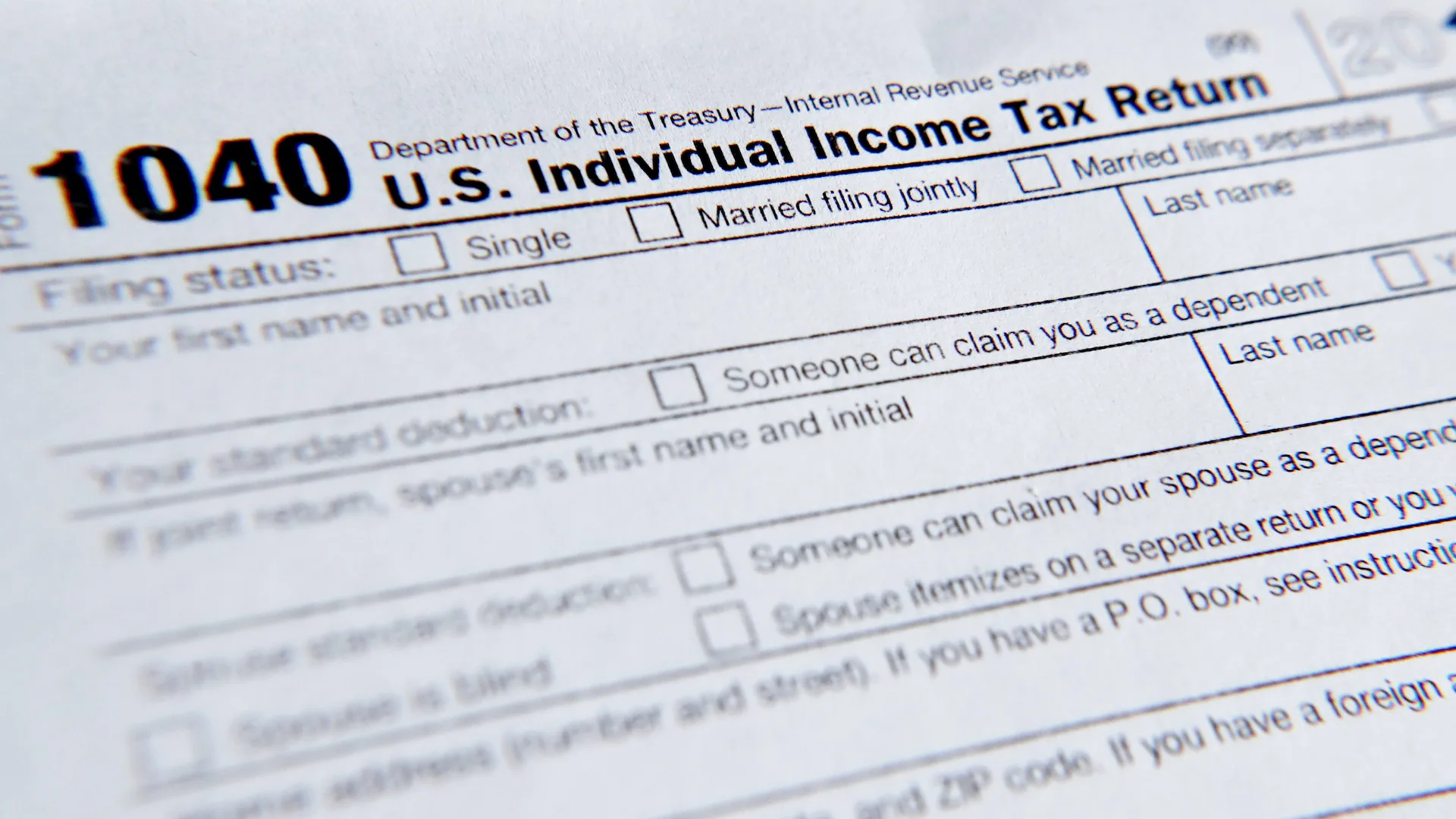
1 week agoAmericans spend $146 billion and 11.6 billion hours doing their taxes, and most of it is just filling out paperwork | Fortune
These figures reflect what we see every day. Compliance isn't difficult because people are careless—it's difficult because it's fragmented, deadline-driven, and overwhelmingly manual.
Deliverability
UK politics
fromBusiness Matters
2 weeks agoHMRC interest 'double standards' branded unfair as taxpayers face higher charges than rebates
HMRC charges taxpayers 7.75% interest on late payments but pays only 2.75% on refunds, creating a structurally unfair system with no equivalent penalties for HMRC delays.
fromwww.npr.org
2 weeks agoThis tax season, there's a new deduction for interest on car loans
Taxpayers who bought a new car in 2025 can, in some cases, deduct interest on their auto loan. The deduction was created by the One Big Beautiful Bill Act, which also removed taxes on tips and overtime for qualifying workers, and relevant to new car shoppers eliminated a tax credit for buying electric vehicles.
Cars


Law
fromFast Company
3 weeks agoThe IRS may owe you money from the pandemic years - but you have to claim it
A federal court ruling may entitle taxpayers to refunds for penalties or interest incorrectly charged by the IRS between January 20, 2020 and July 11, 2023 during the Covid pandemic emergency period.
SF politics
fromFortune
1 month agoNationwide voter revolt over property taxes collides with reality that every other revenue source has been slashed already | Fortune
Multiple states are pursuing property tax cuts during election years, facing resistance over impacts on local government and school funding, reminiscent of California's 1978 Proposition 13.
#social-security-taxation


Retirement
from24/7 Wall St.
3 weeks ago85% of Your Social Security Can Be Taxed and Most Retirees Never See It Coming
Combined income—adjusted gross income plus tax-exempt interest plus 50% of Social Security benefits—determines what percentage of Social Security is taxed, with frozen IRS thresholds since 1984 causing more retirees to face taxation as benefits rise with inflation.


fromBitcoin Magazine
1 month agoU.S. Government Seizes Over $580 Million In Crypto
In only three months, we have made significant progress, freezing, seizing, and forfeiting cryptocurrency worth more than $578 million from these criminals. She said her office will seek forfeiture through the courts and aims to return funds to victims.
Cryptocurrency
Privacy professionals
fromwww.aljazeera.com
1 month agoUS tax agency broke privacy law approximately 42,695 times', judge says
A federal judge ruled the IRS violated tax confidentiality law by disclosing taxpayer information to Immigration and Customs Enforcement approximately 42,695 times without proper authorization.
fromBusiness Insider
1 month agoThinking about moving or buying a home? These 20 states have the lowest property tax rates in the US
Property taxes represent a recurring cost that can significantly affect financial planning, savings capacity, and long-term affordability. Even if a home's purchase price appears manageable, high property taxes can dramatically increase the overall cost of ownership and strain household budgets.
Real estate
US politics
fromFortune
1 month agoThe IRS turned over confidential taxpayer info to ICE 'approximately 42,695 times.' That was illegal, judge says | Fortune
A federal judge ruled the IRS violated federal law by disclosing confidential taxpayer information approximately 42,695 times to Immigration and Customs Enforcement without proper authorization.
US politics
fromwww.mediaite.com
1 month agoJudge Rules IRS Broke The Law Approximately 42,695' Times By Giving ICE Data
A federal judge ruled the IRS violated federal law approximately 42,695 times by disclosing confidential taxpayer addresses to ICE without proper verification that requests met legal requirements.
fromBusiness Insider
2 months agoTax season is about to begin. Here's what you need to file taxes and avoid missing a deadline.
It's that time of year again. Tax season is about to begin, and most Americans need to complete their 2025 filings by Wednesday, April 15. To avoid missing a deadline or paying a penalty, plan to check your local tax dates and income paperwork as soon as possible. Here's everything you need to know about taxes in the new year.
Business


California
fromLos Angeles Times
2 months agoCalifornia bill increases penalties for fake liens used to harass politicians, businesses
California bill would increase penalties for fraudulent liens, making filers liable for triple court fees to deter harassment of officials, businesses, and court employees.




fromwww.bbc.com
1 month agoCounty council facing 'effective bankruptcy'
"If we don't get what we need [in terms of extra government help] then a Section 114 Notice will come in, which is effective bankruptcy. We'd then get administrators come in, in effect - they'd then make a plan for where the money gets spent in Worcestershire. It would be a catastrophe. We're going to have to halt projects that were put into the budget by the previous administration, things that maybe were 'nice to have', but we can't afford them."
UK politics

fromCbsnews
1 month agoSee where U.S. homeowners pay the highest property taxes by county and state
Property taxes around the U.S. have long been a lightning rod for debate, with political leaders perpetually balancing the need to fund their budget priorities against the risk of alienating homeowners and businesses. This week, for example, New York City Mayor Zohran Mamdani sparked an uproar by proposing to close a budget hole by sharply raising property taxes.
US politics
fromBloombergtax
2 months agoSupreme Court Case Among State and Local Tax Issues to Watch
Many of those developments will continue to affect SALT in 2026 as we see renewed challenges to Public Law 86-272, a federal law that prohibits states from imposing income taxes on out-of-state businesses that only solicit sales of tangible personal property in the state. There also will be developments involving digital advertising taxes, federal tax law changes, interstate disputes, and a US Supreme Court ruling involving the government's right to take property to satisfy a tax lien.
Law
fromThe Art Newspaper - International art news and events
2 months agoAs the 'great wealth transfer' gets underway, what are the current inheritance tax rules?
"We are still in the early days of the so-called great wealth transfer," says the lawyer Pierre Valentin, the joint head of art law at Fieldfisher. "The wave started in the US with the sale of collections such as those of Sydell Miller, Mica Ertegun and more recently, Leonard Lauder. The wave is coming to Europe, for example with the auction of the collection of Pauline Karpidas [last] September. I expect that there will be many more of those 'white glove' sales in the next 10 to 15 years because younger collectors collect differently from their parents and grandparents."
Law
fromwww.twincities.com
2 months agoIRS head announces a shake-up on the eve of the 2026 tax season
Days before the 2026 tax filing season begins, the head of the IRS announced a shake-up Tuesday, saying the personnel and operational changes are intended to improve taxpayer service and modernize the agency. The timing of the announcement coincides with a critical moment for the agency, as the IRS prepares to process millions of tax returns while simultaneously implementing major tax law changes under the tax and spending package President Donald Trump signed into law last summer.
US politics
Retirement
fromSubstack
1 month agoAn IRS Agent's Side Hustle, Anthropic's $300B Tender, & Can You Afford a $1.8M Home? - Ep 176
Coverage includes IRS moonlighting, managing overfunded 529s, investment diversification, insider purchase signals, selling private shares, Anthropic valuation, and high-income home affordability.
fromFast Company
2 months agoIRS announces little-known trick to get your 2026 tax returns accepted early
A new year brings a new tax filing season. With many cash-strapped Americans worried about their finances, many can't wait to file their returns. The sooner you file, the sooner your chances of getting your refund, after all. But just when can you begin submitting your tax return to the Internal Revenue Service (IRS)? That depends. Here's what you need to know about the 2026 tax filing season.
US politics




fromKqed
1 month agoFile Your Taxes With an ITIN? What We Know Right Now About the IRS-ICE Data Agreement | KQED
Millions nationwide have begun the process of filing their yearly taxes - including many immigrants without a permanent immigration status. But since President Donald Trump's return to the White House, his administration has sought access to IRS data - including taxpayers' addresses - to further its immigration crackdown and locate undocumented immigrants. And last April, ICE and its parent agency, the Department of Homeland Security, secured a data-sharing agreement with the IRS, alarming many taxpayers who use ITINs to file.
US politics
from24/7 Wall St.
2 months ago10 States Crushing Wallets with Sky-High Tax Burdens In 2026
When it comes to tax season, it's always an annual reminder that where you live does determine how much of your paycheck actually stays in your pocket. While federal taxes apply equally across state lines, state and local taxes can vary, often dramatically, and for residents of the highest-taxed states, the difference can amount to thousands of dollars every year.
US politics
fromZDNET
2 months agoHow to file your taxes for free in 2026 - 4 ways to do it (despite Direct File's demise)
Tax filing season officially begins on Monday, January 26. If you missed the news last year, the IRS has ended its Direct File Service. My home state joined the program in 2025, and while it wasn't the only free option for filing taxes, I can attest it was absolutely the easiest -- especially if your tax situation goes beyond basic W-2 forms. (I was surprised to learn that fewer than 300,000 people used the service last year.)
US politics
US politics
fromFortune
2 months agoYes, you're getting a bigger tax refund. Your kids won't thank you for the $3 trillion it's adding to the deficit | Fortune
Recent tax legislation raises refunds for many, but its primary benefit is improving investment and work incentives, warranting continued reform to address affordability.
[ Load more ]