#iso-20022
#iso-20022
[ follow ]
#digital-assets #cryptocurrency #blockchain #payments #stablecoins #stablecoin #cross-border-payments #ripple #xrp



fromnews.bitcoin.com
4 days ago1inch Business Launches Model Context Protocol for Agentic DeFi Trading
The integration allows developers to build goal-oriented workflows where agents plan and execute swaps across the 1inch network using the Swap Application Programming Interface (API). This update provides rapid access to a suite of 15 APIs, including Portfolio and Gas Price tools, reducing integration time from days to minutes.
Business intelligence
fromnews.bitcoin.com
1 week agoMoonpay Launches Open Wallet Standard to Unify AI Agent Payments
The Open Wallet Standard (OWS) is designed to solve fragmentation in the agent economy by allowing artificial intelligence (AI) agents to hold value and sign transactions without exposing private keys. This initiative is backed by over 15 major organizations, including the Ethereum Foundation and Paypal, and is available on platforms like Github and npm.
European startups

E-Commerce
fromSearch Engine Roundtable
2 weeks agoUniversal Commerce Protocol Get New Additions Including Cart & Catalog
Google's Universal Commerce Protocol adds optional cart, catalog, and identity linking capabilities to enable agents to complete purchases directly across the web without traditional storefronts.




Miscellaneous
fromTearsheet
3 weeks agoHow Modern Treasury is building a payments platform for a hybrid money world - Tearsheet
Modern Treasury launched an integrated payments platform combining fiat and stablecoin infrastructure, reducing setup time from six months to days through native stablecoin support via its Beam acquisition.
EU data protection
fromCointelegraph
1 month agoHow EU Crypto Tax Laws Are Set to Work in Practice
The EU's DAC8 directive expands tax transparency for cryptocurrency by requiring platforms to report user identity, tax residency, and transaction data to authorities starting January 1, 2026, with automatic information exchange among member states.
Venture
fromLondon Business News | Londonlovesbusiness.com
1 month agoWhat the next wave of fintech will look like
The fintech sector is projected to grow from $400 billion in 2026 to $1.7 trillion by 2034, with maturation shifting focus from customer acquisition to sustainable profitability and comprehensive financial services.
fromEntrepreneur
1 month agoWhy the Payments Industry Is Being Rebuilt From the Inside
The problem was not growth or demand or even competition. It was settlement. Payments took days to clear. Reconciliation took weeks. Cash piled up in the wrong places. Finance teams spent their time explaining why the numbers did not match instead of planning what came next.
Miscellaneous
fromFast Company
1 month agoHow technology is reinventing global payments
Consider this snapshot of the near future: You're in a taxi on the other side of the world. You pay your driver with the same digital wallet you use at home, and he receives the money in his wallet linked to the local instant payments network. He's set a rule in his bank app-"send 30% of every payout to my family back home"-and funds are converted immediately to a third currency and delivered to relatives in a country thousands of miles away.
Digital life
fromCointelegraph
1 month agoHow EU Crypto Tax Laws Are Set to Work in Practice
Starting Jan. 1, 2026, updated reporting obligations require crypto platforms operating in the EU or serving EU users to provide detailed information on users and their transactions to tax authorities. This change aligns digital assets more closely with the transparency requirements long established in conventional finance.
EU data protection
#blockchain


Cryptocurrency
fromnews.bitcoin.com
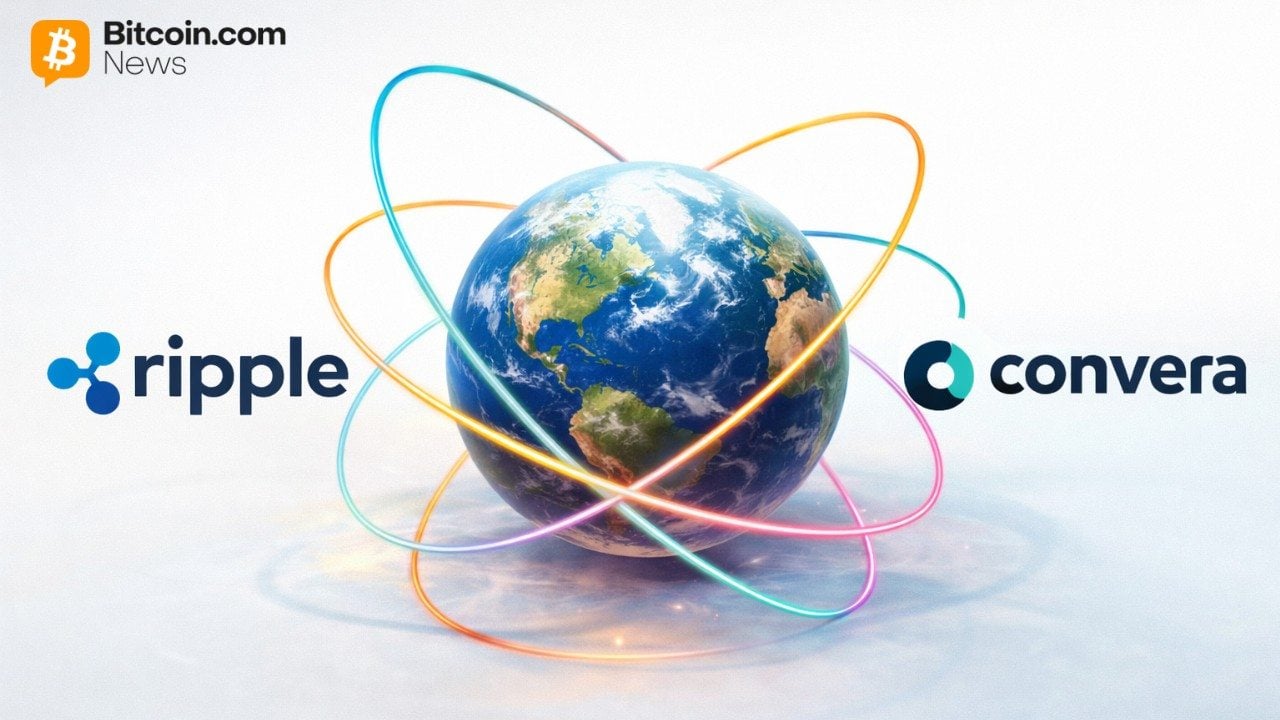
4 days agoRipple Expands Cross-Border Payments With Faster, Reliable Settlements in Convera Collaboration
Rising demand for efficient international settlements is driving blockchain-based payment models, exemplified by Ripple and Convera's partnership for crypto-enabled solutions.
fromTearsheet
3 days agoHow Paze is betting bank trust can crack the digital wallet market - Tearsheet
I'm the general manager of Paze, one of the business units of Early Warning Services. The mandate is really to take Paze and bring this new payment checkout system to the masses - both on the consumer side and on the merchant side - really making sure that our goal of becoming one of the top three wallets for checkout in the next five years becomes reality.
Cryptocurrency


UK news
fromLondon Business News | Londonlovesbusiness.com
2 months agoCrypto payment rails are reshaping risk management for UK online businesses - London Business News | Londonlovesbusiness.com
UK firms must integrate and govern crypto payments as core payment rails due to January 2026 reporting and compliance obligations.

fromwww.theguardian.com
1 month agoHow cryptocurrency's second largest coin missed out on the industry's boom
Ryan, who had worked for seven years at the Ethereum Foundation (EF), Ethereum's de facto governing body, suggested that Ethereum could be on the cusp of an era-defining shift. Since its founding in 2014, the foundation had prioritized technical upgrades and had avoided centralizing power while its user base was growing, but Ethereum had now grown up, and the cryptocurrency world around it had grown up, too.
US politics
US news
fromTearsheet
2 months agoCrypto made a comeback in 2025 - this time with banks testing the waters - Tearsheet
Banks, treasurers, and regulators enabled real-world cross-border settlement using stablecoins, deposit tokens, and tokenized instruments on public blockchains under a new regulatory framework in 2025.
Business
fromSilicon Canals
1 month agoACI Connetic Accelerates Global Adoption as UK Banks Can Now Unite SWIFT, CHAPS and Faster Payments on One Cloud-Native Platform - Silicon Canals
ACI Connetic deployed in the UK by a retail bank unifies SWIFT, CHAPS, and Faster Payments on a cloud-native SaaS platform, enabling consolidation and innovation.
Tech industry
fromBitcoin Magazine
2 months agoBTC Inc Standardizes Bitcoin Operations Using BTCPay Server Across Events, Payroll, And Treasury
BTC Inc restructured operations around Bitcoin-native infrastructure using BTCPay Server to run payments, payroll, and treasury, minimizing custodial reliance and friction.



fromBitcoin Magazine
1 month agoStandard Chartered, B2C2 Partner On Institutional Crypto Access
Standard Chartered and B2C2, a global provider of institutional liquidity for digital assets, announced a strategic partnership in hopes of improving institutional access to crypto markets. The collaboration brings together Standard Chartered's global banking infrastructure with B2C2's liquidity across spot and options trading, according to a note shared with Bitcoin Magazine. Under the agreement, B2C2 will provide its institutional clients like asset managers, hedge funds, corporates, and family offices with direct connectivity and liquidity access to Standard Chartered's banking network and settlement services.
Business
fromBusiness Matters
2 months agoStripe vs Finix: Which is The Better Payments Technology Provider
Picking a payments provider feels like choosing a business partner you will rely on for years. The platform you select handles your revenue, shapes your customer checkout flow, and determines how much control you retain over the money moving through your company. Stripe built its name early and became synonymous with online payments for startups and growing businesses. Finix entered the market with a different proposition, offering companies the infrastructure to become their own payment facilitator without surrendering ownership of the merchant relationship.
E-Commerce
fromFortune
2 weeks agoPayPal expands stablecoin access to 68 more countries | Fortune
Now you're really opening up not only access-especially in places where they need it most- but also cross-border transfers and volume, where the pain is felt so high. Proponents of stablecoins have long touted the tokens' capacity to reduce fees for sending money cross-border, and PayPal's expansion aims to realize that potential by enabling users to keep funds in dollar equivalents.
Cryptocurrency
Cryptocurrency
fromBusiness Matters
3 weeks agoDesigning a Multi-Chain Payment Strategy: Why Network Choice Matters
Businesses now adopt multi-chain payment strategies supporting Bitcoin, Ethereum, stablecoins, and altcoins to optimize costs, improve speeds, and serve diverse user preferences across fragmented crypto ecosystems.
fromBitcoin Magazine
3 weeks agoMastercard Launches Crypto Partner Program With 85+ Firms
The Crypto Partner Program, announced Wednesday, gathers more than 85 companies across the blockchain, fintech, and traditional banking sectors, including Binance, Circle, Gemini, PayPal, Paxos, Ripple, BitGo, and Crypto.com. The program is designed to explore practical applications for on-chain technology within existing payment infrastructure, focusing on areas such as cross-border transfers, business-to-business payments, and global payouts.
Cryptocurrency
Cryptocurrency
fromBitcoin Magazine
3 weeks agoBitcoin Is Now A Legit Global Financial Player: Analysis
Bitcoin has evolved from experimental digital asset into a macro-scale instrument with over $1 trillion in capital absorption, driven by institutional participation through US spot ETFs and options markets.
[ Load more ]